Find Mosaic Blue Chrysocolla Specimen for walls, floors, and bathrooms
Explore 30 listings of Mosaic Blue Chrysocolla Specimen suitable for wall, floor, and bathroom applications. Buyers can compare specifications like chip size, thickness, and material types including glass and crystal to find the right fit for their projects.
Key considerations
Products List


$24.00 - $25.00
MOQ: 192 Square Meters

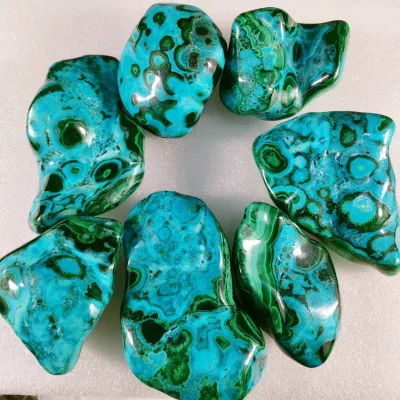


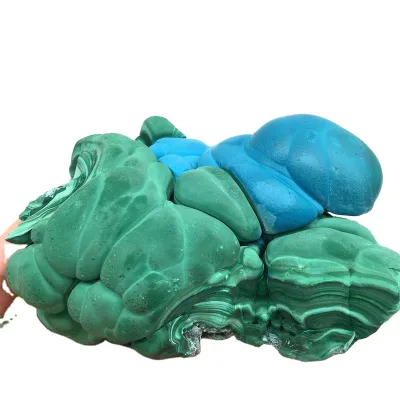


Blue Chips Wholesale Price Stylish Collection Swimming Pool Hot Melting Mosaic
$2.70 - $3.30
MOQ: 4200 Square Meters


Foshan Good Price Easy Blue Glass Mosaic Design Pictures Pattern
$19.80 - $29.80
MOQ: 100 Square Meters

Comprehensive Sourcing Guide
Strategic Sourcing Guide for Blue Chrysocolla Mosaic Specimens
The procurement of mosaic blue chrysocolla specimens requires a nuanced understanding of the intersection between natural mineralogy and engineered architectural finishes. Buyers seeking this specific material must navigate a market where the raw geological properties of chrysocolla are often integrated with synthetic or metallic components to create durable, aesthetically consistent surfaces. The core keyword "Mosaic Blue Chrysocolla Specimen" implies a product that may blend the visual allure of the blue mineral with the structural utility of glass, metal, or crystal elements. This guide outlines the critical technical, compliance, and operational factors necessary for a successful B2B procurement strategy, relying strictly on observed market data and verified product attributes.
Technical Specifications and Material Composition
When evaluating blue chrysocolla mosaic products, the primary distinction lies in the material composition and the physical dimensions of the constituent chips. The market data indicates a diverse range of material types available for this aesthetic, including glass, metal, and crystal. For buyers focusing on the "blue chrysocolla" visual, it is essential to verify if the product utilizes actual mineral specimens or if the blue hue is achieved through colored glass or metal alloys. The observed specifications reveal that glass-based options often feature a thickness of 4mm, while metal variants, such as copper mosaics, may present a thickness of 6mm.
The chip size is a critical variable that dictates the final texture and installation complexity. Available chip dimensions observed in the market include 10x10mm, 15x15mm, 20x20mm, and 25x25mm. Some specialized configurations may also include rectangular chips, such as 23x98mm, or larger format sheets like 327x327mm. The shape of the individual pieces varies significantly; while square chips are common, the "specimen" aspect of the keyword suggests that irregular shapes may also be available, particularly for crystal-based handicrafts. The water absorption rate is a vital technical metric, with high-quality glass options demonstrating a 0% absorption rate, ensuring durability in wet environments. Buyers must confirm the specific material and chip size for their project, as the "blue chrysocolla" label may apply to different underlying substrates.
Compliance, Certification, and Quality Standards
In the B2B construction and interior design sectors, compliance is non-negotiable. The product attributes indicate that suppliers typically provide a suite of certifications, including CE, SGS, TUV, and ISO. These certifications are essential for verifying that the mosaic products meet international safety and quality benchmarks. Specifically, the CE mark confirms conformity with health, safety, and environmental protection standards for products sold within the European Economic Area. The presence of TUV and SGS certifications further validates the product's structural integrity and material safety.
Quality standards are another critical area of verification. The observed data references a "First Choice" quality standard, which implies a rigorous selection process for the raw materials used in the mosaic sheets. However, buyers should not assume that every listed product meets this standard without explicit confirmation. The HS Code Number 70161000 is frequently associated with glass mosaic tiles, which helps in classifying the product for customs and duty purposes. For metal or crystal variants, the HS code may differ, and procurement teams must verify the correct classification to avoid logistical delays. Additionally, the production origin, such as Zhaoqing City or Jiangsu, China, can influence the specific regulatory frameworks the supplier adheres to, particularly regarding environmental standards and labor practices.
Cost Drivers and Pricing Dynamics
The pricing for mosaic blue chrysocolla specimens is influenced by a complex interplay of material costs, customization requirements, and order volume. The observed price range in the market spans from $1 to $185 USD, a significant variance that reflects differences in material quality, chip size, and production complexity. Lower-priced items often correspond to standard glass chips with common dimensions, while higher-priced items may involve custom crystal elements, irregular shapes, or specialized metal finishes like copper.
The Minimum Order Quantity (MOQ) is a primary cost driver. The market data shows an MOQ range from 1kg to 4200 units, depending on the supplier and product type. For buyers requiring small quantities, such as 1kg, the unit cost will likely be higher due to the fixed costs of packaging and logistics. Conversely, bulk orders can leverage economies of scale, potentially reducing the per-unit cost. Customization is a significant factor in pricing; the availability of customized logos and specific color systems can increase the overall cost. Buyers must balance their design requirements with their budget constraints, understanding that "Same Color System" products may offer better consistency and potentially lower costs compared to custom-mixed batches.
Typical Applications and Design Integration
The versatility of blue chrysocolla mosaic specimens makes them suitable for a wide array of applications. The product attributes explicitly list usage in both wall and floor installations, indicating their structural suitability for high-traffic areas. The application scope extends to bathrooms and outdoor environments, suggesting that the materials possess the necessary water resistance and durability for these settings. The 0% water absorption rate observed in glass variants is particularly beneficial for bathroom and outdoor use, preventing water damage and mold growth.
The style of the mosaic is another key consideration for design integration. The market offers products in "European Style" and "luxury" aesthetics, catering to high-end residential and commercial projects. The "blue" color type, often part of a "Same Color System," ensures a cohesive look across large surfaces. For buyers designing a bathroom or an exterior facade, the choice between square and irregular shapes will define the visual impact. Square chips offer a modern, grid-like appearance, while irregular crystal or specimen shapes provide a more organic, artistic feel. The thickness of the product, ranging from 4mm to 6mm, also influences its suitability for different substrates; thinner products may be preferred for vertical applications, while thicker options provide better durability for floor installations.
Supplier Evaluation and Production Capacity
Selecting the right supplier is critical for ensuring consistent quality and timely delivery. The observed production capacity data reveals that suppliers can produce between 2,160 and 3,852 square meters per day, indicating a robust manufacturing capability. This high capacity suggests that suppliers are equipped to handle large-scale projects without significant bottlenecks. However, buyers should verify the specific production capacity relevant to their order size and timeline.
The packaging details are also a crucial factor in supplier evaluation. Products are typically packed by carton and placed on wooden pallets, ensuring safe transport. The single package size and gross weight, such as 10x10x10 cm and 1.111 kg for crystal items, provide essential data for logistics planning. Buyers should confirm that the packaging meets the "Safe Package" standard to prevent damage during transit. Furthermore, the availability of customized logos and the "Customization" attribute indicate that suppliers are willing to adapt their products to specific brand requirements. When evaluating suppliers, buyers should request samples to verify the "First Choice" quality standard and ensure that the color and texture match the blue chrysocolla aesthetic they require.
Quality Control and Long-Term Procurement Considerations
Long-term procurement success depends on rigorous quality control measures and a clear understanding of the product's lifecycle. The "First Choice" standard implies a high level of quality control, but buyers must implement their own verification processes. This includes checking for consistent chip sizes, uniform color distribution, and secure bonding of the mosaic sheets. The "Same Color System" attribute suggests that suppliers have mechanisms to maintain color consistency, but batch-to-batch variations can occur, especially in natural mineral-based products.
For long-term projects, buyers should consider the lead times and the supplier's ability to replenish stock. The production capacity figures suggest that suppliers can handle repeat orders, but lead times may vary based on the complexity of the customization. Buyers should also evaluate the supplier's response to defects and their warranty policies. The "Customized Logo" option adds a layer of branding to the product, which can be a differentiator in the market. However, this customization must be durable and resistant to the environmental conditions of the application, whether it be a wet bathroom or an exposed outdoor wall.
Summary of Key Product Attributes
To facilitate quick reference during the sourcing process, the following table summarizes the key attributes observed in the market for blue chrysocolla mosaic specimens. This data serves as a checklist for buyers to verify against supplier specifications.
| Attribute Category | Observed Values / Options | Verification Requirement |
|---|---|---|
| Material | Glass, Metal (Copper), Crystal | Confirm substrate matches design intent |
| Chip Size | 10x10mm, 15x15mm, 20x20mm, 25x25mm, 23x98mm | Verify dimensions for pattern consistency |
| Thickness | 4mm, 6mm | Ensure compatibility with installation surface |
| Shape | Square, Irregular | Confirm visual style matches project needs |
| Color | Blue (Same Color System) | Check for color consistency across batches |
| Certifications | CE, SGS, TUV, ISO | Request valid certificates for compliance |
| Water Absorption | 0% (Glass) | Verify for wet area applications |
| MOQ | 1kg to 4200 units | Align with budget and project scale |
| Origin | Zhaoqing City, Jiangsu, China | Confirm location for logistics planning |
By adhering to these guidelines and verifying the specific attributes against the supplier's documentation, buyers can effectively source high-quality blue chrysocolla mosaic specimens that meet both aesthetic and functional requirements. The key to success lies in meticulous attention to detail, from the microscopic chip size to the macroscopic production capacity, ensuring a seamless procurement experience.
FAQs
What certifications do mosaic blue chrysocolla specimens typically have?
These products typically hold CE, SGS, TUV, and ISO certifications to ensure international safety compliance. Buyers should verify that the specific batch includes valid certificates for their target region, as these marks confirm conformity with health and environmental standards for construction materials.
Which chip sizes are available for mosaic blue chrysocolla specimens?
Available chip sizes include 10x10mm, 15x15mm, 20x20mm, and 25x25mm, with some options reaching 23x98mm. The specific dimension depends on the material type, as glass and metal variants offer different standard configurations for wall or floor installation projects.
Can buyers customize the logo on mosaic blue chrysocolla specimens?
Yes, customization is available for logos and specific color systems on these mosaic products. Suppliers can adapt the packaging and product branding to meet unique requirements, though this may influence the minimum order quantity and final pricing structure.
How thick are the glass and metal variants of these specimens?
Glass variants generally feature a thickness of 4mm, while metal options like copper mosaics often measure 6mm. Selecting the correct thickness is critical for ensuring structural integrity and compatibility with the intended installation surface, whether for vertical walls or horizontal floors.
What is the minimum order quantity for mosaic blue chrysocolla specimens?
The minimum order quantity ranges from 1kg to 4200 units depending on the supplier and product type. Smaller orders like 1kg are available for testing or small projects, while larger volumes may be required to access standard pricing tiers or specific customization options.
Where are mosaic blue chrysocolla specimens typically manufactured?
Production origins include Zhaoqing City and Jiangsu in China, which influence logistics and regulatory compliance. Buyers should confirm the specific place of origin to understand the applicable HS codes and ensure the supplier adheres to the expected quality standards for export.
What is the water absorption rate for glass mosaic blue chrysocolla specimens?
High-quality glass variants demonstrate a 0% water absorption rate, making them suitable for wet environments. This property ensures durability in bathrooms and outdoor applications by preventing water damage and mold growth, provided the installation follows standard procedures for such materials.