Source Injection Molded Parts for Automotive, Medical, and Household
Explore 30 verified listings for Injection Molded Parts tailored to automotive, medical, and household needs. Buyers can compare specifications like mold life, material types, and surface treatments from suppliers in China.
Key considerations
Products List


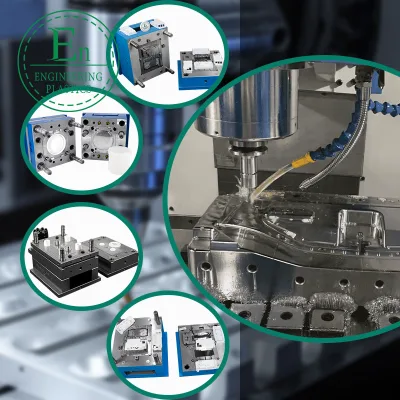


Custom Injection Molded Parts for Precision Molding Applications and Solutions
$0.10 - $0.90
MOQ: 100 Pieces


Precision Molded Parts for High-Quality Customized Injection Molding Solutions
$0.10 - $0.90
MOQ: 100 Pieces


Custom Injection Parts Designed for Durable and Reliable Molding Applications
$0.10 - $0.90
MOQ: 100 Pieces


Plastics Mold Design Plastic Products Manufacture Plastic Injection Part
$0.10 - $0.30
MOQ: 1000 pieces


One Stop Injection Mould Plastic Inject Molding Parts Plastic Injection Part
$0.10 - $0.30
MOQ: 1000 pieces


Comprehensive Sourcing Guide
Strategic Sourcing Guide for Injection Molded Parts
Procuring Injection Molded Parts requires a disciplined approach that balances technical precision with supply chain reliability. Buyers entering this market must navigate a complex landscape where material science, mold engineering, and production capacity intersect. The following guide outlines the critical factors for sourcing these components effectively, grounded in verified product attributes and industry standards.
Technical Specifications and Material Selection
The foundation of any successful injection molding project lies in the precise definition of technical specifications. Unlike generic manufacturing, injection molding demands strict adherence to dimensional tolerances and material properties. Verified data indicates that high-precision suppliers can achieve tolerances of +/-0.01mm, a critical metric for automotive and medical components where fit and function are non-negotiable. Buyers must verify that their suppliers possess the capability to maintain these tight tolerances consistently across production runs.
Material selection is equally pivotal. The market offers a diverse range of options, from specific grades like Silicone Rubber to broader categories of thermosetting plastics and granule-based thermoplastics. A key observation in the current market is the prevalence of customization; suppliers often state that "all materials can be customized" to meet specific application needs. This flexibility allows for the selection of materials that offer optimal resistance to chemicals, heat, or mechanical stress. However, buyers must distinguish between the raw material type and the final product composition. For instance, while some listings specify "Thermosetting Plastic," others may offer "all materials," requiring the buyer to explicitly define the polymer grade to ensure compatibility with the intended environment.
Surface finish is another technical variable that significantly impacts the final product's utility and aesthetics. The production process allows for a variety of surface treatments, including polishing, painting, texturing, and matte or glossy finishes. The choice of surface treatment often depends on the application; for example, a medical device may require a smooth, easy-to-clean surface, while an automotive part might need a textured finish for grip or aesthetic appeal. The mold material itself plays a crucial role in achieving these finishes. Common mold steels include P20, 718, 738H, NAK80, and S136, each offering different hardness levels and corrosion resistance. Selecting the appropriate mold steel is essential for ensuring the longevity of the mold and the quality of the surface finish on the parts.
Compliance, Certification, and Regulatory Standards
In the B2B procurement of Injection Molded Parts, compliance is not merely a formality but a prerequisite for market access, particularly in regulated industries. Verified product data highlights that suppliers often hold ISO and RoHS certifications. These certifications are critical indicators of a supplier's commitment to quality management systems and environmental standards. ISO certification suggests that the manufacturer adheres to international standards for quality control, while RoHS compliance ensures that the products do not contain restricted hazardous substances, a requirement for electronics and automotive applications in many global markets.
However, buyers must exercise caution when interpreting certification claims. The presence of a certification label does not automatically guarantee that every single batch of parts meets the standard without verification. Buyers should request current, valid certificates from the supplier and verify their scope to ensure they cover the specific manufacturing processes and materials used for the order. Furthermore, industry-specific standards often exceed general certifications. For applications in the medical or food processing sectors, additional regulatory compliance may be required, such as biocompatibility testing or food-grade material certifications. The "prod_standard" attribute often lists "custom" or "Customized Product," indicating that the supplier is capable of meeting bespoke regulatory requirements. Buyers must explicitly communicate these needs during the initial inquiry to ensure the supplier can validate compliance before production begins.
Cost Drivers and Pricing Dynamics
Understanding the cost structure of Injection Molded Parts is essential for budgeting and negotiation. The pricing of these components is influenced by a complex interplay of factors, including mold complexity, material costs, production volume, and lead time. The observed market data reveals a significant price range, from as low as $0.01 to as high as $20,000. This wide variance underscores the importance of defining the project scope clearly; a simple household component will cost significantly less than a complex, multi-cavity automotive part requiring high-grade steel molds.
The initial tooling cost is often the most significant upfront expense. The mold life, which can range from 50,000 to 500,000 shots depending on the mold material and design, directly impacts the amortization of this cost. A mold designed for 300,000 cycles, as seen in some verified listings, offers a different economic profile than one designed for 50,000 cycles. Buyers must calculate the total cost of ownership, considering the number of parts required and the expected lifespan of the mold. High-volume production can justify a higher initial tooling investment, while low-volume orders may require a more economical mold design.
Material costs also fluctuate based on market conditions and the specific type of plastic used. The transition from standard thermoplastics to specialized materials like silicone rubber or custom-engineered polymers will increase the unit cost. Additionally, the "Selling Units" attribute often indicates that parts are sold as single items or in bulk, affecting the per-unit price. Buyers should be aware that "Free Sample" availability can be a strategic advantage, allowing for cost-effective validation of the design before committing to full-scale production. However, the cost of shipping and handling for samples should also be factored into the overall budget.
Typical Applications and Industry Segments
Injection Molded Parts serve a vast array of industries, each with unique requirements for performance, durability, and safety. The verified application data spans Agricultural, Automotive, Electronics, Household, Medical, and Industrial sectors. This diversity highlights the versatility of the injection molding process but also necessitates a tailored approach for each industry.
In the automotive sector, parts must withstand extreme temperatures, vibration, and chemical exposure. The use of high-performance engineering plastics and robust mold materials like S136 is common to meet these demands. Similarly, the medical industry requires parts with high precision and biocompatibility, often utilizing silicone rubber or specific thermosetting plastics. The "Medical processing injection molding" specification indicates a specialized capability within the supply chain that buyers should prioritize for healthcare applications.
The electronics and household sectors often prioritize aesthetic finishes and dimensional accuracy. Parts for these industries may require textured or glossy surfaces and tight tolerances to ensure proper assembly and user experience. In the agricultural and industrial sectors, durability and resistance to harsh environments are paramount. Buyers in these sectors should focus on suppliers with experience in producing parts for heavy-duty applications, ensuring that the material selection and mold design can withstand the specific stresses of the field or factory floor.
Supplier Evaluation and Manufacturing Capabilities
Selecting the right supplier is a critical step in the procurement process. Buyers should evaluate potential partners based on their manufacturing capabilities, quality control systems, and flexibility. The "Mold: in-House" attribute is a significant indicator of a supplier's capability to control the entire production process, from design to final part. In-house mold manufacturing allows for faster turnaround times and better quality control, as the supplier can make immediate adjustments to the mold design if necessary.
The "Mold Life Time" and "Cavity" options (Single Cavity / Multi-Cavity) are also important factors. A supplier offering multi-cavity molds can increase production efficiency and reduce per-unit costs for high-volume orders. Conversely, single-cavity molds may be more suitable for prototyping or low-volume production. Buyers should also assess the supplier's ability to handle "Customized Packaging" and "Customized Colors," as these can be essential for branding and logistics.
Furthermore, the "Drawing Format" capability is a key technical requirement. Suppliers should be able to accept and process files in various formats, including Step, Dwg, Igs, Pdf, 2D, and 3D (IGES/STEP). This flexibility ensures that the buyer's design data can be seamlessly integrated into the production process. The "Small Orders: Accepted" attribute suggests that some suppliers are willing to accommodate lower volume requests, which can be beneficial for startups or companies testing new product lines.
Quality Control and Long-Term Procurement Considerations
Ensuring consistent quality in Injection Molded Parts requires a robust quality control framework. Buyers should verify that the supplier has established procedures for inspecting parts at various stages of production, from raw material intake to final packaging. The "Tolerance" specification of +/-0.01mm serves as a benchmark for precision, but buyers must ensure that the supplier has the necessary measuring equipment and trained personnel to verify these tolerances consistently.
Long-term procurement considerations include the reliability of the supply chain and the supplier's ability to scale production. The "Lead Time" of 15 days observed in some listings provides a baseline for planning, but buyers should confirm this timeline for their specific order volume and complexity. Additionally, the "Mold Life" of the tooling is a critical factor for long-term sustainability. A mold designed for 500,000 shots will provide a longer service life than one designed for 50,000 shots, reducing the need for frequent re-tooling and associated costs.
Buyers should also consider the "Customization" aspect of the supplier's offerings. The ability to customize the product material, surface treatment, and packaging can be a significant advantage in adapting to changing market demands. However, this flexibility must be balanced with the risk of introducing variability into the production process. Clear communication and detailed specifications are essential to ensure that the customized parts meet the buyer's requirements.
Comparison of Key Supplier Attributes
To facilitate a clearer understanding of the market landscape, the following table summarizes key attributes observed in verified product listings. This comparison helps buyers identify suppliers that align with their specific project needs.
| Attribute | Typical Observation | Strategic Implication |
|---|---|---|
| Material | Silicone Rubber, Thermosetting Plastic, Customizable | Verify material compatibility with application environment. |
| Tolerance | +/-0.01mm / OEM | Essential for high-precision industries like automotive and medical. |
| Mold Life | 50,000 - 500,000 Shots | Higher life reduces long-term tooling costs for high-volume runs. |
| Certification | ISO, RoHS | Indicates adherence to quality and environmental standards. |
| Lead Time | 15 Days (Typical) | Plan production schedules accordingly; verify for specific orders. |
| MOQ | 1 - 10,000 | Flexible for prototyping or high-volume production. |
| Surface Finish | Smooth, Glossy, Textured, Matte | Select based on aesthetic and functional requirements. |
| Drawing Format | Step, Dwg, Igs, Pdf, 2D, 3D | Ensure supplier can process your specific design files. |
Conclusion
Sourcing Injection Molded Parts is a multifaceted process that requires careful attention to technical specifications, compliance, cost drivers, and supplier capabilities. By leveraging verified product attributes and industry knowledge, buyers can make informed decisions that ensure the quality and reliability of their components. The ability to customize materials, finishes, and packaging, combined with the availability of high-precision tolerances and robust certifications, makes the injection molding market a viable option for a wide range of industries. However, success depends on a thorough evaluation of potential suppliers and a clear understanding of the specific requirements of the application. Through disciplined procurement practices, buyers can secure a steady supply of high-quality Injection Molded Parts that meet their operational and strategic goals.
FAQs
Can I get free samples for Injection Molded Parts before ordering?
Yes, free samples are available for many Injection Molded Parts to validate design and quality. Buyers must consult customer service to arrange the sample request and clarify any shipping costs that may apply separately from the sample itself.
What certifications do Injection Molded Parts manufacturers typically hold?
Suppliers often hold ISO and RoHS certifications to ensure quality management and environmental compliance. These standards are critical for automotive and medical applications, though buyers should verify that specific certificates cover the materials and processes used for their order.
How precise are the dimensional tolerances for Injection Molded Parts?
High-precision suppliers can achieve tolerances of plus or minus 0.01mm for critical components. This level of accuracy is essential for automotive and medical parts, but buyers must confirm the supplier's capability to maintain these tolerances consistently across production runs.
Which mold materials are used for long-lasting injection molds?
Common mold steels include P20, 718, 738H, NAK80, and S136 for durability and surface finish. The choice of material affects mold life, which can range from 50,000 to 500,000 shots depending on the specific steel grade and production volume requirements.
What is the typical lead time for custom Injection Molded Parts?
A standard lead time for production is approximately 15 days after design approval. This timeline can vary based on mold complexity, material availability, and order volume, so buyers should confirm the specific schedule with the manufacturer before committing to a project.
Can Injection Molded Parts be customized for specific industries?
Yes, customization is available for material, surface finish, color, and packaging to meet industry needs. Suppliers can adapt parts for agricultural, automotive, medical, or electronic applications by selecting appropriate plastics like silicone rubber or engineering thermoplastics.
What drawing formats are accepted for injection mold design?
Suppliers accept various file formats including Step, Dwg, Igs, Pdf, and 3D IGES files. This flexibility ensures that buyer design data can be seamlessly integrated into the production process without requiring conversion to incompatible formats.