Source Injection Molded Plastic Comb Plate for Home, Medical, Auto
Explore 30 Injection Molded Plastic Comb Plate options designed for household, medical, and automotive applications. Compare material specifications, customization services, and packaging details to identify the best fit for your sourcing needs; compare the available evidence and request quotations based on your requirements.
Key considerations
Products List




Comprehensive Sourcing Guide
Injection Molded Plastic Comb Plate Sourcing Guide
Procurement professionals seeking injection molded plastic comb plates must first distinguish between generic household tools and specialized industrial components, as the market offers a wide spectrum of product definitions. The observed listings reveal a diverse range of applications, from standard hair care items labeled as "Common Comb" or "Hair Comb & Brush" to technical "Plastic Mould Parts" intended for automotive or medical assemblies. Buyers should carefully review the specific product model numbers, such as PPL-P04260522-3 or MP007, to ensure the item matches the intended functional requirement rather than assuming all listed combs are interchangeable.
The sourcing landscape for these components is heavily influenced by the availability of customization services, with many suppliers offering OEM and ODM capabilities alongside custom logo and packaging options. While some listings specify "For Home Use" or "Household Appliances," others indicate suitability for broader sectors including electronics and medical fields, requiring precise verification of the intended use case. Buyers must confirm whether the product is a disposable item or a durable, non-disposable tool, as this distinction significantly impacts material selection, mold design, and long-term procurement strategy.
Product Scope and Observed Listing Signals
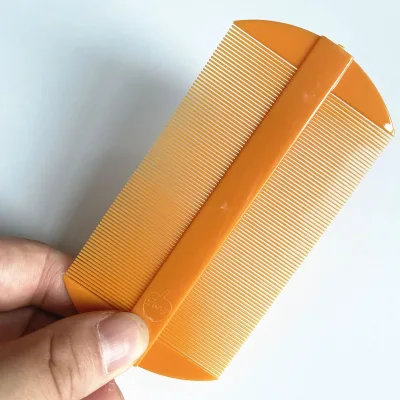
When evaluating product scope, buyers should note that the observed listings include specific attributes like "Type: light plate grate comb" and "Handle Type: Handle Comb," which define the physical geometry and user interface of the component. The material composition is consistently identified as plastic, with some suppliers explicitly stating that aluminum materials are available for specific structural reinforcements or hybrid designs. This variation suggests that the core keyword encompasses both simple, single-material injection molded parts and more complex assemblies that may require multi-material processing or secondary operations.
Listing signals also indicate a strong emphasis on packaging and presentation, with options ranging from simple poly bags to gift boxes and wood box packing, depending on the target market segment. The observed single package sizes and weights, such as 0.03 kg per unit, provide critical data for logistics planning and freight cost estimation. However, buyers must remain cautious as some specifications, like "Size: - Box 12" or "Standard: 5-15CM," appear to be variable or context-dependent rather than fixed universal standards, necessitating direct confirmation with the supplier for every specific order.
Technical Specifications to Verify
Technical verification begins with the drawing formats provided by suppliers, which typically include .STP, .Step, .Dwg, and .Pdf files to ensure compatibility with various CAD and manufacturing systems. The molding process is universally identified as injection molding, a critical detail that dictates the production capacity, surface finish quality, and dimensional tolerances achievable for the comb plate. Buyers should request detailed technical drawings that clearly define the tooth pitch, handle ergonomics, and overall dimensions to prevent mismatches between the design intent and the final manufactured part.
Dimensional and weight specifications require rigorous cross-referencing, as observed data includes varying single package sizes and weights that may not apply to all product variants. For instance, while one listing notes a weight of 0.03 kg, another specifies a box containing 12 pieces, requiring calculation of total shipment weight and volume. It is essential to verify the exact model number, such as HXN-46961 or MP022, against the requested technical parameters, as these identifiers often correspond to specific mold cavities and production runs that cannot be easily substituted without retooling.
Compliance and Safety Documentation
Compliance documentation for injection molded plastic combs often centers on general ISO certifications, which are frequently cited in supplier profiles as a baseline for quality management systems. While specific standards like ISO 9001 or ISO 13485 are mentioned in background contexts, buyers must explicitly request current certification documents to confirm that the supplier's facility meets the necessary regulatory requirements for the intended application, whether it is for general household use or more regulated medical environments. Relying on general claims without verified documentation can expose the buyer to significant supply chain risks.
Safety and material compliance are particularly critical when the product is intended for direct human contact, such as hair care or medical devices. Buyers should verify that the plastic materials used are free from harmful substances and meet relevant safety standards for the target market, such as food-grade or skin-contact regulations. Although some listings mention "Customized" standards, this does not imply automatic compliance; instead, it indicates that the supplier can adapt to specific regulatory needs provided the buyer supplies the necessary technical requirements and testing protocols upfront.
Cost Drivers and Commercial Terms
Cost drivers for injection molded plastic comb plates are heavily influenced by the complexity of the mold design, the volume of the order, and the level of customization required. The observed MOQ range spans from 1 to 30,000 units, indicating that suppliers cater to both prototyping needs and large-scale production runs, with unit costs likely decreasing significantly as volume increases. Buyers should analyze the trade-off between custom tooling costs and per-unit pricing, especially when considering the "Custom Logo / Packaging" services that add value but also increase the initial investment and lead time.
Commercial terms must be clearly defined regarding payment schedules, lead times, and shipping responsibilities, as these factors vary widely across the observed listings. The price range observed in the market is extremely broad, from $0.01 to $500,000, reflecting the difference between simple single-item purchases and large industrial contracts. Buyers should negotiate based on the specific model number and material requirements, ensuring that the quoted price includes all necessary services such as design assistance, which is listed as "Yes" by some suppliers, to avoid hidden costs later in the procurement process.
Supplier Qualification and Quality Control
Supplier qualification should prioritize manufacturers located in established industrial hubs like Xiamen, China, which are known for their expertise in plastic molding and injection manufacturing. The presence of "Assist in Design: Yes" capabilities suggests that these suppliers offer engineering support, which is a valuable asset for buyers looking to optimize their product designs for manufacturability. However, buyers must verify the supplier's actual production capacity and quality control processes, as the mere presence of these services does not guarantee consistent output quality across all batches.
Quality control measures must be explicitly defined in the purchase agreement, including inspection protocols for critical dimensions, surface defects, and material consistency. Since the product type ranges from "Common Comb" to specialized "Plastic Mould Parts," the inspection criteria will vary significantly depending on the application. Buyers should request sample inspections and third-party testing reports to validate that the supplier can consistently meet the specified standards, particularly when the product is intended for sensitive applications in the automotive or medical sectors.
Long-Term Procurement Checks
Long-term procurement success depends on establishing a robust relationship with suppliers who can maintain consistent quality and supply stability over time. Buyers should regularly audit the supplier's production lines and quality management systems to ensure they continue to adhere to the agreed-upon standards and certifications. The ability to scale production up or down, as indicated by the wide MOQ range, is a key indicator of a supplier's flexibility and resilience in the face of market fluctuations or demand changes.
Continuous improvement and innovation should be a core component of the long-term strategy, leveraging the supplier's customization capabilities to enhance product features or reduce costs. Buyers should monitor the supplier's ability to adapt to new materials or design trends, such as the shift towards more sustainable plastics or ergonomic improvements. By maintaining open communication and setting clear performance metrics, buyers can ensure that their supply chain remains competitive and capable of meeting evolving market demands for injection molded plastic comb plates.
FAQs
What materials are used for injection molded plastic comb plates?
The comb plates are primarily manufactured using plastic materials, with some options available in aluminum. These materials are selected for their durability and suitability for injection molding processes. The choice of material ensures the final product meets specific strength and aesthetic requirements for various applications, including household and automotive uses.
Can I get custom designs for injection molded plastic comb plates?
Yes, OEM and ODM services are available for custom designs. Buyers can provide drawings in formats such as .STP, .Step, .Dwg, or .Pdf to facilitate the customization process. This service allows for tailored specifications, including custom logos and packaging, ensuring the final product aligns precisely with your brand and functional needs.
What is the typical MOQ for these plastic comb products?
The minimum order quantity ranges from 1 to 30,000 units, offering flexibility for different business scales. This wide range accommodates both small trial orders and large-scale production runs. Buyers can negotiate specific MOQs based on their requirements, ensuring that the sourcing process remains accessible for startups as well as established enterprises seeking bulk supplies.
Where are these injection molded plastic combs manufactured?
These products originate from Xiamen, China, a hub for manufacturing and export. The production facilities are equipped to handle various molding processes, ensuring high-quality output. Sourcing from this location provides access to established supply chains and manufacturing expertise, facilitating efficient production and logistics for international buyers seeking reliable plastic comb components.
What certifications do these plastic comb manufacturers hold?
Manufacturers typically hold ISO certifications, ensuring adherence to international quality management standards. These certifications indicate a commitment to consistent product quality and reliable manufacturing processes. Buyers can rely on these standards for quality assurance, which is particularly important for applications in medical, automotive, and electronics sectors where component reliability is critical for safety and performance.
How are the plastic comb plates packaged for shipment?
Packaging options include poly bags with carton boxes, gift boxes, or wood box packing, depending on the product type. This variety ensures safe transport and presentation for different market segments. The packaging is designed to protect the items during shipping while also meeting specific branding or retail requirements, providing flexibility for various distribution channels.