Source Injection Moulded Nylon Walking Wheel for Food, Electronics, Transport
Compare 30 verified listings for Injection Moulded Nylon Walking Wheel options tailored for food and beverage, electronic industries, and transport applications. Buyers can evaluate specifications, certifications, and pricing to find the right rotating wheel components; compare the available evidence and request quotations based on your requirements.
Key considerations
Products List


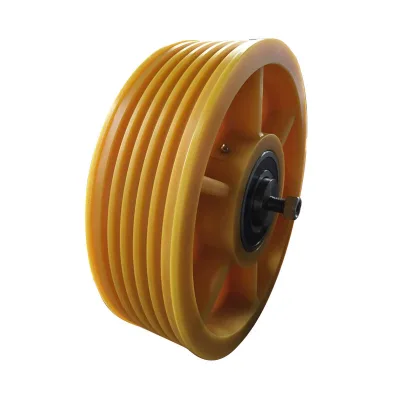
$26.52 - $28.56
MOQ: 10 pieces


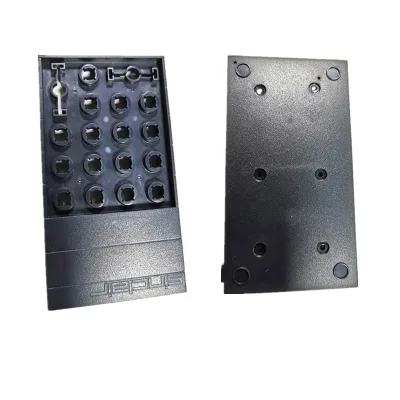


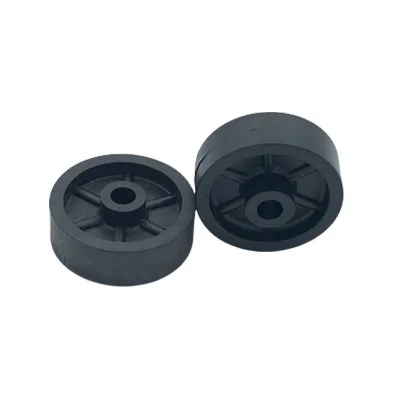
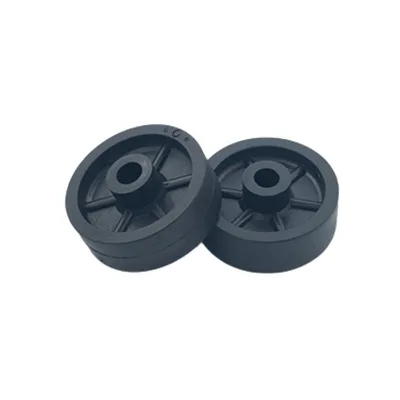
Comprehensive Sourcing Guide
Injection Moulded Nylon Walking Wheel Sourcing Guide
Buyers must first distinguish between generic plastic rollers and specialized injection-moulded walking wheels designed for specific load-bearing applications. The observed market data indicates that while many listings describe "nylon" or "plastic" materials, the actual manufacturing process varies significantly between injection moulding and other methods like forging or CNC turning. Understanding this distinction is critical because injection moulding typically offers superior dimensional consistency for complex geometries like pulleys and bushings, whereas other processes may be better suited for high-stress forging applications.
Procurement teams should verify that the supplier explicitly confirms injection moulding as the primary production method for the specific model required. Listings often mix attributes such as "CNC Lathe" or "Forging" with "Injection" moulding types, creating confusion about the final product's structural integrity. A clear confirmation of the moulding process ensures the component meets the precise tolerances needed for rotating wheels and pulleys in food, beverage, and electronic industries, preventing premature wear or failure in high-cycle environments.
Product Scope and Observed Listing Signals
The available product range includes diverse shapes such as tubes, rods, sheets, and specific parts like bushings, chains, and pulleys, all potentially fabricated from nylon or general plastic. Buyers should note that while some listings specify "PA66 pulley wheels" or "nylon wheel" models, others offer customizable options where the shape and dimensions are determined strictly by customer drawings or samples. This variability requires careful selection to ensure the physical form matches the mechanical requirements of the intended walking wheel assembly.
Color and surface finish options are frequently customizable, with natural, white, black, green, and blue colors available alongside treatments like chrome plating or polishing. However, the observed data shows conflicting surface treatments, with some items listed as chrome plated while others are merely polished or left in a natural state. Buyers must explicitly confirm the required surface treatment to avoid receiving a component that lacks the necessary friction properties or aesthetic finish for their specific machinery or transport application.
Technical Specifications to Verify
Dimensional accuracy is paramount, as specifications often state that sizes are "According to Drawing or Sample" rather than adhering to fixed standard catalogs. The observed model numbers range from generic "nylon" identifiers to specific designations like "c-33" or "v-belt pulley," indicating that buyers must provide detailed engineering drawings to ensure the final product fits their existing infrastructure. Relying on generic model numbers without cross-referencing them against specific technical drawings can lead to significant integration issues.
Material density and processing capabilities also require strict verification, with observed density values around 1.2 and processing services including moulding and polishing. While some listings mention "Forging" or "CNC Lathe" capabilities, the core requirement for injection-moulded wheels is the ability to produce consistent, high-strength plastic parts. Buyers should confirm that the supplier's moulding type aligns with the required mechanical properties, ensuring the component can withstand the operational stresses of power plants, mining transport, or grain handling systems.
Compliance and Safety Documentation
Certification requirements vary across listings, with some suppliers providing ISO9001:2008, ISO, and CE certifications alongside RoHS compliance and test reports. It is essential to verify that the specific batch of walking wheels carries the relevant safety certifications for the target industry, particularly for applications in food and beverage light industry where material safety is non-negotiable. The presence of a test report is a strong indicator of quality control, but buyers must ensure the report covers the specific material and dimensions of the ordered product.
Regulatory compliance extends beyond general certifications to include specific material standards like RoHS, which restricts hazardous substances in electronic and industrial applications. Buyers should request current documentation proving that the nylon or plastic material used does not contain prohibited substances, especially if the wheels are intended for use in sensitive environments. Without explicit confirmation of these standards, there is a risk of non-compliance with international trade regulations and industry-specific safety mandates.
Cost Drivers and Commercial Terms
Pricing in the observed market ranges widely from $0.01 to $28.56, reflecting differences in material quality, customization levels, and order volumes. The minimum order quantity (MOQ) also varies significantly, ranging from a single item to 1000 units, which directly impacts the unit cost and overall procurement budget. Buyers must balance the need for customization against the economic benefits of larger orders, as highly specific customizations often incur higher per-unit costs and longer lead times.
Packaging and shipping logistics are additional cost factors, with options ranging from wood cases and paper cartons to wooden pallets or custom requests. The observed single package sizes and gross weights, such as 30x17x10 cm and 0.500 kg, help in estimating freight costs, but these figures may change based on the final order quantity and specific packaging requirements. Negotiating clear terms regarding who bears the cost of specialized packaging and how the goods are secured during transit is vital to preventing damage and controlling total landed costs.
Supplier Qualification and Quality Control
Supplier location and origin play a significant role in supply chain reliability, with observed origins including Guangzhou, Hebei, and general China Mainland locations. Buyers should assess the supplier's proximity to logistics hubs and their experience in exporting to their specific region to mitigate potential shipping delays. While the brand names vary from "Engineering Plastic" to specific entities like "Zhongchengda," the physical location and manufacturing capability are more critical indicators of reliability than the brand label itself.
Quality control processes must be validated through the supplier's ability to provide free samples and adhere to strict manufacturing standards. The availability of free samples allows buyers to physically inspect the injection-moulded quality, surface finish, and dimensional accuracy before committing to a larger order. Additionally, verifying that the supplier utilizes appropriate processing services like moulding and polishing ensures that the final product meets the rigorous demands of rotating wheel applications in heavy industries.
Long-Term Procurement Checks
Sustained procurement success depends on the supplier's ability to maintain consistent quality over time, particularly when dealing with customizable models and specific drawing requirements. Buyers should establish a protocol for periodic re-verification of material density, certification status, and surface treatment consistency to ensure that the product does not degrade in quality as production scales up. Regular audits of the manufacturing process help confirm that the injection moulding technique remains stable and produces parts that meet the original design specifications.
Future-proofing the supply chain involves maintaining open communication regarding potential changes in material standards or regulatory requirements. Since the observed data includes various standards like "as Per Drawing" and "Standard and Custom Services," buyers must ensure the supplier remains flexible enough to adapt to new industry regulations or design updates. Building a long-term relationship with a qualified supplier who can provide consistent documentation and technical support is essential for minimizing downtime and ensuring the reliability of the walking wheel components.
FAQs
What materials are used for injection moulded nylon walking wheels?
These wheels are primarily manufactured from high-quality Nylon and PA66 materials. The plastic molding type is injection, ensuring consistent structural integrity. Some variants may also utilize general plastic compositions. The material density is typically around 1.2, providing a balance of strength and lightweight performance for various industrial applications.
Can these nylon wheels be customized to specific drawings?
Yes, customization is available for these products. The standard specification allows for production according to customer drawings or samples. The model number can be customized to meet unique requirements. This flexibility supports specific design needs, allowing buyers to obtain parts that precisely fit their machinery or structural applications without compromising on quality.
What certifications do these nylon pulley wheels hold?
These products typically hold ISO9001: 2008, RoHS, and Test Report certifications. Some listings also indicate ISO and CE compliance. These certifications verify adherence to international quality and safety standards. Buyers can rely on these documented credentials to ensure the components meet regulatory requirements for export and integration into sensitive industrial environments.
What is the typical packaging method for these plastic wheels?
Packaging options include wood cases, paper cartons, and wooden pallets. Some suppliers offer carton cases or packaging upon request. The single package size is often around 30x17x10 cm with a gross weight of 0.500 kg. This flexible packaging ensures safe transit and protects the wheels from damage during international shipping and handling processes.
Where are these injection moulded nylon wheels manufactured?
These products originate from China, with specific locations including Guangzhou and Hebei. The manufacturing process involves injection moulding and sometimes forging for metal components. This regional sourcing provides access to established industrial supply chains. Buyers can expect consistent production capabilities and logistical support from these established manufacturing hubs in the China Mainland.
What shapes and types are available for these nylon wheels?
Available shapes include tubes, rods, sheets, parts, bushings, chains, and pulleys. The type is often described as rotating wheels or hub wheel rims. Specific models include PA66 pulley wheels and v-belt pulleys. This variety allows for versatile applications across food and beverage, light industry, and electronic industries, meeting diverse mechanical transmission needs.