Source Injection Moulded Plastic Chair for Home, Office, and Events
Compare 30 Injection Moulded Plastic Chair options from Zhejiang suppliers. Buyers can evaluate designs, steel types, and cavity configurations for household appliances, furniture, and commercial use applications.
Key considerations
Products List


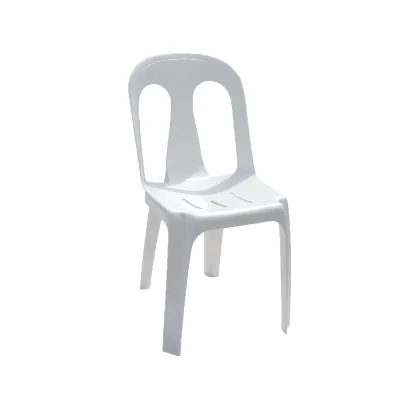
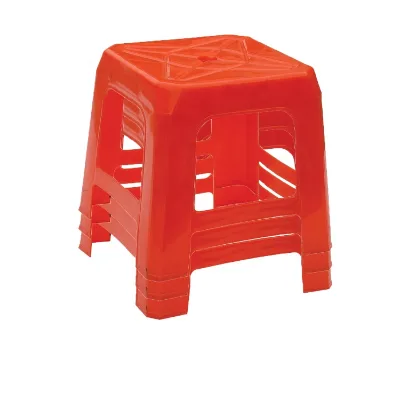
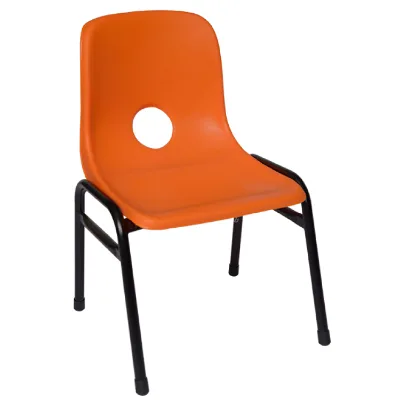


China Manufacturer Injection Moulding Wholesale Dongguan Garden Plastic Chair
$12.25 - $16.00
MOQ: 100 Pieces


Comprehensive Sourcing Guide
Strategic Sourcing Guide for Injection Moulded Plastic Chairs
Understanding Technical Specifications and Design Capabilities
When sourcing injection moulded plastic chairs, the primary objective is to align the manufacturing capabilities of potential suppliers with the specific functional and aesthetic requirements of your project. The core of this process begins with a rigorous review of the mould design software and the physical characteristics of the tooling. In the current market, advanced Computer-Aided Design (CAD) tools are standard, with specific observations indicating the use of UG (Unigraphics) software for designing complex geometries. This software capability is critical for ensuring that the final chair design meets precise dimensional tolerances and structural integrity requirements.
The physical construction of the mould is equally vital. Buyers must verify that the supplier utilizes high-grade steel alloys, specifically S136 and H13, which are observed in the supply chain for their durability and resistance to corrosion. These materials are essential for producing chairs that require a high polish and long tool life. The surface finish process is typically polishing, which directly impacts the tactile quality and visual appeal of the final product. Furthermore, the mould configuration often involves multi-cavity setups, with observed cavity counts ranging from 4 up to 72. This variability allows suppliers to scale production efficiently, catering to both low-volume prototyping and high-volume mass production needs.
The runner system is another technical specification that dictates production efficiency. Hot runner systems are a common feature in modern injection moulding, reducing material waste and cycle times compared to cold runner alternatives. The shaping mode is consistently identified as injection moulding, a process that ensures uniform wall thickness and consistent material distribution. Buyers should also note that customization is widely available, allowing for tailored designs that range from specific dimensions to unique aesthetic features. The standard DME (Dover Mold Engineering) guidelines are often referenced in the industry, providing a benchmark for mould component quality and interchangeability.
Compliance, Certification, and Material Standards
Ensuring that injection moulded chairs meet safety and regulatory requirements is a non-negotiable aspect of B2B procurement. The material used is predominantly plastic, but the specific polymer grade must be verified to ensure it meets the intended application's safety standards. For chairs destined for public spaces such as meeting rooms, churches, auditoriums, and halls, the product must often possess specific safety features. Observed attributes include "Vandal Proof," "UV Resistant," and "Fire Retardant" characteristics. These features are not merely marketing terms but critical performance indicators that must be validated through third-party testing.
Certification verification is a key step in the supplier evaluation process. Buyers should request documentation confirming that the products adhere to recognized international standards. The supply chain data indicates the availability of SGS Test Reports and compliance with TUV standards. These certifications serve as evidence that the materials and manufacturing processes have been independently verified. Additionally, the export market for these products is global, implying that suppliers must be familiar with a wide array of regional regulations. The standard export packing often adheres to specific dimensions, such as 80x40x55 cm, and utilizes carton or wooden box packaging to protect the product during transit.
When evaluating compliance, buyers must also consider the installation method. The chairs are designed for various mounting configurations, including flat mode, simple mount, wall mount, and floor mount. The stability of the chair is often enhanced by features such as foot landing stations and fixed rotary mechanisms. For models with armrests, the design must ensure that the armrests are securely integrated, whether they are present or absent in the specific model configuration. The condition of the product is typically new, and the disassembly status is often noted as "undisassembly," meaning the chair is a single, robust unit designed for longevity.
Cost Drivers and Pricing Dynamics
The pricing of injection moulded plastic chairs is influenced by a complex interplay of factors, including material costs, mould complexity, and production volume. The observed price range in the market is extensive, spanning from $0.10 to $500,000. This wide variance reflects the difference between a single unit cost and the total cost of a large-scale moulding project or a bulk order of finished chairs. It is crucial for buyers to understand that the lower end of this spectrum typically represents unit costs for high-volume orders, while the higher end may include the cost of the mould tooling itself or specialized custom designs.
The Minimum Order Quantity (MOQ) is another significant cost driver. The observed MOQ range is between 1 and 2,000 units. Suppliers with lower MOQs may charge a premium per unit to cover setup costs, whereas higher volume orders benefit from economies of scale. The delivery time, observed to be between 1.5 and 2 months, also impacts the overall cost structure. Longer lead times may require more extensive planning and inventory management, potentially affecting the final price. Buyers should also consider the "Selling Point" of factory prices, which suggests that sourcing directly from the manufacturer can reduce intermediary markups.
Material selection plays a pivotal role in cost determination. While the base material is plastic, the specific type (e.g., PP, PE, ABS) and the inclusion of additives for fire retardancy or UV resistance will alter the cost. The number of cavities in the mould also affects the unit price; higher cavity counts increase the initial mould cost but reduce the per-unit production time. Additionally, the customization level is a major factor. Customized designs require unique tooling and potentially longer development cycles, which are reflected in the final price. Buyers should request detailed cost breakdowns that separate tooling costs from per-unit production costs to make informed financial decisions.
Typical Applications and Usage Scenarios
Injection moulded plastic chairs are versatile products designed for a wide array of applications. The primary usage scenarios identified include meeting rooms, churches, auditoriums, and large halls. These environments demand furniture that is durable, easy to clean, and capable of withstanding heavy foot traffic. The "Vandal Proof" and "Fire Retardant" features are particularly relevant for these public and semi-public spaces, ensuring safety and longevity. The chairs are also suitable for home use, furniture retail, and general commodity markets, indicating their adaptability across different sectors.
The design of these chairs often includes specific features to enhance their utility in various settings. For instance, the "Low Back Molded Seats" and "Injection Molded Seats" are designed for comfort and stackability, making them ideal for conference centers and educational institutions. The availability of armrests, both with and without, allows for customization based on the specific needs of the venue. In auditoriums, the "Station Foot" and "Foot Landing" features provide stability and prevent the chairs from sliding on smooth floors. The "Fixed" rotary mechanism ensures that the chairs remain in a stable position, which is crucial for seating arrangements in formal settings.
Color customization is another significant aspect of the application. While regular colors such as red, yellow, blue, and green are standard, the ability to customize colors allows buyers to match the chairs to specific branding or interior design schemes. This flexibility is particularly valuable for corporate offices, hotels, and event venues. The "Kind" of the product is consistently identified as a chair, but the specific model numbers, such as Zs-Zkbb-P and ZS-DKB-P, suggest a variety of styles and configurations available to meet diverse application needs.
Supplier Evaluation and Selection Criteria
Selecting the right supplier for injection moulded plastic chairs requires a comprehensive evaluation of their capabilities, reputation, and operational efficiency. Buyers should prioritize suppliers who demonstrate expertise in the specific design software and moulding processes relevant to their needs. The use of UG software and adherence to DME standards are strong indicators of technical competence. Additionally, the supplier's ability to handle multi-cavity moulds with varying cavity counts (from 4 to 72) is a testament to their production flexibility.
The supplier's location and origin are also important factors. Many suppliers are based in Zhejiang, China, a region known for its robust manufacturing infrastructure. This location often correlates with competitive pricing and efficient logistics. However, buyers must verify the supplier's export experience, as the global market requires adherence to international shipping and customs regulations. The "Export Market: Global" attribute suggests that experienced suppliers are well-versed in handling international orders.
Quality control is another critical criterion. Buyers should inquire about the supplier's quality assurance processes, including in-house testing and third-party certification. The availability of SGS Test Reports and TUV compliance is a positive sign, but buyers should request specific test data relevant to their application. The supplier's ability to provide samples and conduct trial runs before full-scale production is also essential. Finally, the supplier's customer service and communication capabilities should be assessed to ensure a smooth procurement process.
Quality Control and Long-Term Procurement Considerations
Maintaining high quality standards throughout the procurement lifecycle is essential for the success of any injection moulded chair project. Quality control should begin at the design stage, with a thorough review of the mould design and material specifications. During production, regular inspections should be conducted to ensure that the chairs meet the required dimensions, surface finish, and structural integrity. The "Polishing" surface finish process must be consistently applied to avoid defects such as scratches or uneven textures.
Long-term procurement considerations involve building a sustainable relationship with the supplier. This includes establishing clear communication channels, agreeing on delivery schedules, and defining quality expectations. The "Delivery Time" of 1.5 to 2 months should be factored into the procurement timeline, with buffer periods for potential delays. Buyers should also consider the supplier's capacity to handle future orders and their ability to scale production as demand increases.
The packaging of the chairs is another aspect of quality control. The "Standard Export Packing" and "Packed with Carton" or "Wooden Box" options should be selected based on the fragility of the product and the shipping method. Proper packaging ensures that the chairs arrive in perfect condition, reducing the risk of damage during transit. Finally, buyers should plan for the end-of-life disposal of the chairs, considering the recyclability of the plastic materials used. By focusing on these quality control and long-term considerations, buyers can ensure a successful and sustainable procurement experience.
FAQs
What software is used to design the Injection Moulded Plastic Chair?
The mould design utilizes UG software to ensure precise geometries and structural integrity. This advanced CAD tool allows for accurate dimensional tolerances required for complex chair shapes and multi-cavity setups.
Which steel materials are used for the mould cavities?
High-grade S136 and H13 steel alloys are used for the mould cavities. These materials provide excellent durability, corrosion resistance, and support the required polishing surface finish for long tool life.
Can the Injection Moulded Plastic Chair be customized for specific needs?
Yes, customization is available for dimensions, aesthetics, and specific functional requirements. Buyers can request tailored designs including custom colors and specific armrest configurations to match their venue needs.
What certifications verify the safety of the Injection Moulded Plastic Chair?
Products are supported by SGS Test Reports and comply with TUV standards. These certifications confirm that the plastic material meets safety requirements for fire retardancy and UV resistance in public spaces.
How long is the delivery time for the Injection Moulded Plastic Chair?
The standard delivery time ranges from 1.5 to 2 months. This lead time accounts for mould preparation, production cycles, and export packing according to international shipping standards.
Where are the Injection Moulded Plastic Chair manufacturers located?
Manufacturers are primarily located in Zhejiang, China. This region offers robust manufacturing infrastructure and competitive pricing for global export markets with various packaging options like wooden boxes or cartons.