Source Injection Moulded Remote Control Case for Automotive Electronics Household
Compare 30 verified listings for Injection Moulded Remote Control Case options from Chinese manufacturers. Buyers can evaluate customization, materials like ABS, and certifications including RoHS and ISO9001 for automotive, electronics, and household applications; compare the available evidence and request quotations based on your requirements.
Key considerations
Products List


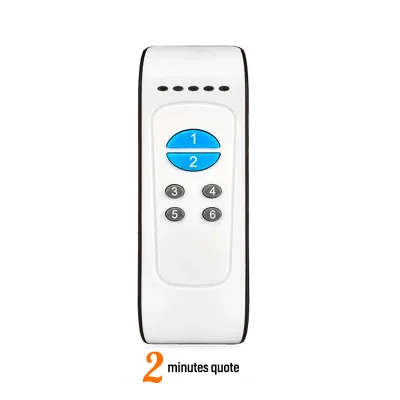





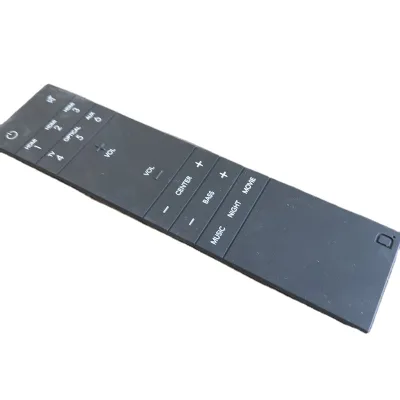
Best Selling Plastic Products Remote Control case Injection Manufacturers
$0.25 - $1.00
MOQ: 1000 Minimum


Comprehensive Sourcing Guide
Injection Moulded Remote Control Case Sourcing Guide
Sourcing injection moulded remote control cases requires a disciplined approach to balancing aesthetic precision with functional durability. Buyers must recognize that these components serve as the primary interface for consumer electronics, demanding tight tolerances and consistent surface finishes. The manufacturing landscape offers various material options, with ABS plastic being a prevalent choice due to its impact resistance and ease of processing. Procurement teams should evaluate suppliers based on their ability to handle complex geometries, such as button cutouts and internal ribbing, which are critical for structural integrity.
The decision-making process extends beyond simple part selection to include long-term supply chain stability. Manufacturers often provide customization services for logos, colors, and button configurations, allowing brands to maintain distinct product identities. However, this flexibility introduces complexity in quality control and tooling management. Buyers need to establish clear communication channels regarding design changes and ensure that the supplier’s molding capabilities, including injection, insert, and overmolding processes, align with the specific technical requirements of the final assembly.
Product Scope and Observed Listing Signals
The current market presents a diverse array of remote control housings, ranging from universal audio and video player shells to specialized units for air conditioners and automotive applications. Listings frequently highlight specific model numbers, such as D06 or Jesun series variants, indicating standardized or semi-custom designs. External dimensions vary, with common sizes like 120x48x18mm suggesting compatibility with standard battery types, such as AAA. These physical specifications are crucial for ensuring that the housing fits the internal circuitry and battery compartment without compromising ergonomic handling or user experience.
Observations from product listings reveal significant variation in branding and origin, with suppliers located in Zhejiang, Guangdong, and Shanghai regions of China. Many providers offer OEM services, supporting custom logos and color schemes to meet brand-specific requirements. The presence of terms like "Universal" and "Customized" suggests a hybrid market where off-the-shelf solutions can be adapted for niche applications. Buyers should carefully review these signals to determine whether a standard mold modification or a fully custom tooling investment is more appropriate for their volume and timeline constraints.
Technical Specifications to Verify
Tolerance verification is paramount when sourcing injection moulded cases, as even minor deviations can affect button feel and housing assembly. Suppliers often claim capabilities of ±0.02mm, but buyers must validate this through sample testing and dimensional reports. The material composition, typically ABS or general plastic, must be confirmed for consistency, as variations can lead to warping or discoloration over time. Additionally, the voltage rating of 12V and transmission distance of less than 50m for IR remote controls are relevant functional parameters that influence the internal layout and shielding requirements of the housing.
Packaging and logistics specifications also play a critical role in the total cost of ownership. Standard export packing or carton solutions must protect the fragile plastic components during transit, preventing scratches or cracks. Single package dimensions and gross weights, such as 20x15x15 cm and 0.3 kg, help in calculating freight costs and warehouse storage needs. Buyers should verify that the supplier’s molding process capabilities, including overmolding for soft-touch buttons, meet the desired tactile feedback and durability standards required for the end-user application.
Compliance and Safety Documentation
Regulatory compliance is a non-negotiable aspect of sourcing electronic housings, particularly for markets with strict environmental and safety standards. Certifications such as RoHS, CE, and ISO9001:2015 are commonly cited, indicating adherence to restricted substance limits and quality management systems. The IATF16949:2016 certification is particularly relevant for automotive applications, ensuring that the supplier meets rigorous industry-specific quality requirements. Buyers must request valid certificates and verify their authenticity to mitigate risks associated with non-compliant materials or manufacturing processes.
Reach compliance and other regional regulations may also apply depending on the destination market. Documentation should clearly state the material safety data sheets and any relevant testing reports for flame retardancy or mechanical strength. While some listings mention CE/ROSH certifications, buyers should ensure that these apply specifically to the plastic resin used in the housing. Establishing a clear audit trail for compliance documentation helps in avoiding customs delays and ensures that the final product meets all legal requirements for sale and distribution in target regions.
Cost Drivers and Commercial Terms
Pricing for injection moulded remote control cases is influenced by several factors, including material costs, mold complexity, and order volume. The observed price range of 0.01 to 2000 USD reflects the disparity between simple, high-volume parts and complex, low-volume custom designs. Minimum order quantities typically range from 1 to 2000 pieces, with some suppliers setting specific MOQs like 500 pieces for certain models. Buyers should negotiate based on projected annual volumes to secure better unit prices and avoid penalties for order fluctuations.
Lead times and payment terms are critical commercial considerations that impact cash flow and inventory management. Standard lead times of 15-30 days allow for production and quality inspection, but rush orders may incur additional costs. Buyers should clarify whether the lead time includes mold creation or only production of existing molds. Additionally, understanding the supplier’s policy on sample charges and tooling amortization is essential for accurate budgeting. Clear commercial terms help in avoiding hidden costs and ensure a transparent procurement process.
Supplier Qualification and Quality Control
Supplier qualification involves assessing the manufacturer’s production capabilities and quality assurance systems. Many suppliers operate as direct manufacturers, offering greater control over the production process compared to trading companies. Inspection protocols such as IQC, PQC, FQC, and OQC are standard practices that ensure material integrity and final product quality. Buyers should verify that the supplier conducts 100% inspection before shipment, as this reduces the risk of defective units reaching the end customer.
The presence of a robust QC system is a strong indicator of supplier reliability. Buyers should request detailed quality control plans and review past performance data if available. Customization capabilities, including logo printing and color matching, require precise quality checks to ensure consistency across batches. Establishing a clear communication channel for quality issues and defining acceptance criteria for visual and functional defects is essential. Regular audits or third-party inspections can further validate the supplier’s commitment to maintaining high-quality standards throughout the production cycle.
Long-Term Procurement Checks
Long-term success in sourcing injection moulded remote control cases depends on continuous supplier evaluation and relationship management. Buyers should monitor supplier performance metrics, such as on-time delivery rates and defect percentages, to identify potential issues early. Regular communication regarding design updates or material changes ensures that the supplier remains aligned with evolving product requirements. Building a partnership based on transparency and mutual benefit can lead to better pricing, priority production slots, and collaborative problem-solving.
Sustainability and supply chain resilience are increasingly important factors in long-term procurement strategies. Buyers should assess the supplier’s ability to adapt to market changes, such as material shortages or regulatory updates. Diversifying the supplier base can mitigate risks associated with single-source dependencies. Additionally, staying informed about industry trends and technological advancements in molding processes can help buyers make informed decisions about future product developments. Continuous improvement and proactive management are key to maintaining a competitive and reliable supply chain.
FAQs
What materials are used for injection moulded remote control cases?
ABS plastic is the primary material used for these remote control housings. This durable thermoplastic provides excellent impact resistance and surface finish quality. Some variants also utilize general plastic compounds to meet specific mechanical requirements. The material choice ensures long-term structural integrity for everyday consumer electronics applications.
Can these remote control shells be customized for branding?
Yes, customization is available for logos, colors, and button configurations. Manufacturers support OEM services to align the product with your brand identity. You can select specific colors like white or request fully customized hues. This flexibility allows for distinct product differentiation in competitive consumer electronics markets.
What certifications do these plastic remote control housings hold?
These products typically hold RoHS, CE, ISO 9001:2015, and IATF 16949:2016 certifications. These standards ensure compliance with environmental regulations and quality management systems. The certifications verify that the manufacturing processes meet international safety and quality benchmarks for automotive and electronic components.
What is the typical lead time for these molded cases?
The standard lead time ranges from 15 to 30 days. This duration covers mold preparation, production, and quality inspection processes. Buyers should account for this timeframe when planning inventory replenishment. Expedited options may be available depending on specific order volumes and factory capacity constraints.
What is the minimum order quantity for these remote shells?
The minimum order quantity is typically 500 pieces. This MOQ balances production efficiency with buyer flexibility. Larger orders may benefit from volume pricing structures. Buyers should confirm specific MOQ requirements with suppliers to ensure alignment with their initial procurement needs.
Which industries use these injection moulded remote control cases?
These cases are widely used in automotive, electronics, and household appliance sectors. They serve applications like audio players, air conditioners, and general consumer devices. The versatile design supports various signal transmission methods including IR remote controls. This broad applicability makes them suitable for diverse electronic product lines.