Source Inkjet Printer Cover for Food, Drug, and Chemical Uses
Find 30 listings for Inkjet Printer Cover components including printhead covers and spare parts for large character and continuous inkjet printers. Buyers can compare specifications, prices, and delivery times for applications in food, drug, and daily industrial sectors.
Key considerations
Products List


Small Character Inkjet Printer
$1740.00 - $3150.00
MOQ: 1 Pieces
Qingdao Zhongkang Printing and Packaging Machinery Co., Ltd.

Handheld Inkjet Printer with 48mm Printing Width
$170.00 - $640.00
MOQ: 1 Pieces
Qingdao Zhongkang Printing and Packaging Machinery Co., Ltd.

Handheld High Resolution Inkjet Printer
$150.00 - $650.00
MOQ: 1 Pieces
Qingdao Zhongkang Printing and Packaging Machinery Co., Ltd.

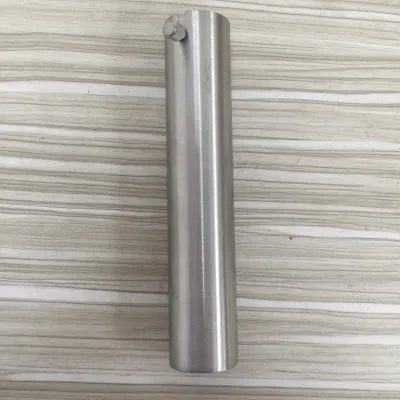
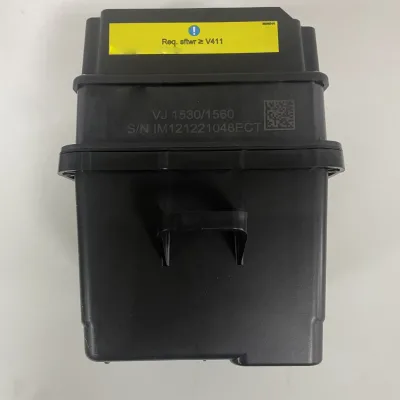
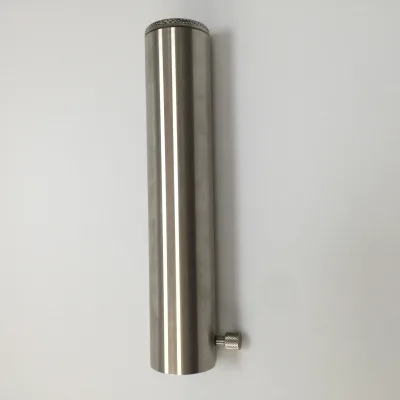
Docod Print Head Cover for Kgk 3100e Inkjet Printer Spare Parts (Compatible)
$95.24 - $142.86
MOQ: 1 Pieces


Inkjet Printer White Ink Tank Inkjet Printer Industrial Inkjet Printer
$1899.00 - $2199.00
MOQ: 1 Pieces


Comprehensive Sourcing Guide
Strategic Sourcing Guide for Inkjet Printer Covers and Printhead Components
The procurement of inkjet printer covers, specifically printhead assemblies and protective components, represents a critical operational decision for industrial printing facilities. These components are not merely cosmetic; they are essential for maintaining the precision, longevity, and safety of continuous inkjet (CIJ) and thermal foam coding machines. For buyers navigating the global market, understanding the nuanced differences between original equipment manufacturer (OEM) parts and compatible alternatives is vital. This guide synthesizes available market data to provide a structured approach to sourcing these specialized components, ensuring that procurement strategies align with technical requirements and operational continuity.
Technical Specifications and Component Classification
When evaluating inkjet printer covers, buyers must first distinguish between the specific classification of the component. The market data indicates a clear segmentation between complete machines and discrete spare parts. While some listings refer to "Large Character Inkjet Printers" or "Thermal Foam Coding Machines" as the primary product, the specific keyword focus here is on the cover and printhead assembly. Technical specifications often vary significantly based on the model number. For instance, specific listings identify models such as "KB-SHN1580" or part numbers like "399404" and "397550." These identifiers are crucial for ensuring compatibility.
The physical attributes of these components also play a significant role in logistics and installation. Observed weight data suggests a wide range, from lightweight covers weighing approximately 0.2 kg to heavier assemblies or related machine parts reaching up to 33 kg. This variance implies that the "cover" may refer to a small protective cap or a larger assembly unit depending on the specific machine architecture. Furthermore, the "Automatic Grade" is frequently listed as "Manual," indicating that while the printer itself may be automated, the installation or maintenance of these specific covers often requires manual intervention by trained technicians. Buyers should verify the "Printing Type," which is predominantly "digital printing" or "Inkjet Printer" compatible, to ensure the cover fits the specific ink delivery system of their existing machinery.
Compliance Standards and Certification Verification
In the industrial printing sector, compliance is a non-negotiable aspect of procurement. The supplied context highlights "CE" as a recurring standard for certain products. This certification indicates conformity with health, safety, and environmental protection standards for products sold within the European Economic Area. However, buyers must exercise caution. While CE is listed as a standard for some items, other entries mention a standard value of "0.4," which likely refers to a specific technical parameter rather than a broad certification. It is essential not to assume that every listed product possesses a full suite of certifications based on a single mention.
Buyers should verify the "Condition" of the product against these standards. Listings often specify "100% new Original" or "Alternative" conditions. An "Alternative" part may still meet functional requirements but might not carry the original manufacturer's certification. The "Shelf life" of these components is another critical compliance factor, with some data points indicating a shelf life of up to 2 years. This duration affects inventory management and procurement planning. When evaluating suppliers, request documentation that explicitly links the specific part number to the CE mark or other relevant safety standards, rather than relying on general product descriptions.
Cost Drivers and Pricing Dynamics
The pricing landscape for inkjet printer covers is highly variable, reflecting the diversity of the product range. Observed price ranges in the market span from $10 to $34,700. This massive disparity is not indicative of a single product type but rather encompasses the entire spectrum from small, individual spare parts to complete printhead assemblies or even full machine units that might be misclassified in search results. For a specific "printhead cover" or "Print head cover assy spare," the cost will likely be at the lower end of this spectrum, whereas a full "continuous inkjet printer printhead cover" assembly could approach the higher figures.
Several factors drive these costs. The "Condition" is a primary driver; "100% new Original" parts command a premium over "Alternative" or compatible parts. The "Model Number" specificity also influences price; proprietary parts for older or specialized machines often cost more due to lower production volumes. Additionally, the "Packaging" method, whether "Bag," "Carton," or "Wooden Standard," adds to the logistical cost, especially for heavier items. Buyers should be wary of prices that seem abnormally low, as they may indicate used parts or incompatible models. The "Selling Units" are typically listed as "Single item," which allows for flexible purchasing but requires careful calculation of total cost of ownership, including shipping and potential downtime costs.
Typical Applications and Operational Context
Understanding where these components are deployed helps in selecting the right specifications. The "Usage" field in the data points to a broad industrial application, including "Food," "Drug," "Daily Industrial," and "Chemical Products." This versatility means that the Inkjet Printer Cover must withstand various environmental conditions, from the humidity of food processing plants to the chemical exposure in industrial manufacturing. The "Working Patterns" are noted as "On-Line," suggesting that these components are designed for continuous operation in high-speed production lines where downtime is costly.
The "Application of Classification" further clarifies that these parts are integral to "Large Character Inkjet Printers." These machines are often used for coding and marking on packaging, where legibility and durability are paramount. The "Print head cover assy spare" is specifically designed to protect the delicate printhead from ink splatter, dust, and mechanical damage. In sectors like pharmaceuticals, the integrity of the print head is critical for regulatory compliance regarding product labeling. Therefore, the procurement of a cover is not just a maintenance task but a quality assurance measure. Buyers should ensure that the selected component is compatible with the specific "Ink" supplies used in their facility, as ink viscosity and chemical composition can affect the wear and tear on the cover and printhead.
Supplier Evaluation and Procurement Logistics
Evaluating suppliers for these specialized components requires a focus on reliability and logistical capability. The "Place of Origin" is consistently listed as "China," with specific regions like "Guangdong" frequently mentioned. While this provides a geographic baseline, buyers should not rely solely on origin but rather on the supplier's track record. The "Delivery time" varies significantly, with some listings offering "around 3 days" or "Within 3-10 Days," while others specify "3-5 Days." This variability underscores the importance of confirming lead times before placing an order, especially for critical spare parts needed to prevent production stoppages.
Payment terms are another area of scrutiny. The data lists "TT, Western Union, Paypal Ect" as accepted methods. While these offer flexibility, they also vary in security and buyer protection. For high-value transactions, such as those approaching the upper end of the price range, buyers should prefer secure methods like Telegraphic Transfer (TT) with clear terms. The "MOQ" (Minimum Order Quantity) is generally low, often "1pcs" or "1PC," which is advantageous for small businesses or those needing a single replacement part. However, buyers should verify if bulk purchasing offers any cost benefits. Shipping methods are diverse, including "DHL, EMS, UPS, TNT, FedEx," ensuring global reach. Buyers must factor in shipping costs and transit times, especially for heavy items like the 33kg units, which may require specialized freight services.
Quality Control and Long-Term Procurement Strategy
Quality control is paramount when sourcing inkjet printer covers. The "Feature" of "100% Compatible" is a common claim, but it requires verification. Buyers should request sample parts or detailed compatibility charts before committing to large orders. The "Weight" of the component, ranging from 0.2 kg to 5 kg for specific parts, can also serve as a quality indicator; significant deviations from standard weights may suggest inferior materials or manufacturing defects. The "Color" is often listed as "Self-designe," indicating that customization is available, which can be useful for branding or identification purposes but requires clear communication with the supplier.
For long-term procurement, establishing a relationship with a reliable supplier is essential. The "Warranty" period, often cited as "1 Year," provides a safety net for defective parts. Buyers should ensure that the warranty terms are clearly defined and cover the specific component in question. Additionally, the "Customization" availability allows for tailored solutions, which can be beneficial for unique machine configurations. However, customization may extend lead times and increase costs. Buyers should plan their inventory strategy around the "Shelf life" of the components to avoid obsolescence. By maintaining a strategic stock of critical covers and printhead assemblies, organizations can mitigate the risk of production delays. Regular audits of supplier performance, including delivery consistency and product quality, will ensure a stable supply chain for these vital industrial components.
Conclusion
Sourcing inkjet printer covers and printhead components requires a meticulous approach that balances technical specifications, compliance standards, and logistical realities. The market offers a wide array of options, from single-item replacements to full assemblies, with prices and lead times varying significantly. By focusing on verified model numbers, understanding the specific industrial applications, and rigorously evaluating supplier credentials, buyers can secure high-quality components that ensure the continued efficiency of their printing operations. The key to successful procurement lies in detailed verification of every claim, from the CE standard to the specific weight and condition of the part, ensuring that the final selection meets the rigorous demands of modern industrial printing.
FAQs
What is the shelf life of inkjet printer covers?
The shelf life is up to 2 years for specific spare parts. This duration affects inventory management and procurement planning for industrial facilities.
Which certifications are available for these components?
CE certification is listed as a standard for certain products. Buyers must verify documentation linking the specific part number to this safety mark.
How long does delivery take for these parts?
Delivery times vary from around 3 days to within 10 days depending on the supplier. Buyers should confirm specific lead times before placing orders.
Can I find these covers with a minimum order of one?
Yes, the minimum order quantity is often 1 piece for single items. This allows flexible purchasing for small businesses needing a single replacement part.
Where are these inkjet printer covers manufactured?
The place of origin is consistently listed as China, specifically Guangdong. Buyers should verify supplier track records beyond just the geographic baseline.
What is the weight range for these spare parts?
Weights range from 0.2 kg for covers to 33 kg for heavier assemblies. This variance implies different component sizes depending on the machine architecture.