Source Inkjet Printer Drop Ball Viscometer for Packaging, Manufacturing, Retail
Compare 30 listings for the Inkjet Printer Drop Ball Viscometer from verified suppliers. Buyers can evaluate prices, MOQs, and delivery times for CIJ inkjet printer applications in packaging and manufacturing sectors; compare the available evidence and request quotations based on your requirements.
Key considerations
Products List
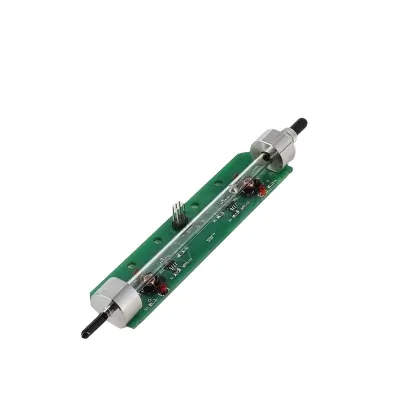
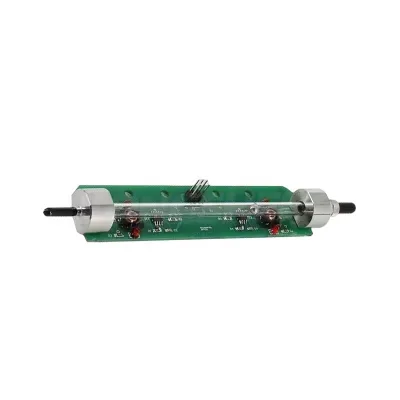

Docod Drop Ball Viscosimeter for Leibinger Sk2/Sk4/Sk6 Cij Ink Jet Printer Accessories
$230.80 - $346.20
MOQ: 1 Pieces

GB54-002900s Drop Ball Viscosimeter for Sk2/Sk4/Sk6 Cij Ink Jet Printer
$125.00 - $129.00
MOQ: 12 Pieces


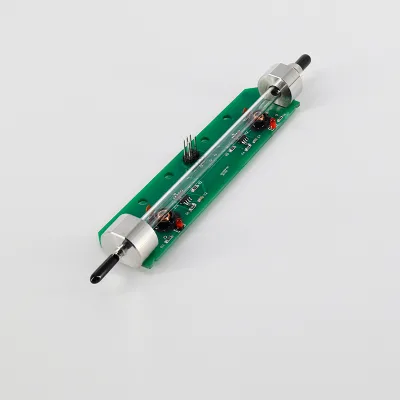


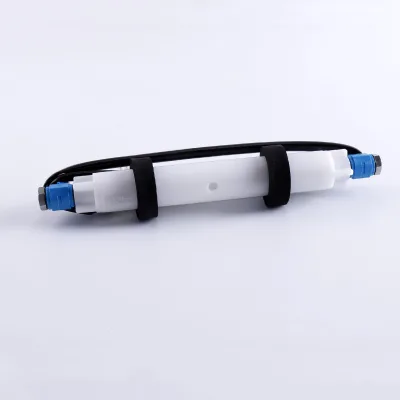
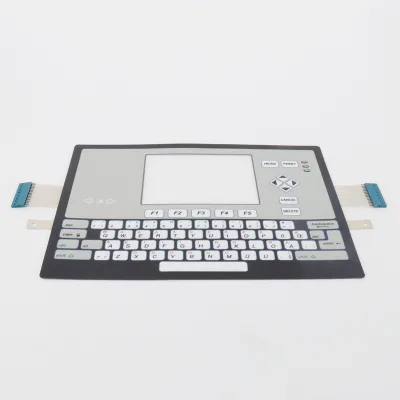

Digital Rotary Viscometer Rotating Viscometer High Viscosity Viscometer
$900.00 - $1500.00
MOQ: 1 Pieces

Ink Viscosity Meter Intelligent Inkometer Ink Viscosity Test Machine
$1000.00 - $3000.00
MOQ: 1 Pieces

Gear1200 rpm Inkometer Ink Viscosity tester meter ink stickiness testing machine
$1000.00 - $3000.00
MOQ: 1 Pieces

$50000.00 - $250000.00
MOQ: 1 Sets


Comprehensive Sourcing Guide
Inkjet Printer Drop Ball Viscometer Sourcing Guide
Procuring a drop ball viscometer for continuous inkjet (CIJ) systems requires precise alignment with printer manufacturer specifications to ensure consistent ink flow and print quality. Buyers must recognize that these instruments are not generic laboratory tools but specialized components designed for specific industrial printing environments. The primary objective is to maintain ink viscosity within tight tolerances, preventing nozzle clogging or splatter during high-speed operation. Sourcing decisions should prioritize compatibility with established brands like Leibinger, which dominate the CIJ market, to guarantee seamless integration with existing production lines.
The market offers a variety of models, including those identified by codes such as 54-002900 and GB54-002900S, which are often marketed as replacements or upgrades for legacy systems. Buyers should verify that the selected viscometer matches the exact mechanical and electrical interfaces of their CIJ printer. While some listings suggest broad applicability, the core function remains the measurement of solvent-based ink properties. Understanding the specific operational context, whether for packaging or manufacturing, helps in selecting the right unit that supports continuous quality control without disrupting the production workflow.
Product Scope and Observed Listing Signals
Current market listings indicate a wide price range, from approximately one to two hundred fifty thousand USD, reflecting differences in model sophistication, brand reputation, and included accessories. The minimum order quantity (MOQ) is typically low, often starting at just one piece, which allows for easy sampling and initial testing before committing to larger volumes. This flexibility is crucial for procurement teams that need to validate performance in their specific ink formulations before scaling up orders. The low MOQ also facilitates rapid replacement of worn-out units, minimizing downtime in critical printing operations.
Shipping terms frequently cite FOB Guangzhou, indicating that many suppliers are based in Guangdong, China, a major hub for industrial equipment manufacturing. Delivery times are often advertised as rapid, with some suppliers promising shipment within two to three working days after payment receipt. This speed is advantageous for urgent maintenance needs, though buyers should confirm actual logistics capabilities. The observed single package weight varies, with some units listed at 0.2 kg and others at 1.0 kg, suggesting differences in packaging density or included calibration tools. Buyers must carefully review these logistical details to plan inventory and storage effectively.
Technical Specifications to Verify
The model number is a critical identifier, with common variants including 54-002900, 451619, and KB-PL2876. Buyers must cross-reference these codes with their printer’s manual to ensure exact compatibility, as even minor deviations can lead to measurement errors. The type is generally classified as a viscometer, specifically designed for CIJ inkjet printers, and often uses solvent ink as the medium for testing. It is essential to confirm that the device is new and intended for use with Leibinger or compatible CIJ systems, as generic viscometers may not provide the necessary precision for industrial inkjet applications.
Physical specifications such as single package size, typically around 18x12x10 cm or 15x12x10 cm, help in planning storage and handling. The gross weight is another key factor, with listings showing weights of 0.2 kg, 0.3 kg, or 1.0 kg, which may indicate different packaging standards or included accessories. Buyers should verify the power requirements and interface type, although these details are often omitted in general listings. Ensuring that the viscometer’s measurement range aligns with the specific viscosity of the solvent ink used in the production line is vital for accurate quality control and consistent print performance.
Compliance and Safety Documentation
Safety certifications are a primary concern when sourcing industrial equipment, with RoHS compliance frequently cited in product listings. This certification ensures that the device is manufactured without certain hazardous substances, which is important for environmental compliance and worker safety in manufacturing plants. Buyers should request official RoHS certificates from suppliers to verify that the viscometer meets international environmental standards. Additionally, checking for other relevant safety marks, such as CE or UL, can provide further assurance of the product’s electrical and mechanical safety, especially if the device operates at higher voltages or includes complex electronic components.
Quality documentation is equally important, with some suppliers offering warranties of three months or one year. A longer warranty period often indicates higher confidence in the product’s durability and performance. Buyers should also inquire about the availability of calibration certificates, which are essential for maintaining accurate viscosity measurements over time. The absence of video outgoing inspections in some listings suggests that buyers may need to rely on third-party inspection services or detailed photographic evidence before shipment. Verifying the supplier’s quality control processes helps mitigate the risk of receiving defective or non-compliant units.
Cost Drivers and Commercial Terms
Payment terms vary, with options including T/T, Western Union, and PayPal, offering flexibility for different buyer preferences and risk tolerances. Buyers should consider the security of each payment method, with T/T being common for larger orders and PayPal offering buyer protection for smaller transactions. The cost of the viscometer is influenced by factors such as brand reputation, model complexity, and included accessories. While some listings suggest customization is available, buyers should clarify the extent of this customization and any associated costs or lead time extensions.
Shipping and delivery costs are additional factors that impact the total procurement cost. Suppliers often use express couriers like DHL or FedEx for faster delivery, which can be more expensive but reduces downtime. Buyers should negotiate shipping terms carefully, considering whether FOB or other Incoterms apply, and factor in potential customs duties and taxes. The observed delivery time of within three working days is attractive, but buyers should confirm if this applies to stock items or requires production time. Understanding the total cost of ownership, including maintenance and calibration, is essential for making informed procurement decisions.
Supplier Qualification and Quality Control
Supplier qualification is critical, especially when sourcing from regions with a high concentration of manufacturers, such as Guangdong, China. Buyers should verify the supplier’s business scope, ensuring they specialize in packaging industry equipment or CIJ printer components. Checking for online support services after the warranty period is another important factor, as ongoing technical assistance can be valuable for troubleshooting and maintenance. Buyers should also assess the supplier’s responsiveness and ability to provide detailed product information, which indicates their professionalism and reliability.
Quality control measures should be clearly defined, with buyers requesting detailed specifications and performance data before placing orders. The availability of customization options suggests that suppliers may be able to tailor products to specific buyer needs, but this requires clear communication and agreement on technical parameters. Buyers should also consider the supplier’s track record and customer feedback, if available, to gauge their reputation in the market. Establishing a clear quality assurance protocol, including acceptance criteria and return policies, helps protect the buyer from receiving substandard products.
Long-Term Procurement Checks
Long-term procurement success depends on establishing a reliable supply chain for viscometers and related components. Buyers should consider the availability of spare parts and consumables, such as solvent ink, to ensure continuous operation. The warranty period, whether three months or one year, should be factored into the total cost of ownership, with longer warranties providing greater peace of mind. Buyers should also monitor changes in product models and specifications, as manufacturers may update their devices to improve performance or comply with new regulations.
Regular review of supplier performance is essential, with buyers tracking delivery times, product quality, and after-sales support. Building a relationship with a trusted supplier can lead to better pricing, priority service, and access to new products. Buyers should also stay informed about industry trends and technological advancements in CIJ printing, which may influence future procurement decisions. By maintaining a proactive approach to supplier management and quality control, buyers can ensure the long-term reliability and efficiency of their printing operations.
FAQs
What is the warranty period for this Inkjet Printer Drop Ball Viscometer?
The warranty period is typically 3 months for new units, though some listings offer 1 year of coverage. This support ensures initial reliability for CIJ inkjet printer applications. Buyers should verify the specific warranty terms with the supplier before purchase to confirm whether the standard 3-month or extended 1-year option applies to their order.
Can I customize the Inkjet Printer Drop Ball Viscometer for my specific needs?
Yes, customization is available for this viscometer model. Suppliers indicate that custom options can be arranged to meet specific customer demands. This flexibility allows businesses in the packaging industry to tailor the device for their unique CIJ inkjet printer setups, ensuring better integration and performance for their specific operational requirements and workflow constraints.
What is the minimum order quantity for this Inkjet Printer Drop Ball Viscometer?
The minimum order quantity is 1 piece for this item. This low MOQ allows buyers to purchase single units for testing or immediate replacement needs. It is particularly useful for maintenance teams in manufacturing plants who need to quickly replace a faulty viscometer without committing to a large bulk order, reducing initial procurement costs.
How fast is the delivery time for this Inkjet Printer Drop Ball Viscometer?
Delivery is typically within 2-3 workdays after receiving payment. Some sources also mention shipping within 3 working days via DHL or FedEx. This rapid turnaround supports urgent operational needs in the packaging industry, ensuring that CIJ inkjet printer maintenance can proceed without significant delays caused by long manufacturing or shipping lead times.
What certifications does this Inkjet Printer Drop Ball Viscometer hold?
The product holds ISO and RoHS certifications. These standards indicate compliance with international quality and environmental regulations. This certification status provides assurance for buyers in the global market that the viscometer meets specific safety and material requirements, making it suitable for use in regulated manufacturing environments and retail packaging applications worldwide.
Where is this Inkjet Printer Drop Ball Viscometer manufactured?
This viscometer is manufactured in Guangdong, China. The place of origin is clearly stated as China for this product line. Buyers sourcing from this region benefit from established supply chains in the packaging industry, though they should consider shipping terms like FOB Guangzhou when calculating total landed costs for their specific international logistics requirements.