Source Insert Holder for Cutting Tools, Grinding, and Helmet Lamps
Explore 30 verified Insert Holder options tailored for machining steel, polishing, and helmet lamp applications. Buyers can compare specifications like material, coating, and size to find the right fit for their industrial needs.
Key considerations
Products List


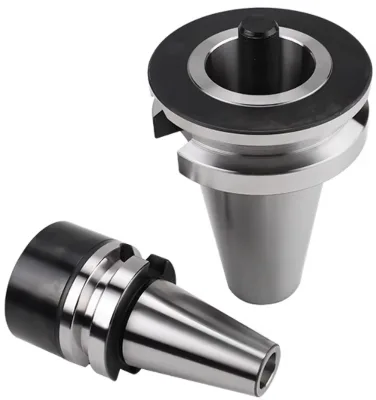


Comprehensive Sourcing Guide
Strategic Sourcing Guide for Insert Holders in Industrial Manufacturing
Procuring insert holders represents a critical decision point for manufacturing operations seeking to optimize cutting efficiency, tool life, and overall production costs. The Insert Holder serves as the mechanical interface between the machine tool spindle and the cutting insert, dictating the stability, precision, and safety of the machining process. Buyers must navigate a complex landscape of specifications, material compositions, and certification requirements to ensure that the selected components align with their specific operational demands. This guide provides a structured approach to evaluating insert holders based on verified product attributes, technical standards, and supply chain reliability.
Technical Specifications and Model Variations
The foundation of a successful procurement strategy lies in a precise understanding of technical specifications. Insert holders are not monolithic products; they vary significantly in model numbers, dimensions, and geometric configurations. Based on available market data, specific model identifiers such as 2700, 2710, 2720, 5300, and NWN-BH375F are frequently encountered in the supply chain. These alphanumeric codes often denote specific series designed for particular machining operations or machine tool compatibility.
Dimensional accuracy is paramount. The physical size of the holder must match the required cutting parameters. Observed specifications indicate that insert holders are available in various sizes, including standardized measurements like 1", 2", and 3", as well as compact "Small" variants. The choice of size directly influences the rigidity of the setup and the maximum depth of cut achievable. Furthermore, the hole configuration is a critical variable; buyers must determine whether the application requires a holder with a through-hole for coolant delivery or a solid design without a hole.
The geometric design of the holder is equally important. The clearance angle, which affects chip flow and cutting forces, is available in a range of classifications including a, B, C, D, E, F, G, N, P, and O. Selecting the correct clearance angle ensures optimal performance for the specific workpiece material. Additionally, the corner radius, typically ranging from 0.2 to 3.2 mm, plays a vital role in surface finish quality and tool edge strength. A smaller radius allows for finer finishes and sharper corners, while a larger radius enhances durability for roughing operations. The types of inserts compatible with these holders, such as Cnmg, Dnmg, Tnmg, Wnmg, and Ccgt, must be verified to ensure mechanical compatibility and secure locking within the holder body.
Material Composition and Surface Engineering
The durability and performance of an Insert Holder are heavily dependent on the base material and any applied surface treatments. While the cutting insert itself is often made of carbide or ceramic, the holder body requires high strength and wear resistance. Stainless steel is a common material choice for holder bodies, offering excellent corrosion resistance and structural integrity. In some specialized contexts, ceramic materials may be utilized for specific high-temperature applications, though this is less common for the holder body itself compared to the insert.
Surface engineering is a key differentiator in the market. Advanced coating technologies such as PVD (Physical Vapor Deposition) and CVD (Chemical Vapor Deposition) are frequently applied to enhance the holder's performance. These coatings reduce friction, improve heat resistance, and extend the service life of the tooling system. Buyers should verify the presence and type of coating when evaluating potential suppliers, as uncoated holders may suffer from premature wear or heat-related failure in high-speed machining environments. The quality of the material and the consistency of the coating process are essential factors that directly impact the total cost of ownership.
Compliance, Certification, and Quality Standards
Navigating the regulatory landscape is a non-negotiable aspect of B2B procurement. Suppliers must provide verifiable evidence of compliance with international and industry-specific standards. The market data indicates that certifications such as CE, GS, and ISO 9001 are prevalent among reputable manufacturers. These certifications serve as third-party validations of the supplier's quality management systems and product safety. Specifically, ISO 9001 certification suggests a commitment to consistent quality control processes, while CE marking indicates conformity with health, safety, and environmental protection standards for products sold within the European Economic Area.
Beyond general certifications, specific product standards must be checked. Some listings reference SGS standards or customized standard requirements, indicating that the product may be tailored to meet specific client needs or industry benchmarks. Buyers should also be aware of the distinction between general quality claims and verified certifications. While terms like "High Quality" are common marketing descriptors, they should be substantiated by documented test results or recognized certification bodies. The presence of a certification like ISOCE or adherence to specific standard codes (e.g., KG) should be confirmed through direct communication with the supplier to ensure authenticity.
Cost Drivers and Supply Chain Economics
Understanding the cost structure of insert holders is essential for budgeting and negotiation. The price range for these components is broad, observed from $0.06 to $1000, reflecting the vast difference between standard, off-the-shelf models and highly specialized, custom-engineered solutions. Several factors drive these price variations. First, the material cost of stainless steel or specialized alloys fluctuates with global market conditions. Second, the complexity of the manufacturing process, including the application of PVD/CVD coatings and the precision of machining tolerances, significantly impacts the final price.
Minimum Order Quantity (MOQ) is another critical economic factor. The observed MOQ range spans from 0 to 500 units, offering flexibility for both small-batch prototyping and large-scale production runs. Suppliers with lower MOQs may charge a premium per unit due to the setup costs associated with smaller batches. Conversely, bulk purchasing can leverage economies of scale to reduce the unit cost. The supply ability of the manufacturer, with some capable of producing up to 50,000 pieces per month, indicates their capacity to handle large orders without significant delays. Buyers should also consider logistics costs, as shipping from origins in Shanghai, Zhuzhou City, Zhengzhou, or Wuhan to international ports like Qingdao, Tianjin, Ningbo, or Guangzhou will affect the landed cost.
Typical Applications and Operational Context
Insert holders are designed for a wide array of machining applications, and selecting the right one requires matching the tool to the workpiece material. The data indicates that these holders are suitable for machining steel, cast iron, stainless steel, and aluminum. The specific application dictates the required holder geometry and material properties. For instance, machining stainless steel often requires a holder with a specific clearance angle and a robust design to handle the work-hardening nature of the material.
The intended machining operation—whether it is roughing, semi-finishing, or finishing—also influences the choice of holder. Roughing operations demand high rigidity and a larger corner radius to withstand heavy cutting forces, while finishing operations prioritize precision and surface finish, often utilizing smaller corner radii. Additionally, the holder must be compatible with the specific machine tool and the cutting insert type (e.g., Cnmg, Dnmg). In some specialized cases, such as steel polishing and grinding, specific holders like disc holders or straight grinder attachments are required. The versatility of the holder, including its ability to accommodate different insert types and its adaptability to various workpiece materials, is a key consideration for buyers seeking to maximize tooling utility.
Supplier Evaluation and Quality Control Protocols
Evaluating a supplier involves more than just reviewing a product catalog; it requires a deep dive into their manufacturing capabilities and quality assurance processes. Buyers should verify the supplier's origin, as production hubs in China, such as Shanghai, Zhuzhou City, Zhengzhou, and Wuhan, have distinct industrial ecosystems. The location can influence lead times, shipping logistics, and the availability of skilled labor. Furthermore, the supplier's ability to offer customization is a significant advantage. Many manufacturers provide OEM services and accept customized requests for packing, dimensions, and specifications, allowing buyers to tailor the product to their exact needs.
Quality control is the backbone of reliable procurement. Buyers must insist on rigorous inspection protocols before shipment. This includes verifying the tolerance class, which is specified as "H" in some contexts, ensuring that the dimensional accuracy meets the required standards. The packaging method is also a critical aspect of quality control, as it protects the product during transit. Common packaging options include plastic interior boxes with standard export exteriors, K/D (knock-down) with cartons, or paper boxes. The packaging must be robust enough to prevent damage, especially for precision tools that are sensitive to impact and vibration.
Long-Term Procurement Considerations and Strategic Sourcing
Sourcing insert holders is not merely a transactional activity but a strategic initiative that impacts long-term operational efficiency. Buyers should consider the total cost of ownership, which includes not only the purchase price but also the cost of tool changes, downtime, and scrap rates caused by tool failure. A higher-quality holder with a longer service life may have a higher upfront cost but can result in significant savings over time. The availability of customization, such as logo printing (or the lack thereof) and specific packing requests, can also add value by streamlining inventory management and branding.
Furthermore, the supply chain's resilience is a critical factor. Suppliers with a high supply ability and flexible MOQs can better adapt to fluctuations in demand. Buyers should establish clear communication channels regarding lead times and delivery schedules to avoid production disruptions. The acceptance of OEM services and the ability to produce customized standards indicate a supplier's willingness to partner with the buyer for long-term success. By focusing on these strategic elements, buyers can build a robust supply chain that supports their manufacturing goals and ensures consistent access to high-quality insert holders.
Summary of Key Selection Criteria
To facilitate decision-making, the following table summarizes the critical attributes buyers should verify when sourcing insert holders:
| Attribute Category | Key Verification Points |
|---|---|
| Model & Size | Verify specific model numbers (e.g., 2700, 5300, RCGN120700) and size (1", 2", 3", Small). |
| Geometry | Check clearance angle (a-O), corner radius (0.2-3.2 mm), and hole configuration (with/without). |
| Material & Coating | Confirm base material (Stainless Steel, Ceramic) and coating type (PVD/CVD). |
| Certifications | Require valid CE, GS, ISO 9001, or SGS documentation. |
| Application | Ensure compatibility with workpiece materials (Steel, Cast Iron, Stainless Steel, Aluminum). |
| Supply & Logistics | Verify supply ability (e.g., 50,000 pcs/month), origin (Shanghai, Zhuzhou, etc.), and packaging. |
| Customization | Confirm availability of OEM, logo printing options, and custom packing. |
By adhering to these guidelines and rigorously verifying each specification against the supplier's documentation, buyers can secure high-performance insert holders that enhance their machining operations and drive long-term value.
FAQs
What certifications do Insert Holder manufacturers typically provide?
Reputable manufacturers provide CE, GS, and ISO 9001 certifications for their insert holders. These documents verify compliance with international safety and quality management standards. Some suppliers also offer customized standards or SGS verification upon request to meet specific client requirements.
Which materials are used to manufacture insert holders?
Insert holders are commonly manufactured from stainless steel to ensure corrosion resistance and structural integrity. Some specialized variants may utilize ceramic materials for high-temperature applications. The material choice directly impacts the tool's durability and suitability for different machining environments.
Can I request customization for Insert Holder packaging and branding?
Yes, customization is available for packaging and branding on insert holders. Buyers can request specific packing methods like plastic interior boxes with export exteriors or K/D cartons. Logo printing options vary, with some suppliers offering without logo printing or custom branding upon agreement.
What is the typical supply capacity for Insert Holder manufacturers?
Manufacturers typically have a supply ability of up to 50,000 pieces per month. This capacity supports large-scale production runs while maintaining consistent quality. Buyers should verify specific lead times and production schedules to ensure the supplier can meet their volume requirements.
How are insert holders packaged for international shipping?
Insert holders are packaged using methods like plastic interior boxes with standard export exteriors or K/D cartons. Some suppliers also use paper boxes depending on the specific order requirements. The packaging is designed to protect precision tools from damage during transit and handling.
Which machining operations are compatible with these insert holders?
These holders are compatible with finish, semi-finish, and roughing machining operations. They are designed to work with various workpiece materials including steel, cast iron, stainless steel, and aluminum. The specific geometry must match the intended cutting application for optimal performance.
What is the minimum order quantity for Insert Holder purchases?
The minimum order quantity ranges from zero to 500 units depending on the supplier. Lower MOQs allow for small-batch prototyping, while bulk orders leverage economies of scale. Buyers should confirm specific MOQs with vendors to align with their production planning needs.