Source Insecticide for Crop Protection, Storage, and Structural Use
Compare 30 Insecticide options from verified manufacturers offering liquid and powder formulations. Buyers can evaluate specifications like purity, packaging, and toxicological effects for agricultural and industrial applications.
Key considerations
Products List




Comprehensive Sourcing Guide
Strategic Sourcing Guide for Insecticide Procurement
Understanding Product Variants and Technical Specifications
When initiating a procurement strategy for insecticides, buyers must first navigate the diverse technical landscape presented by available inventory. The market offers products with distinct physical forms and chemical classifications, each tailored to specific agricultural or industrial needs. Based on current market observations, the primary physical forms include liquids and powders. Liquid formulations are frequently observed in colors ranging from yellow to black, while powder variants present as distinct particulate matter. The source of these active ingredients varies significantly, with some products derived from organic synthesis and others sourced from botanical origins. This distinction is critical for buyers targeting specific sustainability goals or regulatory compliance regarding synthetic versus natural inputs.
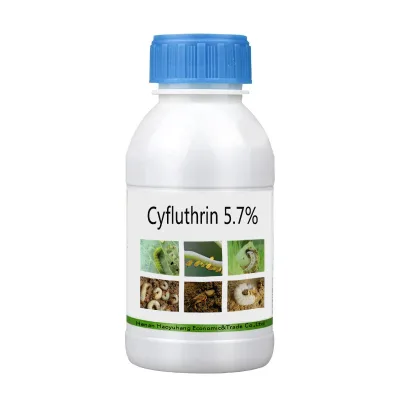
The mode of action is another fundamental specification that dictates application strategy. Insecticides in the current supply pool operate via two primary mechanisms: contact and systemic action. Contact insecticides function by direct interaction with the pest upon application, whereas systemic insecticides are absorbed by the plant and distributed internally, offering protection against pests that feed on plant sap. Furthermore, the toxicological profile of these products ranges from nerve poisons to breathing agents, necessitating a careful review of safety data sheets before selection. Specific chemical models such as Abamectin, Cyfluthrin, and various coded formulations like XH-BCM-Y or H-XC-1S indicate specialized chemical compositions. Purity levels also vary, with observations of 5% purity in some formulations and up to 95% in technical concentrates (TC), alongside specific concentration levels like 50g/L or 5.7% EC.
Compliance, Certification, and Regulatory Standards
Navigating the regulatory landscape is a non-negotiable aspect of sourcing insecticides. Buyers must verify that suppliers hold recognized international certifications to ensure product legitimacy and safety. The current market data indicates that compliant manufacturers often possess ISO9001 certification, alongside verification from bodies such as BV and SGS. These certifications serve as a baseline for quality management systems and product consistency. Additionally, specific chemical identifiers are essential for regulatory tracking. For instance, certain products carry an EINECS number (e.g., 269-855-7) and a CAS number (e.g., 68359-37-5), which are mandatory for customs clearance and safety documentation in many jurisdictions.
Organizational affiliations also play a role in compliance verification. Suppliers may be associated with organizations such as Icama, Cac, and Cccmc, which can indicate a level of industry standing or adherence to specific sector protocols. Buyers should treat these affiliations as indicators of potential reliability but must independently verify the current status of these memberships. Furthermore, the availability of full dossiers is a high-confidence fact for many suppliers in this category. These dossiers typically contain comprehensive data on toxicology, environmental impact, and efficacy, which are crucial for meeting local agricultural regulations. Without these documents, the risk of non-compliance increases significantly, potentially leading to shipment seizures or legal liabilities.
Cost Drivers and Pricing Dynamics
The pricing structure for insecticides is influenced by a complex interplay of factors, including formulation type, purity, packaging requirements, and order volume. The observed price range in the market spans from $0.99 to $125 USD, a wide variance that reflects differences in product concentration, brand value, and packaging complexity. Low-cost items often correspond to bulk raw materials or lower-purity formulations, while higher-priced items may include specialized branded products, custom packaging, or higher purity technical concentrates.
Minimum Order Quantity (MOQ) is a significant cost driver. The observed MOQ range extends from 1 unit to 2,000 units. For small-scale buyers or those testing new formulations, the ability to order low quantities is essential, though the unit price may be higher. Conversely, large-scale agricultural operations can leverage economies of scale by ordering in bulk, often targeting the 200kg, 500kg, or 1000kg packaging standards observed in the market. Packaging specifications also impact cost; standard options include bottles of 50ml, 100ml, 200ml, 250ml, and 1L, as well as larger bulk containers. Customized packaging, while potentially more expensive per unit, can reduce logistics costs and improve product handling efficiency. Buyers should request detailed cost breakdowns to understand how much of the price is attributed to the active ingredient versus packaging and logistics.
Typical Applications and Formulation Selection
Selecting the correct Insecticide requires aligning the product's mode of action and formulation with the specific pest pressure and crop type. Contact insecticides are ideal for immediate knockdown of visible pest populations, making them suitable for emergency interventions or crops with heavy infestations. Systemic insecticides, on the other hand, provide longer-lasting protection and are particularly effective against sucking insects that are difficult to reach with sprays. The formulation type, such as Emulsifiable Concentrate (EC), Wettable Powder (WP), or Technical Concentrate (TC), determines the method of application and the required mixing equipment.
The physical state of the product also influences application. Liquid formulations are generally easier to mix and apply via standard sprayers, while powders may require specialized equipment to prevent dust inhalation and ensure even distribution. Specific applications are noted for different models; for example, some products are classified as nematicides, targeting nematodes in the soil, while others are broad-spectrum insecticides. Buyers must also consider the shelf life, which is typically observed to be between 2 to 3 years when stored properly. Proper storage conditions, such as keeping products in a cool and dry place, are vital to maintaining efficacy throughout the procurement cycle.
Supplier Evaluation and Operational Capabilities
Evaluating potential suppliers requires a deep dive into their operational capabilities and business model. The majority of suppliers in this sector are manufacturers, which often implies better control over quality and pricing compared to trading companies. However, buyers should verify the specific location of production, as origins vary from Shanghai and Bozhou in Anhui province to other regions in Henan, China. The geographic location can impact lead times and shipping costs.
A critical aspect of supplier evaluation is their flexibility regarding customization. Many suppliers offer customized designs for labels and packaging based on client requirements, which is essential for private labeling or meeting specific regional branding standards. The ability to provide OEM/ODM services further indicates a supplier's capacity to adapt to unique buyer needs. Buyers should also assess the supplier's support structure, specifically their willingness to provide full dossiers and technical support. A supplier that offers comprehensive documentation and is willing to engage in technical discussions demonstrates a commitment to partnership and risk mitigation.
Quality Control and Packaging Standards
Quality control is paramount in the Insecticide sector to ensure product efficacy and safety. Buyers should verify that suppliers adhere to strict packaging standards that prevent leakage and contamination. Observed packaging standards include specific bottle sizes and bulk container configurations such as 1L*12 bottles or large drums of 200kg, 500kg, and 1000kg. The single package size for certain items is noted as 35x25x30 cm, which is useful for logistics planning and warehouse space optimization.
Customization of packing is a common feature, allowing buyers to request specific configurations that suit their distribution channels. However, this flexibility must be balanced with quality assurance. Buyers should ensure that the chosen packaging material is compatible with the chemical formulation to prevent degradation or reaction. Storage instructions, such as keeping products in a cool and dry place, must be clearly communicated on the packaging to ensure the product maintains its shelf life. Regular quality audits and third-party testing, supported by certifications like SGS and BV, should be part of the procurement process to maintain consistent product quality.
Long-Term Procurement Considerations
Sourcing insecticides is not merely a transactional activity but a strategic long-term partnership. Buyers must consider the stability of the supply chain, including the supplier's ability to maintain consistent production volumes and quality over time. The availability of full dossiers and ongoing support suggests a supplier's readiness to handle long-term contracts and regulatory changes. Additionally, the customization capabilities of the supplier allow for brand development and market differentiation, which are crucial for long-term growth.
Buyers should also monitor the evolving regulatory landscape, as standards for insecticides are frequently updated. Suppliers who are proactive in maintaining certifications like ISO9001 and staying updated with chemical standards (e.g., EINECS, CAS) are better positioned to support buyers through regulatory shifts. Finally, the economic viability of the procurement must be assessed in the context of the total cost of ownership, including storage, handling, and potential waste. By selecting suppliers with robust quality control, flexible customization, and strong compliance records, buyers can secure a reliable supply of effective insecticides that meet their operational and strategic goals.
FAQs
What certifications do Insecticide manufacturers typically hold?
Compliant manufacturers often possess ISO9001 certification, alongside verification from bodies such as BV and SGS. These certifications serve as a baseline for quality management systems and product consistency required for international trade.
How can buyers customize packaging for Insecticide orders?
Many suppliers offer customized designs for labels and packaging based on client requirements. This flexibility allows buyers to request specific configurations like bottles or bulk drums to suit their distribution channels and branding needs.
Which physical forms are available for Insecticide products?
The market offers products with distinct physical forms including liquids and powders. Liquid formulations are frequently observed in colors ranging from yellow to black, while powder variants present as distinct particulate matter.
Can buyers obtain full dossiers for Insecticide compliance?
The availability of full dossiers is a high-confidence fact for many suppliers in this category. These dossiers typically contain comprehensive data on toxicology, environmental impact, and efficacy, which are crucial for meeting local agricultural regulations.
What is the typical shelf life for stored insecticides?
Shelf life is typically observed to be between 2 to 3 years when stored properly. Proper storage conditions, such as keeping products in a cool and dry place, are vital to maintaining efficacy throughout the procurement cycle.
How do contact and systemic insecticides differ in action?
Contact insecticides function by direct interaction with the pest upon application, whereas systemic insecticides are absorbed by the plant. This distinction dictates application strategy for immediate knockdown versus long-lasting internal protection.
What is the observed price range for Insecticide products?
The observed price range in the market spans from $0.99 to $125 USD. This wide variance reflects differences in product concentration, brand value, and packaging complexity, with low-cost items often being bulk raw materials.