Source Instant Mustard Wasabi Paste for sushi, bento, and sauces
Find 30 listings for Instant Mustard Wasabi Paste from Chinese manufacturers. Compare prices, MOQs, and specifications for wasabi paste and powder options suitable for sushi, bento boxes, and condiment applications.
Key considerations
Products List




Comprehensive Sourcing Guide
Strategic Sourcing Guide for Instant Mustard Wasabi Paste
The global demand for authentic Asian condiments has driven a significant expansion in the procurement of Instant Mustard Wasabi Paste. For B2B buyers, navigating this market requires a granular understanding of product variations, regulatory landscapes, and supply chain logistics. Unlike fresh wasabi, which is perishable and expensive, instant variants offer a stable, cost-effective alternative that mimics the pungent profile of the root through mustard and horseradish derivatives. This guide synthesizes available product data to provide a framework for evaluating suppliers, ensuring quality, and managing procurement risks for Instant Mustard Wasabi Paste.
Technical Specifications and Product Formulations
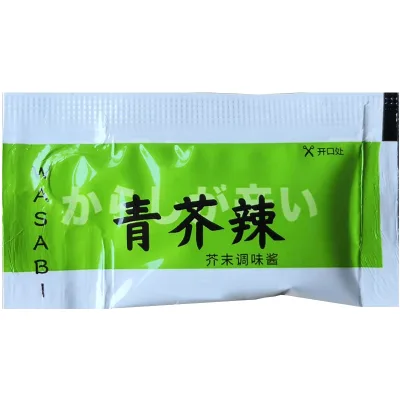
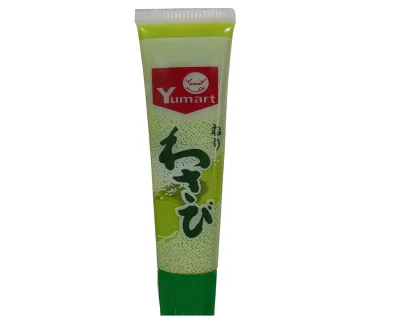
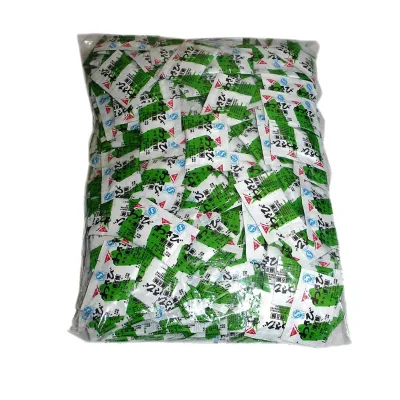
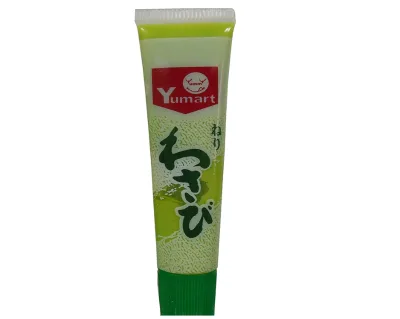
The first step in sourcing is defining the precise technical specifications required for your application. The market for instant wasabi is bifurcated into paste and powder forms, each serving distinct operational needs. Based on observed product attributes, the paste form is typically characterized by a "Pasty" or "Tube Packing" structure, often packaged in sachets or tubes for direct application. These products frequently list "Mustard" and "Horseradish Powder" as primary ingredients, with a specific "Brix" level indicating sugar content and viscosity. For instance, observed data indicates Brix levels ranging from 10% to 15%, which directly influences the sweetness and texture of the final sauce.
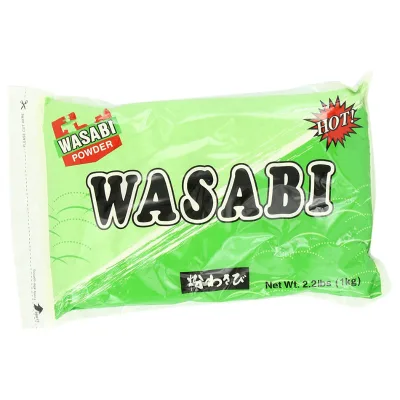
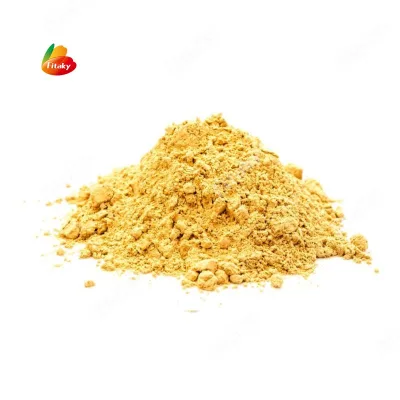
Conversely, the powder form, often labeled as "Wasabi Paste Powder," offers superior shelf stability and reduced shipping weight. These powders are designed to be reconstituted with water to create a paste, a process noted in instructions as "making wasabi paste." The physical form of these powders is distinct, with a "Light Green" or "Green" coloration that mimics the natural root. Buyers must verify the "Single package size" and "Single gross weight" to calculate logistics costs accurately. Observed specifications show single package sizes varying from 22x19x16 cm to 30x26x29 cm, with gross weights ranging from 1.500 kg to 1 kg per unit. The "Specification" field often denotes the net weight per serving, such as 2.5g or <100g, which is critical for portion control in food service applications.
| Attribute Category | Paste Form Characteristics | Powder Form Characteristics |
|---|---|---|
| Primary Form | Pasty, Tube Packing | Powder, Granular |
| Packaging | Sachet, Tube, Bag | Bag, Carton |
| Reconstitution | Ready-to-use | Requires water addition |
| Color Profile | Green | Light Green |
| Typical Brix | 15% | 10% |
| Shelf Life | 12 Months | 12-24 Months |
Compliance and Certification Verification
In the international food trade, compliance is non-negotiable. Buyers must rigorously verify that suppliers possess the necessary certifications to operate in their target markets. The supplied data highlights specific certifications such as HALAL, ISO, and HACCP. These are not merely marketing terms but indicators of a supplier's adherence to hygiene, safety, and religious dietary standards. HALAL certification is particularly vital for markets in the Middle East and Southeast Asia, ensuring the product contains no prohibited ingredients. ISO and HACCP certifications suggest a systematic approach to food safety management, reducing the risk of contamination.
Beyond these general certifications, buyers should scrutinize the "Feature" attributes listed by suppliers. Common claims in this sector include "Zero Additives," "Organic," "Non-GMO," "Vegetarian," and "Grain-Free." While these attributes are observed in the product data, they represent specific product lines rather than universal standards for all instant wasabi. A buyer must request current, valid certificates for these claims from the supplier. For example, if a product claims "No Additives," the supplier must provide a declaration of composition and potentially third-party lab results confirming the absence of preservatives or artificial colorants.
Furthermore, the "Place of Origin" is a critical compliance factor. Most observed data points to "Anhui, China" or generally "China" as the manufacturing location. While China is a major hub for condiment production, buyers must ensure that the specific facility meets the import regulations of their destination country. This includes verifying that the "Manufacturer" name, such as "cmark" or "CMARK FOODS," is registered and authorized for export. Buyers should also check for any specific food safety standards required by their local authorities, such as FDA registration for the US market or EFSA compliance for Europe, which may not be explicitly listed in the general product summary.
Cost Drivers and Pricing Dynamics
Understanding the cost structure of Instant Mustard Wasabi Paste is essential for budgeting and margin analysis. The observed price range in the market spans from $0.23 to $55 USD, a variance that reflects differences in packaging, formulation, and order volume. The "MOQ" (Minimum Order Quantity) is a primary driver of unit cost, with observed ranges extending from 1 to 100,000 units. Suppliers typically offer tiered pricing, where higher volumes significantly reduce the cost per unit.
Several factors influence the final landed cost. First, the packaging format plays a role; tube packing or sachet packaging often incurs higher manufacturing costs compared to bulk powder bags. Second, the "Shelf Life" impacts inventory holding costs. Products with a 24-month shelf life, such as certain powder variants, allow for longer storage and potentially lower logistics frequency compared to 12-month paste products. Third, the "Customization" availability can add to the cost. If a buyer requires private labeling or specific flavor adjustments, the supplier may charge a setup fee or a higher unit price.
Buyers should also consider the "Single gross weight" and "Single package size" when calculating freight costs. Heavier or bulkier packages increase shipping expenses, which can erode margins if not factored into the initial price negotiation. The "Selling Units" designation, whether sold as a single item or in bulk cartons, also affects the administrative overhead of the procurement process. A comprehensive cost analysis must include the base price, MOQ constraints, packaging premiums, and logistics expenses to determine the true cost of goods sold.
Typical Applications and Usage Scenarios
The versatility of Instant Mustard Wasabi Paste makes it suitable for a wide array of applications, primarily centered around Japanese cuisine and fusion food. The "Usage" field in product data frequently cites "Sushi Sauce" and "Sushi Flavoring," indicating its primary role as a condiment for raw fish dishes. However, the "Flavor" profile, described as "Spicy Flavor" or "Spicy," extends its utility beyond sushi. It is commonly used as a dipping sauce for tempura, a marinade for grilled meats, or an ingredient in dressings and sauces for salads and noodles.
The "Instruction for use" provides critical guidance for end-users. For paste products, the instruction is often simply "mini wasabi paste," implying immediate application. For powder products, the instruction is "making wasabi paste," requiring the user to mix the powder with water to achieve the desired consistency. This distinction is vital for food service operators who need to decide between convenience and flexibility. A restaurant with high volume might prefer ready-to-use paste to reduce labor time, while a catering service might opt for powder to save on storage space and shipping weight.
The "Style" of the product, often noted as "Japanese Style," suggests a specific flavor profile that aligns with traditional expectations. However, the "Kind" is broadly categorized as "Condiment & Seasoning," allowing for adaptation in non-traditional dishes. Buyers should evaluate how the "Taste" and "Color" of the product align with their menu requirements. The "Green" or "Light Green" color is a visual cue for freshness, which is important for consumer perception. Additionally, the "Brix" level can influence the sweetness balance, which may need to be adjusted for specific regional palates or recipe formulations.
Supplier Evaluation and Quality Control
Selecting the right supplier requires a multi-faceted evaluation process that goes beyond price and MOQ. The "Manufacturer" name and "Brand Name" (e.g., CMARK FOODS) should be verified for their reputation and production capacity. Buyers should request a facility audit or a detailed questionnaire regarding their production lines, quality control protocols, and supply chain resilience. The "Address" and "Place of Origin" must be cross-referenced with the supplier's business license to ensure legitimacy.
Quality control is paramount, especially given the sensitivity of food products to storage conditions. The "Storage" requirement is consistently listed as "Dry Place" or "cool and dry," indicating that the product is susceptible to moisture and heat. Buyers must ensure that the supplier's logistics partners can maintain these conditions during transit. For products with a "Shelf Life" of 12 to 24 months, the supplier should provide batch-specific test results to verify that the product meets the claimed specifications at the time of shipment.
Key quality metrics to verify include the "Primary Ingredient" purity, the "Additives" content, and the physical consistency of the product. For paste products, the "Form" must be consistent, and for powder, the "Shape" and solubility must be uniform. Buyers should also check for the "Feature" claims such as "Zero Additives" or "Non-GMO" through independent testing. The "Specification" field, which may list details like "43g" or "2.5g," must match the actual product delivered to avoid discrepancies in portion control. A robust quality control plan should include pre-shipment inspections and post-arrival testing to ensure compliance with all agreed-upon standards.
Long-Term Procurement and Supply Chain Resilience
Sourcing Instant Mustard Wasabi Paste is not a one-time transaction but a long-term partnership that requires strategic planning. The "Customization" availability is a key factor for long-term growth, allowing buyers to adapt products to changing market trends or specific customer preferences. As the market evolves, buyers may need to adjust their formulations for health trends, such as reducing sodium or increasing organic content. Suppliers who offer flexible customization can support these shifts more effectively than those with rigid product lines.
Supply chain resilience is another critical consideration. The "Lead time" and "MOQ" ranges observed (1 to 100,000 units) suggest that suppliers can accommodate both small test orders and large-scale production runs. However, buyers should establish contingency plans for potential disruptions, such as raw material shortages or logistical delays. The "Shelf Life" of the product allows for strategic stockpiling, but buyers must balance inventory costs with the risk of expiration. A "12-23 Months" shelf life offers flexibility, but it requires careful inventory management to ensure product freshness.
Finally, buyers should monitor the "Keywords" and market trends associated with the product. Terms like "Wasabi Paste Powder" and "Sushi Sauce" indicate the product's positioning in the market. Staying informed about these trends helps buyers anticipate demand fluctuations and adjust their procurement strategies accordingly. By maintaining open communication with suppliers and conducting regular performance reviews, buyers can build a resilient supply chain that ensures consistent quality and availability of Instant Mustard Wasabi Paste for their operations.
FAQs
What certifications do Instant Mustard Wasabi Paste suppliers hold?
Suppliers typically hold HALAL, ISO, and HACCP certifications to ensure food safety and religious compliance. These certifications verify adherence to hygiene standards and allow access to specific international markets requiring Halal compliance.
How is the shelf life of instant wasabi paste determined?
Shelf life ranges from 12 to 24 months depending on the product form and packaging. Paste variants often last 12 months, while powder forms may extend to 24 months when stored in cool and dry conditions.
Which ingredients are primary in Instant Mustard Wasabi Paste?
Mustard and horseradish powder serve as the primary ingredients to replicate the pungent flavor of fresh wasabi. Some formulations may also include additives, though zero-additive options are available for specific dietary requirements.
Can buyers customize the packaging and specifications of wasabi paste?
Yes, customization is available for packaging formats and product specifications. Buyers can select from sachets, tubes, or bulk bags with varying net weights like 2.5g or 43g to suit their operational needs.
What is the typical price range for sourcing instant wasabi paste?
The observed price range spans from 0.23 to 55 USD per unit depending on volume and form. Pricing varies significantly based on the Minimum Order Quantity and whether the product is a ready-to-use paste or a powder.
How does the Brix level affect the taste of wasabi paste?
Brix levels between 10% and 15% influence the sweetness and viscosity of the final sauce. Higher Brix values generally result in a sweeter profile, which impacts the overall flavor balance in sushi applications.