Source Dried Whole Coptis Chinensis Rhizome for Tea, Food, and Herbal Use
Find 30 listings for Dried Whole Coptis Chinensis Rhizome sourced from China. Compare specifications including slice or whole forms, yellow color, and cultivation origins to identify suitable suppliers for herbal tea, food, and traditional applications; compare the available evidence and request quotations based on your requirements.
Key considerations
Products List
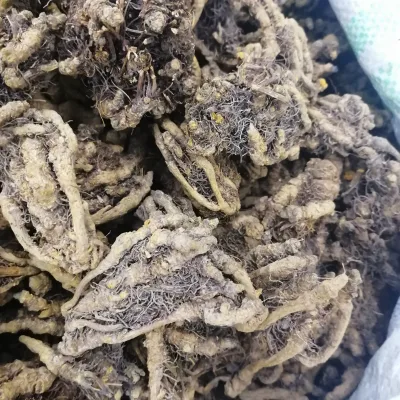
Ji Zhua Huang Lian Raw Dried Coptis Chinensis Rhizome for Medical Use
$65.00 - $75.00
MOQ: 1 kilograms
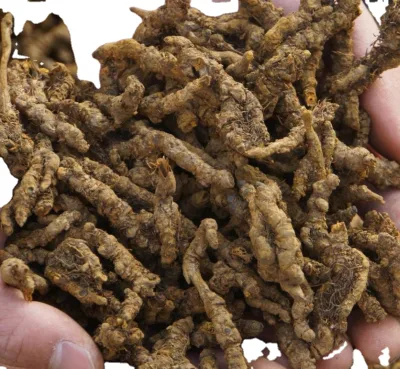
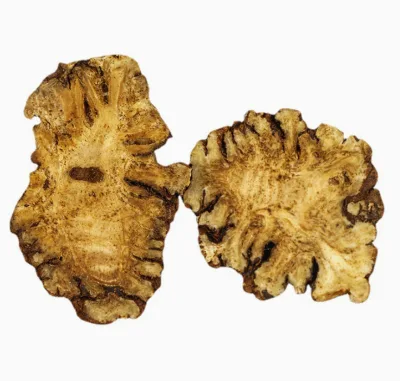
High Grade Raw Dried Ligusticum Wallichii Rhizome Slices for Chinese Herbal Herb
$17.00 - $29.00
MOQ: 1 kilograms
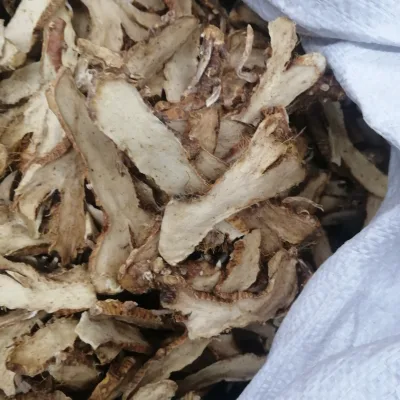
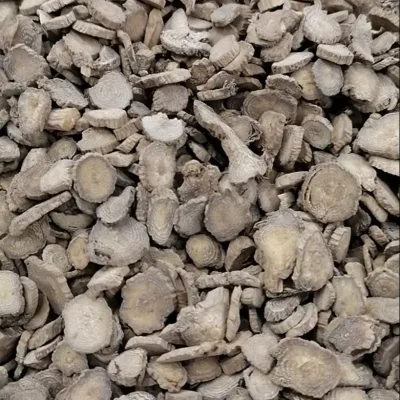
Chuan Niu Xi Natural raw dried Cyathula officinalis rhizome segments for herbs
$10.25 - $23.57
MOQ: 1 kilograms




Comprehensive Sourcing Guide
Dried Whole Coptis Chinensis Rhizome Sourcing Guide
Buyers must first distinguish between the specific botanical varieties available, as listings often conflate Coptis chinensis with Coptis rhizome or Dictamnus angustifolius. The observed market data indicates a primary focus on Coptis chinensis Franch roots, frequently labeled as "huang lian" or "rhizoma coptidis," which are cultivated rather than wild-harvested. This distinction is critical because the chemical profile and therapeutic potency vary significantly between these species, and misidentification can lead to procurement of inferior or incorrect botanical material for specific herbal formulations.
Procurement teams should also scrutinize the physical form, as the supply chain offers both sliced and whole pieces despite the core keyword specifying "whole." While some listings explicitly state "Whole" or "Piece," others offer "Whole/sliced" options, and a few contain conflicting descriptions like "roo bark" or "root bark" which may indicate mislabeled Dictamnus products. Verifying the exact part used and the cut style is essential before placing an order, as the processing type is generally raw, but the physical presentation directly impacts extraction efficiency and final product consistency.
Product Scope and Observed Listing Signals
The observed product range reveals a significant variance in origin locations, with suppliers listing Gansu, Guangxi, and Chongqing as places of origin, all within China. This geographic diversity suggests that while the botanical species is consistent, the terroir and cultivation practices differ across regions, potentially influencing the color and bitterness profile of the final rhizome. Buyers should treat these location claims as observations of supply chain diversity rather than guarantees of uniform quality, requiring specific verification of the harvest region to ensure alignment with their quality standards.
Listing signals also highlight inconsistencies in packaging and weight specifications that buyers must navigate carefully. While the single gross weight is frequently cited as 1.000 kg, package dimensions vary from 22x22x22 cm to 22x33x23 cm, indicating different packing densities or container types. Furthermore, the presence of "non-organic" status in the data suggests that buyers seeking certified organic material must conduct additional due diligence, as the standard market offering appears to be conventionally cultivated. These signals serve as early warning flags for potential discrepancies between the advertised product and the actual goods received.
Technical Specifications to Verify
Verification of the botanical source is the primary technical requirement, as the data lists multiple scientific names including Coptis chinensis, rhizoma coptidis, and Dictamnus angustifolius. Buyers must confirm that the contract explicitly specifies Coptis chinensis Franch roots to avoid receiving Dictamnus root-bark, which has different pharmacological properties. The "Source" field in listings often repeats the scientific name, but the "Model Number" and "Other name" fields can be ambiguous, necessitating a direct request for the Latin binomial to ensure botanical accuracy before any transaction proceeds.
Physical attributes such as color, shape, and processing type require strict adherence to the buyer's specifications to maintain product integrity. The observed data describes the color as yellow or yellow-brown and the shape as piece or whole, with a processing type of "Raw" and a style of "Dried." Buyers should verify that the moisture content and storage conditions, noted as "cool" or "cool dry," are sufficient to prevent mold growth during transit. Additionally, the shelf life is listed as one year, which sets a clear expiration window that must be factored into inventory planning and usage schedules to ensure the material remains potent and safe for consumption.
Compliance and Safety Documentation
Safety documentation must address the specific nature of the product as a raw herb intended for tea, food, or herbal use, rather than a finished pharmaceutical. The listings indicate the product is "Non Organic," which implies that buyers seeking organic certification must request specific third-party test results proving the absence of prohibited pesticides and heavy metals. Without explicit certification data in the provided facts, procurement teams cannot assume compliance with organic standards and must treat the product as conventionally grown, requiring rigorous testing for agricultural residues before it enters the supply chain.
Regulatory compliance also hinges on the accurate declaration of ingredients and allergens, as the data lists "no" or "non" for ingredients, which is technically ambiguous for a single-ingredient product. Buyers should demand a Certificate of Analysis that clearly states the product contains only the specified rhizome without fillers or adulterants. Furthermore, the "Instruction for use" mentions tea and food, which triggers specific food safety regulations depending on the destination market. Ensuring that the supplier provides documentation aligning with local food safety laws is a mandatory step to prevent regulatory rejection at customs or retail levels.
Cost Drivers and Commercial Terms
The commercial landscape is characterized by a wide price range observed between 1 and 81.8 USD, driven by factors such as the specific variety, cut style, and packaging size. This volatility suggests that price is not a reliable indicator of quality without detailed specification matching, as a lower price might reflect a smaller package size or a different cut rather than a lower quality of the rhizome itself. Buyers must normalize their cost analysis by comparing unit prices per kilogram rather than total lot prices to avoid being misled by varying package dimensions and gross weights.
Minimum Order Quantities (MOQ) present another variable, with observed ranges from 1 to 100 units and specific listings stating an MOQ of 1kg. This flexibility allows for smaller trial orders but requires careful calculation of logistics costs, as shipping a single kilogram may be disproportionately expensive compared to bulk shipments. The "Selling Units" are listed as single items, which can complicate bulk purchasing strategies if the supplier does not offer tiered pricing for larger volumes. Procurement teams should negotiate based on the total annual volume to secure better rates and mitigate the impact of high per-unit shipping costs on small orders.
Supplier Qualification and Quality Control
Supplier qualification requires verifying the manufacturer details, as the data lists entities such as "Bozhou swanf" and addresses in Bozhou, China, a known hub for herbal trade. However, the presence of multiple addresses and varying place of origin claims (Gansu, Guangxi, Chongqing) indicates a complex supply chain where the listed manufacturer may be a trader rather than the cultivator. Buyers should request proof of direct cultivation or a verified supply chain map to ensure the product originates from the claimed region and to assess the stability of the source against seasonal or regional disruptions.
Quality control protocols must be established to address the "Feature" of the product being "Natural and bitter," which is a key sensory indicator of potency. Since the data does not provide specific test results, buyers must implement incoming quality checks to verify the bitterness profile and color consistency against a reference standard. The "Storage Type" requirement of cool or cool dry conditions must be strictly monitored during transit to prevent degradation. Establishing a clear acceptance criteria for visual defects, moisture levels, and microbial counts is essential to maintain the integrity of the raw herb throughout the procurement process.
Long-Term Procurement Checks
Long-term procurement success depends on monitoring the shelf life and storage stability of the product over time, as the listed shelf life is one year. Buyers should implement a first-expiry-first-out (FEFO) inventory system to ensure that older stock is utilized before it degrades, particularly since the product is dried and stored in cool conditions. Regular re-testing of stored inventory is necessary to confirm that the "cool" storage requirement has been maintained and that the product has not developed mold or lost potency due to improper handling during the storage period.
Sustainability and supply continuity checks are also vital given the "cultivation" status of the product, which suggests a reliance on agricultural cycles. Buyers should assess the supplier's ability to maintain consistent yields year-over-year and their practices regarding soil health and crop rotation. The variability in place of origin suggests that a single-source strategy carries risk, and diversifying suppliers across different regions like Gansu or Guangxi can mitigate the impact of regional crop failures. Continuous engagement with suppliers to understand their cultivation practices ensures a stable supply of high-quality rhizome for future production needs.
FAQs
What is the origin of the dried Coptis chinensis rhizome?
The dried Coptis chinensis rhizome originates from multiple regions in China, including Gansu, Guangxi, and Chongqing. These areas provide the specific cultivation conditions necessary for producing high-quality roots. The product is sourced directly from these Chinese locations to ensure authenticity and traceability for international buyers seeking reliable herbal ingredients.
How is the Coptis chinensis root processed and packaged?
The root is processed as a raw, dried product available in both whole and sliced forms. It is packaged in single units with dimensions around 22x22x22 cm or 22x33x23 cm. The gross weight per package is approximately 1.000 kg, ensuring secure transport while maintaining the integrity of the yellow or yellow-brown rhizome pieces during shipping.
Can I buy Coptis chinensis rhizome in bulk with low MOQ?
Yes, you can purchase this herb with a minimum order quantity starting from 1 kg. The flexible MOQ allows buyers to test quality before committing to larger volumes. This low entry point supports small businesses and researchers who need precise quantities for herbal tea, food applications, or further processing without excessive initial inventory costs.
What are the storage requirements for dried Coptis chinensis rhizome?
The dried rhizome should be stored in a cool, dry place to preserve its quality and shelf life. Proper storage helps maintain the natural bitter flavor and yellow color of the roots. The product has a shelf life of one year when kept under these conditions, ensuring it remains suitable for use in herbal teas and food preparations.
What is the color and appearance of the dried Coptis chinensis root?
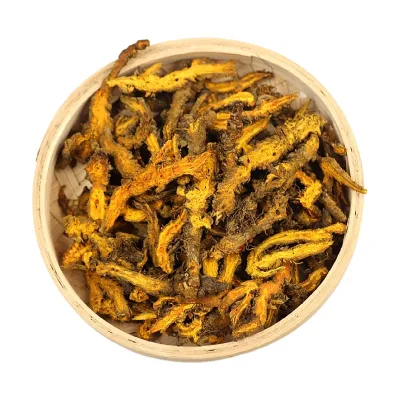
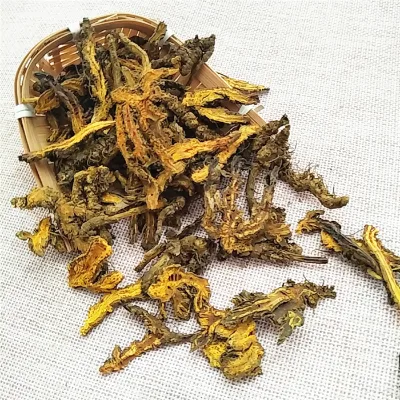
The dried Coptis chinensis root typically appears yellow or yellow-brown in color. It is available in piece or slice shapes, depending on the specific processing preference. The natural appearance reflects its non-organic cultivation status and raw processing type, providing a distinct visual characteristic that buyers can verify upon receipt of the shipment for quality assurance.