Source Thailand Style Mayonnaise for sushi, salads, and sandwiches
Find 30 Thailand Style Mayonnaise options from Chinese manufacturers. Compare specifications like 1kg and 3L packaging, BRC and HALAL certifications, and OEM availability for your food production needs. These creamy sauces are ideal for bread, vegetables, and fruits, offering versatile applications for commercial kitchens and food service providers seeking reliable supply chains.
Key considerations
Products List


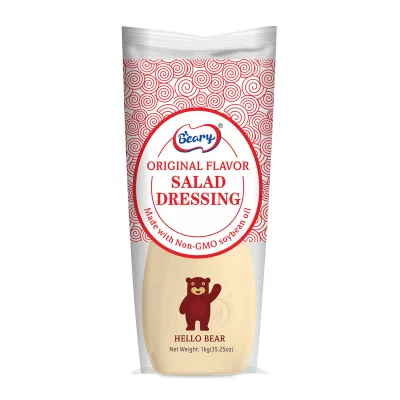
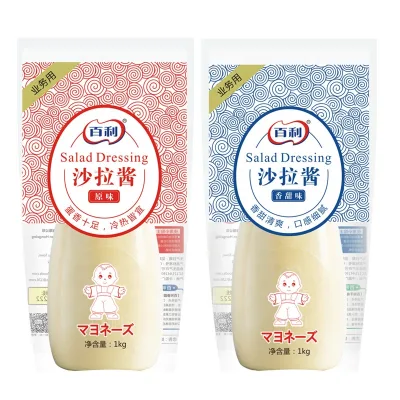
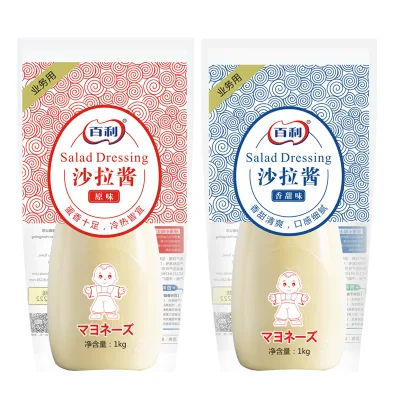
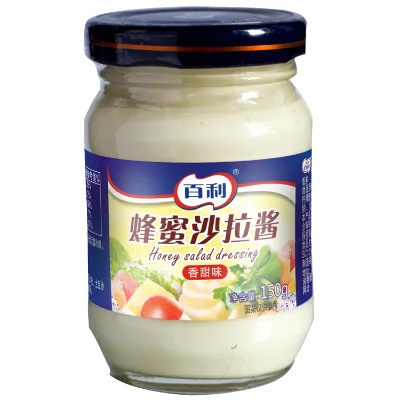
2024 Beary Real Mayonnaise Sauce Salad Mayo Dressing Manufacturers Cream Price
$13.00 - $15.00
MOQ: 100 cartons
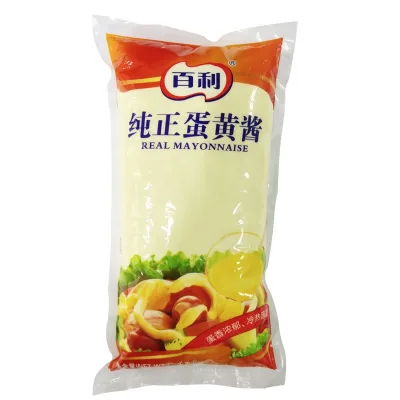
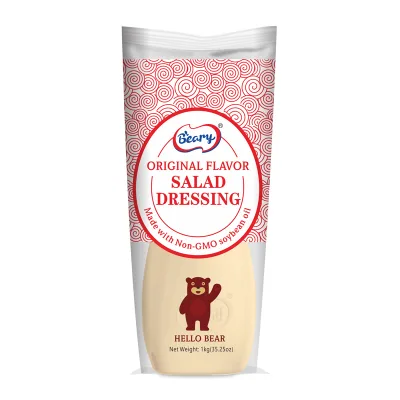


Mayonnaise Processing Machinery/Mayonnaise Production Line/Mayonnaise Machine
$20000.00 - $1000000.00
MOQ: 1 Sets


$0.50 - $1.00
MOQ: 5000 Pieces

Comprehensive Sourcing Guide
Thailand Style Mayonnaise Sourcing Guide
Procuring mayonnaise with a Thai-inspired profile requires a distinct approach compared to standard Western condiments. Buyers must distinguish between products that are genuinely formulated for Southeast Asian culinary applications and those that are simply generic mayonnaise marketed with regional keywords. The core challenge lies in verifying the specific flavor profile, which often involves a balance of sourness, saltiness, and oil content that differs from traditional American or European styles. This guide outlines the critical verification steps for international buyers.
The primary focus should be on the functional application of the product. Thai-style mayonnaise is frequently used in sushi, bread, vegetables, fruits, and biscuits, as indicated by typical product listings. However, the "Thai style" designation may imply specific additive profiles or texture characteristics. Buyers should not assume that a product labeled with this keyword automatically meets local regulatory or consumer taste preferences in Thailand. Instead, treat the keyword as a starting point for technical inquiry, requiring suppliers to provide detailed ingredient lists and sensory profiles to confirm alignment with your specific market requirements.
Product Scope and Observed Listing Signals
When evaluating listings for this category, observe the wide variance in packaging formats and specifications. High-confidence data indicates that packaging options include bottles, bags, bulk containers, mason jars, sachets, and tins. This diversity suggests that suppliers cater to both retail and industrial needs. For instance, some listings specify single package sizes of 32x27x26.5 cm, while others detail net weights ranging from 0.2 kg to 1 kg per unit. Buyers must clarify whether they require retail-ready units or bulk raw material, as the pricing and logistics implications differ significantly between these two scopes.
The observed price range in USD is extremely broad, spanning from 0.39 to 2,000,000, which reflects the difference between unit prices and bulk container costs. Similarly, Minimum Order Quantities (MOQ) vary from 1 to 5,000 units. This wide range indicates that the market includes both small-batch artisanal producers and large-scale manufacturers. To avoid confusion, buyers should filter listings based on their specific volume requirements. A buyer seeking 1,000 units should ignore listings with an MOQ of 5,000, while a large distributor should look for suppliers capable of handling bulk shipments. Understanding these signals helps in narrowing down the supplier pool to those who can realistically meet your operational scale.
Technical Specifications to Verify
Technical verification begins with the core ingredients. Standard mayonnaise is composed of vegetable oil, egg yolk, salt, and sugar. However, for a Thai-style variant, buyers must verify if additional flavoring agents or preservatives are included. Some listings explicitly state "No Additives," while others may include unspecified ingredients. It is crucial to request a full ingredient declaration to ensure compliance with your target market’s labeling laws. The taste is often described as "Sour" or "Original Flavor," but these terms are subjective. Requesting a sample is essential to confirm that the acidity and salt levels align with your product development goals.
Physical properties such as color and form also require attention. Observed colors include "Light Yellow" and "White," which may indicate different oil types or processing methods. The form is typically "Pasty," but the viscosity can vary. Buyers should verify the Brix percentage, with one listing indicating 3%, to ensure consistency in texture. Additionally, shelf life varies between 9 and 12 months depending on the formulation and packaging. Confirming the exact shelf life under your specific storage conditions is vital for inventory planning. Do not rely solely on the "Real Mayonnaise" label; instead, cross-reference the technical data sheet with your quality standards to ensure the product meets your specifications for stability and texture.
Compliance and Safety Documentation
Compliance documentation is a critical gatekeeper in food procurement. High-confidence facts list several certifications, including BRC, HALAL, HACCP, ISO, and BSCI. However, the presence of these certifications in a listing does not guarantee that the specific product line you are purchasing is currently certified. Buyers must request valid, up-to-date certificates for the exact facility and product batch. For example, ISO 9001 and HACCP are standard for quality management and food safety, but BRC and BSCI add layers of social and retail compliance. Verify that the certificates are issued by accredited bodies and are within their validity period.
Beyond general certifications, buyers must consider specific regulatory requirements for their destination market. If exporting to regions with strict food safety laws, ensure the supplier can provide health certificates and certificates of origin. The place of origin is often listed as Guangdong, China, or Zhuhai, China. While this is a common manufacturing hub, buyers should verify that the supplier has experience exporting to their specific country. Requesting a sample for third-party testing is a prudent step to verify that the product meets local safety standards, particularly regarding microbial limits and heavy metal content. Do not assume that a supplier’s general compliance status applies to every product they manufacture; each product line may have different regulatory hurdles.
Cost Drivers and Commercial Terms
Cost structures in this category are influenced by packaging, volume, and customization. The observed price range is vast, so buyers must understand what is included in the quoted price. Does the price include packaging, labeling, and freight? Listings often specify "Price and More Details: Pls Email or Just Call us," indicating that final pricing is negotiable and dependent on specific terms. Buyers should request a detailed quotation that breaks down unit costs, packaging costs, and shipping fees. This transparency helps in comparing suppliers accurately and avoiding hidden costs that can erode margins.
Commercial terms such as payment methods and lead times also impact the total cost of ownership. While specific lead times are not provided in the high-confidence facts, buyers should negotiate clear delivery schedules. Payment terms, such as Letter of Credit or T/T, should be aligned with the supplier’s risk profile and your cash flow needs. Customization options, such as private labeling or specific packaging designs, may incur additional costs. Verify if the supplier offers free samples, as indicated by "Free Sample: Yes," to reduce the risk of ordering a non-compliant product. By understanding these cost drivers, buyers can negotiate better terms and ensure that the total landed cost remains within budget.
Supplier Qualification and Quality Control
Qualifying a supplier involves more than just checking certifications; it requires assessing their operational capability and quality control systems. Buyers should request a factory audit report or conduct a virtual audit to verify the supplier’s production capacity and hygiene standards. The supplier’s ability to maintain consistent quality across large batches is crucial. Ask about their quality control processes, including incoming material inspection, in-process checks, and final product testing. A robust QC system minimizes the risk of receiving defective or non-compliant goods.
Additionally, evaluate the supplier’s responsiveness and communication skills. A reliable supplier should be able to provide clear answers to technical questions and respond promptly to inquiries. The fact that customization is "Available" and OEM is "Accept" suggests that the supplier is flexible and willing to work with buyers on specific requirements. However, this flexibility must be balanced with the supplier’s ability to execute these customizations without compromising quality. Request references from other buyers or case studies of similar projects to gauge the supplier’s track record. A supplier with a strong reputation for reliability and quality is more likely to be a long-term partner.
Long-Term Procurement Checks
Establishing a long-term relationship with a supplier requires ongoing monitoring and performance evaluation. Buyers should set up a scorecard to track key performance indicators such as on-time delivery, quality consistency, and responsiveness. Regular reviews help in identifying areas for improvement and ensuring that the supplier continues to meet your evolving needs. If the supplier fails to meet these standards, you should have a clear process for addressing issues and, if necessary, transitioning to an alternative supplier.
Sustainability and ethical sourcing are increasingly important considerations in long-term procurement. Verify that the supplier adheres to ethical labor practices and environmental standards. Certifications like BSCI can provide evidence of social compliance, but buyers should also conduct their own due diligence. By integrating these checks into your procurement strategy, you can build a resilient supply chain that supports your business goals and values. Regular communication and collaboration with the supplier foster a partnership that can adapt to market changes and regulatory updates, ensuring a stable and reliable supply of Thailand-style mayonnaise.
FAQs
What certifications do the mayonnaise manufacturers hold?
The manufacturers hold BRC, HALAL, HACCP, ISO, and BSCI certifications. These standards ensure food safety and quality management across production facilities. Buyers can verify these credentials when selecting suppliers for bulk orders or custom packaging requirements.
Which packaging options are available for bulk orders?
Available packaging includes bottles, bags, bulk containers, Mason jars, and sachets. Specific configurations like 1kg bottles or 3L jars are offered. Customization is available to meet specific client needs for retail or food service applications.
Can I request a free sample before placing an order?
Yes, free samples are available for potential buyers to evaluate product quality. This allows clients to test the sour taste and creamy texture before committing to larger quantities. Contact the supplier directly to arrange sample delivery details.
What is the shelf life of the mayonnaise product?
The product has a shelf life of 9 to 12 months depending on the specific model. Proper storage conditions are required to maintain freshness and quality. This duration ensures suitability for distribution and long-term inventory management.
How is the product customized for different clients?
Customization is available for branding, packaging, and specific ingredient formulations. OEM services allow clients to use their own brand names like Beary. Buyers can request tailored specifications to match their market requirements and distribution channels.
What are the minimum order quantities for this product?
Minimum order quantities range from 1 unit up to 5000 units depending on the supplier. Specific models may have different thresholds based on packaging type. Buyers should confirm exact MOQs with the manufacturer to ensure order feasibility.
Where is the mayonnaise manufactured and shipped from?
The product originates from Zhuhai and Guangdong, China. These locations serve as the primary production hubs for the mayonnaise. Shipping logistics are managed from these regions to international destinations for global distribution.