Source Dried Natural Brown Cinnamon Stick for Baking, Tea, and Spice Blends
Explore 30 listings for Dried Natural Brown Cinnamon Stick sourced from China. Compare specifications such as grade, packaging, and certifications like HACCP and ISO to find suitable suppliers for culinary and industrial applications; compare the available evidence and request quotations based on your requirements.
Key considerations
Products List


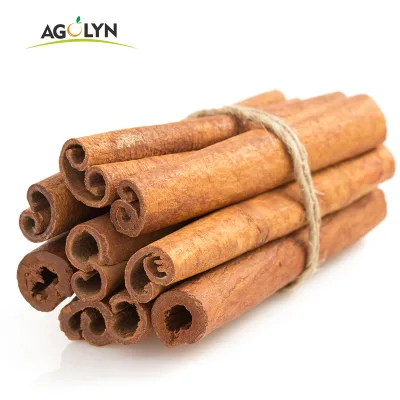
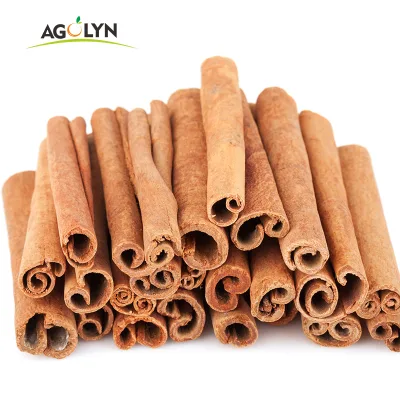
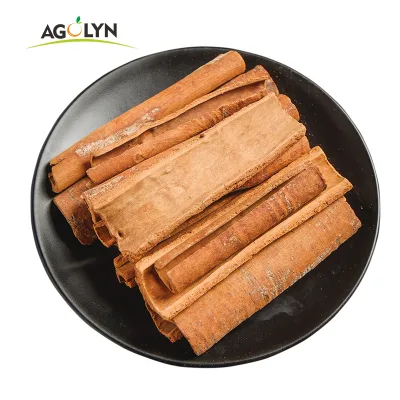
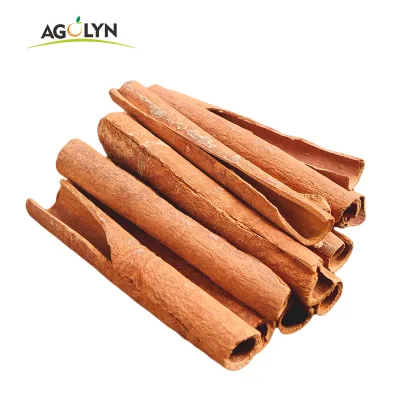
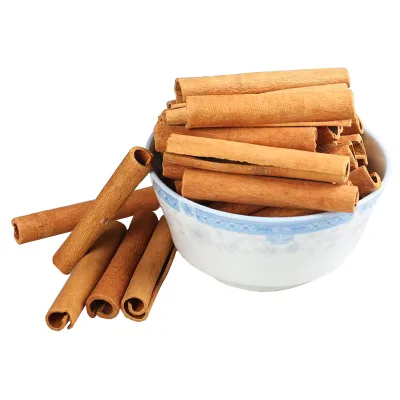
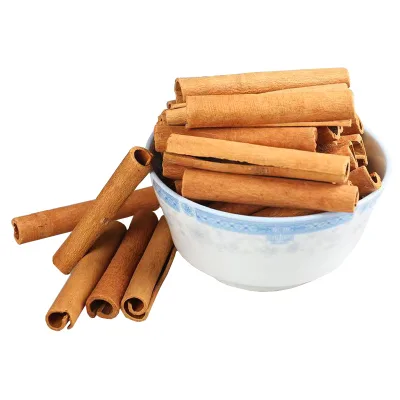
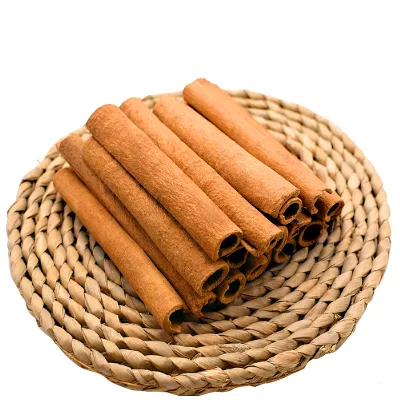
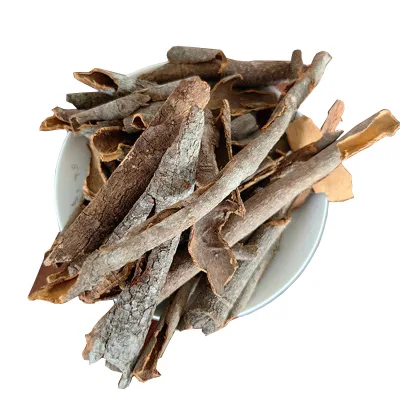
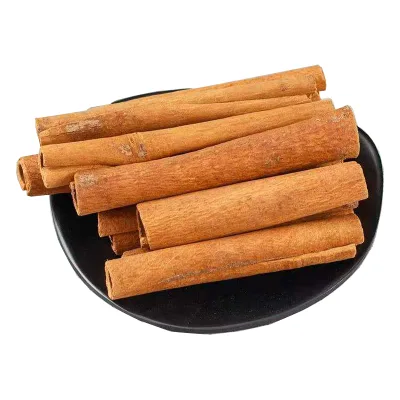


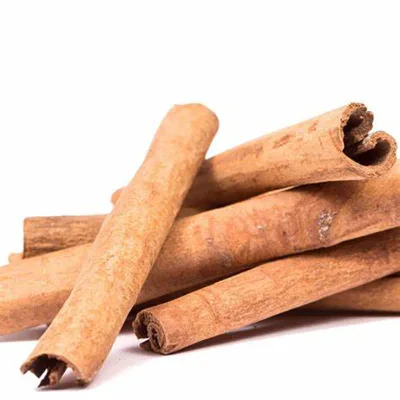


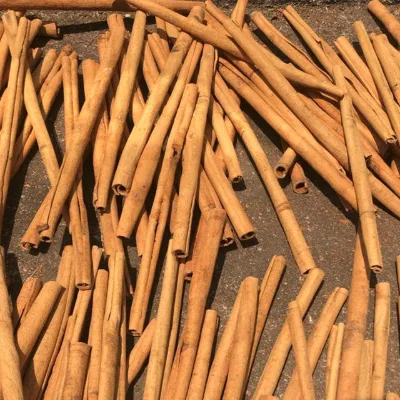
Factory Wholesale Multi-purpose Antioxidant Rich Refined Cinnamon Sticks
$2.90 - $3.60
MOQ: 100 kilograms
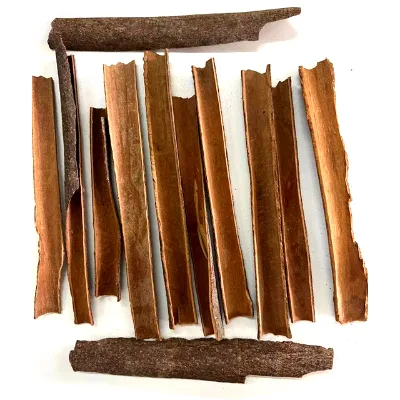
Various Good Quality Pure Organic Sun-Dried Natural Split Cinnamon for Cooking
$3.30 - $4.20
MOQ: 100 kilograms
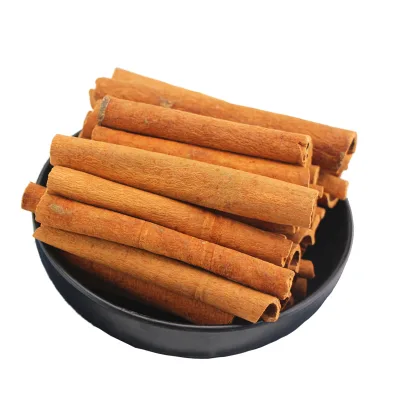
Wholesale Custom New Crop Chinese Smoked Cinnamon Dried Spicy Taste Raw Processing Type
$3.10 - $3.80
MOQ: 10 kilograms
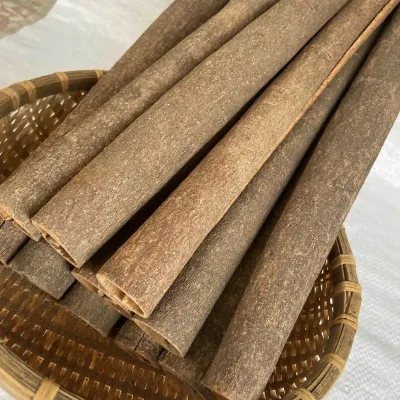
$3.19 - $3.91
MOQ: 10 kilograms
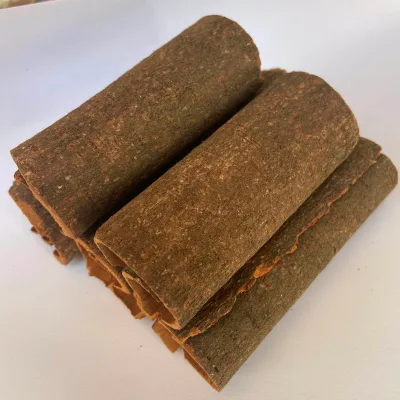

Comprehensive Sourcing Guide
Dried Natural Brown Cinnamon Stick Sourcing Guide
Procuring dried natural brown cinnamon sticks requires a disciplined approach to verifying botanical authenticity and processing integrity. Buyers must distinguish between true Ceylon cinnamon and the more common Cassia varieties, as visual cues like color and texture vary significantly. The observed market data indicates a wide price range from $1 to $5,300, reflecting differences in grade, origin, and packaging. This variance necessitates careful evaluation of supplier claims against tangible product attributes.
Sourcing decisions should prioritize suppliers who provide transparent documentation of their processing methods and storage conditions. Natural sourcing is a critical factor, ensuring that the sticks retain their essential oils and aromatic compounds without excessive chemical treatment. Buyers should request samples to assess the stick’s shape, color consistency, and flavor profile before committing to large orders. This tactile verification helps mitigate the risk of receiving inferior or adulterated products.
Product Scope and Observed Listing Signals
The current market landscape for cinnamon sticks includes various forms such as quills, broken pieces, and powder, though the focus remains on whole sticks for premium applications. Listings often highlight attributes like "Grade 1" or "Premium Grade," which suggest a selection process based on stick length, thickness, and lack of defects. However, these labels are not standardized, so buyers must define their own quality criteria. The observed presence of brands like Luckyfoods and Agolyn indicates a mix of private label and branded offerings in the global market.
Observed specifications reveal that products are often sourced from regions like Guangxi Province in China, known for its spice production. Attributes such as "Yellow" or "Red Brownish" color describe the natural variation in dried bark. Buyers should note that some listings mention specific models like "luckyfoods-0019" or "fresh-79," which may refer to internal supplier codes rather than universal standards. Understanding these listing signals helps buyers navigate the noise and identify suppliers who align with their specific quality and volume requirements.
Technical Specifications to Verify
Verifying the physical dimensions and structural integrity of the cinnamon sticks is essential for consistent packaging and usage. Specifications often include model numbers and standard grades, but buyers must confirm the actual length and diameter of the sticks. For instance, some listings mention a "20 cm" model, which provides a clear benchmark for comparison. Buyers should request detailed technical sheets that outline the acceptable tolerance for stick length and thickness to ensure uniformity in their final product.
Processing methods also play a crucial role in the final quality of the cinnamon sticks. Attributes such as "Dried" or "Baked" indicate different handling techniques that affect moisture content and flavor retention. Buyers should verify that the drying process does not compromise the essential oil content, which is vital for the stick’s aromatic potency. Additionally, checking the shelf life, often cited as 12 months, helps in planning inventory management and ensuring that the product remains fresh upon arrival.
Compliance and Safety Documentation
Compliance with international food safety standards is non-negotiable for importing cinnamon sticks. Certifications such as HACCP and ISO9001:2000 are frequently cited in listings, indicating that the supplier has implemented systematic quality management processes. Buyers must verify the validity of these certificates and ensure they cover the specific facilities producing the cinnamon sticks. This verification helps mitigate risks related to contamination, improper handling, or lack of traceability in the supply chain.
Beyond certifications, buyers should request detailed ingredient lists and allergen statements, even for single-ingredient products like cinnamon. Some listings mention "Ingredients: 0," which is ambiguous and requires clarification to ensure no additives or anti-caking agents are present. Additionally, verifying the storage type, such as "cool and dry place," ensures that the supplier maintains appropriate conditions to prevent mold growth or degradation. Clear documentation on these fronts is essential for regulatory compliance in the destination market.
Cost Drivers and Commercial Terms
Several factors influence the final cost of dried natural brown cinnamon sticks, including origin, grade, and packaging requirements. The observed MOQ range of 1 to 1000 units suggests flexibility, but larger orders often benefit from economies of scale. Buyers should negotiate terms that account for variations in stick quality and length, as these directly impact the weight-to-volume ratio. Understanding the cost structure helps in budgeting accurately and avoiding unexpected expenses due to quality discrepancies.
Packaging details also affect the overall cost, with options ranging from small retail packs to bulk cartons. Listings mention packaging like "25kgs Per Carton" or "4g per bag," which cater to different distribution channels. Buyers should specify their preferred packaging to avoid additional handling costs. Additionally, terms such as "as Required" for packing indicate customization potential, allowing buyers to tailor the packaging to their brand’s needs. Clear communication on these commercial terms ensures a smooth transaction process.
Supplier Qualification and Quality Control
Qualifying suppliers involves assessing their production capacity, quality control measures, and track record. Attributes like "Supply Ability: 100000 bags per Week" suggest robust production capabilities, but buyers should verify this through site audits or third-party inspections. Quality control processes should include regular testing for moisture content, essential oil levels, and microbial safety. Buyers should request recent test reports to ensure that the supplier consistently meets the specified quality standards.
Building a long-term relationship with a reliable supplier is crucial for maintaining product consistency. Buyers should evaluate the supplier’s responsiveness to quality issues and their willingness to collaborate on improvements. Checking references from other buyers can provide insights into the supplier’s reliability and service quality. Additionally, establishing clear communication channels ensures that any issues are addressed promptly, minimizing disruptions to the supply chain.
Long-Term Procurement Checks
Long-term procurement success depends on continuous monitoring of supplier performance and market trends. Buyers should regularly review quality metrics, such as defect rates and customer feedback, to identify areas for improvement. Staying informed about changes in regulations and standards in the destination market is also essential to ensure ongoing compliance. Proactive engagement with suppliers helps in anticipating potential issues and adapting to market shifts.
Diversifying the supplier base can mitigate risks associated with single-source dependency. Buyers should explore opportunities to source from different regions to ensure supply continuity. Additionally, investing in relationship-building activities, such as joint quality improvement projects, can strengthen partnerships. Regularly updating procurement strategies based on performance data and market insights ensures that the sourcing process remains efficient and effective over time.
FAQs
What certifications do the cinnamon sticks have?
The cinnamon sticks hold HACCP and ISO certifications. These standards ensure food safety and quality management throughout the production process. Buyers can verify these credentials when sourcing from suppliers who maintain these specific compliance levels for their spice products.
How is the product processed and stored?
The product undergoes a drying process and is stored in a cool, dry place. This method preserves the natural flavor and extends shelf life to twelve months. Proper storage conditions are essential to maintain the quality of the dried cinnamon sticks during transit and inventory.
Which customization options are available for orders?
Customization is available for packaging and product specifications. Buyers can request specific packing details like 25kg cartons or custom bag sizes. This flexibility allows suppliers to meet diverse international requirements while maintaining the core quality of the natural cinnamon sticks.
Can I find suppliers with a low minimum order quantity?
Yes, suppliers offer minimum order quantities ranging from one to one thousand units. Specific listings indicate a 500 kg MOQ for certain batches. Buyers should verify the exact MOQ with each vendor to align with their procurement volume and budget constraints.
What is the origin and grade of the cinnamon?
The cinnamon originates from Guangxi Province in China and is classified as Grade 1 or Premium Grade. This high-quality classification ensures consistent flavor and appearance. The natural source contributes to the excellent flavor profile expected in these dried brown cinnamon sticks.
How is the product packaged for shipment?
Packaging is available as required, with common options including 25kg per carton or 4g bags. Some suppliers offer OEM packaging solutions to meet specific client needs. The flexible packing details ensure the product arrives safely while adhering to the buyer's logistical preferences.