Source Integrated Cylinder Hydraulic Steer Axle for Trucks, Trailers, Semitrailers
Compare 30 Integrated Cylinder Hydraulic Steer Axle options from Shandong suppliers. View specifications including payload capacity, material, and delivery times for heavy truck and semitrailer applications. Explore models like LH-AA and LUEN-H1 with varying payload ratings and delivery windows; compare the available evidence and request quotations based on your requirements.
Updated
Key considerations
Products List
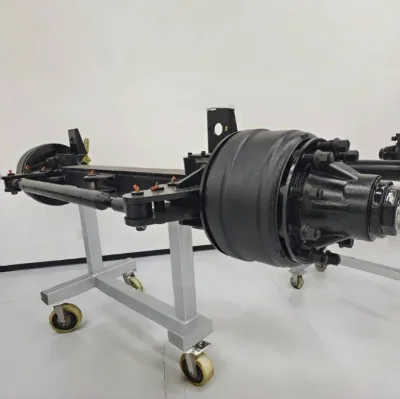
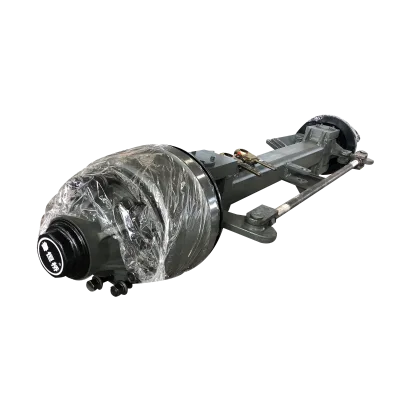
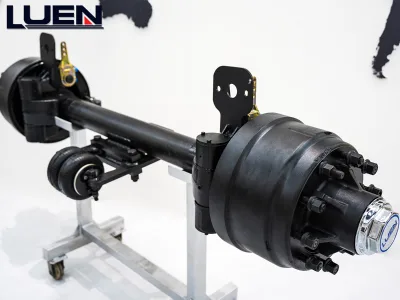
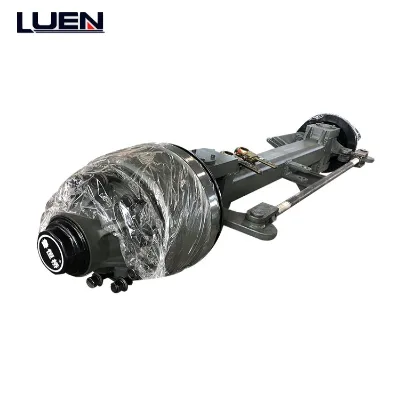
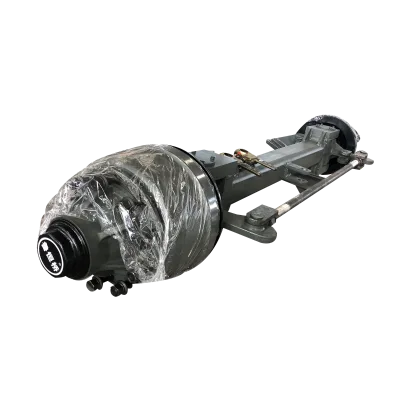

Power-Transmitting Heavy-Duty Axle Shaft Hydraulic Steering Trailer Truck Axle
$150.00 - $750.00
MOQ: 1 piece


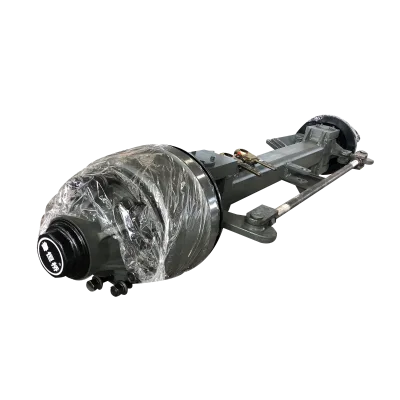
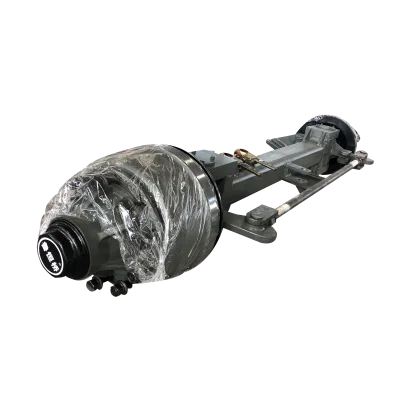

German Hydraulic Steering Axle Reduce Steering Independent Axle Trailer
$1753.00 - $1863.00
MOQ: 10 Pieces


German Hydraulic Steering Axle Assembly Trailer Axle Parts Heavy Duty Trailer Axles
$1511.00 - $1673.00
MOQ: 10 Pieces


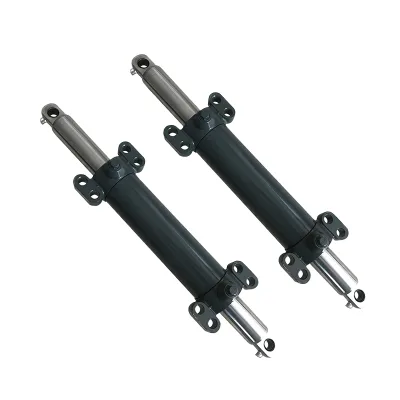
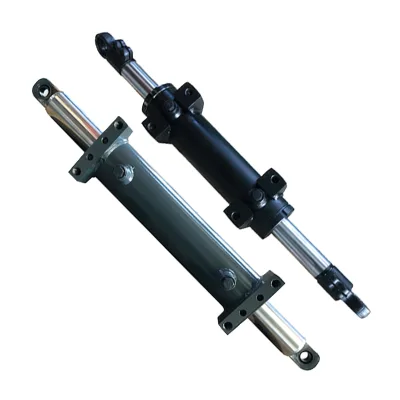


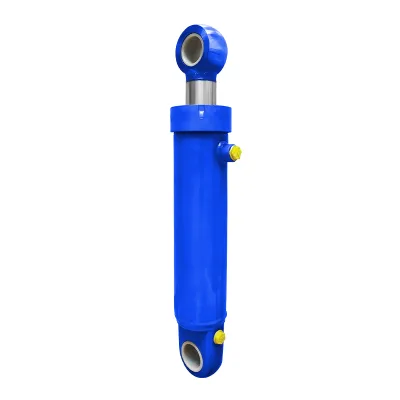

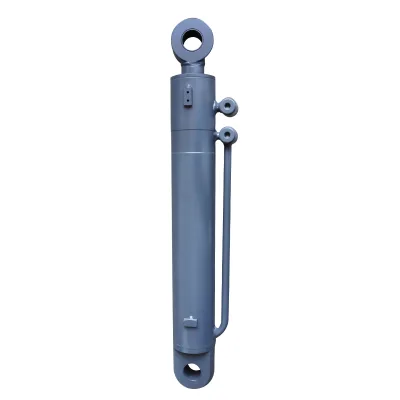
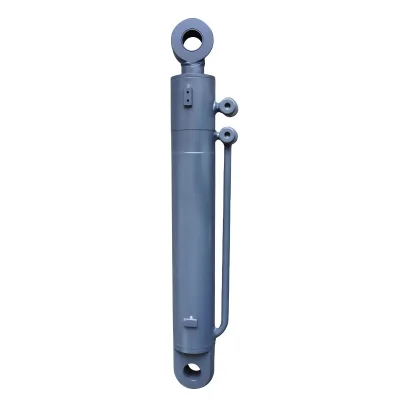
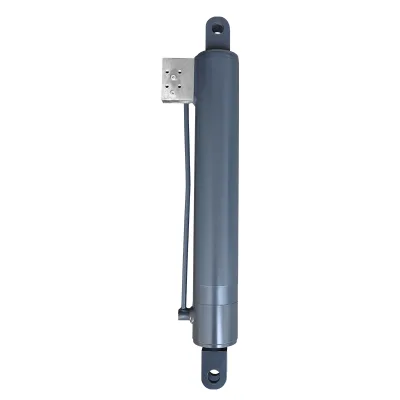

Forklift Parts Steering Axle Forklift Rear Axle with Steering Hydraulic Cylinder
$100.00 - $300.00
MOQ: 1 Pieces

Comprehensive Sourcing Guide
Integrated Cylinder Hydraulic Steer Axle Sourcing Guide
Procuring integrated cylinder hydraulic steer axles requires a disciplined approach to verifying mechanical compatibility and hydraulic system integrity. Buyers must first confirm that the axle design aligns with the specific trailer chassis geometry and steering kinematics. The observed market listings indicate a strong presence of products originating from Shandong, China, with many suppliers offering configurations labeled as "Steering Version Axle" or "German Type BPW Steering Version Axle." These designations often imply a structural similarity to established European engineering standards, which is critical for fleets seeking reliable replacement parts or new builds.
The sourcing landscape includes a variety of axle types, ranging from standard heavy truck trailer axles to specialized follow-up steering axles. It is essential to distinguish between passive steering mechanisms and active hydraulic steering systems, as the latter requires precise integration with the vehicle’s hydraulic power unit. The observed product attributes highlight options for multi-axle configurations and customized OEM services, suggesting that buyers should not assume all listed items are identical. Instead, procurement teams must evaluate each listing against their specific payload requirements and steering angle constraints to ensure operational safety and regulatory compliance.
Product Scope and Observed Listing Signals
The current market offers a diverse range of axle products, with observed prices spanning from $20 to $1,866 USD, reflecting significant variations in material quality, brand reputation, and technical complexity. Many listings specify a "New" condition and identify the product name as "Steering Axle" or "Follow-Up Steering Axle," indicating a focus on replacement and repair markets. The observed minimum order quantities (MOQ) typically range from 1 to 10 units, providing flexibility for both individual repairs and small fleet upgrades. Buyers should note that while some products are marketed under specific brand names like "LUEN," others may offer generic or unbranded alternatives that require careful verification of manufacturing standards.
Material composition is a critical differentiator, with observed listings specifying both "Steel" and "Cast Steel" as primary materials. The maximum payload capacities observed range from 13T to 16T, which directly influences the selection process for heavy-duty semitrailer applications. Additionally, the single gross weight of approximately 330.0 kg for certain models provides a baseline for logistics planning and shipping cost estimation. The presence of "Customized OEM" services and optional features such as twist locks or specific axle brands like Fuwa/BPW suggests that buyers can tailor specifications to meet unique operational needs, provided they communicate these requirements clearly during the inquiry phase.
Technical Specifications to Verify
Verifying the physical dimensions and model numbers is the first step in ensuring mechanical fitment. Observed specifications include package sizes such as 230x50x50 cm and 250x50x50 cm, which are crucial for determining storage and transportation logistics. Model numbers like "LH-AA" and "LUEN-H1" serve as unique identifiers for buyers to cross-reference with technical drawings and compatibility charts. It is imperative to confirm the bridge pipe thickness, with observed values around 90mm, as this dimension directly impacts the axle's structural integrity and load-bearing capacity under dynamic stress conditions.
Hydraulic system compatibility is equally critical for integrated cylinder models. Buyers must verify the controller specifications, with observed options including 7.5, 10, and 13kw controllers, to ensure they match the existing hydraulic power unit of the trailer. The "Dental Bag" ratio of 1:41 mentioned in some listings likely refers to a gear reduction or steering ratio, which must be validated against the desired steering response and turning radius. Additionally, the OE number status, whether standard or OEM, should be confirmed to ensure that mounting points and hydraulic connections align with the trailer chassis, preventing costly modifications or installation failures.
Compliance and Safety Documentation
Documentation verification is a non-negotiable aspect of sourcing heavy-duty axle components. Observed listings frequently cite ISO/TS16949 certification, which indicates adherence to quality management standards specific to the automotive industry. Buyers should request valid certificates from the supplier and verify their authenticity through the issuing body, as this certification often correlates with consistent manufacturing quality and traceability. While background standards such as ISO 9001:2015, EN 13000, and EN 1090-1 are mentioned in general contexts, buyers must confirm that the specific axle model complies with the relevant regional safety regulations for road transport vehicles.
Safety documentation should also include detailed technical manuals and hydraulic schematics for the integrated cylinder system. These documents are essential for proper installation, maintenance, and troubleshooting by the end-user. Buyers should ensure that the supplier provides clear instructions on hydraulic fluid types, pressure ratings, and maintenance intervals to prevent premature failure. The absence of comprehensive documentation can lead to improper installation, which may compromise the steering mechanism and pose significant safety risks. Therefore, verifying the availability and quality of technical support materials is as important as verifying the physical product itself.
Cost Drivers and Commercial Terms
Understanding the commercial terms is vital for accurate budgeting and risk management. Observed payment terms typically require a 30% T/T deposit with the 70% balance due before shipment, a standard practice in international trade that protects both parties. Delivery times vary, with observed ranges of 15-30 days, 20-30 days, and 30-45 days, depending on the product configuration and order volume. Buyers should factor these lead times into their production schedules and inventory planning to avoid operational disruptions. The port of origin, often listed as Qingdao Port, influences shipping costs and transit times, which should be calculated based on the final destination.
Packaging and handling costs are additional factors that affect the total landed cost. Observed packaging options include "Standard Package" and "Nude Packing," with the latter potentially reducing packaging costs but increasing the risk of damage during transit. The single package size and gross weight must be used to calculate freight charges accurately, especially for air or expedited sea freight. Buyers should also inquire about warranty terms and after-sales support, as these factors can significantly impact the long-term cost of ownership. Clear communication regarding Incoterms and liability for transit damage is essential to avoid disputes and ensure a smooth procurement process.
Supplier Qualification and Quality Control
Supplier qualification involves assessing the manufacturer's capability to produce consistent, high-quality axle components. Buyers should prioritize suppliers who offer "Customized OEM" services and have a proven track record in the heavy truck trailer industry. The observation of "High-Quality" as a product attribute is a marketing claim that must be substantiated by third-party test reports or customer references. It is advisable to request samples or conduct factory audits to verify the manufacturing processes, particularly for welding quality and hydraulic cylinder assembly, which are critical for the durability of steering axles.
Quality control procedures should be explicitly defined in the purchase agreement. Buyers should specify acceptance criteria for dimensional tolerances, hydraulic pressure testing, and load testing. The availability of "Optional" features such as twist locks or specific axle brands like Fuwa/BPW allows for customization but requires rigorous inspection to ensure that these components meet the specified standards. Implementing a pre-shipment inspection protocol can help identify defects early, reducing the risk of receiving non-conforming products. Establishing a clear communication channel for addressing quality issues is also essential for maintaining a productive supplier relationship.
Long-Term Procurement Checks
Long-term procurement success depends on establishing a robust supply chain management strategy. Buyers should regularly review supplier performance metrics, including on-time delivery rates, product quality consistency, and responsiveness to technical queries. The observed variety of model numbers and specifications suggests that suppliers may have a broad product range, but buyers should focus on building relationships with suppliers who can provide consistent quality and support over time. Regular audits and performance reviews can help identify potential risks and opportunities for improvement in the supply chain.
Continuous monitoring of market trends and technological advancements is also crucial for staying competitive. As hydraulic steering technology evolves, buyers should stay informed about new developments in integrated cylinder designs and control systems. Engaging with suppliers for feedback on product performance and potential upgrades can lead to better solutions and improved operational efficiency. Additionally, maintaining a diversified supplier base can mitigate risks associated with supply disruptions or price volatility. By adopting a proactive approach to supplier management, buyers can ensure a reliable supply of high-quality integrated cylinder hydraulic steer axles for their operations.
FAQs
What is the maximum payload capacity for these steering axles?
The maximum payload capacity varies by model, with observed limits of 13 tons and 16 tons for heavy truck trailer axles. These integrated cylinder hydraulic steer axles are designed for semitrailer applications. Buyers should verify the specific model number, such as LH-AA or LUEN-H1, to confirm the exact load rating required for their operational needs.
Can these axles be customized for specific trailer requirements?
Yes, customization is available for these integrated cylinder hydraulic steer axles. Buyers can request customized colors, twist locks, and specific axle brands like Fuwa or BPW. The service supports OEM requirements, allowing for tailored solutions. This flexibility ensures the steering axle meets precise engineering specifications for various semitrailer configurations and operational environments.
What certifications do these steering axle manufacturers hold?
Manufacturers of these integrated cylinder hydraulic steer axles hold ISO/TS16949 certification. This quality standard ensures rigorous manufacturing processes for the steel and cast steel components. The certification validates the high-quality construction of the axle systems. Buyers relying on certified supply chains can trust the compliance and reliability of these heavy-duty trailer axle products for international trade.
What is the typical delivery time for these axles?
The typical delivery time ranges from 15 to 45 days depending on the specific order and model. Standard production cycles are often cited as 15-30 days or 20-30 days. Some specialized configurations may require up to 30-45 days. Buyers should confirm lead times with suppliers to align with their project schedules and ensure timely arrival at Qingdao Port or other destinations.
Where are these integrated cylinder hydraulic steer axles manufactured?
These integrated cylinder hydraulic steer axles are manufactured in Shandong, China, specifically in the Liangshan region. This area is known for heavy truck trailer component production. The products are shipped via Qingdao Port. Buyers sourcing from this location benefit from established industrial clusters that support the production of high-quality steel and cast steel axle systems for global markets.
What payment terms are standard for these trailer axles?
Standard payment terms for these integrated cylinder hydraulic steer axles are 30% T/T deposit plus a 70% balance. This structure is common for B2B transactions involving heavy machinery parts. Buyers should arrange the initial transfer upon order confirmation and settle the remainder before shipment. This payment method ensures security for both the manufacturer and the international purchaser of the steering axle units.