Source Integrated Circuits for Medical, Industrial, and LED Applications
Source Integrated Circuits for medical, industrial, and LED applications. Compare 30 options including DIP and semiconductor ICs with features like vacuum packing and 100% testing. Find suppliers offering OEM/ODM services and various surface finishes.
Key considerations
Products List


Electronic Components Integrated Circuits/ IC Embedded Processors & Controllers
$0.60 - $1.00
MOQ: 10 Pieces


Comprehensive Sourcing Guide
Integrated Circuits Sourcing Guide
Sourcing Integrated Circuits (ICs) requires a disciplined approach that balances technical precision with supply chain resilience. These semiconductor components form the backbone of modern electronics, serving as the processing, memory, and control units for everything from consumer gadgets to industrial machinery. Buyers must navigate a complex landscape where product attributes vary significantly based on the specific IC type, such as bipolar or unipolar configurations, and the manufacturing technics employed, including semiconductor or thick film ICs. Understanding these distinctions is critical for ensuring that the selected components align with the functional requirements of the final assembly.
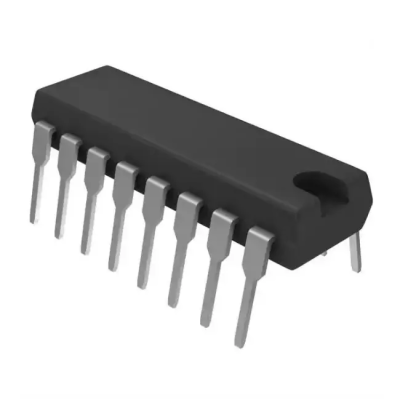
The procurement process for ICs is further complicated by the diversity of packaging and integration styles available in the market. Observations from current listings indicate a wide range of form factors, including Dual In-line Package (DIP) configurations and various integration levels such as Small-Scale Integration (SSI) and Gate-Scale Integration (GSI). These physical and logical characteristics directly impact how the components are handled, stored, and integrated into Printed Circuit Board Assemblies (PCBA). Buyers must therefore establish clear specifications early in the sourcing journey to avoid mismatches between the ordered components and the design constraints of their electronic systems.
Product Scope and Observed Listing Signals
The current market for Integrated Circuits presents a broad spectrum of product models and configurations, reflecting the diverse needs of the electronics industry. Listings frequently reference specific model identifiers such as UC-0016, UC-0021, UC-0020, UC-0018, UC-0013, UC-0015, ICH2682Fdc, and HSY3580AJTR, alongside generic descriptors like PCB Electronic Components. This variety suggests that suppliers offer both specialized discrete ICs and broader assembly services. Buyers should recognize that these model numbers often correspond to specific functional blocks or proprietary designs, necessitating careful cross-referencing with datasheets to confirm pinouts, voltage ratings, and logic functions before placing orders.
Packaging and handling standards are equally critical when evaluating product scope, as improper storage can degrade sensitive semiconductor materials. Observed listing signals indicate that many suppliers utilize vacuum packaging to protect components from moisture and static discharge, often combined with carton boxes for bulk shipping. Some listings also mention vacuum packing, blister packs, or plastic containers, highlighting the importance of verifying the specific preservation method for each order. Additionally, the condition of the components is frequently stated as "100% New and Original," a claim that buyers must validate through rigorous incoming inspection processes to mitigate the risk of counterfeit or refurbished parts entering the supply chain.
Technical Specifications to Verify
Technical verification begins with understanding the conductive type and layer structure of the components and their associated substrates. Integrated Circuits are categorized by their conductive properties, with listings indicating both bipolar and unipolar Integrated Circuits. These classifications determine the device's switching speed, power consumption, and suitability for specific analog or digital applications. Furthermore, the technics used in manufacturing, such as semiconductor IC or thick film IC processes, influence the thermal performance and reliability of the component. Buyers must ensure that the selected technics match the environmental demands of the end-use application, particularly regarding heat dissipation and signal integrity.
When sourcing components for PCB assembly, additional physical specifications must be verified to ensure compatibility with manufacturing equipment. Key parameters include board thickness, which can range from 0.2mm to 7mm, and copper thickness, available in increments such as 0.5oz, 1oz, 2oz, 3oz, or 4oz. These factors affect the current-carrying capacity and mechanical durability of the final assembly. Other critical dimensions include minimum hole sizes, observed at 0.1mm (4 Mil), and minimum line spacing, also noted at 0.1mm (4 Mil). Verifying these tolerances is essential for high-density designs, as deviations can lead to short circuits or open connections during the assembly process.
Compliance and Safety Documentation
Compliance with international standards is non-negotiable for Integrated Circuits, particularly those destined for regulated industries such as medical, industrial, and communication sectors. Suppliers often provide certifications such as ISO9001, ISO14001, ISO13485, and Ts-16949, which attest to their quality management and environmental systems. The presence of RoHS compliance is also a common requirement, ensuring that the components are free from hazardous substances. Buyers should request valid certificates for each batch or supplier site, as these documents serve as the primary evidence of regulatory adherence and help mitigate legal and reputational risks associated with non-compliant products.
In addition to corporate certifications, product-specific guarantees and testing protocols must be documented. Listings frequently mention a "Certificate Guarantee" and various testing methods, including X-ray inspection, Automated Optical Inspection (AOI), and functional testing. Some suppliers claim 100% e-testing or function testing, which is crucial for verifying the operational integrity of each unit before shipment. Buyers should insist on detailed test reports that outline the specific parameters checked, such as voltage thresholds, signal timing, and thermal stability. This documentation provides traceability and ensures that the components meet the performance expectations defined in the design specifications.
Cost Drivers and Commercial Terms
The cost of Integrated Circuits is influenced by a variety of factors, including the complexity of the component, the volume of the order, and the level of customization required. Observed price ranges in the market span from $0.02 to $30, reflecting the disparity between basic passive components and advanced semiconductor devices. Minimum Order Quantities (MOQs) typically range from 1 to 1000 units, allowing for flexibility in procurement strategies. Buyers should analyze the total cost of ownership, which includes not only the unit price but also shipping, handling, and potential costs associated with quality failures or delays.
Commercial terms such as delivery lead times and shipping methods play a significant role in supply chain planning. Lead times for PCBs can range from 1 to 5 days, while PCB assembly may take 1 to 10 days, depending on the complexity and volume. Shipping options include DHL, UPS, FedEx, air freight, and sea freight, each offering different trade-offs between speed and cost. Buyers should negotiate clear terms regarding payment schedules, warranty periods, and return policies. Additionally, services such as OEM/ODM support, layout design, and engineering assistance can add value but may also impact the overall cost structure, requiring careful evaluation of their necessity.
Supplier Qualification and Quality Control
Supplier qualification is a critical step in mitigating supply chain risks, particularly in the semiconductor industry where counterfeit parts are a persistent threat. Buyers should verify the supplier's manufacturing capabilities, including the number of SMT assembly lines, which can indicate production capacity and consistency. Observations suggest that some suppliers operate multiple assembly lines, which can enhance throughput and reduce bottlenecks. Additionally, the availability of specialized services such as layout design and engineering support can be a valuable indicator of a supplier's technical competence and ability to resolve complex integration issues.
Quality control processes must be rigorously evaluated to ensure that the components meet the required standards. Suppliers often employ a range of inspection techniques, including 40x optical inspection, X-ray analysis, and AOI testing. These methods help detect defects such as solder bridges, misaligned components, and internal die cracks. Buyers should request a detailed Quality Control Plan that outlines the inspection stages, acceptance criteria, and corrective action procedures. Furthermore, the supplier's commitment to 100% new and original components should be backed by traceability records, such as lot numbers and manufacturing dates, to ensure authenticity and reliability.
Long-Term Procurement Checks
Long-term procurement success depends on establishing robust relationships with suppliers who can provide consistent quality and reliable delivery. Buyers should conduct periodic audits of their suppliers' quality management systems and production facilities to ensure ongoing compliance with agreed-upon standards. This includes verifying that the suppliers maintain their certifications, such as ISO9001 and ISO13485, and that their quality control processes remain effective over time. Regular performance reviews, based on metrics such as defect rates, on-time delivery, and responsiveness to issues, can help identify potential problems before they escalate.
Additionally, buyers should monitor market trends and technological advancements that may impact the availability and performance of Integrated Circuits. The rapid evolution of semiconductor technology means that components can become obsolete quickly, necessitating proactive lifecycle management. Buyers should work with suppliers to stay informed about upcoming product changes, end-of-life notices, and alternative solutions. By maintaining open communication and fostering a collaborative partnership, buyers can ensure a stable supply of high-quality Integrated Circuits that support the long-term success of their electronic products.
FAQs
What integration types are available for these Integrated Circuits?
The available integration types include GSI and SSI. These options support various semiconductor IC and bipolar or unipolar integrated circuit configurations for different electronic assembly needs.
Can I request customization for the integrated circuit products?
Yes, customization is available for these products. Buyers can utilize OEM and ODM services along with layout design and engineering support to meet specific project requirements.
What is the lead time for PCB assembly delivery?
PCB assembly delivery takes between 1 to 10 days. This timeframe applies to the electronic components assembly services provided by the manufacturer located in China.
Which certifications do the manufacturers hold for quality assurance?
Manufacturers hold ISO9001, ISO14001, ISO13485, and Ts-16949 certifications. These standards ensure quality management and environmental compliance for the supplied electronic components and PCB assemblies.
How are the Integrated Circuits packed for shipping?
Products are packed using vacuum packaging, blister packs, plastic containers, or carton boxes. This ensures protection during transit via DHL, UPS, FedEx, air, or sea shipping methods.
What surface finishing options are offered for the PCBs?
Surface finishing options include OSP, Enig, HASL, and AG Immersion. These processes are applied to ensure reliable soldering and long-term performance for the electronic components.