Source Anti-Flicker LED Load Resistor for Power Elevator Transducer
Compare 30 Anti-Flicker LED Load Resistor options from verified suppliers. These components support power, elevator, and transducer applications with varying resistance ranges, protection grades, and power ratings suitable for diverse industrial needs; compare the available evidence and request quotations based on your requirements.
Key considerations
Products List


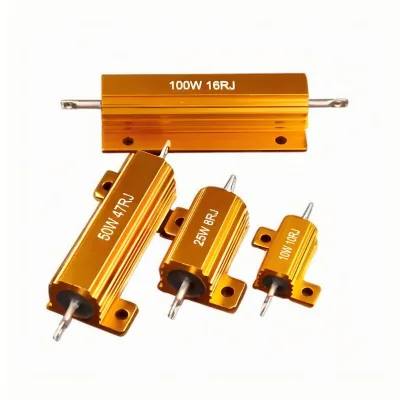
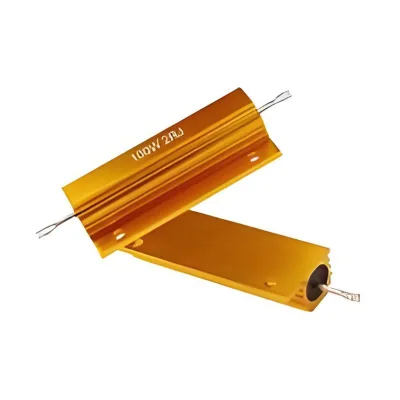
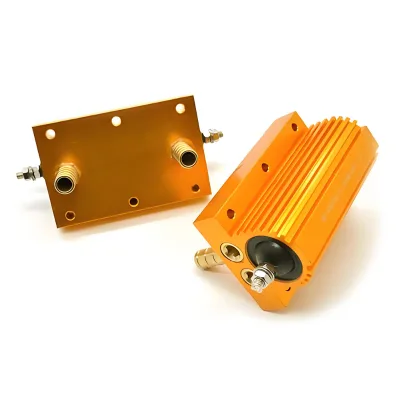
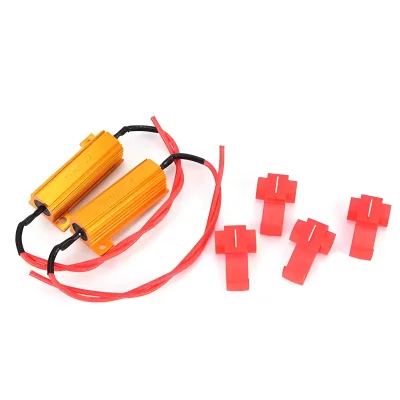


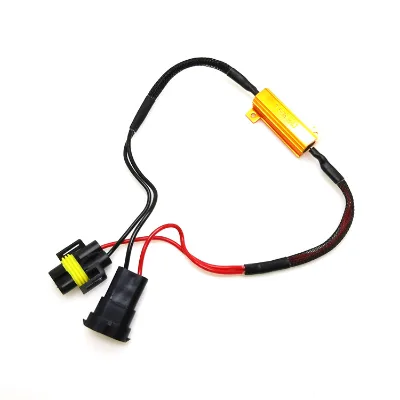
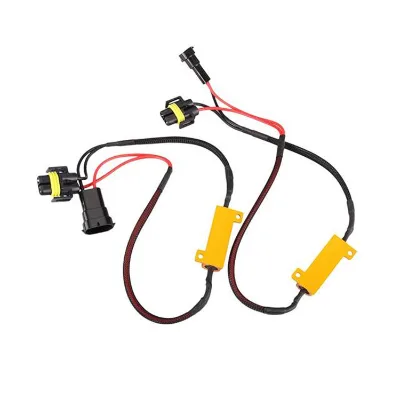
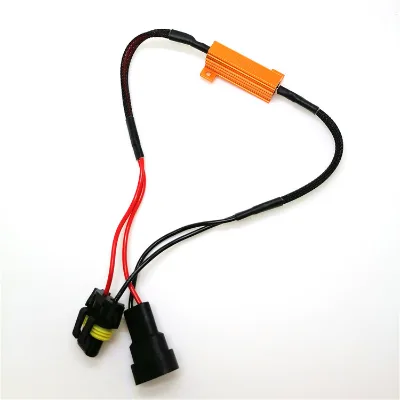


Comprehensive Sourcing Guide
Anti-Flicker LED Load Resistor Sourcing Guide
Procuring anti-flicker LED load resistors requires distinguishing between general load resistors and specialized units designed to stabilize voltage for LED drivers. The observed market data indicates a diverse range of products, including wire-wound and carbon film types, with power ratings spanning from 5W to 1000W. Buyers must verify that the specific unit selected matches the electrical requirements of their LED system to prevent flickering caused by insufficient load current.
Selection criteria should prioritize the resistance range and tolerance, as observed listings show values from 0.01 ohms to 100 kilohms with tolerances of 1% to 10%. A fixed resistor with a linear scale is often preferred for consistent performance, while rotary potentiometers may offer adjustable solutions for prototyping. Ensuring the product is a true load resistor rather than a fuse or varistor is critical for maintaining the intended circuit stability and preventing premature failure in the lighting assembly.
Product Scope and Observed Listing Signals
The available inventory includes specialized components like the RX24 and RXLG models, which feature robust construction suitable for demanding environments. Listings indicate that these resistors often come in through-hole packaging with dimensions such as 50mm by 16.5mm, or larger industrial variants like the 300mm long RXLG series. Buyers should note that customization is available, allowing for specific resistance values or power ratings that deviate from standard catalog offerings.
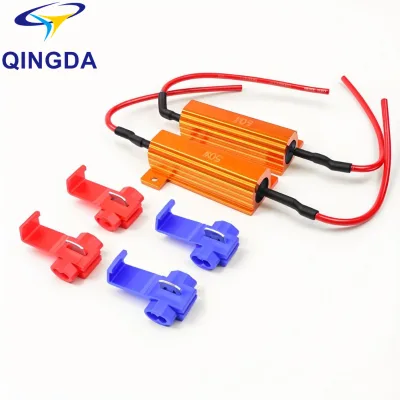
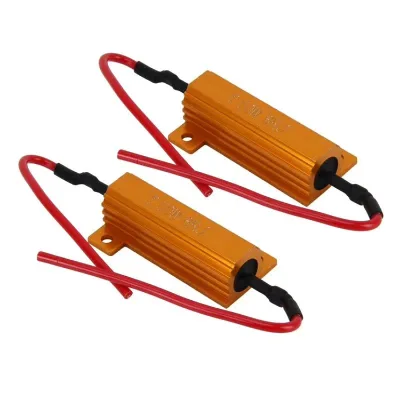
Visual and physical attributes observed in the market include gold and red color coding, which may assist in quick identification during assembly. The packaging typically involves cartons or plastic bags, with some units offering IP67 protection for harsh conditions. However, not all listed products share the same protection level, as some are rated only at IP44, necessitating careful review of the product description to ensure environmental suitability for the intended installation site.
Technical Specifications to Verify
Technical verification must begin with the operating ambient temperature range, as observed data suggests a span from -55°C to +275°C for certain high-performance units. This wide range is essential for applications in power, elevator, or transducer industries where thermal stress is common. Buyers should confirm that the temperature coefficient, potentially around 200ppm/°C, aligns with the stability requirements of their specific LED driver circuit to avoid resistance drift under thermal load.
Resistance accuracy and voltage coefficients are equally critical, with observed tolerances ranging from 1% to 10% and voltage coefficients up to 1% Kv/in. The product power rating must be sufficient to handle the load without overheating, with options available from 50W up to 1000W. Additionally, the material composition, such as ceramic cores with nickel and copper alloys, should be verified to ensure durability and heat dissipation capabilities match the operational demands of the lighting system.
Compliance and Safety Documentation
Safety documentation should focus on the protection grade and voltage ratings, as these factors determine the component's ability to withstand electrical stress. While some units are rated for operating voltages between 0.5kV and 2kV, others may have lower limits. Buyers must request test reports or datasheets that explicitly confirm the protection level, whether IP44 or IP67, to ensure the component can survive the specific environmental conditions of the installation, such as dust or moisture exposure.
Certification and standard compliance are vital for industrial applications, particularly in sectors like elevators and power transmission. Although specific certification names are not universally listed, the presence of standard dimensions like 7x35mm or 27x130mm suggests adherence to established manufacturing norms. Procurement teams should verify that the supplier can provide documentation confirming the product meets relevant safety standards for the target market, ensuring the component is legally compliant for use in regulated industries.
Cost Drivers and Commercial Terms
Cost drivers in this category are heavily influenced by power rating, resistance tolerance, and the complexity of the material composition. High-power wire-wound resistors with tight tolerances and advanced protection grades like IP67 typically command higher prices than standard carbon film units. The observed price range of 0 to 848.8 USD reflects this variability, with significant cost differences arising from custom specifications, specialized packaging, and the inclusion of protective features for harsh environments.
Commercial terms such as Minimum Order Quantity (MOQ) vary widely, ranging from single units to 100,000 pieces, which impacts the total cost of ownership for different project scales. Buyers should negotiate based on volume, as larger orders often reduce the per-unit cost significantly. Additionally, lead times and shipping costs from origins like Shenzhen can affect the final landed cost, making it essential to clarify these terms early in the procurement process to avoid budget overruns.
Supplier Qualification and Quality Control
Supplier qualification should prioritize manufacturers with a proven track record in producing load resistors for power and elevator applications. The availability of customization services indicates a supplier's capability to adapt products to specific client needs, which is a strong indicator of technical competence. Buyers should assess the supplier's ability to maintain consistent quality across different resistance ranges, from 0.1 ohms to 100 ohms, ensuring that every batch meets the specified accuracy and tolerance requirements.
Quality control processes must include rigorous testing of resistance values, power ratings, and environmental resistance. Given the observed operating temperature ranges and protection levels, suppliers should demonstrate their ability to test products under extreme conditions to verify performance. Buyers should request evidence of quality control protocols, such as statistical process control data or third-party inspection reports, to ensure that the delivered components will perform reliably in the field without unexpected failures.
Long-Term Procurement Checks
Long-term procurement success depends on establishing a reliable supply chain that can consistently deliver components with the required specifications. Buyers should monitor the supplier's ability to maintain stock levels for critical resistance values and power ratings, especially for projects requiring large quantities or specific customizations. Regular audits of the supplier's production capabilities and quality assurance systems will help mitigate the risk of supply disruptions and ensure continuity of operations.
Performance monitoring of the installed resistors is also crucial for validating the initial selection and identifying any potential issues early. Buyers should track the operational history of the components in terms of temperature stability, resistance drift, and physical durability. By maintaining a feedback loop with the supplier regarding field performance, procurement teams can make informed decisions about future orders and ensure that the anti-flicker load resistors continue to meet the evolving needs of their LED lighting systems.
FAQs
What resistance values are available for anti flicker led load resistors?
Available resistance values include 6r, 8r, 4r, and 10r for specific models, while broader ranges span from 0.01r to 100kr. These fixed resistors serve as load resistors to stabilize LED circuits. The resistance accuracy typically ranges from 1% to 10%, ensuring precise performance for various power applications and flicker reduction needs.
Can anti flicker led load resistors operate in harsh environments?
Yes, certain models are designed for harsh working environments with protection levels up to IP67. Operating ambient temperatures can range from -55°C to +275°C depending on the specific type. These features ensure reliable performance in demanding industrial settings, making them suitable for power, elevator, and transducer applications where stability is critical.
How is the Anti-Flicker LED Load Resistor installed?
Installation methods include DIP resistor and through-hole packaging types. The product is available in carton or plastic bag packaging for secure handling. These installation options facilitate easy integration into electronic circuits, allowing for straightforward mounting on printed circuit boards while maintaining the structural integrity required for consistent electrical performance.
What power ratings are offered for these load resistors?
Product power ratings vary significantly, with specific models rated at 50W and general ranges spanning from 5W to 1000W. This wide range allows selection based on specific circuit requirements. The resistors function effectively as load or protective resistors, ensuring stable operation across different power levels without compromising safety or efficiency in LED systems.
Which materials are used in constructing these resistors?
Materials include wire-wound resistor constructions and carbon film resistor variants. Some models utilize a ceramic core with nickel and copper alloy components for durability. These material choices support high power handling and thermal stability, ensuring long-term reliability in applications requiring precise resistance values and robust physical construction for industrial or commercial use.
What customization options are available for anti flicker led load resistors?
Customization is available to meet specific client requirements. Buyers can request tailored specifications to fit unique application needs. This flexibility allows for precise adaptation of resistance values, power ratings, and physical dimensions. Custom options ensure that the resistors integrate seamlessly into specialized electronic designs, providing optimal performance for diverse LED lighting and power management systems.