Source Integrated Circuit Optoisolator for Refrigerators, Industrial, and Automation
Compare 30 listings for Integrated Circuit Optoisolator components with varying lead times and packaging options. Buyers can evaluate specifications such as SMD and DIP packages, shipping methods, and warranty terms from verified suppliers.
Key considerations
Products List







Comprehensive Sourcing Guide
Strategic Sourcing Guide for Integrated Circuit Optoisolators
Procuring integrated circuit optoisolators requires a disciplined approach that balances technical performance with supply chain reliability. These components, often described as optocouplers or isolation modules, serve as critical barriers between high-voltage and low-voltage circuits, ensuring signal integrity while protecting sensitive electronics. The market presents a complex landscape where specifications vary significantly between discrete devices and integrated modules. Buyers must navigate a wide array of attributes, from semiconductor materials to packaging formats, to ensure the selected components meet rigorous operational standards. This guide outlines the essential factors for evaluating suppliers and specifications, grounded in the observable realities of the current market.
Technical Specifications and Semiconductor Architecture
The foundational aspect of sourcing an optoisolator lies in understanding its internal architecture and material composition. In the current market, these devices are frequently categorized as discrete devices or integrated circuits utilizing element semiconductor materials. The conductive type is a critical differentiator; while some units function as unipolar integrated circuits, others are designed as N-type semiconductors. The signal processing capability often involves an analog-digital composite function, allowing the device to handle mixed-signal environments effectively.
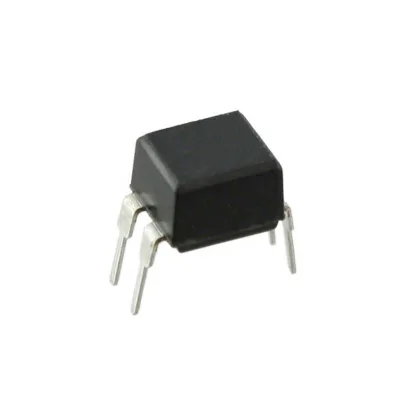
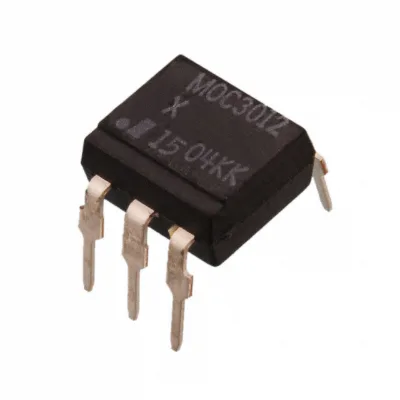
Packaging is another decisive technical factor. The market observes a diversity of form factors, ranging from Surface Mount Device (SMD) packages to Dual In-line Package (DIP) shapes. The physical dimensions of these components vary, with some single packages measuring approximately 3.8 x 2.6 x 0.3 cm, while others may have larger footprints such as 26.4 x 25.4 mm. The single gross weight for compact units is often minimal, recorded around 0.008 kg, which influences logistics and handling costs. Buyers must verify the specific mounting type, as some listings indicate "NA" or unspecified mounting requirements, necessitating direct confirmation with the supplier to ensure compatibility with the intended PCB design.
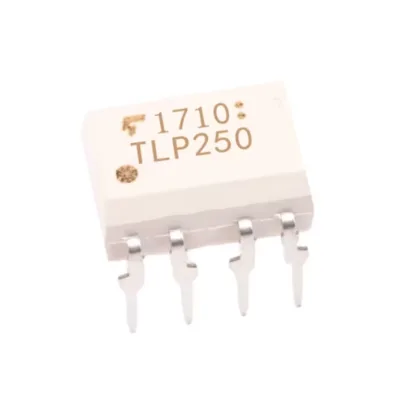
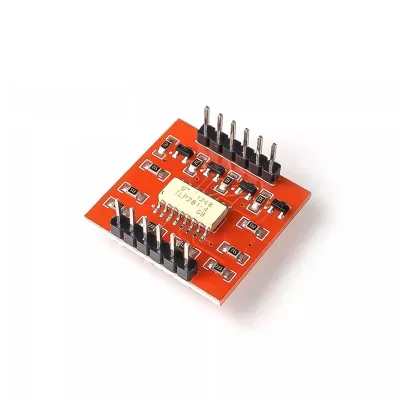
Furthermore, the manufacturing technology employed can dictate performance. Some units are produced using thick film IC techniques, while others rely on standard discrete device processes. The integration level, sometimes noted as GSI (Giga-scale Integration) in specific contexts, suggests a high degree of complexity within the chip. When evaluating a potential component, the buyer should request the Manufacturer Part Number (MPN) to cross-reference datasheets. For instance, specific models like TLP250 or TLP281 represent distinct optocoupler isolation modules, while others like TL431A may serve different voltage regulation functions within the broader category.
Compliance, Certification, and Origin Verification
In the global electronics supply chain, verifying the origin and condition of components is paramount to avoiding counterfeit goods. The market data indicates a prevalence of products labeled with "ORIGINAL" as both the brand name and condition status. This suggests that many suppliers market their stock as genuine, 100% original units. However, buyers must treat these assertions as observations rather than guaranteed facts without third-party validation. The place of origin is frequently cited as China, with specific regions like Guangdong being prominent hubs for manufacturing. Some listings also mention "ORIGINAL" as a generic descriptor for the place of origin, which requires careful interpretation.
Compliance and certification checks are often implicit in the product description rather than explicitly stated in general listings. While specific certifications like ISO or UL are not universally listed in the provided data, the "Standard Exportation Packing" and adherence to specific product standards (e.g., dimensions 573548 mm for certain packaging) suggest a baseline of logistical compliance. Buyers should verify if the supplier adheres to international standards for electronic components, particularly regarding RoHS (Restriction of Hazardous Substances) and REACH, although these are not explicitly confirmed in the general product attributes.
The batch number is another critical compliance metric. Listings often include batch numbers such as "2019," which helps in tracking the production timeline and verifying the age of the stock. Components with older batch numbers may have degraded performance characteristics or limited shelf life. Additionally, the "Standard" series designation implies a baseline of quality control, but it does not guarantee military or automotive-grade reliability without specific documentation. Buyers must insist on traceability documentation that links the physical component to its manufacturing batch and origin.
Cost Drivers and Pricing Dynamics
The pricing of integrated circuit optoisolators is influenced by a multitude of factors, including volume, packaging, and supply chain logistics. The observed price range in the market spans from $0.01 to $200 USD, a vast disparity that reflects the difference between basic discrete components and complex, high-performance isolation modules. This range indicates that cost is not solely a function of the component's intrinsic value but is heavily dependent on the order quantity and the specific model requested.
Minimum Order Quantity (MOQ) is a significant cost driver. The market exhibits an MOQ range from 1 to 10,000 units. High-volume buyers can often negotiate lower per-unit costs, while those requiring small quantities may face higher prices or be forced to purchase in larger lots to meet supplier thresholds. A common observation is an MOQ of 10 pieces for standard items, which allows for small-batch testing without excessive capital commitment. However, for specialized or high-demand models, the MOQ may be significantly higher.
Lead time also impacts the effective cost of procurement. Some suppliers offer "Instock" availability with lead times of 1-3 days, while others have lead times of 7-10 days. Faster delivery often commands a premium, especially when expedited shipping methods like DHL, FedEx, or UPS are utilized. The shipping method itself, whether by air, sea, or train, adds to the total landed cost. Sea freight is generally more economical for large volumes but extends the lead time, whereas air freight is faster but more expensive. Buyers must balance the urgency of their project against the budget constraints to determine the optimal procurement strategy.
Typical Applications and Industry Use Cases
Integrated circuit optoisolators are ubiquitous in industries requiring electrical isolation and signal transmission. The primary application cited in the market data is for refrigeration systems, highlighting their role in controlling high-power compressors and monitoring temperature sensors in harsh environments. However, the utility of these components extends far beyond refrigeration. Their ability to isolate analog and digital signals makes them essential in power supplies, motor control systems, and industrial automation.
The "Refrigerator" application specifically points to the need for robust isolation in environments with high electromagnetic interference (EMI) and varying voltage levels. Optoisolators prevent ground loops and protect control circuits from voltage spikes generated by the compressor motor. In addition to refrigeration, these components are critical in medical devices, where patient safety relies on the isolation of high-voltage power stages from low-voltage control interfaces. They are also widely used in telecommunications and data centers to ensure signal integrity across different voltage domains.
The versatility of the optoisolator is further demonstrated by its integration into various system architectures. Whether used as a discrete device or part of a larger integrated circuit, the component's ability to handle unipolar or N-type conductive types allows it to adapt to diverse circuit designs. Buyers should consider the specific environmental conditions of their application, such as temperature extremes or humidity, when selecting a model. The "Standard" series may suffice for general industrial use, but specialized applications may require components with enhanced thermal or electrical ratings.
Supplier Evaluation and Logistics Management
Evaluating suppliers for integrated circuit optoisolators requires a focus on reliability, transparency, and logistical capability. The market data reveals a variety of shipping options, including DHL, UPS, FedEx, EMS, sea, and train. The availability of multiple express options suggests that suppliers are equipped to handle diverse delivery needs. However, the consistency of these services depends on the specific supplier's partnerships and operational capacity.
Payment terms are another critical factor in supplier evaluation. Common methods include PayPal, Telegraphic Transfer (TT), Western Union, and Trade Assurance. Trade Assurance is particularly valuable as it offers a layer of protection for the buyer, ensuring that funds are released only upon satisfactory delivery. Buyers should prioritize suppliers who offer secure payment channels and clear terms regarding refunds or replacements for defective goods.
The condition of the product is a primary concern. Listings often state "Original 100%" and "Brand Name: ORIGINAL," but these claims must be verified. Reputable suppliers should provide certificates of authenticity and detailed inspection reports. The "Sample: Supplied" attribute indicates that many suppliers are willing to provide samples for testing, which is a positive sign of confidence in their product quality. Buyers should take advantage of this opportunity to validate the component's performance before committing to a large order.
Quality Control and Long-Term Procurement Considerations
Ensuring the long-term reliability of integrated circuit optoisolators requires a robust quality control (QC) process. The warranty period is a key indicator of supplier confidence; a standard warranty of 1 year is commonly observed. This warranty should cover defects in materials and workmanship, providing the buyer with recourse if the components fail prematurely. However, the warranty terms must be clearly defined, including the process for claims and the scope of coverage.
Long-term procurement considerations involve building a sustainable relationship with suppliers. Consistency in product quality, lead time, and pricing is essential for maintaining production schedules. Buyers should establish clear communication channels and request regular updates on inventory levels and potential supply chain disruptions. The "Customization: Available" attribute suggests that suppliers may offer tailored solutions, such as specific packaging or modified specifications, which can be advantageous for unique project requirements.
Finally, the packaging of the components plays a vital role in quality preservation. Standard exportation packing, carton boxes, and vacuum sealing are common methods to protect the components during transit. The single package size and gross weight are important for logistics planning, ensuring that the components are handled correctly and stored in appropriate conditions. Buyers should verify that the packaging meets the requirements for their specific storage environment, particularly regarding humidity and static discharge protection. By adhering to these quality control measures, buyers can mitigate risks and ensure the reliable operation of their electronic systems.
FAQs
What is the typical lead time for integrated circuit optoisolators?
Lead times vary between 1-3 days for instock items and 7-10 days for standard orders. Some suppliers offer immediate availability while others require a short production window depending on inventory levels.
Which shipping methods are available for integrated circuit optoisolators?
Buyers can choose from DHL, UPS, FedEx, EMS, sea freight, or train transport. Express options like DHL and FedEx are common for urgent deliveries, while sea freight suits large volume shipments.
Can I request samples for integrated circuit optoisolators before bulk order?
Yes, samples are supplied by many vendors to verify product quality. This allows buyers to test performance characteristics before committing to larger quantities that may have higher minimum order requirements.
What is the minimum order quantity for integrated circuit optoisolators?
The minimum order quantity ranges from 1 to 10,000 units depending on the supplier and specific model. Standard items often have an MOQ of 10 pieces, while specialized components may require larger lots.
How are integrated circuit optoisolators packaged for export?
Products typically use standard exportation packing, carton boxes, or vacuum sealing to ensure safety during transit. Packaging dimensions and weight vary, with some single packages measuring 3.8 by 2.6 by 0.3 cm.
What warranty is provided for integrated circuit optoisolators?
A standard warranty of 1 year is commonly offered for these components. This coverage protects against defects in materials and workmanship, ensuring reliability for the buyer's specific application needs.