Source Integrated Optical Glass Beam Splitter for Labs
Find and compare 30 Integrated Optical Glass Beam Splitter options for microscopy, medical imaging, and lighting systems. These thin film filters offer customizable coatings and high transmittance for precise light management in various optical instruments; compare the available evidence and request quotations based on your requirements.
Key considerations
Products List


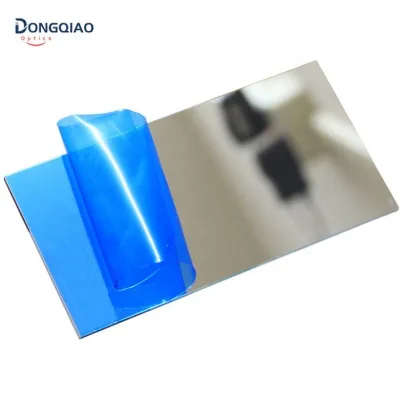


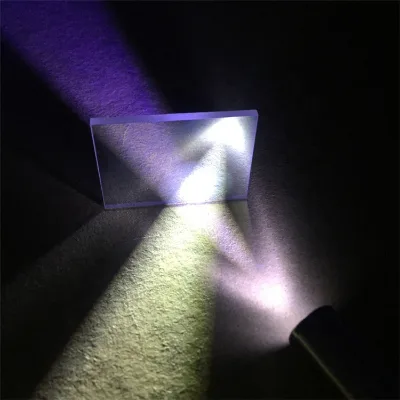


Comprehensive Sourcing Guide
Integrated Optical Glass Beam Splitter Sourcing Guide
Procuring integrated optical glass beam splitters requires a precise understanding of how light is divided within optical systems. These components are essential for directing light paths in complex instrumentation, ensuring that energy is distributed according to specific ratios such as 50/50 or 30/70. Buyers must recognize that the term "integrated" often refers to the substrate and coating combination rather than a single monolithic device, necessitating careful verification of the physical construction.
The market offers various configurations, including thin-film filters and flat lenses made from optical glass or fused silica. Sourcing decisions should be driven by the specific angle of incidence required by the application, which can range from normal incidence at 0° to angled setups at 45°. Understanding these geometric constraints is critical, as the performance of the beam splitter is highly dependent on the alignment between the component and the optical axis of the system.
Product Scope and Observed Listing Signals
The current market landscape for beam splitters includes a wide variety of models, such as the 50/50 beam splitter coating and specialized variants like the 30/70 and 70/30 splits. Listings frequently highlight customization options, allowing buyers to request specific coating designs tailored to their wavelength ranges, which can extend from 200nm to 2000nm. This flexibility is crucial for applications requiring precise spectral control, where standard off-the-shelf components may not meet the necessary transmittance or reflectance criteria.
Observed product attributes indicate that materials typically include optical glass and UV fused silica substrates, with shapes ranging from single-lens configurations to flat lenses. Packaging is commonly provided in plastic cases or cartons, ensuring protection during transit. Buyers should note that while some listings mention specific model numbers like OL-0313 or OF-0104, these identifiers often correspond to internal manufacturer codes rather than universal industry standards, requiring direct communication with suppliers for exact specifications.
Technical Specifications to Verify
Thickness tolerance is a critical parameter that varies significantly across different product lines, with observed tolerances ranging from ±0.1mm to +/-0.02mm. Buyers must verify which tolerance applies to their specific order, as tighter tolerances are often required for high-precision interferometry or laser systems. Additionally, surface accuracy, often specified as 1/4 Lambda, plays a vital role in maintaining beam quality and minimizing wavefront distortion, which can degrade the performance of sensitive optical instruments.
Parallelism is another key specification, with some products offering a parallelism of 30 arc seconds. This level of precision ensures that the beam path remains stable and predictable, which is essential for multi-pass optical setups. Buyers should also confirm the design wavelength, which can be customized according to demand, and ensure that the transmittance exceeds 95% for the desired spectral band to minimize energy loss in the system.
Compliance and Safety Documentation
Certification status is a primary concern for international procurement, with many suppliers providing ISO and RoHS certifications. Some listings also mention CE certification, indicating compliance with European health, safety, and environmental protection standards. Buyers should request valid certificates for each batch or production run, as these documents serve as proof that the manufacturing process adheres to recognized quality and environmental management systems.
Safety documentation should also include material safety data sheets, particularly when dealing with optical glass and chemical coatings. While the products are generally transparent and clear, the manufacturing processes may involve hazardous materials. Ensuring that the supplier provides comprehensive safety information helps in managing workplace risks and ensures that the components can be handled and installed without violating occupational health regulations.
Cost Drivers and Commercial Terms
The price range for these components is broad, observed from $0.1 to $1200, reflecting the diversity in complexity, material quality, and coating precision. Factors influencing cost include the substrate material, such as UV fused silica versus standard optical glass, and the specificity of the coating design. Customized orders, which may involve unique wavelength ranges or non-standard angles, typically command higher prices due to the additional engineering and setup costs involved.
Minimum order quantities (MOQ) vary, with some suppliers offering an MOQ of just one piece, while others may require larger batches. This flexibility allows for prototyping and small-scale testing without significant financial commitment. Buyers should also consider packaging costs, as options like wood cases or specialized cartons may add to the total expense, especially for international shipping where protection against damage is paramount.
Supplier Qualification and Quality Control
Supplier qualification should focus on their ability to provide OEM, ODM, and OBM services, indicating a mature manufacturing capability. Buyers should verify the supplier's production standards, which may include custom manufacturing processes for sizes such as 12.7mm, 25.4mm, or 50.8mm. A reliable supplier will have a robust quality control system that includes inspection of surface accuracy, thickness, and parallelism before shipment.
Warranty terms are another indicator of supplier confidence, with some offering a three-year warranty on their products. This coverage can protect buyers against defects in material or workmanship, providing peace of mind for long-term projects. Buyers should also inquire about the supplier's experience in the optical industry, as their expertise can influence the reliability and performance of the final product, especially in specialized applications like medical or lighting equipment.
Long-Term Procurement Checks
Long-term procurement success depends on establishing a consistent supply chain for replacement parts and future orders. Buyers should maintain clear records of the specific model numbers, coating specifications, and substrate materials used in their current systems to ensure compatibility with future purchases. This documentation is essential for maintaining the integrity of optical instruments over time, as even minor variations in component specifications can affect overall system performance.
Regular communication with suppliers is vital for staying updated on new technologies and improvements in beam splitter design. As optical applications evolve, suppliers may introduce new materials or coatings that offer better performance or durability. By maintaining a proactive relationship with suppliers, buyers can access these advancements early, ensuring that their optical systems remain competitive and efficient in the long run.
FAQs
What certifications do integrated optical glass beam splitters have?
These products typically hold ISO, RoHS, and CE certifications to ensure compliance with international safety and environmental standards. Many manufacturers provide documented proof of these certifications alongside their optical glass specifications for verified quality assurance.
Can I request custom dimensions for optical glass beam splitters?
Yes, customization is available for size and coating requirements to meet specific project needs. Suppliers offer custom manufacturing options with thickness tolerances as tight as plus or minus 0.02mm and various standard sizes like 12.7mm or 25.4mm.
Which materials are used for high-performance optical beam splitters?
Optical glass and UV fused silica are common substrates used for these components to ensure durability and clarity. The material selection supports high transmittance rates exceeding 95% and maintains stability across a wide wavelength range from 200 to 2000nm.
How is the surface accuracy defined for these optical filters?
Surface accuracy is often specified as 1/4 Lambda to guarantee precise optical performance during light transmission. This standard ensures minimal distortion and high parallelism, typically around 30 arc seconds, for critical applications in medical and lighting industries.
What is the minimum order quantity for purchasing beam splitters?
The minimum order quantity can be as low as one piece for many suppliers offering flexible procurement terms. This allows buyers to test samples or fulfill small project requirements without committing to large bulk orders immediately.
Which coating options are available for custom beam splitter models?
Coatings can be customized according to specific customer requests to achieve desired split ratios like 50/50 or 30/70. These thin film filters are designed to operate at specific angles of incidence, such as 0 degrees or 45 degrees, for optimal results.
How are these optical components packaged for safe shipping?
Products are typically packed in plastic cases, cartons, or wooden cases to prevent damage during transit. Packaging dimensions vary, with single packages often measuring around 20 by 15 by 10 cm to ensure secure handling and delivery.