Source Portable Hand-Held Slit Lamp with White LED for Clinics
Compare 30 Portable Hand-Held Slit Lamp with White LED options from verified Chinese manufacturers. Buyers can evaluate specifications like magnification, weight, and certifications to find suitable diagnostic tools for ophthalmology clinics and mobile health units; compare the available evidence and request quotations based on your requirements.
Key considerations
Products List


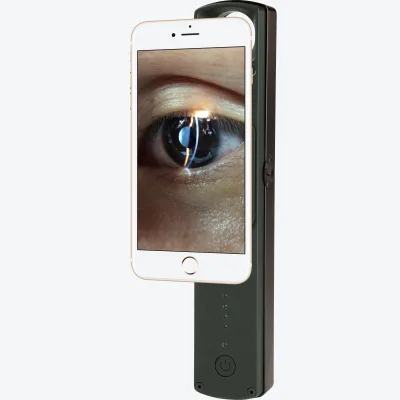
Hospital Equipment Optometry Equipment Portable Handheld Digital Slit Lamp
$500.00 - $1500.00
MOQ: 1 Pieces

Ophthalmic Rechargeable Slit Lamp Microscope Digital Hand-Held Slit Lamp
$2813.00 - $3516.00
MOQ: 1 Pieces


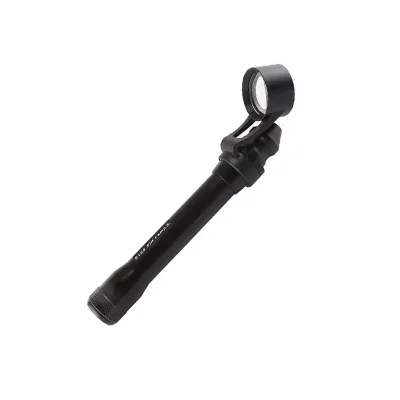
Chinese Manufacturers Medical Portable Slit Lamp Handle with Factory Price
$100.00 - $600.00
MOQ: 1 Pieces

Hot Selling Medical Equipment Portable Slit Lamp Handle with Factory Price
$100.00 - $500.00
MOQ: 1 Pieces


Medical Equipment Portable Handheld Slit Lamp Microscope for Eye Diagnosis
$888.00 - $900.00
MOQ: 2 Pieces

Comprehensive Sourcing Guide
Portable Hand-Held Slit Lamp with White LED Sourcing Guide
Procuring a portable hand-held slit lamp with a white LED light source requires a careful balance between optical precision and operational flexibility. These devices are primarily designed for ophthalmic examinations, allowing clinicians to inspect the anterior segment of the eye, including the cornea, iris, and lens, with high magnification. The portability factor is critical for mobile clinics, field hospitals, or practitioners who need to transport equipment between multiple sites without compromising diagnostic quality. Buyers must prioritize models that offer robust construction alongside lightweight ergonomics to ensure user comfort during extended examination sessions.
The integration of white LED illumination provides a stable, cool, and energy-efficient light source compared to traditional halogen bulbs. This feature reduces heat generation on the patient’s eye and extends the operational lifespan of the device. When sourcing these units, it is essential to verify the specific LED specifications, such as color temperature and intensity, to ensure accurate color rendering of ocular tissues. The choice between manual and automated focus mechanisms also plays a significant role in the user experience, with manual options often preferred for their simplicity and reliability in diverse clinical environments.
Product Scope and Observed Listing Signals
Market listings for portable slit lamps reveal a diverse range of specifications, with prices typically spanning from $99 to $5,000 USD, reflecting variations in build quality and optical complexity. The minimum order quantity (MOQ) generally ranges from 1 to 1,000 units, catering to both individual practitioners and large institutional buyers. Many suppliers offer customization options, allowing for branding or specific accessory configurations, while others provide standard non-customized units. Buyers should carefully review the product origin, with many devices sourced from manufacturing hubs in China, such as Ningbo and Guangzhou, which are known for their medical equipment production capabilities.
Observed product attributes indicate a mix of classifications, including Class II instruments and equipment for physiological diagnosis and monitoring. Packaging varies from wooden boxes to standard export cartons, impacting shipping costs and protection during transit. Some models are explicitly labeled for middle-aged and elderly patient groups, suggesting ergonomic designs tailored for specific demographic needs. The presence of certifications like CE, ISO, and FDA in listings signals adherence to regional regulatory standards, though buyers must verify the validity and scope of each certificate for their target market.
Technical Specifications to Verify
Key technical parameters to validate include the magnification steps, eyepiece power, and working distance, which directly influence diagnostic accuracy. Common configurations feature 5-step magnification with eyepieces ranging from 10X to 16X, providing versatile viewing options for different clinical scenarios. The working distance, often around 78-80mm, is crucial for patient comfort and operator access. Additionally, the slit width and length adjustability, typically ranging from 0-10mm, allow for precise control over the light beam, enabling detailed examination of specific ocular structures. Buyers should confirm these dimensions against their clinical requirements to ensure optimal performance.
The physical dimensions and weight of the device are also critical for portability. Models vary in size, with some measuring approximately 190mm x 105mm x 230mm and weighing around 6kg, while others are significantly lighter. The inclusion of filters, such as cobalt blue and green filters, enhances the detection of specific conditions like corneal abrasions or foreign bodies. Buyers must verify the availability and quality of these filters, as well as the durability of the metal and glass components. Ensuring that the device meets the required standard dimensions and weight limits is essential for seamless integration into mobile or space-constrained clinical settings.
Compliance and Safety Documentation
Regulatory compliance is paramount when importing medical devices, with certifications such as CE, ISO, and FDA serving as key indicators of safety and quality. Buyers must ensure that the supplier provides valid certificates that are recognized in their destination country. The presence of ISOCE or similar markings suggests adherence to international quality management standards, but verification of the certificate’s authenticity and scope is necessary. Additionally, documentation related to electrical safety, such as EEC compliance, ensures that the device meets local electrical standards, reducing the risk of operational hazards.
Beyond certifications, buyers should request detailed user manuals and technical documentation that outline proper usage, maintenance, and troubleshooting procedures. These documents are essential for training clinical staff and ensuring the device is used correctly to avoid misdiagnosis or damage. Suppliers should also provide information on the device’s classification, such as whether it is categorized under physiological functions of diagnosis and monitoring equipment. Clear labeling and documentation help in navigating customs clearance and regulatory approvals, facilitating a smoother procurement process.
Cost Drivers and Commercial Terms
The cost of portable slit lamps is influenced by several factors, including the quality of optical components, the type of LED illumination, and the level of customization. Higher-end models with advanced features like digital photography and live video capabilities tend to command higher prices. The MOQ also plays a significant role, with bulk purchases often resulting in discounted unit prices. Buyers should negotiate terms that align with their budget and volume requirements, considering the total cost of ownership, which includes maintenance, spare parts, and potential training expenses.
Commercial terms such as payment methods, shipping arrangements, and after-sales support are critical components of the procurement process. Suppliers offering online technical support provide an added layer of assurance, helping to resolve issues quickly and minimize downtime. Buyers should clarify the warranty period and the scope of coverage, ensuring that defects or malfunctions are addressed promptly. Additionally, understanding the lead times for production and delivery is essential for planning inventory and clinical schedules, especially for urgent procurement needs.
Supplier Qualification and Quality Control
Evaluating supplier qualifications involves assessing their manufacturing capabilities, quality control processes, and track record in the medical equipment industry. Buyers should request information about the supplier’s production facilities, including the equipment used for assembly and testing. A robust quality control system ensures that each device meets the specified technical standards before shipment. Suppliers with a history of exporting to multiple regions may have more experience in handling diverse regulatory requirements and logistical challenges.
Quality control checks should include visual inspections, functional tests, and optical performance evaluations. Buyers can request sample units for testing to verify the device’s performance in real-world clinical settings. It is also important to assess the supplier’s ability to provide consistent quality across large orders, ensuring that each unit meets the same high standards. Establishing a clear communication channel with the supplier for addressing any quality concerns is essential for maintaining long-term business relationships and ensuring patient safety.
Long-Term Procurement Checks
Long-term procurement success depends on establishing a reliable supply chain and maintaining ongoing quality assurance. Buyers should conduct periodic audits of the supplier’s performance, including delivery times, product quality, and customer support responsiveness. Regular feedback loops help identify areas for improvement and strengthen the partnership. Additionally, staying updated on regulatory changes and technological advancements in the slit lamp market ensures that the procured devices remain relevant and compliant with current standards.
Investing in training for clinical staff on the proper use and maintenance of the devices is crucial for maximizing their lifespan and performance. Buyers should also plan for the procurement of spare parts and accessories, such as replacement LEDs or filters, to ensure uninterrupted service. Building a relationship with a trusted supplier who offers comprehensive after-sales support can mitigate risks associated with equipment failure. By focusing on these long-term checks, buyers can ensure a sustainable and efficient procurement process for their medical equipment needs.
FAQs
What certifications do portable hand held slit lamps have?
These devices typically carry CE and ISO certifications to ensure safety and compliance. Some models also include FDA, MSDS, and EEC approvals. Buyers should verify specific documentation for each unit to confirm regulatory status before purchase.
Can I find customized portable hand held slit lamps?
Yes, customization is available for many portable hand held slit lamp models. Some units are offered as non-customized standard items while others allow specific modifications. Buyers must check individual product listings to determine if custom options apply to their needs.
How is the portable hand held slit lamp powered?
The device operates using electricity as its primary power source. It features a white LED light source for illumination during examinations. This ensures consistent brightness and reliability for clinical use without requiring external battery packs.
What is the typical weight of these instruments?
Weights vary by model, with some units weighing around 3kg or 6kg. Specific models list net weights as low as 580g while others are heavier. Buyers should review the gross and net weight specifications for the exact model they intend to source.
Which packaging options are used for export?
Products are shipped in wooden boxes, cardboard boxes, or standard export cartons. Some listings specify standard export packaging while others use dedicated cartons. The packaging type depends on the specific model and supplier requirements to ensure safe transit.
What after-sales support is provided for these lamps?
Online technical support is the standard after-sales service offered for these instruments. Buyers can access remote assistance for troubleshooting and operational guidance. This ensures users receive help without needing immediate physical visits from service technicians.
Where are these slit lamps manufactured?
Manufacturing locations include Ningbo and Guangzhou in China. These cities serve as key production hubs for medical diagnostic equipment. Buyers should confirm the specific origin listed for each product to understand logistics and shipping implications.