Source IP65 Galvanized Solar Battery Box for Telecom, PV, and Industrial Use
Find and compare 30 IP65 Galvanized Solar Battery Box options from Chinese manufacturers. Evaluate specifications like IP65 rating, material thickness, and customization for telecom, photovoltaic, and industrial electrical power applications.
Key considerations
Products List
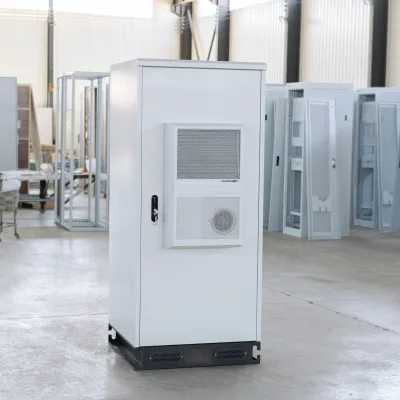


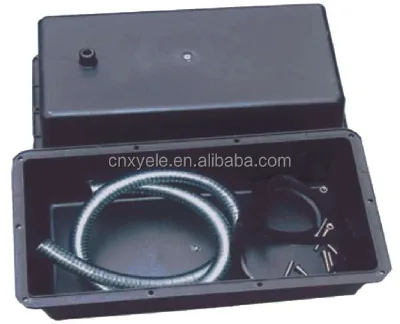


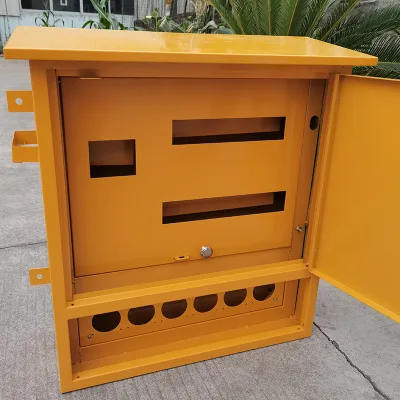
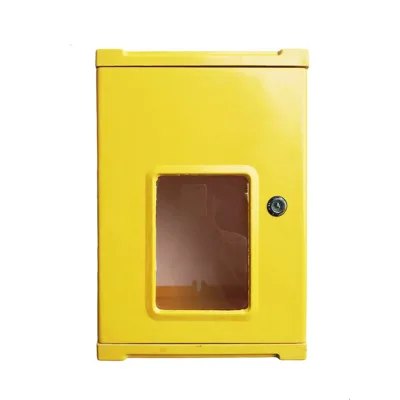


Comprehensive Sourcing Guide
IP65 Galvanized Solar Battery Box Sourcing Guide
Selecting the right enclosure for outdoor solar energy storage requires balancing environmental protection, material durability, and electrical safety. The core keyword "IP65 Galvanized Solar Battery Box" points to a specific class of industrial-grade enclosures designed to withstand harsh weather while housing sensitive electronic components. Buyers must understand that while the IP65 rating and galvanized material are common descriptors, the actual performance depends on precise manufacturing tolerances, surface treatment quality, and internal component compatibility. This guide provides a structured approach to evaluating these products, ensuring that procurement decisions are based on verified technical data rather than generic marketing claims.
The procurement process for these units involves navigating a wide variety of specifications, from external dimensions to internal mounting configurations. Suppliers often list multiple size options and material variations, which can complicate the selection process if not carefully filtered. By focusing on verified attributes such as shell thickness, insulation material, and specific certification marks, buyers can narrow down the field to reliable options. This guide emphasizes the importance of cross-referencing observed listing signals with technical requirements to avoid mismatches between the product’s advertised capabilities and its actual performance in the field.
Product Scope and Observed Listing Signals
The market for outdoor battery enclosures includes a diverse range of products, from simple junction boxes to complex distribution metering boxes. Observed listings indicate a price range of $1 to $194,940 USD, reflecting the vast difference between small, single-item battery boxes and large, customized industrial cabinets. The minimum order quantity (MOQ) typically ranges from 1 to 1000 units, suggesting that suppliers cater to both individual project needs and large-scale industrial deployments. Buyers should be aware that the term "battery cabinet" may refer to entirely different product categories, so verifying the specific model number and physical dimensions is crucial to ensure the product matches the intended application.
Key attributes observed in current listings include the use of galvanized steel, aluminum alloy, and stainless steel for the shell material. The surface treatment often involves powder coating, which enhances corrosion resistance and aesthetic appeal. Some listings highlight specific advantages such as 23 years of manufacturing experience, which may indicate a mature supply chain but should be verified through independent due diligence. Additionally, the presence of keywords like "lithium battery outdoor cabinet" and "12V battery box" suggests that these enclosures are designed for various voltage levels and battery chemistries, requiring careful matching with the specific electrical system being installed.
Technical Specifications to Verify
When evaluating an IP65 Galvanized Solar Battery Box, the external dimensions and internal volume are primary considerations. Observed specifications include sizes such as 1900mm750mm750mm, 2200mm750mm750mm, and smaller variants like 700mm550mm400mm. These dimensions directly impact the number and type of batteries or electronic components that can be housed within the enclosure. Buyers must verify that the internal layout, including mounting plates and accessory provisions, aligns with their specific equipment requirements. The shell thickness, ranging from 1.0mm to 2.0mm, is another critical factor that influences the structural integrity and longevity of the box, especially in high-wind or high-impact environments.
Electrical specifications are equally important, particularly for solar applications. Some observed products are rated for a rated voltage of 1500V DC and a rated current of 13A, with cable cross-sections of 1*4mm². The insulation material, often specified as PPO (Polyphenylene Oxide), plays a vital role in ensuring electrical safety and thermal stability. The temperature range of -40°C to +85°C indicates the operational limits of the enclosure and its internal components. Buyers should verify that the IP rating, often listed as IP65, is consistently applied across all entry points, including cable glands and door seals, to maintain the claimed level of dust and water protection.
Compliance and Safety Documentation
Certification is a non-negotiable aspect of sourcing electrical enclosures, particularly those used in solar and industrial applications. Observed listings mention certifications such as CCC (China Compulsory Certification) and CE (Conformité Européenne), which are essential for market access in their respective regions. Buyers must request valid certification documents and verify their authenticity with the issuing bodies. The presence of these certifications indicates that the product has undergone specific testing procedures, but it does not guarantee compliance with all local regulations. It is the buyer’s responsibility to ensure that the product meets the specific safety and performance standards required by their project’s jurisdiction.
In addition to product-level certifications, buyers should inquire about the standards used for testing and quality control. While some background information mentions standards like UL 231, IEC 60529, and IEC 529, these should be treated as reference points rather than confirmed attributes. The IP65 rating itself is defined by IEC 60529, so verifying that the supplier has conducted tests according to this standard is crucial. Buyers should also check for any additional safety features, such as grounding provisions and lock mechanisms, which are often listed as accessories. These features contribute to the overall safety and security of the installation, protecting both the equipment and the personnel maintaining it.
Cost Drivers and Commercial Terms
The cost of an IP65 Galvanized Solar Battery Box is influenced by several factors, including material quality, size, and customization options. The observed price range of $1 to $194,940 USD highlights the significant variation in product complexity and scale. Smaller, standard-sized boxes with basic features will be at the lower end of the spectrum, while large, customized cabinets with advanced electrical systems and premium materials will command higher prices. Buyers should analyze the cost breakdown to understand what drives the price, such as the thickness of the steel plate, the type of powder coating, or the inclusion of specific accessories like mounting plates and ground wires.
Commercial terms, including MOQ and lead times, also play a significant role in the procurement decision. The observed MOQ range of 1 to 1000 units suggests flexibility, but buyers should negotiate terms that align with their project timeline and budget. Customization is often available, which can add to the cost and lead time but may be necessary for specific applications. Buyers should clarify whether the quoted price includes shipping, packaging, and any necessary documentation. Understanding the total cost of ownership, including maintenance and potential replacement costs, is essential for making an informed procurement decision.
Supplier Qualification and Quality Control
Supplier qualification is a critical step in ensuring the reliability of the sourced products. Buyers should verify the supplier’s manufacturing capabilities, including their experience in producing galvanized steel enclosures and their ability to meet specific technical requirements. Observed listings mention locations such as Shanghai and Foshan in China, which are known manufacturing hubs. However, buyers should not rely solely on location data and should conduct thorough due diligence, including site visits or third-party audits, to assess the supplier’s quality control processes. The claim of 23 years of experience is a positive indicator, but it should be corroborated with customer references and case studies.
Quality control measures should be clearly defined and agreed upon before placing an order. Buyers should request detailed inspection reports, including visual inspections, dimensional checks, and electrical performance tests. The surface treatment, such as powder coating, should be evaluated for uniformity and adhesion. Additionally, buyers should verify that the supplier has a robust process for handling defects and returns. Establishing a clear communication channel with the supplier’s quality assurance team can help resolve issues quickly and ensure that the delivered products meet the specified standards.
Long-Term Procurement Checks
Long-term procurement success depends on the ability to maintain consistent quality and supply chain stability. Buyers should establish a regular review process to assess the performance of the sourced products in the field. This includes monitoring for any signs of corrosion, seal degradation, or electrical failures. Feedback from field installations should be used to refine specifications and supplier requirements. Buyers should also stay updated on changes in industry standards and regulations, ensuring that future orders comply with the latest requirements.
Building a strong relationship with the supplier is essential for long-term collaboration. This includes regular communication, joint problem-solving, and continuous improvement initiatives. Buyers should consider developing a multi-sourcing strategy to mitigate risks associated with supply chain disruptions. By maintaining a diverse supplier base and regularly evaluating performance, buyers can ensure a steady supply of high-quality IP65 galvanized solar battery boxes. This proactive approach helps to safeguard the project’s success and minimize downtime in the long run.
FAQs
What materials are used for the outdoor telecom cabinet?
The cabinet is constructed from galvanized steel, aluminum alloy, and stainless steel. These materials ensure durability and resistance to corrosion in outdoor environments while meeting industrial electrical power usage requirements.
Can the product be customized for specific needs?
Yes, customization is available for this battery box. Buyers can request specific dimensions or features to match their unique industrial electrical power applications without compromising the IP65 protection rating.
Which certifications does the solar battery box hold?
The product holds CCC certification and some variants include CE certification. These standards verify compliance with safety and quality requirements for outdoor electronic equipment and electrical power systems.
How does the IP65 rating protect the equipment?
The IP65 rating ensures the cabinet is dustproof and protected against water jets. This makes it suitable for outdoor installation where exposure to weather elements is a primary concern for the battery box.
What is the typical thickness of the steel plate shell?
The shell thickness ranges from 1.0mm to 2.0mm depending on the specific model. This variation allows for different structural protection levels while maintaining the lightweight nature of the galvanized steel construction.
Where is the place of origin for these cabinets?
The primary place of origin is Shanghai, China, with some products originating from Foshan. These locations are known for manufacturing industrial electrical power equipment with established supply chains for global distribution.
What surface treatment is applied to the metal components?
The surface treatment involves powder coating or thermosetting powder coating. This process enhances the aesthetic finish and provides an additional layer of protection against environmental factors for the outdoor electronic equipment.