Source IP65 Geotechnical Plate Load Meter for Soil Testing
Find 30 IP65 Geotechnical Plate Load Meter options for soil testing, plate load testing, and foundation evaluation. Compare specifications including 300mm load plates, 70MPa pump pressure, and 120mm lifting strokes from verified manufacturers; compare the available evidence and request quotations based on your requirements.
Key considerations
Products List
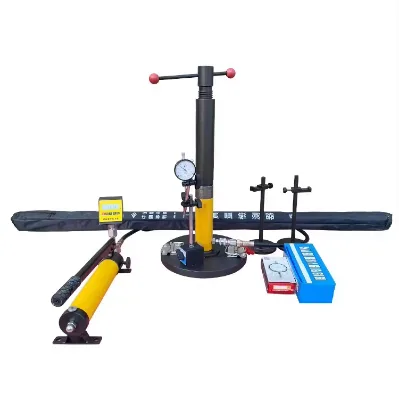
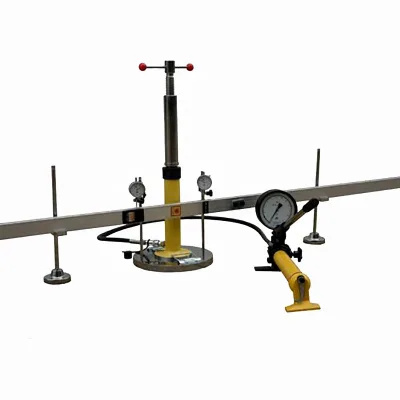
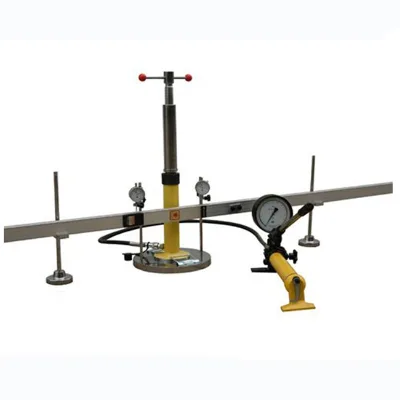


Geoconstruction Surveying Tester Bridge Piles Foundation Static Load Instrument
$1500.00 - $15000.00
MOQ: 1 Set

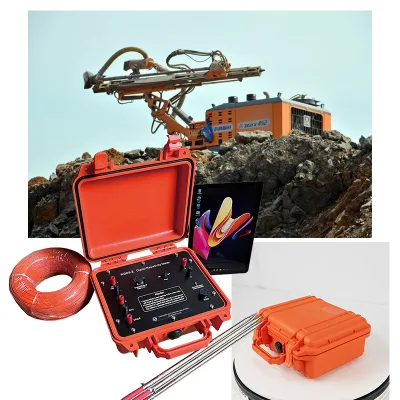
WiFi Static Loading Pile Integrity Testing Instrument Pile Load Tester
$2000.00 - $15000.00
MOQ: 1 Set




Comprehensive Sourcing Guide
IP65 Geotechnical Plate Load Meter Sourcing Guide
Procuring an IP65 Geotechnical Plate Load Meter requires careful attention to the specific environmental ratings and operational capabilities listed in supplier catalogs. Buyers must verify that the device explicitly meets the IP65 protection class to ensure it is dust-tight and protected against water jets, which is critical for outdoor soil testing in variable weather conditions. The observed product data indicates a working temperature range of -30 to +55 Celsius, suggesting these units are engineered for extreme field environments where standard electronics might fail.
When evaluating listings, buyers should cross-reference the stated voltage and power requirements against local site infrastructure. While some entries list a voltage of 220 V, others indicate "Other" or zero power consumption for manual components, necessitating a clear distinction between the hydraulic jack and the electronic data acquisition system. The presence of touch screen operations and wired or wireless control methods further complicates the selection process, requiring a detailed review of the specific model's power architecture to ensure compatibility with the intended testing site.
Product Scope and Observed Listing Signals
The market for these instruments displays a wide variance in functional scope, ranging from basic manual hydraulic jacks to sophisticated digital plate load meters with integrated data storage. Observed listings include models with a single package size of XX cm and others featuring a storage room of 8GB, indicating a split between simple mechanical devices and advanced electronic systems capable of recording displacement and pressure data. Buyers must distinguish between units designed for plate load testing and those intended for soil testing or plate load meter applications, as the internal components and software interfaces differ significantly.
Listing signals also reveal diverse loading capacities, with jack loading ranges observed from 0 to 30 tons up to 60 tons, alongside specific energy ranges of 0 to 10 tons. This variation suggests that a single supplier may offer multiple configurations, requiring the buyer to specify the exact load plate diameter, such as the observed 300mm, and the required measuring bridge span of 3000mm. The selling units are typically listed as single items, but the packaging options vary between cartons, wooden cases, and pallets, which impacts logistics planning and on-site handling requirements.
Technical Specifications to Verify
Technical verification must begin with the hydraulic system's rated pressure and test ranges, as these define the instrument's operational limits. The supplied facts highlight a manual oil pump rated pressure of 70 MPa and a pressure test range of 0 to 40 MPa, while other entries suggest a lower range of 0 to 2.5 MPa. Buyers must confirm which specification applies to their specific project needs, as using a unit with insufficient pressure capacity can lead to equipment failure, while an over-specified unit may be unnecessarily expensive and cumbersome for lighter soil investigations.
The accuracy and displacement measurement capabilities are equally critical for obtaining reliable geotechnical data. Listings show accuracy values of 1 and 0.01, with displacement test ranges spanning from 0 to 10 mm. It is essential to match the required precision of the engineering project with the instrument's stated accuracy, as a value of 1 may be suitable for preliminary surveys, whereas 0.01 is necessary for detailed settlement analysis. Additionally, the heavy lifting stroke of 120mm and the detection depth of 500m for related sensors must be validated against the depth and settlement magnitude expected in the specific soil strata being tested.
Compliance and Safety Documentation
Safety compliance for equipment used in combustible and explosive areas requires specific certification verification beyond standard industrial ratings. The product data explicitly mentions usage in combustible and explosive areas, which implies the need for specialized certifications that are not universally present in all listings. Buyers should request documentation proving that the electronic components, including the touch screen and data channels, are intrinsically safe or explosion-proof rated for the specific hazardous environment where the testing will occur.
Documentation regarding the product's origin and manufacturing standards is also vital for regulatory acceptance in many jurisdictions. The observed place of origin is Shandong, China, and the products carry ISO certification, which serves as a baseline for quality management systems. However, buyers must ensure that the specific model, such as the SLT or SD-A variants, complies with local safety regulations regarding electrical equipment and hydraulic systems. The warranty period of one year should be clearly defined in the contract, outlining the scope of coverage for both mechanical and electronic failures.
Cost Drivers and Commercial Terms
The cost of these instruments is heavily influenced by the complexity of the control method and the data acquisition capabilities. Units featuring touch screen operations, wireless control, and 4 or 8 channels for data storage command a higher price point compared to manual systems with basic pressure gauges. The observed price range of 1 to 20,000 USD reflects this disparity, with the lower end likely representing simple hydraulic jacks and the higher end covering fully automated systems with advanced software and data logging features.
Commercial terms such as the minimum order quantity (MOQ) and customization options significantly affect the total procurement cost. The observed MOQ ranges from 1 to 15 units, allowing for small-scale purchases but potentially increasing the per-unit cost for larger orders if the supplier does not offer volume discounts. Customization is listed as available, which can be a cost driver if the buyer requires specific modifications to the load plate diameter, voltage, or packaging. Buyers should negotiate these terms early to avoid unexpected surcharges for tailored specifications or expedited shipping from the Shandong origin.
Supplier Qualification and Quality Control
Supplier qualification should focus on the manufacturer's ability to provide consistent after-sales service and technical support. The product data confirms that after-sales service is available, but buyers must verify the specific response times and the availability of spare parts for critical components like the oil pump and sensors. Given the high-pressure nature of the equipment, a supplier with a robust support network is essential to minimize downtime during critical geotechnical investigations.
Quality control processes must be validated through the supplier's adherence to the stated standards and production conditions. The products are listed as new and come in various packaging options like cartons or plywood cases, which suggests a focus on protecting the equipment during transit. Buyers should request evidence of the production standard, which ranges from 100 to 2000 tons in some contexts, to ensure the manufacturing process can handle the required load capacities. Inspecting the humidity tolerance of 80% and the waterproof rating is also part of the quality assurance process to ensure long-term reliability in field conditions.
Long-Term Procurement Checks
Long-term procurement success depends on the durability of the equipment under repeated field use and the availability of calibration services. The heavy lifting stroke and displacement test ranges must be maintained within tolerance over time, requiring a supplier who offers regular calibration or verification services. Buyers should establish a maintenance schedule that accounts for the working temperature extremes and the potential for wear on the hydraulic seals and electronic connectors.
Future-proofing the procurement involves ensuring that the data storage and channel capabilities remain relevant as testing standards evolve. With data storage capacities of 48W and channel options of 4 or 8, the system must be compatible with future software updates or data integration requirements. Buyers should also consider the standardization of the product model, such as the k30 or SLT series, to ensure that replacement parts and accessories remain available for years after the initial purchase, reducing the risk of obsolescence.
FAQs
What is the jack loading capacity for this plate load meter?
The jack loading capacity ranges from 0 to 30T or 60T depending on the specific model configuration. This heavy lifting stroke of 120mm ensures reliable performance for soil testing applications. The system supports various standard capacities including 100T up to 2000T for diverse geotechnical requirements.
Can the device operate in extreme environmental conditions?
Yes, the unit features an IP65 protection class and operates within a working temperature range of -30 to +55 Celsius. It is designed for use in combustible and explosive areas with waterproof capabilities. The humidity tolerance reaches up to 80%, ensuring durability in challenging field environments.
What accuracy levels are provided for pressure and displacement testing?
The device offers high precision with an accuracy of 0.01 for displacement and 1 for general measurements. Pressure test ranges extend from 0 to 40Mpa or 0 to 2.5MPa based on the setup. Manual oil pumps rated at 70Mpa support these precise testing protocols for plate load meters.
Is OEM customization available for this geotechnical testing equipment?
OEM customization is available for buyers requiring specific modifications. The product supports custom branding and tailored specifications to meet unique project needs. Buyers can contact suppliers directly to discuss customization options, ensuring the equipment aligns perfectly with their specific geotechnical testing workflows and operational standards.
What warranty and after-sales support are included with the purchase?
The equipment comes with a one-year warranty covering manufacturing defects. After-sales service is available to assist with technical support and maintenance queries. Buyers can rely on dedicated support channels to ensure continuous operation and quick resolution of any issues that may arise during the warranty period or beyond.
How is the data stored and managed during testing?
The system includes 8GB of storage room for data logging and management. It features a touch screen operation interface for easy data entry and review. With wired or wireless control methods, users can efficiently manage testing parameters and retrieve historical data for analysis and reporting purposes in the field.