Source IP65 Outdoor Smart Solar Bin for Street, Hotel, and Recycling
Find 30 IP65 Outdoor Smart Solar Bin options featuring intelligent remote monitoring, UV sterilization, and fullness sensors. Compare capacities from 30L to 240L, stainless steel construction, and OEM customization for street, hotel, and recycling applications.
Key considerations
Products List

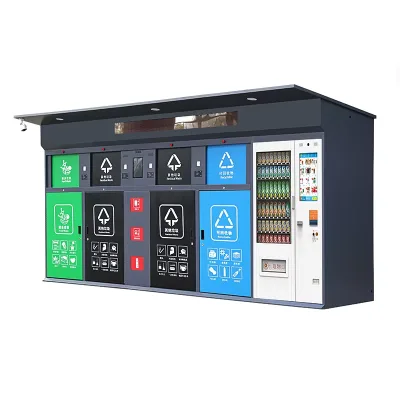
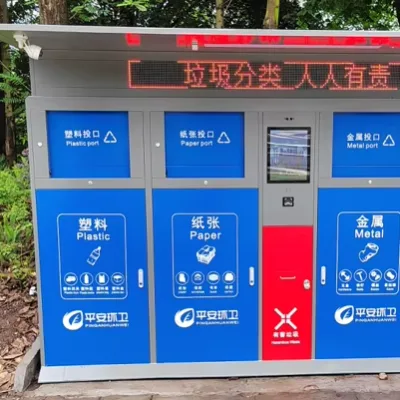


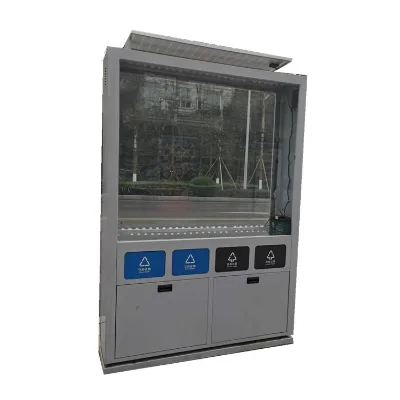
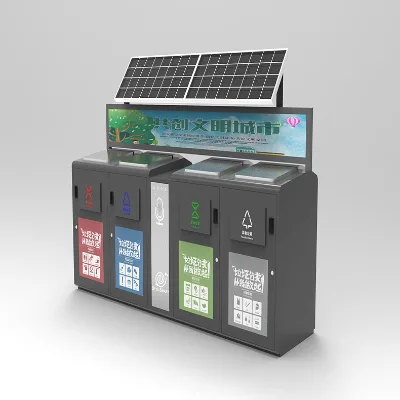
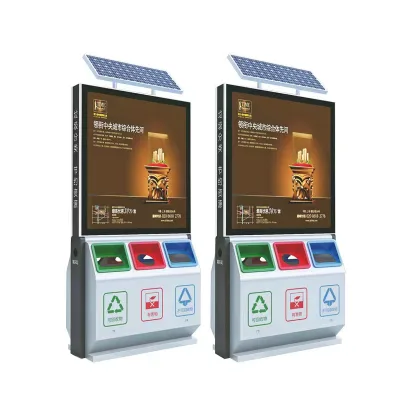
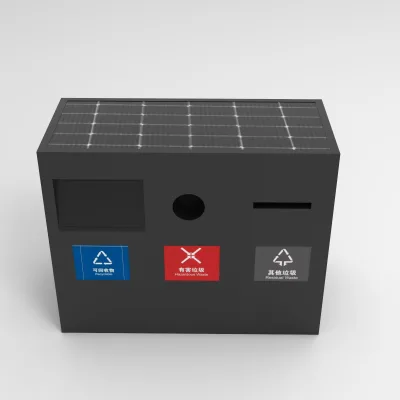
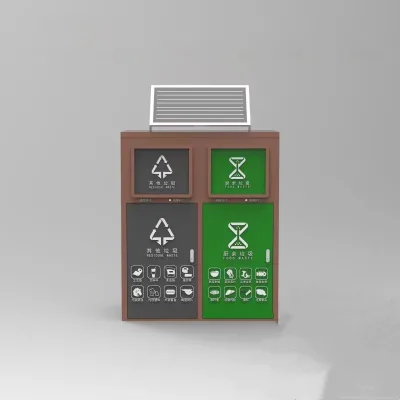
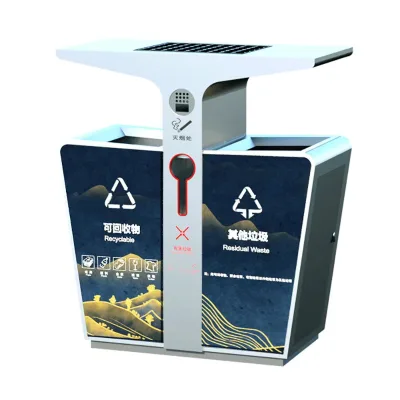
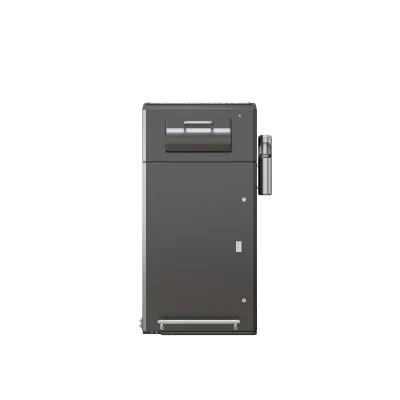
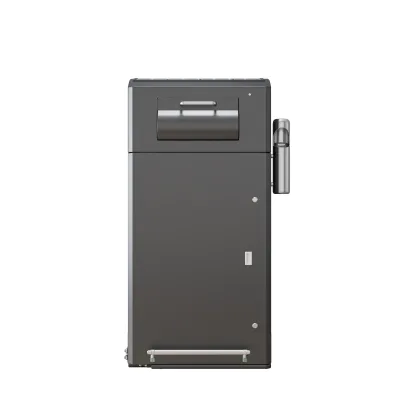
Intelligent Outdoor Furniture Shopping Mall Exterior Smart Garbage Bin
$356.71 - $611.51
MOQ: 2 Minimum
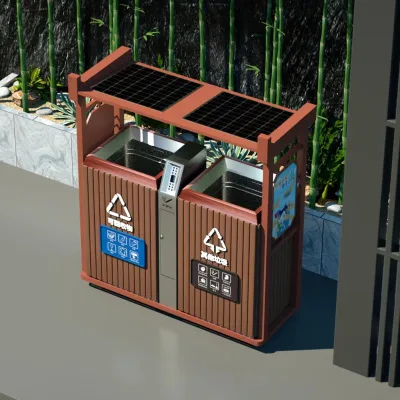
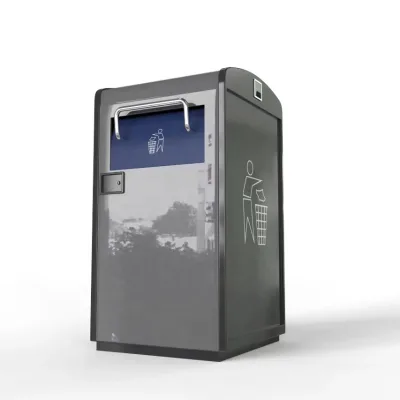


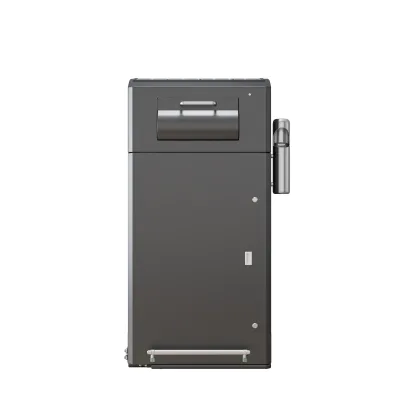


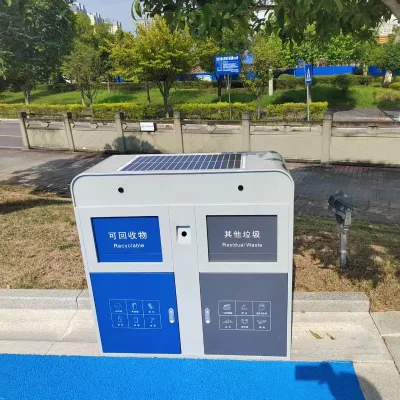
Comprehensive Sourcing Guide
IP65 Outdoor Smart Solar Bin Sourcing Guide
Sourcing IP65-rated outdoor smart solar bins requires a careful balance between environmental durability and advanced technological integration. The IP65 rating indicates that the enclosure is dust-tight and protected against water jets from any direction, a critical specification for waste management units exposed to rain, snow, and street-level cleaning operations. Buyers must verify that this rating applies to the entire operational system, including the sensor housing, control panel, and solar charging interface, rather than just the main bin body. This level of ingress protection ensures that internal electronics remain functional in harsh weather conditions, reducing maintenance frequency and extending the operational lifespan of the asset.
The "smart" and "solar" attributes introduce additional layers of complexity to the procurement process. These units typically integrate fullness monitoring, UV sterilization, and deodorization functions, controlled via intelligent remote monitoring systems. The power source is often monocrystalline silicon solar panels, which require adequate surface area and orientation to function effectively. Procurement teams must evaluate how these components interact, ensuring that the solar charging capacity meets the energy demands of the sensors, heaters, and sterilization units, particularly during periods of low sunlight. This holistic view prevents scenarios where the bin is physically durable but electronically compromised due to insufficient power management.
Product Scope and Observed Listing Signals
The current market landscape for smart outdoor waste bins reveals a diverse range of capacities and configurations, reflecting varied municipal and commercial needs. Observed listings indicate capacity options ranging from small 30-liter units to large 120-liter, 240-liter, and even 660-liter or 1100-liter industrial containers. Some configurations offer modular setups, such as a combination of 240-liter and 30-liter bins, allowing for mixed waste streams like recyclables and general refuse. This variability suggests that buyers should not assume a one-size-fits-all approach; instead, they must align the bin capacity with the specific foot traffic and waste generation rates of the deployment site, whether it be a busy street, a hotel patio, or a large recycling center.
Material composition and structural design are also significant signals in product listings. Most observed units are constructed from metal, specifically steel or stainless steel, providing the sturdiness required for public spaces. The style is predominantly induction-type, featuring automatic lids that open upon detecting motion, which enhances hygiene by minimizing human contact. Additionally, features such as removable inner buckets, pedal mechanisms, and DIY printed patterns offer customization opportunities. Buyers should note that while "eco-friendly" and "automatic" are common descriptors, the actual implementation of these features varies by manufacturer, necessitating a review of the specific product model, such as the HD20220608 or HDZ38, to understand the exact mechanical and electronic capabilities.
Technical Specifications to Verify
When evaluating technical specifications, the working temperature range is a paramount consideration for outdoor deployment. Units must operate reliably in extreme conditions, with observed specifications indicating a working temperature range of -35 to 70 degrees Celsius. This wide range ensures that the bin’s electronics and mechanical parts do not fail during freezing winters or scorching summers. Buyers should verify that the battery management system and solar charge controller are rated for these extremes, as standard consumer-grade components may degrade rapidly outside of moderate temperature bands. Confirming this specification is essential for ensuring year-round functionality in diverse climatic zones.
Another critical technical aspect is the customization support and core functionality integration. Many suppliers offer OEM/ODM services, allowing for custom branding, color schemes, and even geometry patterns on the bin’s exterior. However, buyers must ensure that these customizations do not compromise the IP65 rating or the structural integrity of the unit. The core functions, including fullness monitoring and UV sterilization, should be clearly defined in terms of their operational logic and connectivity. For instance, the intelligent remote monitoring system should specify the communication protocol used to transmit data, whether it be LoRaWAN, NB-IoT, or Wi-Fi, to ensure compatibility with existing municipal or facility management software platforms.
Compliance and Safety Documentation
Compliance with electrical safety standards is non-negotiable for smart bins that integrate solar power and electronic controls. Buyers must request documentation verifying that the solar panels, batteries, and control boards meet relevant international safety standards, such as IEC 61215 for photovoltaic modules and IEC 62133 for battery safety. Although specific certification names may not be listed in all product descriptions, the absence of such documentation is a red flag. Procurement teams should insist on test reports from accredited laboratories to confirm that the electrical systems are protected against short circuits, overcharging, and thermal runaway, which are potential risks in outdoor solar installations.
Data privacy and cybersecurity compliance are also emerging as critical requirements for smart waste management systems. Since these bins often transmit data regarding fill levels and operational status, they may collect information about user behavior or location patterns. Buyers should verify that the supplier adheres to data protection regulations applicable in their region, such as GDPR in Europe or local data sovereignty laws. This includes ensuring that the remote monitoring platform uses encrypted data transmission and secure authentication methods. Requesting a data processing agreement or a security whitepaper from the supplier can help mitigate legal and reputational risks associated with the deployment of connected devices in public spaces.
Cost Drivers and Commercial Terms
The cost of smart solar bins is influenced by several key factors, including material quality, electronic complexity, and customization requirements. Stainless steel construction and high-efficiency monocrystalline solar panels typically command a higher price point compared to standard steel or polycrystalline alternatives. Additionally, the inclusion of advanced features like UV sterilization and deodorization systems adds to the manufacturing cost. Buyers should analyze the total cost of ownership rather than just the unit price, considering the potential savings from reduced waste collection frequency due to accurate fullness monitoring and lower maintenance costs due to durable construction.
Commercial terms such as Minimum Order Quantity (MOQ) and lead times vary significantly among suppliers. Observed MOQs range from single units to larger batches, offering flexibility for pilot projects or large-scale municipal deployments. However, buyers should be aware that customization, such as DIY printing or specific capacity configurations, may increase the MOQ or extend the lead time. It is advisable to negotiate clear terms regarding warranty coverage, spare parts availability, and software update policies. Understanding these commercial dynamics helps in budgeting accurately and planning the rollout schedule, ensuring that the procurement process aligns with the project’s timeline and financial constraints.
Supplier Qualification and Quality Control
Supplier qualification should begin with a thorough assessment of their manufacturing capabilities and quality control processes. Buyers should verify the supplier’s experience in producing smart waste bins, particularly their expertise in integrating solar and electronic components. Requesting factory audits or third-party inspection reports can provide insights into their production standards and consistency. Suppliers located in established manufacturing hubs, such as Yangzhou or Chongqing in China, may offer advantages in terms of supply chain efficiency and component availability, but buyers should still conduct due diligence to ensure that the specific factory meets their quality expectations.
Quality control measures should extend beyond the final product inspection to include incoming material checks and in-process testing. Buyers should inquire about the supplier’s procedures for testing the IP65 rating, solar panel efficiency, and electronic functionality before shipment. Additionally, asking for sample units for independent testing can help validate the supplier’s claims regarding durability and performance. Establishing a clear communication channel for addressing defects or performance issues is also crucial. A reliable supplier should be willing to provide technical support and resolve any quality concerns promptly, ensuring a smooth procurement experience and long-term partnership.
Long-Term Procurement Checks
Long-term procurement success depends on the supplier’s ability to provide ongoing support and product evolution. Buyers should assess the supplier’s roadmap for software updates and hardware improvements, as smart bins rely on continuous connectivity and feature enhancements. A supplier that actively develops its platform and responds to user feedback is more likely to provide a sustainable solution over the bin’s 15-year lifespan. Additionally, buyers should verify the availability of spare parts, such as sensors, batteries, and control boards, to ensure that repairs can be performed efficiently without requiring full unit replacement.
Environmental and sustainability considerations should also be part of the long-term evaluation. Buyers should inquire about the recyclability of the bin’s components and the supplier’s policies on end-of-life disposal. As waste management regulations become stricter, having a supplier who prioritizes eco-friendly materials and processes can help buyers meet their corporate sustainability goals. Regularly reviewing the performance data from deployed bins can also provide insights into operational efficiency and potential areas for improvement, allowing buyers to make informed decisions about future procurement cycles and technology upgrades.
FAQs
What core functions does the smart solar bin provide?
The smart outdoor trash can provides fullness monitoring, UV sterilization, and deodorization. These core functions are managed via intelligent remote monitoring. The system uses a monocrystalline silicon solar panel for power. This ensures efficient waste management and hygiene in public or commercial spaces without manual intervention.
Can the bin be customized for specific branding needs?
Yes, customization is available for OEM and ODM requirements. Buyers can select custom colors and DIY printed patterns, including geometry designs. The product supports various capacities such as 30L, 60L, 80L, and 120L. This flexibility allows businesses to tailor the bin to their specific aesthetic and functional requirements.
What is the expected lifespan of the smart waste bin?
The product has a stated lifespan of 15 years. It is constructed from sturdy metal and stainless steel materials. The design includes a removable inner bucket and water-resistant features. This durability ensures long-term reliability for outdoor, street, or hotel applications under varying environmental conditions.
What capacities are available for the smart sensor waste bin?
Available capacities include 30L, 50L, 60L, 80L, 120L, 240L, 660L, and 1100L. The product is offered in single items or specific configurations like 240L*4+30L*1. Buyers can choose from these options to match the volume requirements of their specific application, whether for small patios or large recycling centers.
Is the bin suitable for both indoor and outdoor use?
Yes, the bin is designed for both indoor and outdoor use. It features a water-resistant structure and an induction type lid. The operating temperature range is -35 to 70 degrees centigrade. This versatility makes it suitable for diverse environments including streets, gardens, beaches, hotels, and restaurants.
What is the packaging method for the smart outdoor trash cans?
The product is packed in a wooden box package. This secure packaging method protects the metal and plastic components during transit. The single package size is specified in centimeters, though exact dimensions vary by model. This ensures the bins arrive in high quality and ready for installation at the destination.