Source IP65 Waterproof Night Vision Binocular for Patrol, Hunting, and Security
Compare 30 listings of IP65 waterproof night vision binoculars featuring thermal sensors, infrared technology, and various resolutions. Buyers can evaluate options with manual or fixed focus lenses, SD card storage, and detection distances up to 5km for civil and security applications.
Key considerations
Products List


Night Vision Goggles Infrared Waterproof Binoculars Night Vision Goggles
$2400.00 - $2700.00
MOQ: 1 Pieces

Night Vision Goggles Infrared Waterproof Handheld Binoculars Night Vision Goggles
$2500.00 - $2700.00
MOQ: 1 Pieces

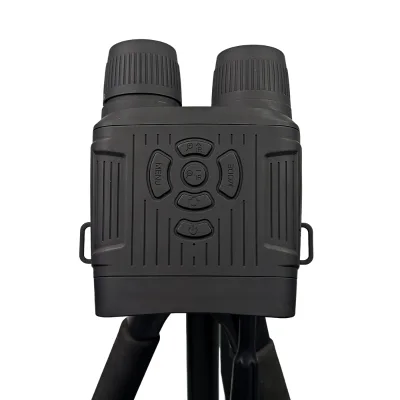


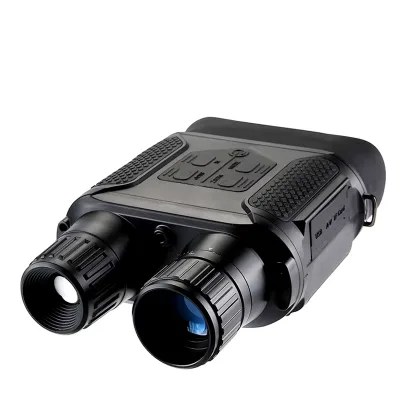
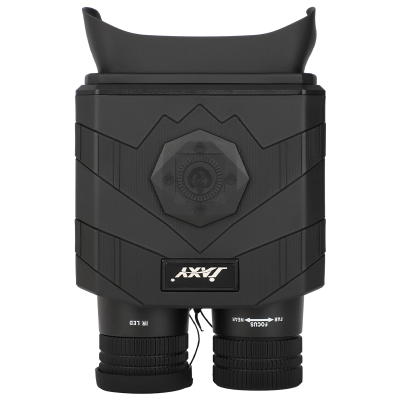

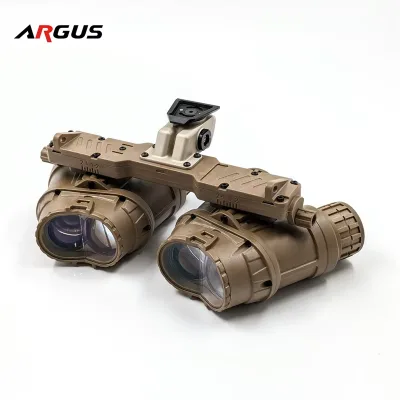


Premium 490g Night Vision Pvs31 WiFi Binoculars for Outdoor Adventures
$3200.00 - $3850.00
MOQ: 2 Sets


Long-Distance Day and Night Observation Night Vision Thermal Imaging Binoculars 900
$10857.00 - $11428.00
MOQ: 5 Pieces
Comprehensive Sourcing Guide
IP65 Waterproof Night Vision Binoculars Sourcing Guide
Sourcing IP65 waterproof night vision binoculars requires a nuanced understanding of the intersection between optical performance, environmental durability, and electronic integration. These devices are not merely optical tools but complex electro-optical systems designed for low-light observation, often incorporating infrared technology or image intensification to maintain visibility in darkness. The "IP65" designation indicates a specific level of ingress protection, ensuring the device is dust-tight and protected against water jets from any direction, which is critical for outdoor, marine, or industrial applications where exposure to rain, dust, or humidity is inevitable. Buyers must recognize that while the term "binoculars" suggests a traditional optical form factor, modern iterations often include digital sensors, thermal imaging capabilities, or hybrid systems that blur the line between optical and digital surveillance equipment.
The procurement landscape for these devices is diverse, ranging from simple manual focus lenses to advanced head-mounted or fixed-focus systems with remote control capabilities. Suppliers may offer variations in sensor size, resolution, and effective detection distances, which directly impact the unit's suitability for specific use cases such as civil surveillance, security patrols, or recreational night viewing. Understanding the distinction between uncooled thermal sensors and image intensifier technologies is essential, as each offers different performance characteristics regarding heat detection versus light amplification. Furthermore, the presence of features like SD card storage, HDMI output, or specific operating voltages indicates a higher level of integration, requiring buyers to assess their power supply and data management infrastructure before placing orders.
Product Scope and Observed Listing Signals
The market for night vision binoculars exhibits a wide range of specifications, with observed listings indicating effective distances of 30 meters or more and surveillance distances extending up to 5 kilometers for certain high-end models. Horizontal resolutions vary, with some units offering 600tvl or 650tvl, while others may specify digital resolutions such as 640x480 or 720P HDMI output. These variations suggest that buyers are not limited to a single performance tier; instead, they can select devices based on the required clarity and range for their specific operational environment. The presence of both manual and fixed focus lenses indicates that optical adjustment preferences vary by application, with manual focus potentially offering greater flexibility for varying distances and fixed focus providing simplicity and durability for static monitoring tasks.
Packaging and origin data reveal that many suppliers are located in regions like Jinan, Shandong, China, and utilize carton or wooden packaging for export. This logistical information is crucial for planning freight and handling, especially for heavy or fragile optical equipment. The observed price range is broad, reflecting the disparity between basic infrared night vision devices and more complex thermal or high-resolution digital systems. Buyers should note that attributes such as "customization available" and "civil application" suggest that manufacturers are open to tailoring products for specific market needs, whether for personal use or professional security deployments. Understanding these listing signals helps in filtering suppliers and identifying those who can meet specific technical and commercial requirements.
Technical Specifications to Verify
When evaluating technical specifications, the sensor size is a critical parameter, with observed options including 1/3 inch and 1/4 inch sensors. The choice of sensor size often correlates with the device's sensitivity to light and its overall image quality, with larger sensors generally performing better in low-light conditions. Additionally, the focal length, such as the observed 75mm, determines the magnification and field of view, which must be balanced against the desired detection distance. Buyers should verify whether the device uses an uncooled thermal sensor or an image intensifier, as this fundamentally changes the device's capability to detect heat signatures versus visible light. The optical aperture, noted as F1.2 25mm in some listings, is another key factor, as a wider aperture allows more light to enter, enhancing night vision performance.
Other technical attributes to verify include the field of view, which may be specified as 42+/-3 degrees, and the operating voltage, which can range from 2.6-4.2V for portable units. The inclusion of features like remote control, either with or without, impacts user convenience and operational flexibility, particularly for surveillance applications where the device may be mounted in inaccessible locations. Storage capabilities, such as SD card support, and output formats like HDMI are essential for recording and real-time monitoring. Buyers must also confirm the protection rating, ensuring it meets or exceeds the IP65 standard for waterproof and dustproof performance, and check the weight specifications, which can vary significantly between housing and finished product weights, affecting portability.
Compliance and Safety Documentation
Compliance with international standards is a non-negotiable aspect of sourcing electronic night vision devices. Common certifications observed in the market include CE, FCC, and CCC, which indicate conformity with health, safety, and environmental protection standards for products sold within the European Union, United States, and China, respectively. Additionally, EMI/EMC certification ensures that the device does not emit excessive electromagnetic interference and is immune to such interference, which is crucial for devices used in sensitive electronic environments. Buyers should request valid certification documents from suppliers to verify that the products have undergone rigorous testing and meet the regulatory requirements of their target markets.
Beyond electronic certifications, quality management standards such as ISO9001 and ISO9000 are often cited, indicating that the manufacturer has established processes for consistent quality control. While some listings mention SGS, it is important to clarify whether this refers to a specific product test report or a broader quality system certification. Material standards, such as the use of metal or plastic shells, also play a role in durability and compliance, with metal housings often providing better protection and heat dissipation. Buyers should ensure that all documentation is up-to-date and that the certifications are issued by recognized bodies, as this reduces the risk of customs delays or legal issues in the destination country.
Cost Drivers and Commercial Terms
The cost of IP65 waterproof night vision binoculars is influenced by several factors, including the complexity of the optical and electronic components, the level of customization required, and the order volume. The observed MOQ range of 1-200 units suggests that suppliers are flexible, catering to both small-scale buyers and larger procurement contracts. However, buyers should be aware that lower MOQs may come with higher per-unit costs, while larger orders might offer economies of scale. The price range of $5.5 to $11,428 USD highlights the vast difference between basic infrared devices and advanced thermal imaging systems, so buyers must align their budget with their technical requirements.
Commercial terms such as packaging and shipping methods also impact the total cost of ownership. Export standard packaging, carton, or wooden crates are common, and the choice of packaging can affect freight costs and the risk of damage during transit. Lead times are not explicitly stated in the observed data, but buyers should inquire about production schedules and delivery estimates, especially for customized orders. Payment terms, warranty policies, and after-sales support are also critical components of the commercial agreement. Buyers should negotiate clear terms regarding returns, repairs, and technical support to mitigate risks associated with electronic equipment failures.
Supplier Qualification and Quality Control
Supplier qualification is a critical step in ensuring the reliability and quality of night vision binoculars. Buyers should verify the supplier's manufacturing capabilities, including their production lines, quality control processes, and testing facilities. Suppliers located in established manufacturing hubs like Jinan, Shandong, China, may have access to a robust supply chain and skilled labor, but buyers should still conduct due diligence to assess their reputation and track record. Requesting samples before placing bulk orders is a prudent strategy to evaluate the product's performance, build quality, and compliance with specifications.
Quality control measures should include rigorous testing for waterproofing, optical clarity, and electronic functionality. Buyers should inquire about the supplier's defect rate and their procedures for handling non-conforming products. Additionally, suppliers who offer customization services should demonstrate their ability to maintain quality standards while adapting products to specific requirements. Building a long-term relationship with a qualified supplier can lead to better pricing, priority production, and improved support. Buyers should also consider the supplier's responsiveness and communication skills, as these factors are essential for resolving issues quickly and efficiently.
Long-Term Procurement Checks
Long-term procurement success depends on continuous monitoring of product performance and supplier reliability. Buyers should establish key performance indicators (KPIs) to track metrics such as delivery times, product defect rates, and customer satisfaction. Regular audits of the supplier's quality management system can help identify areas for improvement and ensure ongoing compliance with standards. Additionally, buyers should stay informed about technological advancements in night vision technology, as this can impact the relevance and competitiveness of their procurement strategy.
Feedback from end-users is invaluable for identifying potential issues and driving product improvements. Buyers should encourage users to report any problems related to durability, image quality, or ease of use, and share this feedback with the supplier. Maintaining open communication with the supplier can facilitate collaborative problem-solving and innovation. Finally, buyers should periodically review their supplier base to ensure they are getting the best value and quality, considering alternative suppliers if necessary. This proactive approach helps mitigate risks and ensures a stable supply chain for IP65 waterproof night vision binoculars.
FAQs
What is the effective distance for this night vision binocular?
The effective distance is at least 30 meters for standard operation. Some models with thermal sensors can detect targets up to 6000 meters away, depending on the specific sensor configuration and environmental conditions.
Which certifications do these binoculars typically hold?
These products commonly hold CE, FCC, CCC, and EMI/EMC certifications. Additional standards like ISO9001 or SGS may also apply depending on the specific manufacturer and production batch requirements.
Can I customize the specifications for this night vision device?
Yes, customization is available for many models to meet specific buyer needs. Buyers can request changes to features like lens type, sensor size, or packaging options to suit their operational requirements.
What is the horizontal resolution of the camera sensor?
The horizontal resolution is typically 650tvl or 600tvl depending on the specific model variant. This resolution ensures clear image capture for surveillance and night vision applications in low-light environments.
How is the product protected against weather conditions?
The device features an IP66 protection rating, making it waterproof and weatherproof for outdoor use. This ensures reliable operation in various environmental conditions without damage to internal components.
What is the origin location of these night vision binoculars?
The products originate from Jinan, Shandong, China, or other regions within China. This location indicates the manufacturing base for the supplied units and influences logistics and lead time planning.
Which storage options are supported by this binocular system?
The system supports SD Card storage for recording and data retention. This allows users to save captured images or video footage directly to the card for later review and analysis.