Source IP68 AISG RET Control Cable for Telecom, RF, and Local Comm
Find and compare IP68 AISG RET Control Cable options from 30 verified listings. Evaluate specifications such as 8-pin interfaces, bare copper conductors, and LSZH jackets to select the right solution for telecom, RF, and local communication applications.
Key considerations
Products List


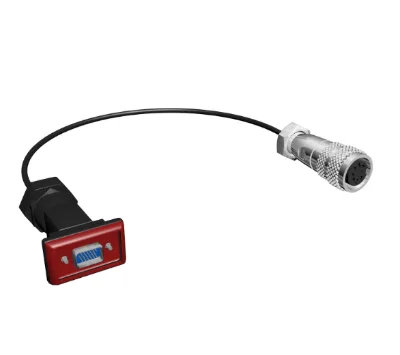


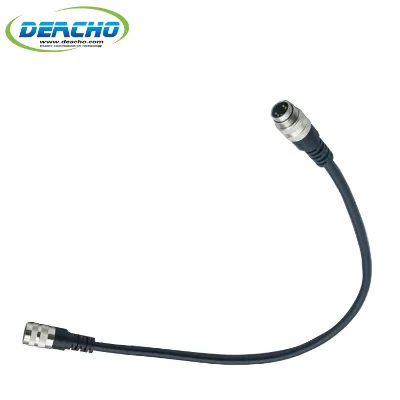


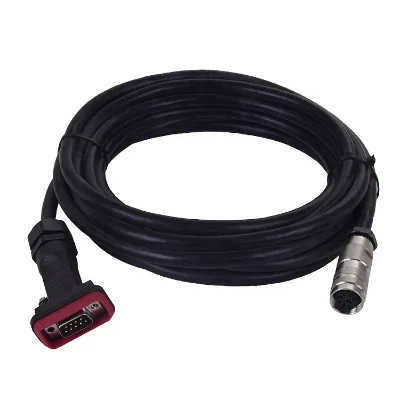


FTP CAT6  Data Network Cables FTP/STP CAT6 Cable, SFTP CAT6 Data Cable
$0.25 - $3.00
MOQ: 305 Meters
Comprehensive Sourcing Guide
IP68 AISG RET Control Cable Sourcing Guide
Procuring IP68 AISG remote control cables requires a disciplined approach that balances environmental sealing integrity with precise electrical signal transmission. These cables are critical components in telecommunications infrastructure, specifically for the remote electrical tilt (RET) systems that adjust antenna azimuth and tilt angles in base stations. Buyers must recognize that "IP68" is not a single universal standard but a performance claim that varies by manufacturer, requiring rigorous verification of ingress protection ratings under actual installation conditions. The core challenge lies in sourcing a cable that maintains signal integrity for AISG protocols while withstanding harsh outdoor environments, including moisture, dust, and mechanical stress.
The market for these specialized cables is fragmented, with suppliers offering a wide range of configurations based on connector types, core counts, and jacket materials. Observations from current listings indicate a diverse product landscape, including models with 8-pin male to 8-pin female interfaces and varying lengths such as 3-meter, 5-meter, and 10-meter options. Buyers should not assume that all listed products meet the same technical thresholds. Instead, the sourcing process must focus on verifying the specific construction details, such as conductor material, jacket composition, and shielding effectiveness, to ensure compatibility with existing network equipment and long-term reliability in the field.
Product Scope and Observed Listing Signals
The observed product range for AISG control cables includes coaxial configurations designed for telecom and local communication applications. Listings frequently highlight customization capabilities, allowing buyers to specify lengths and connector arrangements to fit unique site requirements. For instance, specific model numbers observed include HDB9-J-FS1-C-6K-8T-1-3m-1 and ZD-AISG-8M-8F-5M, indicating a variety of pin configurations and length options. These signals suggest that buyers have access to tailored solutions rather than just off-the-shelf standard items, which is crucial for complex base station installations where cable runs vary significantly in distance and routing.
Material composition is a key differentiator in the observed listings, with bare copper and silver-plated copper wires appearing as common conductor choices. The jacket materials also vary, with LSZH (Low Smoke Zero Halogen) PVC and standard PVC options available, reflecting different safety and environmental requirements. Some listings specify solid conductor types, which are typical for fixed installations where flexibility during deployment is less critical than long-term stability. Buyers should note that while many products originate from China, specifically Zhejiang province, the specific material grades and manufacturing processes can differ widely between suppliers, necessitating careful review of technical datasheets before placing orders.
Technical Specifications to Verify
Voltage withstand capabilities are a critical technical parameter that must be verified for each cable batch. Observed specifications indicate continuous withstand voltages of 300V and pulse withstand voltages of 1000V, which are essential for protecting sensitive RET control electronics from electrical surges. Buyers must ensure that the selected cable meets or exceeds the voltage requirements of their specific network equipment. Additionally, the number of cores, typically ranging from 6-core to 8-core configurations, must match the pinout requirements of the connected antennas and controllers. Mismatched core counts can lead to communication failures or incomplete control signals, resulting in costly site visits for troubleshooting.
Connector interface integrity is another vital area for verification. The observed products often feature 8-pin male and 8-pin female interfaces, which are standard for AISG 2.0 compliant devices. However, buyers should verify the physical dimensions and locking mechanisms of these connectors to ensure a secure fit that prevents accidental disconnection due to wind or vibration. Furthermore, the cable’s shielding and grounding characteristics must be confirmed to prevent electromagnetic interference (EMI) from disrupting the low-voltage control signals. While some listings mention SMA types or other connector styles, the primary focus for AISG applications should remain on robust, weather-sealed connectors that maintain signal integrity over the cable’s lifespan.
Compliance and Safety Documentation
Certification status is a primary indicator of a supplier’s commitment to quality and regulatory compliance. Observed listings frequently mention RoHS certification, which restricts the use of hazardous substances in electrical and electronic equipment. Buyers should request valid RoHS test reports from suppliers to verify that the materials used in the cable, including the jacket and conductors, meet these environmental standards. Additionally, some products are listed with UL certification, which provides assurance of safety performance in North American markets. It is crucial to distinguish between self-declared compliance and third-party verified certifications, as the latter offers greater protection against regulatory audits and liability issues.
Standardization and industry compliance also play a significant role in procurement decisions. While some listings mention customization of standards, others reference specific length standards such as 1/2/3/5/6/10M. Buyers should verify that the cable construction adheres to relevant telecommunications standards, such as those defined by the AISG protocol, to ensure interoperability with equipment from different manufacturers. Furthermore, if the cable is intended for use in automotive or industrial wiring harness applications, additional certifications related to flame retardancy and mechanical durability may be required. Buyers must clarify these requirements with the supplier early in the sourcing process to avoid receiving non-compliant products.
Cost Drivers and Commercial Terms
The price range for AISG control cables is observed to be between $0.01 and $20 USD, reflecting the vast differences in cable length, connector quality, and material composition. Shorter cables with basic PVC jackets and standard connectors will naturally fall at the lower end of this spectrum, while longer cables with LSZH jackets, silver-plated conductors, and specialized shielding will command higher prices. Buyers should analyze the cost per meter rather than the total unit price to accurately compare offerings from different suppliers. Understanding these cost drivers helps in budgeting for large-scale deployments where small per-unit differences can accumulate into significant total cost of ownership variations.
Minimum Order Quantities (MOQ) and lead times are significant commercial factors that impact procurement planning. Observed MOQs range from 1 to 15,000 pieces, indicating that suppliers cater to both small-scale replacement needs and large-scale infrastructure projects. Lead times are typically reported as 15-30 days, which buyers must factor into their project schedules. For customized orders, such as specific lengths or connector configurations, lead times may extend beyond this range. Buyers should negotiate clear terms regarding production schedules, payment milestones, and penalties for delays to mitigate supply chain risks. Additionally, packaging details, such as carton boxes or standard export packages, should be confirmed to ensure safe transit and efficient handling at the destination.
Supplier Qualification and Quality Control
Supplier qualification begins with verifying their manufacturing capabilities and quality control processes. Observed listings mention specific machinery such as wire cutting and striping machines (C351, C350), terminal crimping machines (AMP-12), and injection machines (T-120), which suggests a level of in-house production capability. Buyers should request evidence of these capabilities, including photos or videos of the production line, to ensure that the supplier has the necessary equipment to maintain consistent quality. Furthermore, suppliers with a supply ability of 1,000 pieces per month or more are better positioned to handle larger orders without compromising on quality or delivery schedules.
Quality control measures should include rigorous testing of the finished cables for electrical performance and environmental resistance. Buyers should inquire about the supplier’s testing protocols, including checks for continuity, insulation resistance, and IP68 sealing integrity. While specific test results are not always listed, reputable suppliers should be able to provide sample test reports or undergo third-party inspections. Additionally, buyers should verify the supplier’s ability to provide customization, as this indicates flexibility and technical expertise. Establishing a clear communication channel for addressing quality issues and requesting replacements is essential for maintaining a reliable supply chain.
Long-Term Procurement Checks
Long-term procurement success depends on establishing a robust supplier relationship and continuous performance monitoring. Buyers should conduct periodic audits of the supplier’s quality control processes and review their track record for on-time delivery and defect rates. Maintaining a buffer stock of critical cable lengths and configurations can help mitigate supply chain disruptions. Furthermore, buyers should stay updated on industry standards and technological advancements in AISG and RET systems to ensure that their procurement specifications remain relevant and competitive. Regularly reviewing and updating supplier qualification criteria helps in identifying new, high-quality suppliers and maintaining a diverse supply base.
Finally, buyers should implement a feedback loop from the field to inform future procurement decisions. Data on cable failures, installation difficulties, and performance issues should be systematically collected and shared with suppliers to drive continuous improvement. This collaborative approach ensures that the supplied cables meet the evolving needs of the network infrastructure. By focusing on long-term partnerships rather than transactional purchases, buyers can secure better pricing, priority service, and access to innovative product solutions. This strategic approach to procurement not only reduces total cost of ownership but also enhances the reliability and efficiency of the telecommunications network.
FAQs
What customization options are available for the cable length?
The cable length is fully customizable to meet specific project requirements. You can request lengths such as 3 meters, 5 meters, or 10 meters based on your needs. This flexibility ensures the product fits your exact installation environment without waste.
Which certifications does the coaxial cable hold for safety compliance?
The product holds RoHS certification and complies with UL standards. These certifications ensure the materials are safe for use in various industries including telecommunications and automotive applications. Always verify specific batch documentation for full compliance details.
Can the cable withstand high voltage pulses in telecom applications?
Yes, the cable can withstand a continuous voltage of 300V and pulse voltage up to 1000V. This makes it suitable for demanding telecom and RF applications where electrical stability is critical. Ensure your system voltage does not exceed these limits.
What is the lead time for orders of this coaxial cable?
The standard lead time for production is between 15 to 30 days. This duration allows for quality control and customization of the wire core and jacket materials. Expedited options may vary depending on current factory capacity and order volume.
Which interface types are supported by this control cable?
The cable supports 8-pin male and 8-pin female interfaces for connectivity. It is designed for local communication and RF applications requiring robust connections. Check your device specifications to ensure compatibility with these specific pin configurations before ordering.
How is the product packaged for international shipping?
The product is packaged in standard export carton boxes or individual boxes. This packaging protects the cable during transit and ensures it arrives in perfect condition. The packaging details are designed to meet standard international shipping requirements for electronic components.