Find IP68 Black PMMA Integrated Circuits for Security, Automotive, and Medical
Source 30 verified listings for IP68 Black PMMA Integrated Circuits suitable for outdoor security, automotive electronics, and medical devices. Buyers can compare specifications, pricing, and packaging options from multiple suppliers to find the right components for their projects.
Key considerations
Products List


RK809-5 RK809-2 RK809 complex power-management integrated circuit pmic ic
$1.60 - $340.00
MOQ: 10 Pieces


High Performance Multi-mode PWM Controller IC AP8268 Electronic Component
$0.04 - $0.14
MOQ: 4000 Pieces


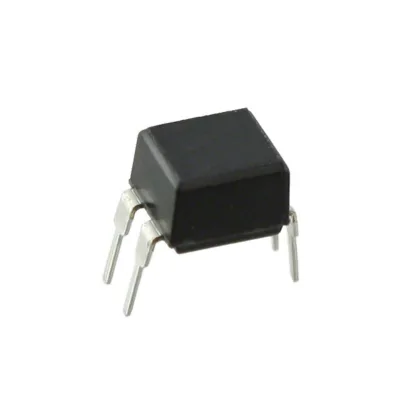


Comprehensive Sourcing Guide
Strategic Sourcing Framework for IP68 Black PMMA Integrated Circuit Solutions
The procurement landscape for specialized electronic components often involves navigating complex intersections of material science, electrical performance, and environmental durability. When buyers search for terms such as "IP68 Black PMMA Integrated Circuits," they are typically seeking a highly specific configuration: an integrated circuit housed within a protective enclosure that offers maximum dust ingress protection and water immersion resistance, utilizing Polymethyl Methacrylate (PMMA) in a black finish. While the core keyword suggests a specific physical form factor, the underlying reality of the supply chain requires a disciplined approach to verifying that the electronic components themselves meet the rigorous demands of such an environment. The following guide outlines the essential steps for sourcing these components, grounded in the available product data and established industry practices for high-reliability procurement.
Understanding the Physical and Electrical Architecture
The term "IP68 Black PMMA Integrated Circuits" describes a system-level assembly rather than a single semiconductor die. In this context, the Integrated Circuit (IC) serves as the functional core, while the IP68 rating and PMMA housing constitute the protective interface. The provided product data reveals a diverse range of IC types that could potentially serve as the internal component for such an assembly. For instance, the catalog includes "Unipolar Integrated Circuit" and "Bipolar Integrated Circuit" options, indicating that the internal logic or power handling requirements can vary significantly between different suppliers.
Furthermore, the integration levels observed in the supply data range from GSI (Giga-scale Integration) to ULSI (Ultra-large-scale Integration) and MSI (Medium-scale Integration). A buyer must determine which integration level aligns with the complexity of the application. A device requiring high-density logic might necessitate a ULSI component, whereas a simpler voltage regulator might suffice with an MSI or GSI part. The technical "Technics" listed in the source data include "Thick Film IC," "Thin Film IC," and "Semiconductor IC." These distinctions are critical because the manufacturing process of the IC itself affects its thermal stability and susceptibility to moisture, which directly impacts the success of the IP68 sealing process.
The physical shape of the components also varies, with observations of "Flat" and "SMD" (Surface Mount Device) forms. An SMD component is generally preferred for compact, high-density assemblies, but the mounting style must be compatible with the PMMA housing design. The data also notes "SOP-8" and "SOP" as specific package types. When sourcing for an IP68 application, the package must be robust enough to withstand the molding or encapsulation process required to achieve the black PMMA finish without compromising the internal electrical connections.
Compliance Verification and Material Standards
Achieving an IP68 rating is not merely a marketing claim; it is a rigorous standard defined by the International Electrotechnical Commission (IEC) regarding ingress protection. The "IP68" designation specifically implies that the device is dust-tight (the '6') and protected against continuous immersion in water under conditions specified by the manufacturer (the '8'). For a black PMMA housing, the material properties of the PMMA are paramount. While the provided text mentions "Plastic and copper" and "iron and plastic" as product standards, these are generic descriptions that do not confirm the specific grade of PMMA required for optical clarity, UV resistance, or chemical stability.
Buyers must verify that the PMMA material used for the housing is certified for outdoor or harsh environment use. The black pigment added to the PMMA must not degrade under UV exposure, as this could lead to cracking or loss of structural integrity, thereby voiding the IP68 rating. Additionally, the supply data indicates that several products are "RoHS Compliant" and "Lead Free." This is a mandatory baseline for most modern B2B procurement, ensuring that the assembly does not contain restricted hazardous substances. However, compliance with RoHS does not automatically guarantee IP68 performance; the sealing mechanisms and the interface between the IC leads and the PMMA housing must be tested separately.
The "Lead Free Status" is a critical compliance checkpoint. If the internal IC or the soldering materials used to attach the IC to the PCB within the housing are not lead-free, the entire assembly may fail to meet environmental directives. Buyers should request Material Safety Data Sheets (MSDS) and specific compliance certificates for the PMMA resin, ensuring it meets the necessary fire ratings and chemical resistance profiles for the intended application environment.
Cost Drivers and Economic Factors in Specialized Enclosures
The cost of an IP68 black PMMA integrated circuit solution is driven by several distinct factors beyond the price of the semiconductor die itself. The primary cost driver is the custom molding process required to create the black PMMA housing. Unlike standard plastic packaging, creating a hermetic seal that achieves IP68 ratings often requires multi-step injection molding, precise alignment of the IC within the cavity, and potentially the use of secondary sealing gaskets or adhesives. The "Standard Packaging" and "Tube" or "Box" options listed in the data refer to the shipping method of the raw IC, not the final IP68 assembly, which adds a layer of manufacturing complexity and cost.
The "MOQ" (Minimum Order Quantity) range observed in the supply data spans from 1 to 4000 units. For custom IP68 assemblies, the MOQ is likely to be higher than for standard off-the-shelf ICs. The setup costs for creating the specific black PMMA mold and the tooling for the IP68 sealing process are significant. Consequently, buyers purchasing small quantities may face a disproportionately high unit cost. The "Customization: Available" attribute suggests that some suppliers can accommodate specific design requirements, but this flexibility often comes with a premium price and a longer lead time.
Additionally, the "Operating Temperature" range of -55℃ to 125℃ noted in the data indicates that high-performance components are available, but these components often command a higher price due to the rigorous testing and quality control required to ensure they function correctly across such a wide thermal spectrum. The combination of high-temperature resistance and IP68 sealing requires materials that can expand and contract without leaking, which further influences the final cost structure.
Typical Applications and Performance Expectations
Devices described by the core keyword are typically deployed in environments where exposure to water, dust, and harsh chemicals is a constant threat. The "Security Equipment" attribute found in the product data points to a likely application in surveillance systems, such as outdoor cameras or access control readers, where the IP68 rating is essential for reliability. The "Voltage Regulators - DC DC Switching Controllers" category suggests use in power management systems for remote or mobile devices that must operate in wet conditions.
The "Step-up, Step-up/Step-Down" functionality indicates that these circuits are used to manage power conversion efficiently, a critical requirement for battery-operated devices in the field. The "Dual Operational Amplifier" and "IC Reg Ctrlr Bst/Flybk" descriptions further support applications in signal processing and power conversion for industrial automation, medical devices, or automotive systems. In these contexts, the black PMMA housing serves a dual purpose: providing environmental protection and offering UV shielding to prevent the degradation of internal components.
Buyers should expect that the performance of the IC within the IP68 housing will be slightly different from the bare die due to thermal resistance introduced by the PMMA and the sealing process. The "Condition: Brand New and Original" and "Quality: Genuine New Original" attributes in the data are essential for ensuring that the internal components have not been subjected to thermal stress or moisture damage prior to assembly.
Supplier Evaluation and Quality Assurance Protocols
When evaluating suppliers for IP68 Black PMMA Integrated Circuits, buyers must look beyond the basic product listing. The "Shipping by" options listed (DHL, UPS, FedEx, EMS, HK Post) indicate a global supply chain, but they do not guarantee the quality of the final assembly. A robust supplier evaluation process should include a request for detailed process documentation regarding the IP68 testing. This includes evidence of water immersion tests, dust ingress tests, and thermal cycling tests that the specific assembly has passed.
The "D/C: 17+" (Date Code) and "MFG.: HOLTEK" or "ROCKCHIP" details in the data highlight the importance of traceability. Buyers should verify the manufacturing date of the ICs to ensure they are not obsolete or stored for extended periods, which can affect the reliability of the semiconductor. The "Mounting Style: SMD/SMT" requires suppliers to demonstrate their capability in handling surface-mount technology within a sealed environment.
Quality control should also extend to the PMMA material itself. Buyers must verify that the black pigment is stable and that the material does not yellow or become brittle over time. The "Standard Packaging" and "Tube" options for the raw ICs suggest that the supplier must have a controlled environment for storage and handling to prevent static discharge or physical damage before the final assembly.
Long-Term Procurement and Supply Chain Resilience
Sourcing specialized components like IP68 Black PMMA Integrated Circuits requires a long-term perspective on supply chain resilience. The "Customization: Available" attribute suggests that designs may need to be adapted over time, requiring a supplier capable of agile manufacturing. Buyers should establish contracts that include provisions for continuous supply, even if the specific IC model (such as "UC3845B" or "RX-8581SAB") becomes obsolete.
The "Operating Temperature" range of -55℃ to 125℃ is a strong indicator of high reliability, but it also implies that the component is intended for demanding applications. In such cases, the lead time for replacement parts or re-engineering the housing must be factored into the procurement strategy. The "MOQ" range of 1 to 4000 units offers flexibility, but buyers should aim to negotiate volume-based pricing that aligns with their long-term production forecasts to mitigate the impact of high setup costs.
Finally, the "Product Origin: Chn" and "China" locations indicate that the supply chain is heavily reliant on manufacturing hubs in China. Buyers should diversify their supplier base or establish strong relationships with multiple vendors to mitigate risks associated with geopolitical tensions or logistical disruptions. Ensuring that the supplier has a robust quality management system and a clear path for product traceability is essential for maintaining the integrity of the IP68 rating over the lifespan of the product.
Comparative Analysis of Component Attributes
To assist in the decision-making process, the following table summarizes key attributes observed in the supply data that are relevant to IP68 black PMMA integrated circuit sourcing. This comparison highlights the diversity of available options and the specific parameters that buyers must align with their application requirements.
| Attribute Category | Observed Variations | Relevance to IP68/PMMA Sourcing |
|---|---|---|
| Conductive Type | Unipolar, Bipolar | Determines the internal logic and power handling; affects thermal management within the PMMA housing. |
| Integration Level | GSI, ULSI, MSI | Higher integration (ULSI) allows for more complex functions in a smaller footprint, beneficial for compact IP68 enclosures. |
| Technics | Thick Film, Thin Film, Semiconductor | Impacts the manufacturing process and the compatibility with the molding process for the black PMMA housing. |
| Package/Shape | Flat, SMD, SOP-8, SOP | SMD is preferred for modern assemblies; the package must withstand the sealing process without damage. |
| Operating Temp | -55℃ to 125℃ | Critical for ensuring the IC functions correctly within the thermal constraints of the PMMA enclosure. |
| Compliance | RoHS Compliant, Lead Free | Mandatory for environmental compliance; ensures the assembly meets global regulatory standards. |
| Origin | Chn, China | Indicates the manufacturing hub; requires verification of quality control standards and logistics reliability. |
| Condition | Brand New, Original, Genuine | Essential for ensuring the IC has not been degraded by prior storage or handling, which could compromise the IP68 seal. |
This structured approach to sourcing ensures that buyers can navigate the complexities of the IP68 black PMMA integrated circuit market with confidence, relying on verified data and established industry practices rather than unverified claims. By focusing on the interplay between the semiconductor's technical specifications and the environmental requirements of the housing, procurement teams can secure reliable, high-performance solutions for their most demanding applications.
FAQs
What integration levels are available for these integrated circuits?
Available integration levels include GSI, ULSI, and MSI depending on the specific model. Buyers must select the level that matches their application complexity, as options range from simple voltage regulators to high-density logic controllers.
Which certifications apply to the lead-free status of these components?
The components are RoHS Compliant and meet Lead Free Status requirements. This ensures the assembly does not contain restricted hazardous substances, which is a mandatory baseline for modern B2B procurement and environmental directives.
How does the operating temperature range affect component selection?
Selected components support an operating temperature range from -55 to 125 degrees Celsius. This wide thermal spectrum indicates suitability for demanding environments but requires materials that can expand and contract without compromising the IP68 seal.
Can buyers request customization for these integrated circuit assemblies?
Customization is available for specific design requirements upon request. However, this flexibility often comes with a premium price and a longer lead time compared to standard off-the-shelf inventory options.
What packaging formats are used for shipping these integrated circuits?
Shipping formats include Tube, Standard Packaging, and Box depending on the specific product model. These methods protect the raw ICs during transit but differ from the final IP68 housing assembly process.
Which mounting styles are supported for surface mount applications?
The components support SMD and SMT mounting styles for surface mount applications. This requires suppliers to demonstrate capability in handling surface-mount technology within a sealed environment to ensure reliable electrical connections.
What is the minimum order quantity range for these products?
The observed minimum order quantity ranges from 1 to 4000 units per order. Custom IP68 assemblies often require higher MOQs due to significant setup costs for specific molding and sealing tooling.
Where are these integrated circuits primarily manufactured and sourced from?
Products originate from China and are shipped via global carriers like DHL and FedEx. Buyers should verify traceability and manufacturing dates to ensure components are not obsolete or stored for extended periods.