Source Sanitary Pumps Thermal Protector for Air Condition Refrigerator Drying Machine
Compare 30 Sanitary Pumps Thermal Protector options with mechanical control methods and varying voltage ratings. Buyers can evaluate temperature sensors for air condition, refrigerator, and drying machine applications with customizable features.
Key considerations
Products List


Thermal Protector for Laminator 17am Pump Temperature Switch Thermostat
$0.18 - $0.25
MOQ: 1000 Pieces


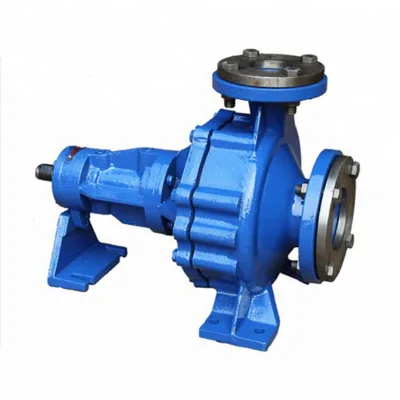


Stainless Steel Sanitary Centrifugal Pump with Self-Priming Function
$999.00 - $13889.00
MOQ: 1 Pieces


Water Pump Water Boiler Temperature Switch Temperature Protector Thermostat
$0.18 - $0.20
MOQ: 1000 Pieces


Comprehensive Sourcing Guide
Strategic Sourcing Guide for Sanitary Pumps and Thermal Protectors
Navigating the global market for industrial components requires a disciplined approach that separates verified product attributes from general market assumptions. When sourcing sanitary pumps and thermal protectors, buyers must align their technical requirements with the specific capabilities of available supply chains. The intersection of fluid handling equipment and thermal safety devices presents unique challenges regarding material compatibility, electrical ratings, and operational reliability. This guide synthesizes observed product data to provide a framework for evaluating potential suppliers without relying on unverified claims or external assumptions.
Technical Specifications and Component Differentiation
The core of a successful procurement strategy lies in understanding the distinct technical specifications of the components involved. In the observed market data, thermal protectors are characterized by specific control methods and electrical ratings. The control method for these devices is predominantly mechanical, relying on physical mechanisms to interrupt current flow when temperature thresholds are exceeded. These units are designed for specific measuring mediums, primarily temperature, and operate within defined voltage and current limits.
For instance, observed thermal protector models exhibit a voltage and current rating of 250V 10A or 250V 16A. The contact type is a critical specification, with options available for Normally Closed or Normally Open configurations. Some models offer a choice between Auto Reset and Manual Reset mechanisms, a feature that directly impacts maintenance protocols and system safety. The life cycle of these thermal protectors varies significantly in the observed data, with some units rated for 10,000 operations and others for 100,000 operations. Buyers must verify which life cycle rating aligns with their expected operational frequency to ensure long-term reliability.
Sanitary pumps, conversely, are defined by their hydraulic and structural characteristics. The observed pump data indicates a driving type of motor, with mounting heights described as suction centrifugal. The position of the pump shaft is horizontal, and the influent type of the impeller is single suction. These pumps are constructed with cast iron materials and feature a closed impeller design. The working pressure is classified as high pressure, and the impeller number is single-stage. Horsepower ratings for these units range from 0.37kw to 0.75kw, with suction pipe dimensions specified at 1 inch. Understanding these specific parameters is essential for matching the pump to the intended fluid dynamics and system pressure requirements.
Compliance and Certification Verification
Ensuring that purchased components meet international safety and environmental standards is a non-negotiable aspect of B2B procurement. The provided product data explicitly lists TUV and RoHS certifications as high-confidence facts for certain thermal protectors. These certifications indicate that the products have undergone rigorous testing for safety and compliance with restrictions on hazardous substances. However, buyers must exercise caution when generalizing these certifications to all products in a category.
While background knowledge often associates these industries with standards such as CE, EN 407, ISO9001, and ISO14001, the supplied facts do not confirm these specific standards for every listed item. Therefore, procurement teams should treat the presence of TUV and RoHS as verified attributes for specific models, such as those with model numbers H20, H31, or 17AMH. For other components, particularly the sanitary pumps, the data does not explicitly list certification status. Buyers must request specific documentation from suppliers to confirm whether the cast iron pumps meet relevant hygiene and safety standards for sanitary applications. Relying on assumed compliance can lead to regulatory violations and safety hazards in the final application.
Cost Drivers and Pricing Dynamics
The pricing structure for industrial components is influenced by a complex array of factors, including material costs, manufacturing complexity, and order volume. The observed market data reveals a vast price range, spanning from $0.10 to $16,893.90 USD. This wide disparity underscores the importance of defining precise requirements before engaging in price negotiations. The lower end of the spectrum likely corresponds to individual thermal protectors or small-scale components, while the higher end reflects complete pump assemblies or specialized custom configurations.
Material composition is a primary cost driver. The use of cast iron for pump bodies and metal for thermal protector housings contributes to the base cost. Additionally, the customization options available for these products can significantly impact the final price. The data indicates that customization is available for thermal protectors, with dimensions and standard specifications listed as "customized." Similarly, pump models such as the Qb series offer OEM acceptance, suggesting that tailored manufacturing runs will incur higher costs than standard off-the-shelf items.
Minimum Order Quantity (MOQ) requirements also play a critical role in cost management. Observed MOQ values range from 1 to 1,000 units, with some suppliers setting a monetary threshold of 3,000 USD. Buyers must balance the need for inventory against the capital tied up in stock. For high-volume applications, negotiating a lower unit price through larger orders is a standard strategy. However, for prototype or low-volume needs, the ability to source single units or small batches is essential, even if the per-unit cost is higher.
Typical Applications and Operational Context
Understanding the intended application of these components is vital for ensuring system compatibility. The observed data explicitly links thermal protectors to applications involving air conditioning, refrigerators, and drying machines. These environments demand precise temperature control and reliable safety mechanisms to prevent overheating and equipment failure. The temperature range of 50-180°C for certain thermal protectors suggests suitability for high-heat industrial processes or commercial HVAC systems.
Sanitary pumps are designed for usage in fluid transfer systems where hygiene and reliability are paramount. The cast iron construction and single-stage impeller design make them suitable for handling various liquids in industrial settings. The high-pressure capability indicates their use in systems requiring significant fluid displacement against resistance. The combination of a motor-driven pump with a mechanical thermal protector creates a robust system for applications where overheating is a risk, such as in continuous processing lines or heavy-duty cleaning systems. Buyers should verify that the specific model numbers, such as H20 or H31 for protectors and Qb for pumps, are validated for their specific operational environment.
Supplier Evaluation and Geographic Considerations
Supplier selection requires a thorough assessment of location, production capacity, and logistical capabilities. The observed product data identifies Dongguan, China, and Zhejiang, China, as key production origins. Dongguan is a major manufacturing hub known for electronics and precision components, while Zhejiang is renowned for pump and valve manufacturing. The proximity of these regions to major shipping ports can influence lead times and logistics costs.
When evaluating suppliers, buyers should verify the consistency of the product origin with the claimed specifications. For example, the data lists "Dongguan, China" and "Dondguan, China" (likely a typo for Dongguan) as origins for thermal protectors, while pumps are listed as originating from Zhejiang. This geographic separation may imply that buyers need to coordinate with multiple suppliers or find a distributor that can consolidate shipments.
The availability of customization is another key evaluation metric. Suppliers offering OEM services and customizable dimensions provide greater flexibility for unique application requirements. However, buyers must ensure that the customization process does not compromise the standard certifications or material quality. The "Contact" attribute listed in the data suggests that direct communication is necessary to clarify specific needs, such as packing requirements (e.g., 1000 PCS per box or 1650 PCS per carton) and specific model numbers.
Quality Control and Long-Term Procurement
Maintaining product quality over time requires a proactive approach to quality control and supplier relationship management. The life cycle data for thermal protectors, ranging from 10,000 to 100,000 cycles, serves as a benchmark for durability. Buyers should implement regular inspection protocols to verify that the actual performance matches the claimed life cycle. For pumps, the cast iron material and closed impeller design require monitoring for corrosion or wear, especially in sanitary applications where fluid purity is critical.
Packaging standards also play a role in long-term procurement. The data specifies various packing methods, including standard export wooden boxes, pallets, and carton quantities. Proper packaging ensures that components arrive without damage, reducing the risk of defects in the initial installation. For long-term contracts, buyers should negotiate clear quality assurance clauses that address defect rates, replacement policies, and performance guarantees.
Comparative Analysis of Product Attributes
To facilitate decision-making, the following table summarizes the key attributes observed in the market data for thermal protectors and sanitary pumps. This comparison highlights the diversity in specifications and helps buyers identify the specific models that meet their needs.
| Attribute Category | Thermal Protector Attributes | Sanitary Pump Attributes |
|---|---|---|
| Control Method | Mechanical | Motor |
| Voltage/Current | 250V 10A / 250V 16A | 0.37-0.75kw (Horsepower) |
| Contact Type | Normally Closed / Open | Single Suction Impeller |
| Life Cycle | 10,000 to 100,000 Times | Not explicitly listed |
| Material | Metal | Cast Iron |
| Certifications | TUV, RoHS | Not explicitly listed |
| Origin | Dongguan, China | Zhejiang, China |
| Applications | AC, Refrigerator, Drying | Fluid Transfer, High Pressure |
| Customization | Available | Available (OEM) |
This table illustrates that while both product types share a focus on industrial utility, their technical specifications differ significantly. Thermal protectors are defined by their electrical and thermal characteristics, whereas pumps are defined by their hydraulic and mechanical properties. Buyers must ensure that the selected components are compatible not only with their system design but also with the specific capabilities of the supplier.
Conclusion
Sourcing sanitary pumps and thermal protectors requires a meticulous review of product data, certification status, and supplier capabilities. By focusing on verified attributes such as TUV and RoHS certifications, specific voltage ratings, and material compositions, buyers can mitigate risks associated with unverified claims. The wide range of prices and MOQs necessitates a clear understanding of volume requirements and budget constraints. Ultimately, successful procurement depends on aligning technical specifications with operational needs, ensuring that the selected components deliver the required performance and safety standards in the field.
FAQs
What certifications do these thermal protectors have?
The thermal protectors listed hold TUV and RoHS certifications. These verify compliance with safety standards and restrictions on hazardous substances for models like H20 and H31.
How is the life cycle rated for these sensors?
Life cycles vary between 10,000 and 100,000 operations depending on the specific model. Buyers must verify the exact rating to ensure it matches their operational frequency requirements.
Which voltage and current ratings are available?
Available ratings include 250V 10A and 250V 16A for the thermal protectors. These electrical limits define the safe operating range for the devices in air conditioning or refrigeration systems.
Can I find pumps with cast iron construction?
Yes, the observed sanitary pumps are constructed from cast iron material. This provides durability for high-pressure applications with single-stage closed impellers and horizontal shaft positioning.
What is the origin location for these products?
Products originate from Dongguan and Zhejiang in China. Dongguan is noted for thermal protectors while Zhejiang is the source for the cast iron sanitary pumps.
How are these items packaged for shipment?
Packaging options include 1000 pieces per box, 1650 pieces per carton, or standard export wooden boxes. Specific packing depends on the product type and model number selected.
Are customization and OEM services available?
Customization is available for dimensions and standards, and OEM services are accepted for pumps. Buyers can request tailored specifications to fit unique application needs.