Source IP68 Chemical Flowmeter for Water, Diesel, and Wastewater
Find 30 verified IP68 Chemical Flowmeter options suitable for water, diesel fuel, and wastewater applications. Buyers can compare accuracy, sensor types, and explosion-proof ratings to select the right device for industrial production needs.
Key considerations
Products List




Comprehensive Sourcing Guide
Strategic Sourcing Guide for IP68 Chemical Flowmeters
Understanding the Technical Landscape of Chemical Flow Measurement
When sourcing flowmeters specifically designated for chemical applications with an IP68 rating, buyers must first navigate the diverse array of operating principles available in the current market. The term "IP68" indicates a high level of ingress protection, ensuring the device is dust-tight and capable of continuous immersion in water under conditions specified by the manufacturer. This is critical for chemical environments where exposure to corrosive liquids, gases, or harsh cleaning cycles is common. However, the core functionality of the device depends heavily on the measuring principle selected. The available market data reveals distinct categories, including Turbine Flow Meters, Variable Area Flow Meters, Differential Pressure Flow Meters, and Ultrasonic Flow Meters.
Turbine flow meters operate on electrical principles and are often utilized for measuring liquids in closed pipelines. These devices typically feature a tube or flange sensor configuration and are noted for high accuracy, with observed ranges of ±0.2% to ±0.5%. They are suitable for media such as water, diesel fuel, fuel oil, and wastewater. In contrast, Variable Area Flow Meters utilize mechanical principles and are frequently designed for open channel measurements. These units often exhibit a broader accuracy range, typically greater than ±1%, and are selected for applications where visual verification or simple mechanical operation is preferred.
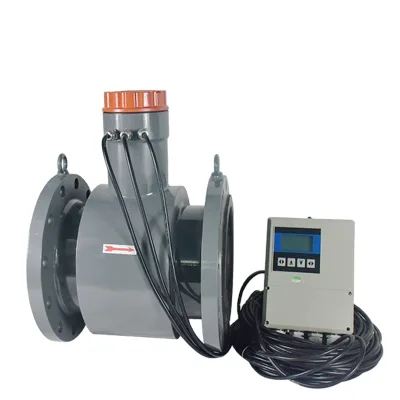
For applications involving highly conductive liquids, Electromagnetic Flow Meters represent a robust solution. These devices rely on the conductivity of the medium, requiring a minimum conductivity of ≥5μS/Cm to function correctly. They are capable of measuring electrical liquids and are often specified with nominal diameters ranging from DN2 to DN3000. The electrode materials used in these meters are critical for chemical resistance, with options including 316L Stainless Steel, Titanium, Hastelloy, Tantalum, and Tungsten Carbide. The internal lining materials, such as Polyvinyl Chloride Rubber or Polytetrafluoroethylene, further define the chemical compatibility and pressure tolerance, which can range from 0.6MPa to 42MPa.
Ultrasonic flow meters offer a non-intrusive alternative, utilizing optical principles and clamp-on or external sensors. This technology is advantageous for applications where pipeline modification is undesirable or where the medium is highly corrosive. The ability to measure flow without direct contact with the fluid reduces maintenance needs and prevents contamination. Buyers must verify that the specific ultrasonic model supports the required flow velocity range, which in some observed configurations spans from 0.3 to 10 M/S.
Compliance and Certification Verification Protocols
In the chemical processing industry, regulatory compliance is not merely a formality but a prerequisite for operational safety and legal adherence. When evaluating potential suppliers for IP68-rated chemical flowmeters, buyers must rigorously verify the certification status of the equipment. The market data indicates that products often carry a suite of certifications including ISO, RoHS, CE, GB, ANSI, DIN, and JIS. These standards cover various aspects of safety, environmental impact, and manufacturing quality.
A critical area of focus for chemical applications is explosion-proof certification. Many chemical environments contain flammable vapors or gases, necessitating equipment that meets ATEX (ATmosphères EXplosibles) standards. Buyers should explicitly request documentation confirming that the specific flowmeter model selected has been tested and certified for use in hazardous zones. The presence of an ATEX rating ensures that the device will not ignite the surrounding atmosphere, a non-negotiable safety requirement in many industrial sectors.
Furthermore, the manufacturing origin and adherence to international standards play a significant role in procurement decisions. Products originating from China are prevalent in the global market, but the specific adherence to standards like ISO 9001 for quality management systems should be confirmed on a case-by-case basis. While ISO 9001 is a recognized benchmark, it should not be assumed for every listed product without explicit verification. Buyers must also check for compliance with regional standards such as GB (China), DIN (Germany), and JIS (Japan) to ensure the device meets local regulatory requirements for installation and operation.
Cost Drivers and Pricing Structure Analysis
The pricing of chemical flowmeters is influenced by a complex interplay of technical specifications, material costs, and customization requirements. The observed price range in the market is extensive, spanning from approximately $3.49 to $3,039.60. This wide variance reflects the difference between basic mechanical units and sophisticated, highly specialized instruments with advanced electronics and exotic material constructions.
Material selection is a primary cost driver. Flowmeters designed for highly corrosive media often require expensive electrode materials such as Hastelloy, Tantalum, or Titanium, and specialized internal linings like Polytetrafluoroethylene. These materials significantly increase the unit cost compared to standard stainless steel or plastic constructions. Additionally, the nominal diameter and pressure rating are critical factors. Units with larger diameters (e.g., DN2000) or higher pressure ratings (up to 42MPa) command higher prices due to the increased material volume and engineering complexity required to maintain structural integrity under stress.
Customization is another significant variable. The availability of customization options allows buyers to tailor the flowmeter to specific pipeline configurations, flange standards, or sensor types. However, custom orders often incur higher costs and longer lead times compared to standard off-the-shelf models. The Minimum Order Quantity (MOQ) also impacts the effective unit cost. The observed MOQ range is between 1 and 100 units. Buyers purchasing single units for pilot projects or small-scale applications may face a higher per-unit price, whereas bulk orders can leverage economies of scale to reduce the cost per unit.
Shipping methods and packaging also contribute to the total cost of ownership. Products are typically packed in boxes with standard dimensions of 505050cm, and shipping methods may include door-to-door delivery. Buyers should factor in logistics costs, especially for international procurement, as these can vary significantly based on the weight and dimensions of the equipment.
Typical Applications and Media Compatibility
The versatility of modern flowmeters allows them to serve a wide array of industrial applications, particularly in the handling of diverse chemical media. The primary applications identified include water treatment, diesel fuel management, fuel oil distribution, wastewater processing, and the handling of corrosive liquids and gases. The specific choice of flowmeter technology depends on the physical and chemical properties of the media being measured.
For water and wastewater applications, Electromagnetic Flow Meters are often the preferred choice due to their ability to handle conductive liquids and their lack of moving parts, which reduces wear and tear. These meters are suitable for closed pipeline systems and can handle a wide range of flow velocities. In contrast, for non-conductive fluids or gases, Ultrasonic or Differential Pressure Flow Meters may be more appropriate. The ability to measure gas media is a specific capability of certain models, distinguishing them from liquid-only devices.
Corrosive liquid and gas handling presents a unique challenge. Flowmeters used in these environments must be constructed from materials that resist chemical degradation. The availability of electrodes made from Tantalum or Hastelloy, and linings of PTFE, ensures that the device can withstand aggressive chemical environments without compromising accuracy or safety. The IP68 rating is particularly valuable in these scenarios, as it protects the internal electronics from splashes, submersion, and washdowns common in chemical processing facilities.
Furthermore, the measurement object—whether a closed pipeline or an open channel—dictates the type of flowmeter required. Variable Area Flow Meters are often used for open channel measurements, while Turbine and Electromagnetic meters are designed for closed pipelines. Buyers must carefully assess the specific geometry of their installation to select the correct sensor type, such as tube, flange, plug-in, or clamp-on configurations.
Supplier Evaluation and Service Capabilities
Selecting a reliable supplier is as important as selecting the right technical specification. Buyers should evaluate suppliers based on their technical support capabilities, service offerings, and responsiveness. The market data indicates that many suppliers offer 7*24h technical support, which is crucial for minimizing downtime in continuous industrial processes. This round-the-clock support ensures that any operational issues can be addressed immediately, regardless of the time zone.
Localization service is another key differentiator. Suppliers that offer localization services can provide on-site installation, calibration, and maintenance, which is particularly beneficial for complex industrial setups. This level of service reduces the burden on the buyer's internal team and ensures that the equipment is installed and operated according to the manufacturer's specifications.
The customization capability of the supplier is also a vital consideration. Since chemical applications often require unique configurations, the ability of the supplier to provide custom flange clamping, specific sensor types, or tailored material selections is essential. Buyers should verify that the supplier has a proven track record of delivering customized solutions without compromising on quality or safety standards.
Additionally, the shipping method and packaging standards should be evaluated. Door-to-door delivery services simplify the logistics process, ensuring that the equipment arrives safely and directly to the installation site. The standard packaging dimensions of 505050cm suggest a standardized approach to shipping, but buyers should confirm that the packaging is robust enough to protect the sensitive electronics and mechanical components during transit.
Quality Control and Long-Term Procurement Considerations
Ensuring the long-term reliability of chemical flowmeters requires a rigorous approach to quality control and procurement planning. The accuracy of the flowmeter is a primary performance metric, with observed ranges varying from ±0.1% to ±1.0% depending on the model and application. High-accuracy models, such as those with ±0.2% to ±0.5% accuracy, are essential for applications requiring precise measurement, such as billing or process control.
Repeatability is another critical factor. A repeatability of ±0.1% or ±0.17% indicates that the flowmeter can consistently provide the same reading under identical conditions, which is vital for process stability. Buyers should request test data or certification documents that verify these accuracy and repeatability claims before finalizing a purchase.
The measurement ratio, often cited as 1500:1, indicates the turndown ratio of the flowmeter. A high turndown ratio allows the device to accurately measure flow rates over a wide range, from very low to very high velocities. This flexibility is particularly useful in processes where flow rates fluctuate significantly.
Long-term procurement considerations also include the availability of spare parts and the ease of maintenance. Flowmeters with standard flange connections and customizable clamping options are generally easier to maintain and replace. Buyers should also consider the lifespan of the internal components, such as the electrode materials and linings, which can degrade over time in harsh chemical environments. Establishing a relationship with a supplier that offers reliable after-sales support and a steady supply of replacement parts is essential for maintaining operational continuity.
Comparative Analysis of Flowmeter Technologies
To assist buyers in making informed decisions, the following table summarizes the key characteristics of the different flowmeter technologies observed in the market. This comparison highlights the strengths and limitations of each type in the context of chemical applications.
| Feature | Turbine Flow Meter | Variable Area Flow Meter | Electromagnetic Flow Meter | Ultrasonic Flow Meter |
|---|---|---|---|---|
| Measuring Principle | Electrical | Mechanics | Electromagnetic | Optics |
| Sensor Type | Tube/Flange | Plug-in | Flange/Clamp-on | Clamp-on/External |
| Measurement Object | Closed Pipeline | Open Channel | Closed Pipeline | Closed/Open |
| Media Type | Liquid | Liquid | Electrical Liquid | Liquid/Gas |
| Accuracy | ±0.2-0.5% | >±1% | ±0.5%, ±1.0% | Varies |
| Corrosive Media | Yes (with coating) | Yes | Yes (Special Materials) | Yes (Non-contact) |
| Installation | Flange | Insertion | Flange | Clamp-on |
This comparison underscores the importance of matching the flowmeter technology to the specific requirements of the application. While Turbine meters offer high accuracy for liquids, Electromagnetic meters are superior for conductive corrosive liquids, and Ultrasonic meters provide a non-intrusive solution for a wide range of media. By carefully evaluating these factors, buyers can select the most appropriate flowmeter for their specific chemical processing needs.
FAQs
What certifications do ip68 chemical flowmeters typically hold?
These devices typically hold ISO, RoHS, CE, GB, ANSI, DIN, and JIS certifications. Many models also feature ATEX explosion-proof ratings for hazardous environments. Buyers should verify specific certification documents for each unit to ensure compliance with local safety regulations.
Which flowmeter types measure corrosive liquids in closed pipelines?
Electromagnetic flowmeters are suitable for measuring electrical liquids in closed pipelines. Turbine flowmeters also operate on electrical principles for water and fuel oil. These units often use electrode materials like Hastelloy or Tantalum to resist corrosion in aggressive chemical environments.
Can ip68 chemical flowmeters measure gas media accurately?
Yes, specific models can measure gas media with accuracy greater than ±1%. These units often utilize differential pressure or ultrasonic principles. Buyers must confirm the specific product model supports gas measurement before procurement for non-liquid applications.
How does the accuracy of ip68 chemical flowmeters vary by type?
Accuracy varies significantly by technology, ranging from ±0.2% to ±0.5% for turbine meters. Electromagnetic types typically offer ±0.5% or ±1.0% accuracy. Variable area meters often show broader ranges exceeding ±1%. Select the type based on required precision for the specific media.
What customization options are available for ip68 chemical flowmeters?
Customization is available for flange connections, sensor types, and material selections. Suppliers can adjust nominal diameters from DN2 to DN3000 and pressure ratings up to 42MPa. Buyers should request specific configurations for unique pipeline setups or hazardous zone requirements.
What is the minimum order quantity for ip68 chemical flowmeters?
The minimum order quantity ranges from 1 to 100 units depending on the supplier. Single units are available for pilot projects, while bulk orders may offer better pricing. Buyers should confirm the specific MOQ with the manufacturer before placing an order.
Which electrode materials are used for highly corrosive media?
Electrode materials include 316L Stainless Steel, Titanium, Hastelloy, Tantalum, and Tungsten Carbide. Internal linings often use Polyvinyl Chloride Rubber or Polytetrafluoroethylene. These materials ensure resistance against aggressive chemicals and maintain long-term measurement stability.
How are ip68 chemical flowmeters shipped and packaged?
Products are typically packed in boxes with standard dimensions of 50*50*50cm. Shipping methods often include door-to-door delivery for convenience. Buyers should verify packaging robustness to protect sensitive electronics during international transit and ensure safe arrival at the installation site.