Source IP68 Waterproof 4G Sports Smartwatch for Fitness, Detection, Communication
Compare 30 listings of IP68 Waterproof 4G Sports Smartwatch models featuring TFT, AMOLED, and IPS displays with Bluetooth and WiFi connectivity. These devices support communication and detection needs for adults in sports and fitness activities with customizable options available.
Key considerations
Products List


Mechanical-Design Sports Bluetooth Smart Watch: Multi-Language & IP68 Waterproof
$18.77 - $19.17
MOQ: 10 Pieces


Advanced Waterproof GPS Sports Smartwatch with Blood Pressure Monitoring
$22.50 - $27.50
MOQ: 1000 Pieces


2026 IP67 Waterproof Sports Heart Rate Tracker GPS IPS Bluetooth Smart Watch
$10.30 - $11.52
MOQ: 90 Pieces


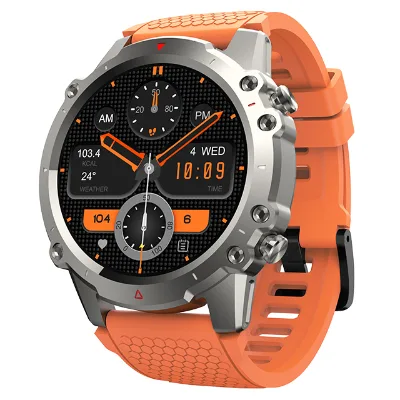
Comprehensive Sourcing Guide
Strategic Sourcing Guide for IP68 Waterproof 4G Sports Smartwatches
The global market for wearable technology has evolved rapidly, with the intersection of rugged durability, connectivity, and athletic functionality representing a high-growth segment. Buyers seeking an IP68 Waterproof 4G Sports Smartwatch are navigating a complex supply chain where specifications often vary significantly between manufacturers. This guide provides a disciplined approach to sourcing these devices, focusing on the technical realities, compliance verification, and procurement strategies necessary to secure reliable inventory without relying on unverified marketing claims. The core keyword, "IP68 Waterproof 4G Sports Smartwatch," implies a device capable of withstanding immersion in water while maintaining cellular connectivity for independent communication during sports activities.
Technical Architecture and Display Specifications
Understanding the underlying hardware is the first step in evaluating a potential product. The term "IP68" denotes a specific ingress protection rating, where the "6" indicates complete protection against dust and the "8" suggests protection against continuous immersion in water under conditions specified by the manufacturer. However, in the context of sports smartwatches, buyers must verify that the sealing is robust enough to handle sweat, rain, and submersion during swimming without degradation over time.
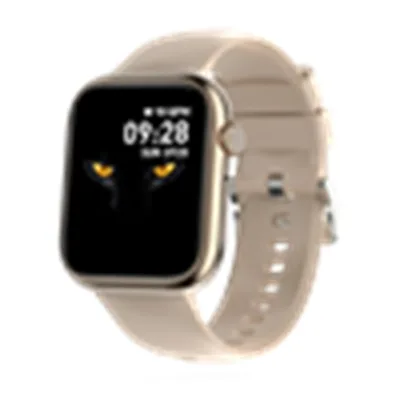
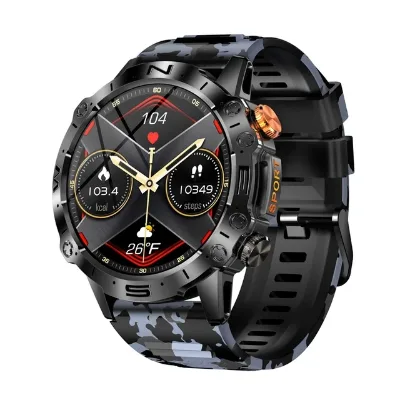
Display technology is a critical differentiator in this category. Market observations indicate a range of display types available, including TFT, IPS, and AMOLED panels. TFT displays offer a cost-effective solution with decent visibility, while IPS panels provide wider viewing angles and better color reproduction. AMOLED technology, observed in specific product listings, offers superior contrast and energy efficiency, which is vital for battery life in 4G-enabled devices. When sourcing, procurement teams should request sample units to test display visibility under direct sunlight, a common requirement for outdoor sports.
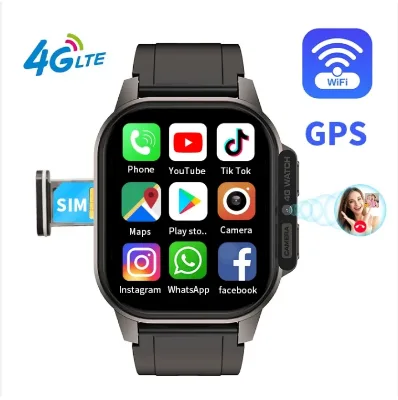
Connectivity is the defining feature of the "4G" specification. Unlike standard Bluetooth watches that tether to a smartphone, a 4G smartwatch contains a dedicated cellular modem. This allows for independent calling, messaging, and data access. The provided data highlights features such as "4G Calling" and "Google Play" support, indicating an Android-based operating system that can run third-party applications. This capability is essential for athletes who wish to leave their phones behind while staying connected. However, the inclusion of 4G significantly impacts power consumption, necessitating a robust battery solution.
Compliance, Certification, and Regulatory Verification
In the B2B procurement of electronic devices, compliance is non-negotiable. While specific certification documents were not listed in the source data, buyers must independently verify that the products meet the regulatory standards of their target markets. For a device claiming IP68 rating, third-party testing reports are essential to validate the claim, as self-declared ratings can be unreliable. Buyers should request IP testing certificates from accredited laboratories that follow IEC 60529 standards.
Furthermore, the 4G functionality introduces complex regulatory hurdles. The device must be certified for the specific frequency bands used in the destination country. For instance, a watch designed for the Chinese market may not support the LTE bands required in North America or Europe. Buyers must ensure the supplier provides FCC (for the USA), CE (for Europe), and other relevant radio certification marks. Without these, the product cannot be legally sold or imported.
The supply chain data mentions origins in Zhejiang, China, a major hub for electronics manufacturing. While this region offers competitive pricing and supply chain efficiency, it also requires rigorous quality control. Buyers should verify that the manufacturer holds ISO 9001 certification for quality management systems. Additionally, for devices marketed as "sports" or "fitness" gear, data privacy compliance regarding health metrics (such as heart rate monitoring) is increasingly important. The General Data Protection Regulation (GDPR) in Europe and similar laws elsewhere require that health data collected by the device is handled securely.
Cost Drivers and Pricing Dynamics
The price of a 4G sports smartwatch is influenced by several factors, including the chipset, display quality, battery capacity, and the complexity of the waterproofing. The observed price range in the market spans from $1 to $44.3, a wide variance that reflects differences in component quality and feature sets. Lower-priced units often utilize older generation chipsets, lower-resolution displays, or reduced battery capacities. In contrast, premium units with AMOLED screens, high-capacity batteries (such as the 800mAh observed in some listings), and advanced sensors command higher prices.
Battery capacity is a primary cost driver for 4G devices. The cellular radio is a significant power consumer. A device with an 800mAh battery, as noted in the specifications, is designed to support extended usage, but the actual battery life depends heavily on usage patterns. Buyers should calculate the total cost of ownership, considering that a cheaper unit with poor battery life may require more frequent charging, reducing its utility for long-distance sports events.
Packaging and customization also affect the final cost. The data indicates various packaging options, from neutral cardboard boxes to gift boxes and cartons. Customization, such as adding a specific logo or changing the color scheme (Black, Red, Green are observed options), typically incurs additional tooling or setup fees. The Minimum Order Quantity (MOQ) is another critical cost factor. While some suppliers offer low MOQs starting at 30 pieces, others may require orders up to 1,000 units. Bulk purchasing often reduces the unit price, but it increases the financial risk if the product does not meet market expectations.
Typical Applications and User Demographics
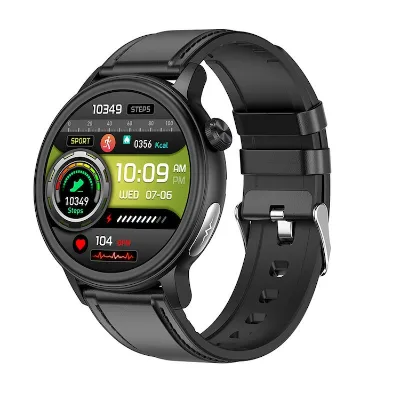
The "sports" and "fitness" designation in the product attributes points to specific use cases. These devices are designed for active individuals who require real-time data tracking. The observed features, such as pedometers and heart rate monitors, align with fitness tracking needs. The 4G capability extends this utility to safety and communication, making these watches ideal for solo runners, cyclists, or hikers who need to call for help or send location updates without a phone.
The target demographic is primarily adults, as indicated by the "Age: Adults" attribute. The "Gender: All Suitable" classification suggests a unisex design, which is standard for sports wearables. The versatility of the device allows it to be used in various environments, from gym workouts to outdoor adventures. The water resistance ensures that the device can be worn during swimming or in heavy rain, expanding its utility beyond land-based sports.
| Feature Category | Standard Observation | Procurement Consideration |
|---|---|---|
| Connectivity | 4G Calling, Bluetooth, WiFi | Verify band compatibility for target regions. |
| Durability | IP68 Rating, Water Resistant | Request third-party IP test certificates. |
| Display | TFT, IPS, AMOLED | Test visibility in direct sunlight. |
| Battery | 800mAh (observed) | Confirm real-world standby time under 4G load. |
| Sensors | Heart Rate, Pedometer | Validate sensor accuracy against medical-grade devices. |
| Compatibility | Google Play, Android | Ensure app ecosystem support for the OS version. |
Supplier Evaluation and Quality Control
Evaluating a supplier for 4G smartwatches requires a deep dive into their manufacturing capabilities and quality assurance processes. The location data points to Zhejiang, China, a region known for its electronics manufacturing ecosystem. Buyers should assess the supplier's ability to handle the specific technical challenges of 4G integration and waterproofing. A supplier with a dedicated R&D team is better positioned to address firmware updates and hardware bugs that are common in early production runs of new device categories.
Quality control should be a continuous process, not a final inspection step. Buyers should implement a rigorous inspection protocol that includes checking the IP68 seal integrity, testing the 4G connectivity stability, and verifying the accuracy of health sensors. The "Customization: Available" attribute suggests that the supplier is flexible, but customization can introduce variability in quality. It is crucial to establish clear specifications for custom elements, such as color and packaging, to ensure consistency across the batch.
The payment terms and logistics also play a role in supplier evaluation. The data mentions "T/T" (Telegraphic Transfer) as a payment method and "Ningbo Port" as the shipping origin. Buyers should negotiate payment terms that protect their interests, such as using a letter of credit or escrow service for large orders. Lead times can vary based on customization and order volume, so clear communication regarding production schedules is essential to avoid supply chain disruptions.
Long-Term Procurement and After-Sales Support
Sourcing 4G smartwatches is not just about the initial transaction; it involves long-term considerations regarding firmware support and spare parts. The technology in these devices evolves rapidly, and buyers must ensure that the supplier provides regular software updates to fix bugs and add new features. The presence of "Google Play" support indicates a robust app ecosystem, but the longevity of this support depends on the manufacturer's commitment to the platform.
Warranty and after-sales service are critical for B2B buyers who may be reselling these products to end consumers. A supplier with a clear warranty policy and a responsive technical support team can significantly reduce the risk of returns and customer dissatisfaction. Buyers should inquire about the supplier's policy for handling defective units and the availability of replacement parts, such as charging cables or straps, which are common points of failure.
Finally, the scalability of the supply chain is a key factor. As demand grows, the supplier must be able to ramp up production without compromising quality. The observed MOQ range of 1 to 1,000 units suggests flexibility, but buyers should discuss capacity planning with the supplier to ensure they can meet future demand spikes. By focusing on these long-term aspects, buyers can build a sustainable sourcing strategy that delivers value over the entire product lifecycle.
FAQs
What display technologies are available for these smartwatches?
Available display technologies include TFT, IPS, and AMOLED panels. These options provide varying levels of visibility and energy efficiency, with AMOLED offering superior contrast for outdoor sports use.
Can these devices support independent 4G calling without a phone?
Yes, the devices feature 4G calling capabilities allowing independent communication. This functionality supports Google Play apps and enables users to stay connected during sports activities without tethering to a smartphone.
What are the minimum order quantities for bulk purchases?
Minimum order quantities range from 30 pieces to 1000 units depending on the supplier. Some models start at 30 pieces, while others may require larger volumes to secure specific pricing tiers.
Where are these smartwatches manufactured and shipped from?
Products originate from Zhejiang, China, and are shipped via Ningbo Port. This region is a major electronics hub offering competitive pricing and efficient supply chain management for international buyers.
How is the battery capacity configured for 4G models?
Some models feature an 800mAh battery capacity to support extended usage. This capacity helps manage power consumption from the cellular radio while maintaining performance for heart rate monitoring and pedometer functions.
Are customization options available for color and packaging?
Customization is available for colors like Black, Red, and Green, as well as packaging types. Buyers can request specific color schemes or packaging such as gift boxes and neutral cardboard boxes.
What certifications are required for selling these devices internationally?
Buyers must verify FCC, CE, and IP68 testing certificates for their target markets. While self-declared ratings exist, third-party testing reports are essential to validate water resistance and radio frequency compliance.