Source IQF Cauliflower for Catering, Retail, and Food Processing
Compare 30 listings for IQF Cauliflower from Chinese suppliers offering organic, whole, and cut varieties. Buyers can review certifications like HACCP and ISO, packaging options, and pricing terms for frozen white cauliflower.
Key considerations
Products List


Frozen Organic Cauliflower with Green Stem, IQF Green Cauliflower Florets
$400.00 - $500.00
MOQ: 1 Tons


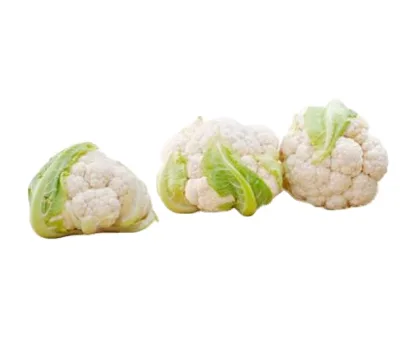


Premium Halal Certified IQF Frozen Cauliflower for Wholesale Distribution
$610.00 - $810.00
MOQ: 10000 kg


High-Quality Organic Frozen Broccoli and Cauliflower for Global Export
$610.00 - $810.00
MOQ: 10000 Tons
Comprehensive Sourcing Guide
Strategic Sourcing Guide for IQF Cauliflower Procurement
Navigating the global market for Individually Quick Frozen (IQF) cauliflower requires a disciplined approach that balances technical specifications with rigorous compliance verification. For procurement professionals, the core keyword "IQF Cauliflower" represents a category defined by specific processing methods, storage requirements, and certification standards. The following guide synthesizes available market data to provide a structured framework for evaluating suppliers, understanding product attributes, and mitigating supply chain risks. This analysis focuses on the observable facts of the current market, ensuring that all procurement decisions are grounded in verified product properties rather than speculative claims.
Understanding IQF Processing and Product Attributes
The foundation of sourcing IQF Cauliflower lies in understanding the specific processing technology and the resulting physical attributes of the product. IQF technology involves freezing individual pieces rapidly, preventing them from clumping together and preserving cellular integrity. This method is distinct from block freezing and is critical for maintaining the texture and nutritional value of the vegetable. In the current market, the primary product type identified is "Frozen White Cauliflower," which is processed to retain its natural state. The cultivation type is predominantly "Organic," indicating that the raw material is grown without synthetic pesticides or fertilizers, a factor that significantly influences both cost and market positioning.
The physical form of the cauliflower is a primary differentiator in this category. Buyers must distinguish between "Whole" heads and "Cut" florets. The market data indicates that suppliers offer both styles, with specific models ranging from "Whole" to "Cut" and further specified as "cauliflower florets." The cutting specifications are precise, with standard sizes including 1-3cm, 2-4cm, 3-5cm, and 4-6cm. These dimensions are not arbitrary; they correspond to specific end-use applications, such as ready-to-eat meals, soups, or further processing in industrial kitchens. The color standard is consistently described as "Clean and bright white color," which serves as a primary visual indicator of freshness and quality. Additionally, the product is characterized as "Fresh" in its raw state before processing, and the final product must be "100% Natural Organic Cauliflower" with no added ingredients, ensuring a GMO-free profile.
Technical Specifications and Packaging Standards
Technical specifications for IQF Cauliflower extend beyond the physical cut size to include packaging formats, storage conditions, and shelf life parameters. The packaging material varies significantly depending on the order volume and destination. Common packaging materials observed in the market include "Paper," "Plastic," and "Carton." Specific packaging models range from "7kgs/Plastic Box" to "12kgs/Plastic Basket," with larger shipments often utilizing "Reefer Container" logistics. A specific model noted is "26 pcs/7kg plastic foam," which suggests a standardized unit for retail or food service distribution. The choice of packaging is critical for maintaining the integrity of the frozen product during transit.
Storage requirements are non-negotiable for maintaining product quality. The observed storage temperature for IQF Cauliflower is strictly maintained at less than -18°C. This temperature threshold is essential to prevent ice crystal growth and enzymatic degradation. The shelf life for these products is substantial, with documented ranges exceeding 12 months and extending up to 24 months under proper conditions. This longevity allows for flexible supply chain planning, though buyers must verify the specific "Shelf Time" claims against their own inventory management capabilities. The origin of the product is primarily traced to China, with specific regions including Shandong and Qingdao noted as key production hubs. These locations are known for their agricultural output and established cold chain infrastructure, which supports the export of frozen vegetables.
Compliance, Certification, and Regulatory Standards
In the B2B food sector, compliance is the primary gatekeeper for market entry. The IQF Cauliflower market is characterized by a high density of certifications, reflecting the stringent safety requirements of international trade. The most frequently observed certifications include HACCP, FDA, ISO, and BRC. These standards cover various aspects of food safety management, from hazard analysis to quality assurance. Specific listings also mention "Hda" and "Halal" certifications, indicating the product's suitability for specific religious dietary requirements and broader market segments. Furthermore, "Kosher" certification is present in the market data, expanding the potential customer base to include Jewish dietary compliance markets.
Buyers must verify that the supplier holds valid, current certificates for all claimed standards. The presence of "BRC, ISO, FDA, HACCP" on a product listing is a strong indicator of a robust quality management system. However, the mere listing of these certifications does not guarantee that every batch of product meets these standards. Procurement teams should request copies of the certificates and verify their expiration dates. The product standard is also defined as "Grade A," which implies a high level of visual and physical quality, free from defects. Additionally, the "100% natural" standard reinforces the absence of artificial additives, which is a critical requirement for many modern food manufacturers. The "Clean and bright white color" standard serves as a visual benchmark for Grade A quality, ensuring that the product meets the aesthetic expectations of the end consumer.
Cost Drivers and Pricing Dynamics
The pricing structure for IQF Cauliflower is influenced by a complex interplay of factors, including cultivation type, processing method, packaging, and order volume. The observed price range in the market spans from $0.5 to $1500 USD, a wide spectrum that reflects the diversity of product formats and order sizes. This range likely encompasses small retail packs to large industrial container loads. The Minimum Order Quantity (MOQ) is equally variable, ranging from 1 unit to 24,000 units. This flexibility allows buyers to test the market with smaller orders or secure bulk supply for large-scale operations.
Several key drivers influence the final cost. First, the "Organic" cultivation type typically commands a premium over conventional produce due to higher production costs and certification requirements. Second, the processing method, specifically IQF, adds value compared to standard frozen blocks, as it preserves texture and reduces waste. Third, packaging costs vary based on the material used; "Plastic" and "Carton" options may differ in price from "Paper" or specialized "Plastic Foam" solutions. The supply term also plays a role, with options like "Fob," "CIF," "EXW," and "DDP" affecting the landed cost. Buyers must calculate the total cost of ownership, including freight, insurance, and duties, rather than focusing solely on the unit price. The "Supplying Period" is noted as "All Year Around," which helps stabilize pricing by reducing the volatility associated with seasonal harvests.
Supplier Evaluation and Operational Capabilities
Evaluating a supplier for IQF Cauliflower requires a multi-dimensional assessment of their operational capabilities and responsiveness. The market data indicates that suppliers offer "Customization" services, including "OEM ODM" acceptance and "Client Private Label" options. This flexibility is crucial for buyers looking to brand the product or tailor specifications to their specific needs. The "Pattern" attribute suggests that suppliers can offer "Customized / Suggestions We Offered," indicating a collaborative approach to product development.
Logistics and delivery timelines are critical components of supplier evaluation. The "Shipping Date" is typically within 7 days after contract confirmation, suggesting a responsive supply chain. However, buyers should verify this lead time against their specific requirements and the current global logistics environment. The "Transportation" method is primarily "by Sea," which is cost-effective for large volumes but requires careful planning to ensure the cold chain remains unbroken. The "Storage Method" is "Frozen," and the supplier must demonstrate the ability to maintain this condition throughout the entire logistics journey. Buyers should also assess the supplier's capacity to handle large MOQs, as the observed range extends up to 24,000 units. A supplier's ability to meet high-volume orders without compromising quality is a key indicator of their reliability.
Quality Control and Long-Term Procurement Strategy
Maintaining consistent quality is paramount in the frozen vegetable sector. The "Quality" attribute is described as "Top," but this is a subjective claim that must be validated through objective testing. Buyers should implement a robust quality control protocol that includes visual inspections for color consistency ("Clean and bright white color") and size verification against the specified cut standards (e.g., 3-5cm, 4-6cm). The "GMO Free" status and "100% Natural" composition should be verified through third-party testing to ensure compliance with labeling regulations.
Long-term procurement strategies should focus on building relationships with suppliers who demonstrate transparency and consistency. The "All Year Around" supply period is a significant advantage, allowing for stable inventory planning. However, buyers should not rely solely on the "All Year Around" claim; they must establish contingency plans for potential disruptions. The "Style" options, ranging from "Whole" to "Cut," provide flexibility for different product lines, but buyers should standardize their specifications to minimize complexity. The "Price Term" options (Fob, CIF, EXW, DDP) allow for strategic negotiation of risk and cost allocation. By understanding these terms, buyers can optimize their cash flow and risk management.
Comparative Analysis of Product Specifications
To facilitate decision-making, the following table summarizes the key specifications and attributes observed in the IQF Cauliflower market. This comparison highlights the variability in product offerings and helps buyers identify the specifications that align with their operational needs.
| Attribute Category | Specific Observation | Relevance to Procurement |
|---|---|---|
| Processing Type | IQF (Individually Quick Frozen) | Ensures non-clumping and texture preservation. |
| Cultivation Type | Organic | Higher cost, premium market positioning, GMO-free. |
| Product Style | Whole, Cut, Florets | Determines end-use application (retail vs. industrial). |
| Cut Specifications | 1-3cm, 2-4cm, 3-5cm, 4-6cm | Critical for recipe consistency and portion control. |
| Color Standard | Clean and bright white color | Visual indicator of Grade A quality and freshness. |
| Packaging Material | Plastic, Paper, Carton, Foam | Affects cost, sustainability, and protection during transit. |
| Storage Temp | < -18°C | Mandatory for shelf life and safety compliance. |
| Shelf Life | >12 Months to 24 Months | Influences inventory planning and waste reduction. |
| Certifications | HACCP, FDA, ISO, BRC, Halal, Kosher | Essential for market access and regulatory compliance. |
| Origin | Shandong, Qingdao, China | Indicates supply chain geography and logistics routing. |
| MOQ Range | 1 to 24,000 units | Determines flexibility for small vs. large buyers. |
| Price Range | $0.5 - $1500 USD | Reflects volume, packaging, and specification differences. |
Conclusion
Sourcing IQF Cauliflower is a complex process that demands a thorough understanding of technical specifications, regulatory compliance, and market dynamics. The available data reveals a robust market with diverse options in terms of cut size, packaging, and certification. Buyers must prioritize verification of certifications like HACCP, FDA, and BRC, and ensure that the product meets the strict storage temperature requirements of -18°C. By leveraging the observed flexibility in MOQs and customization options, procurement teams can tailor their strategies to meet specific business needs. Ultimately, success in this category depends on a disciplined approach to quality control, supplier evaluation, and long-term relationship building, ensuring a steady supply of high-quality, organic, and compliant frozen cauliflower.
FAQs
What certifications do IQF Cauliflower suppliers typically hold?
Suppliers typically hold HACCP, FDA, ISO, and BRC certifications. Some listings also include Halal, Kosher, and Hda standards to meet diverse regulatory requirements for international food trade.
How is IQF Cauliflower processed and stored?
The product undergoes IQF processing to freeze individual pieces rapidly. It must be stored at temperatures below -18 degrees Celsius to maintain quality and prevent clumping during transit.
Which packaging formats are available for frozen cauliflower?
Common formats include 7kg plastic boxes, 12kg plastic baskets, and cartons. Larger shipments may utilize reefer containers or 26 pieces per 7kg plastic foam units for specific distribution needs.
Can buyers request custom packaging or private labeling?
Yes, customization is available with OEM and ODM services accepted. Clients can request private labels and specific patterns, allowing for tailored branding and product specifications.
What are the standard cut sizes for IQF Cauliflower florets?
Standard cut sizes range from 1-3cm up to 4-6cm. Specific models include 3-5cm and 2-4cm options to suit various culinary applications and industrial processing requirements.
Where is the IQF Cauliflower primarily sourced from?
The product originates from China, with key production hubs in Shandong and Qingdao. These regions provide the necessary agricultural output and cold chain infrastructure for export.
What is the shelf life of frozen white cauliflower?
The shelf life exceeds 12 months and can extend up to 24 months under proper storage conditions. This longevity supports flexible supply chain planning for bulk buyers.