Source Iridescent Foil Balloon for Party, Wedding, and Festival Decor
Compare 24 listings for Iridescent Foil Balloon options tailored for party, wedding, and festival decorations. Explore customization features, material specs, and shipping details from verified suppliers to find the right fit for your event needs; compare the available evidence and request quotations based on your requirements.
Key considerations
Products List

Unicorn Balloons Birthday Party Decorations Colorful Party Supplies Foil Balloons
$0.37 - $0.57
MOQ: 3000 Pieces

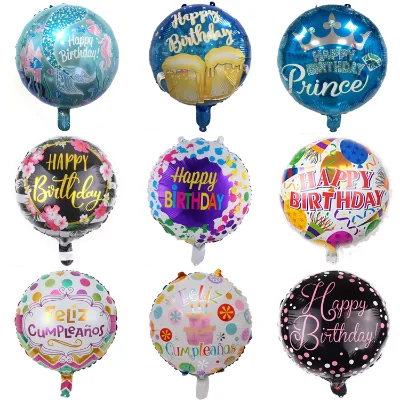
18 Inch Happy Birthday Floating Foil Balloons Foil Mylar Balloons Decoration
$0.15 - $0.25
MOQ: 1000 Pieces

Heart Shaped Balloons 40 Inch Large Foil Balloons for Wedding Decorations
$0.62 - $0.72
MOQ: 3000 Pieces





Comprehensive Sourcing Guide
Iridescent Foil Balloon Sourcing Guide
Procuring iridescent foil balloons requires a strategic approach to balancing aesthetic appeal with functional durability, as these items serve as high-visibility decorative elements for diverse commercial and private events. Buyers must recognize that while the visual impact is driven by the reflective, multi-tonal surface finish, the underlying material integrity determines the product’s lifespan and safety profile. The core keyword highlights a specific aesthetic preference, but the actual procurement decision hinges on verifying the substrate quality, typically aluminum or metallized polyester, which provides the necessary gas retention and structural strength.
This guide focuses on the technical and commercial realities of sourcing these decorative items, drawing from observed market data and standard industry practices. It is essential to distinguish between generic foil balloons and those with specialized finishes or custom shapes, as the latter often involve higher minimum order quantities and longer lead times. Understanding the distinction between common foil types and customized iridescent variants allows buyers to align their inventory strategy with specific event themes, ensuring that the decorative elements meet both visual expectations and logistical constraints.
Product Scope and Observed Listing Signals
The observed market signals indicate a broad range of decorative balloon products, with listings frequently categorized under party supplies, festival decorations, and event accessories. Buyers will encounter various product models, such as LP-LM12, LP-FB16, and ZP-1, each potentially representing different sizes, shapes, or packaging configurations. The presence of keywords like "Balloon Kit" and "Foil Balloons" suggests that suppliers often bundle items or offer specific thematic collections, which can simplify procurement for large-scale events but may require careful verification of individual component quality.
Listing attributes reveal significant variability in customization options, with many suppliers offering OEM services for package customization and logo printing. This flexibility is crucial for brands seeking branded promotional materials, yet it introduces complexity in quality control. The observed price range of 0.01 to 3.5 USD and MOQs ranging from 1 to 10,000 pieces indicate a tiered market structure, where small buyers can access samples or low-volume orders, while large enterprises benefit from bulk pricing. However, the wide variance in packing specifications, from single-piece OPP bags to large cartons of 3,000 pieces, necessitates clear communication regarding logistics and storage requirements.
Technical Specifications to Verify
When evaluating technical specifications, buyers must prioritize the material composition and dimensional accuracy of the foil balloons. The supplied facts mention materials such as foil and PVC, with standards like 40 inches and 165cm noted for specific models. It is critical to verify that the iridescent finish is achieved through a durable coating process that does not compromise the balloon’s gas retention capabilities. Buyers should request detailed specifications for the foil thickness and the type of adhesive used in seams, as these factors directly influence the balloon’s ability to remain inflated and visually appealing over time.
Shape and customization options are also key technical considerations, with listings indicating shapes ranging from standard forms to customized designs. The availability of custom logos and shapes allows for unique branding opportunities, but it requires precise digital proofs and sample approvals before mass production. Buyers should confirm the tolerance levels for size variations, especially for large-format balloons, and verify the gas type compatibility, noting that some products are designed for air rather than helium, which affects their buoyancy and display potential.
Compliance and Safety Documentation
Safety compliance is paramount when sourcing decorative balloons, particularly those intended for children’s parties or indoor events. The observed data includes references to certifications such as En71-123, which are relevant for toy safety in certain markets. Buyers must verify that all foil balloons meet the specific regulatory requirements of their target regions, including flammability standards and chemical safety limits. It is advisable to request current test reports from independent laboratories to ensure that the materials used do not contain harmful substances and that the product poses no choking or ingestion hazards.
Additionally, buyers should inquire about the eco-friendliness of the materials, as sustainability is increasingly important to consumers and retailers. While some listings claim eco-friendly attributes, these claims should be substantiated by verifiable data regarding recyclability or biodegradability. Understanding the full scope of compliance documentation, including any CE or ASTM F963 references, helps buyers mitigate legal risks and ensures that their products can be sold without regulatory hurdles. Clear communication with suppliers regarding certification status is essential to avoid delays and ensure market access.
Cost Drivers and Commercial Terms
Cost structures for iridescent foil balloons are influenced by several factors, including material costs, customization complexity, and order volume. The observed MOQs and price ranges suggest that economies of scale play a significant role in pricing, with larger orders yielding lower unit costs. Buyers should analyze the total landed cost, including shipping, tariffs, and handling fees, rather than focusing solely on the unit price. The variability in lead times, from 5-7 days for standard items to 35 days for customized orders, also impacts inventory planning and cash flow, requiring careful coordination with suppliers.
Commercial terms such as payment methods, warranty policies, and return procedures should be clearly defined in the purchase agreement. Buyers should negotiate favorable terms for sample orders and establish clear criteria for quality acceptance before final payment. Understanding the supplier’s production capacity and flexibility is crucial for managing unexpected demand spikes or order modifications. Transparent communication regarding cost drivers and commercial terms helps build a sustainable supply chain relationship, ensuring that both parties are aligned on expectations and responsibilities.
Supplier Qualification and Quality Control
Supplier qualification involves a thorough assessment of the manufacturer’s capabilities, including their production facilities, quality control processes, and track record. Buyers should verify the supplier’s location, with observations noting origins in Hebei and Tianjin, China, which are known hubs for balloon manufacturing. It is essential to conduct on-site audits or request detailed virtual tours to assess the cleanliness and organization of the production environment. Suppliers with robust quality control systems are more likely to deliver consistent product quality and meet delivery deadlines.
Quality control measures should include pre-production sample approvals, in-process inspections, and final random sampling before shipment. Buyers should establish clear acceptance criteria for visual defects, such as uneven iridescent finishes or misaligned prints, and communicate these standards to the supplier. Implementing a structured quality assurance process helps identify and rectify issues early, reducing the risk of receiving substandard products. Regular performance evaluations and feedback loops with suppliers contribute to continuous improvement and long-term partnership success.
Long-Term Procurement Checks
Long-term procurement success depends on continuous monitoring of supplier performance and market trends. Buyers should regularly review key performance indicators, such as on-time delivery rates, defect rates, and responsiveness to inquiries. Establishing a formal review process allows for timely identification of issues and implementation of corrective actions. Staying informed about emerging technologies and materials in the balloon industry can also provide competitive advantages, enabling buyers to offer innovative products to their customers.
Building a diversified supplier base reduces dependency on single sources and mitigates supply chain risks. Buyers should cultivate relationships with multiple suppliers to ensure flexibility and resilience in the face of disruptions. Regular communication and collaboration with suppliers foster trust and facilitate smoother transactions. By maintaining a proactive approach to supplier management and market analysis, buyers can sustain a reliable supply of high-quality iridescent foil balloons, supporting their business growth and customer satisfaction.
FAQs
What customization options are available for these balloons?
Customization is available for logos, shapes, and colors on latex, foil, and PVC balloons. Buyers can request specific designs for festivals like Halloween or Christmas. The product supports OEM packaging customization to meet unique branding needs for events and parties.
Which certifications ensure the safety of these foil balloons?
The products hold En71-123 certification to ensure safety for children and general use. This standard confirms the materials are eco-friendly and safe for party decorations. Buyers should verify specific batch compliance with these documented safety standards before large orders.
How long is the delivery time for custom orders?
Standard delivery typically takes 5 to 7 working days for sample approval or small batches. Larger orders may require a lead time of usually 35 days after sample approval. Shipping methods include courier, air, or sea transport depending on the order volume and urgency.
What is the minimum order quantity for these balloons?
The minimum order quantity varies by product, ranging from 10 pieces to 10,000 pieces. Some specific models require a minimum of 100 units, while others allow orders as low as 10 pieces. Buyers should check the specific model requirements before placing an order.
Can I get samples before placing a bulk order?
Samples are provided to help buyers evaluate product quality and customization options before committing to bulk purchases. This allows verification of the printed patterns, shapes, and colors. Buyers can request samples to ensure the product meets their specific event or festival decoration needs.
Where are these balloons manufactured and shipped from?
These balloons originate from manufacturing locations in Hebei and Tianjin, China. The products are packed in cartons or OPP bags depending on the specific model and quantity. Shipping is arranged via courier, air, or sea freight to deliver goods to international buyers efficiently.
What materials are used to make these party decorations?
The balloons are made from foil, latex, and PVC materials suitable for various decorations. They are designed for festivals, weddings, and birthday parties with features like eco-friendly and safe properties. The material choice ensures durability and vibrant colors for long-lasting party displays.