Source Iridium Prechamber Spark Plug for Engines, Cars, and Generators
Find and compare 30 Iridium Prechamber Spark Plug options tailored for automotive engines, industrial machinery, and generator systems. Evaluate specifications such as thread size, material composition, and certification standards to identify suitable components for your specific application needs.
Key considerations
Products List


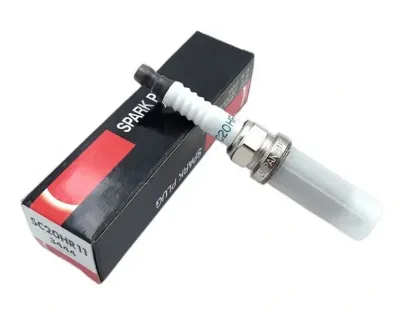


Premium Iridium Spark Plugs for Enhanced Engine Performance and Efficiency
$0.50 - $1.30
MOQ: 2000 Pieces


Iridium Spark Plugs Wholesale Quality Ensured Spark Plug OEM Dcpr7eix 3144
$0.96 - $1.03
MOQ: 2000 pieces


Iridium Spark Plug 90919-01247 Auto Parts Double Iridium Factory Supply
$0.75 - $0.80
MOQ: 1000 Pieces


Original Quality Double Iridium Spark Plug 12122158253 12122158252 Auto Parts
$0.88 - $1.76
MOQ: 5 Pieces

Comprehensive Sourcing Guide
Iridium Prechamber Spark Plug Sourcing Guide
Procuring iridium prechamber spark plugs requires a nuanced understanding of both the advanced electrode materials and the specific combustion chamber architectures they serve. These components are engineered to deliver superior ignition stability, particularly in high-performance or high-efficiency internal combustion engines where precise air-fuel mixture control is critical. The sourcing process must balance technical compatibility with commercial reliability, ensuring that the selected parts meet stringent performance standards while adhering to supply chain constraints. Buyers must navigate a market where product variations are frequent, and specifications can vary significantly between manufacturers, making detailed verification essential before committing to volume orders.
The following guide provides a structured approach to sourcing these specialized ignition components. It focuses on interpreting observed market signals, verifying technical specifications, ensuring regulatory compliance, and managing commercial risks. By adhering to this framework, procurement professionals can mitigate the risks associated with counterfeit or substandard parts, ensuring that the final assembly meets the original equipment manufacturer’s (OEM) requirements for durability and efficiency. The guidance is grounded in observable market data and established industry practices, offering a practical roadmap for securing high-quality iridium spark plugs.
Product Scope and Observed Listing Signals
The current market for iridium spark plugs exhibits a wide range of pricing and minimum order quantities (MOQs), reflecting the diversity of applications and supplier capabilities. Observed listing prices range from $0.09 to $60 USD, indicating a spectrum that includes both basic aftermarket replacements and high-end, specialized components. This variance suggests that buyers should not rely solely on price as an indicator of quality; instead, they must correlate price points with specific material grades, such as pure iridium versus iridium-coated variants, and the complexity of the prechamber design. Understanding this price spectrum helps in budgeting and identifying suppliers who may be offering competitive rates on standard models versus premium custom solutions.
Minimum order quantities also vary significantly, ranging from 1 to 5,000 units, which impacts inventory management and cash flow planning. Low MOQs are often available for prototype testing or small-batch production runs, allowing buyers to validate part compatibility without significant upfront investment. Conversely, higher MOQs may offer better unit economics but require a confirmed demand forecast. Buyers should also note that customization is frequently available, allowing for tailored solutions that match specific engine requirements, such as unique thread sizes or heat ranges. This flexibility is a key advantage in sourcing, as it enables the procurement of parts that are precisely matched to the target vehicle or machinery model, reducing the risk of fitment issues.
Technical Specifications to Verify
Technical verification is the most critical step in sourcing iridium spark plugs, as even minor deviations in dimensions or material composition can lead to engine failure. Buyers must carefully review the thread specifications, such as S16M14x19 or S16M14x26.5, to ensure compatibility with the engine block. The reach, hex size, and seat type must match the original equipment specifications exactly. Additionally, the electrode material should be confirmed as iridium, often described as "Alumina Ceramic Double Iridium" in some listings, which offers superior conductivity and resistance to wear compared to traditional nickel or platinum alternatives. Verifying the model numbers, such as EIX-BKR5 or AIX-LFR5-11, against the engine manufacturer’s catalog is essential to avoid mismatches.
Beyond physical dimensions, the electrical and thermal characteristics of the spark plug must be evaluated. The gap size, typically specified in millimeters, affects the ignition voltage required and the spark intensity. Buyers should also consider the heat range, which determines how quickly the spark plug dissipates heat from its tip. In prechamber designs, the interaction between the main electrode and the prechamber nozzle is crucial for reliable ignition, especially under high-load conditions. It is advisable to request detailed technical datasheets that include these parameters, as well as information on the insulator material and electrode construction, to ensure that the spark plug can withstand the thermal and mechanical stresses of the intended application.
Compliance and Safety Documentation
Regulatory compliance is a non-negotiable aspect of sourcing automotive components, and iridium spark plugs are no exception. Buyers must ensure that suppliers provide valid certifications, such as ISO9001, TS16949, CE, and TLC, which indicate adherence to quality management systems and safety standards. These certifications are particularly important for suppliers based in major manufacturing hubs like Shenzhen, Guangdong, where rigorous oversight is necessary to maintain product consistency. The presence of these certifications suggests that the supplier has implemented robust processes for quality control, traceability, and risk management, which are essential for maintaining the integrity of the supply chain.
In addition to certifications, buyers should verify that the products meet relevant industry standards for automotive parts. While specific standards may vary by region and application, general compliance with international norms is a good indicator of product reliability. Buyers should also inquire about the testing procedures used by the supplier, including any third-party validation of performance and durability. Documentation such as material safety data sheets (MSDS) and conformity certificates should be requested to ensure that the spark plugs do not contain hazardous substances and meet environmental regulations. This due diligence helps to protect the buyer from potential legal liabilities and ensures that the products are safe for use in the final assembly.
Cost Drivers and Commercial Terms
Several factors influence the total cost of ownership for iridium spark plugs, beyond the initial unit price. The complexity of the prechamber design, the purity of the iridium material, and the level of customization required can all drive up costs. Buyers should also consider the packaging and labeling requirements, as neutral packing or customized branding may incur additional fees. Lead times are another critical commercial term, with typical delivery windows ranging from 15 to 20 days. Longer lead times may impact production schedules and require higher safety stock levels, which can tie up working capital.
Payment terms and warranty policies are also key components of the commercial agreement. Buyers should negotiate favorable payment terms, such as partial upfront payment and balance upon shipment, to mitigate financial risk. It is also important to clarify the warranty coverage for defective parts, including the process for returns and replacements. Suppliers who offer OEM services may provide additional value by allowing for custom specifications, but this should be reflected in the pricing structure. By understanding these cost drivers and negotiating clear commercial terms, buyers can optimize their procurement strategy and achieve better value for their investment.
Supplier Qualification and Quality Control
Supplier qualification is essential to ensure that the sourced iridium spark plugs meet the required quality standards. Buyers should conduct a thorough assessment of the supplier’s manufacturing capabilities, including their production capacity, quality control processes, and technical expertise. Suppliers with a strong track record in the automotive industry, particularly those with ISO9001 and TS16949 certifications, are generally more reliable. It is also advisable to visit the supplier’s facility or request a virtual tour to verify their production environment and quality control measures. This direct observation can provide valuable insights into the supplier’s commitment to quality and consistency.
Quality control procedures should be clearly defined and agreed upon before placing orders. Buyers should specify the inspection criteria, including visual checks, dimensional measurements, and electrical testing. Third-party inspection services can be engaged to verify the quality of the goods before shipment, providing an additional layer of assurance. It is also important to establish a clear communication channel with the supplier for addressing any quality issues that may arise during production or after delivery. By implementing robust supplier qualification and quality control processes, buyers can minimize the risk of receiving defective parts and ensure the reliability of their supply chain.
Long-Term Procurement Checks
Sourcing iridium spark plugs is not a one-time transaction but an ongoing process that requires continuous monitoring and evaluation. Buyers should regularly review supplier performance metrics, such as on-time delivery rates, defect rates, and responsiveness to issues. This data can help identify potential problems early and allow for corrective actions to be taken. It is also important to stay updated on industry trends and technological advancements in spark plug design, as these can impact the suitability of current sourcing strategies. Engaging in regular dialogue with suppliers can foster a collaborative relationship and lead to continuous improvement in product quality and service.
Furthermore, buyers should periodically reassess their supplier base to ensure that they are still meeting their needs and offering competitive value. Diversifying the supplier base can mitigate the risk of supply chain disruptions and provide leverage in negotiations. It is also advisable to conduct periodic audits of the supplier’s quality management system to ensure ongoing compliance with standards. By maintaining a proactive approach to supplier management and quality assurance, buyers can ensure the long-term success of their procurement strategy and the reliability of their final products.
FAQs
What certifications are available for these spark plugs?
These spark plugs are available with TSISO9001, ISO9001, CE, TLC, and Ts16949 certifications. The specific certification depends on the product model and manufacturer capabilities. Buyers should verify the exact certification required for their target market before placing an order to ensure compliance with local regulations and industry standards.
Can these spark plugs be customized for specific car brands?
Yes, customization is available for these spark plugs, including options suitable for Nissan and other car brands. The material composition, such as Alumina Ceramic Double Iridium, can be tailored. Buyers can request specific models like EIX-BKR5 or AIX-LFR5-11 to match their engine requirements and performance needs.
What is the typical lead time for delivery?
The typical delivery time for these spark plugs is 15-20 days. This lead time applies to standard orders and may vary based on quantity and customization requirements. Buyers should plan their procurement schedule accordingly to ensure timely availability for their assembly lines or distribution channels.
What is the minimum order quantity for these products?
The minimum order quantity ranges from 1 to 5000 units, depending on the supplier and product model. This flexibility allows buyers to test samples or place bulk orders. The specific MOQ is determined by the manufacturer's production capacity and the customization level requested by the buyer.
Where are these spark plugs manufactured?
These spark plugs are manufactured in China, with some sources located in Shenzhen, Guangdong. The origin ensures access to established supply chains and manufacturing expertise. Buyers can leverage this location for cost-effective sourcing while maintaining quality standards through verified certifications and standardized production processes.
What materials are used in these spark plugs?
These spark plugs are made from Iridium and Alumina Ceramic Double Iridium materials. The iridium tip ensures durability and efficient ignition, while the ceramic body provides thermal stability. The color is typically white, but customized colors are available upon request to meet specific branding or identification needs.