Source ISO 14443A RFID PVC Card for Access, Payment, and ID
Find 30 ISO 14443A RFID PVC Card options for access control, payment systems, and identification. Compare passive high-frequency smart cards with read-write capabilities, PVC housing, and RoHS certification from China-based suppliers offering customization; compare the available evidence and request quotations based on your requirements.
Updated
Key considerations
Products List


$0.05 - $0.08
MOQ: 500 Pieces

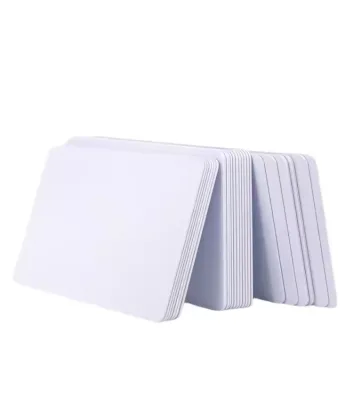


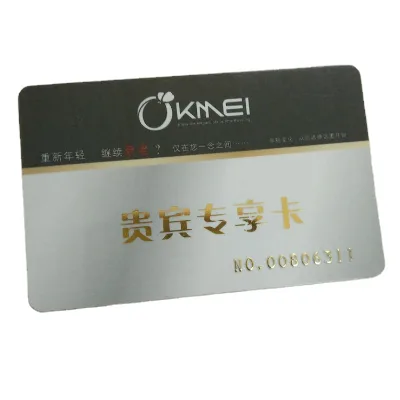
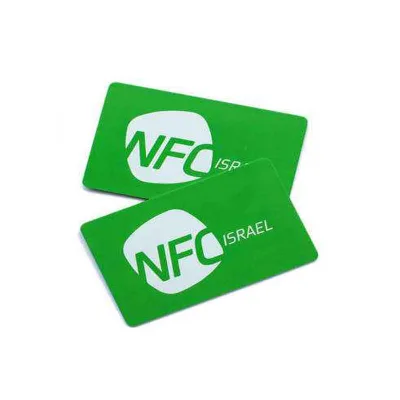


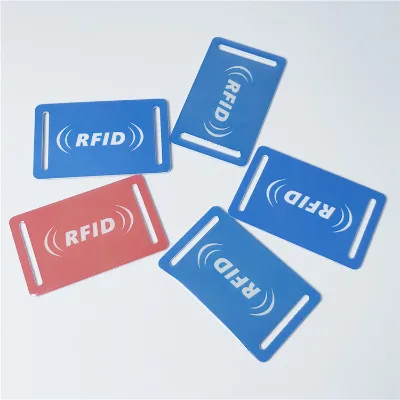
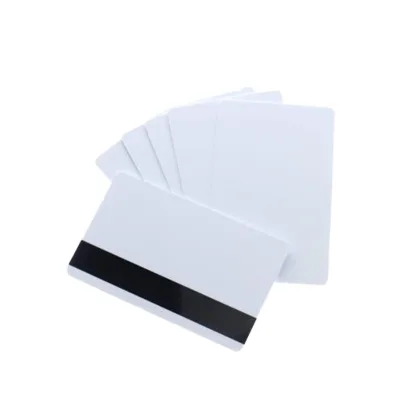
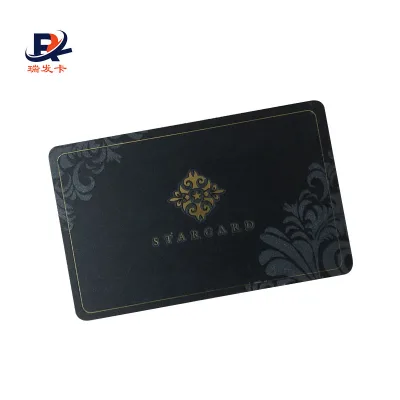
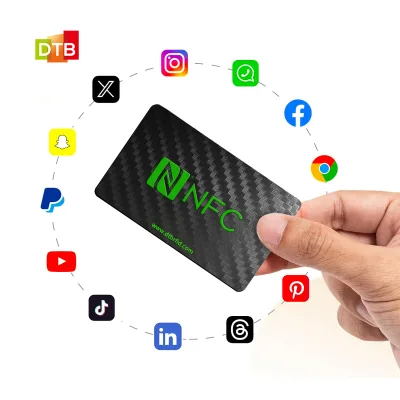
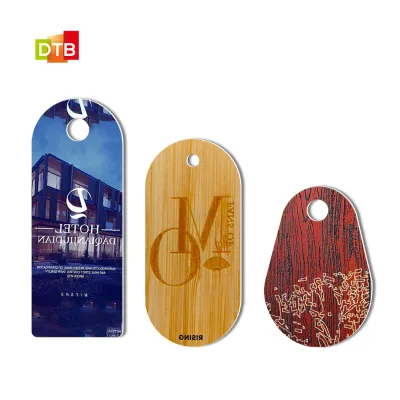
Comprehensive Sourcing Guide
ISO 14443A RFID PVC Card Sourcing Guide
Procuring ISO 14443A compliant RFID PVC cards requires a precise understanding of the underlying chip architecture and the specific communication protocols that govern high-frequency data exchange. Buyers must distinguish between passive and active card technologies, as the observed market data indicates a strong prevalence of passive card solutions that rely on electromagnetic induction for power. This distinction is critical because passive cards typically operate at high frequencies, such as 13.56 MHz, which aligns with the ISO 14443A standard, whereas other frequencies like ultrahigh or low frequency may not support the same interoperability requirements.
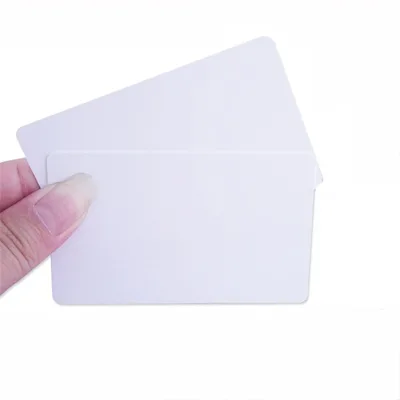
The physical construction of these cards often involves PVC materials, with standard dimensions of 85.5 by 54 millimeters, though customized sizes are frequently available to meet specific operational needs. Sourcing teams should verify whether the card utilizes a read-write structure or a read-only configuration, as this impacts the lifecycle management of the data stored on the chip. Additionally, the data transmission mode, whether serial or parallel, can influence the speed and reliability of transactions in high-throughput environments, making it a key technical parameter to evaluate during the initial supplier assessment phase.
Product Scope and Observed Listing Signals
The current market landscape for RFID smart cards reveals a diverse range of product attributes that buyers must navigate carefully. Observed listings indicate that products are often categorized under broad labels such as "Smart Card" or "IC Card," with specific types including logic encryption cards and dual-frequency options. The presence of customization options suggests that suppliers are flexible regarding branding and functional requirements, allowing organizations to tailor cards for specific identification or payment applications. However, the variation in listed specifications means that buyers cannot assume all products labeled similarly will meet the exact technical criteria required for their infrastructure.
Packing and logistics details also vary significantly across suppliers, with some offering 200 pieces per box and others providing larger carton quantities for bulk efficiency. This variability impacts inventory management and storage requirements, necessitating clear communication with suppliers regarding packaging standards before placing large orders. Furthermore, the availability of free samples upon request serves as a valuable tool for verifying physical quality and functional performance before committing to a full-scale procurement contract. Buyers should leverage this opportunity to test the card’s durability and read range in real-world conditions.
Technical Specifications to Verify
Verifying the technical specifications of ISO 14443A RFID PVC cards is essential to ensure compatibility with existing readers and backend systems. Buyers must confirm the operating frequency, which for ISO 14443A is typically 13.56 MHz, and ensure that the card supports the necessary data transmission protocols. The memory capacity, such as the FM1108 chip observed in some listings, determines the amount of data that can be stored and processed, which is crucial for applications requiring complex encryption or large data sets. It is also important to verify the read-write method, as non-contact type cards are standard for this frequency range, but specific antenna designs can affect performance.
Additionally, the choice of chip technology, whether it be EM4200, EM4205, or other low-frequency alternatives, must align with the intended application field, such as transportation or advertisement. While some products offer dual-frequency capabilities, buyers should ensure that the ISO 14443A functionality is not compromised by the inclusion of other frequencies. The printing type, such as offset printing, can also impact the longevity of the card’s surface, especially if it is subjected to frequent handling or environmental stress. Confirming these details with the supplier helps prevent integration issues and ensures that the cards perform reliably in the target environment.
Compliance and Safety Documentation
Compliance with international standards is a non-negotiable aspect of sourcing RFID PVC cards, particularly when they are used in sensitive applications like payment or secure identification. Buyers should request documentation for certifications such as RoHS, which indicates that the materials used in the card’s construction are free from hazardous substances. This certification is particularly important for products intended for the European market or other regions with strict environmental regulations. Additionally, environmental certifications like Reach, SGS, or En71-3 may be relevant, depending on the specific regulatory requirements of the buyer’s industry and geographic location.
Waterproof standards are another critical compliance factor, especially for cards used in outdoor or high-moisture environments. The observed international PVC waterproof standard suggests that many suppliers adhere to rigorous testing protocols to ensure durability. Buyers should verify the specific test results or standards met by the supplier to ensure that the cards can withstand the expected environmental conditions. Furthermore, ensuring that the supplier has a history of foreign trade experience and numerous overseas clients can provide additional confidence in their ability to meet international compliance requirements and deliver consistent quality across different markets.
Cost Drivers and Commercial Terms
Understanding the cost drivers associated with ISO 14443A RFID PVC cards is essential for effective budgeting and negotiation. The primary cost factors include the type of chip used, the complexity of the encryption algorithms, and the volume of the order. Customization options, such as specific printing designs or unique card shapes, can also increase the unit price due to the additional setup and production time required. Buyers should request detailed quotes that break down these costs to identify areas where savings can be achieved without compromising quality or functionality.
Minimum order quantities (MOQ) typically range from 100 to 1000 pieces, which can impact the initial investment required for a new project. Suppliers may offer tiered pricing structures that reward larger orders with lower unit costs, so buyers should evaluate their projected usage to determine the most cost-effective order size. Lead times and payment terms are also important commercial considerations, as they affect cash flow and project timelines. Establishing clear agreements on these terms early in the sourcing process helps prevent misunderstandings and ensures a smooth procurement experience.
Supplier Qualification and Quality Control
Supplier qualification is a critical step in mitigating the risks associated with sourcing RFID PVC cards. Buyers should assess the supplier’s business history, with many established manufacturers boasting 16 years or more of experience in the industry. This longevity often correlates with a deeper understanding of market trends and a more robust quality control infrastructure. Additionally, verifying the supplier’s foreign trade experience and their track record with overseas clients can provide insights into their ability to handle international logistics and compliance requirements effectively.
Quality control processes should be clearly defined and agreed upon before production begins. Buyers should inquire about the supplier’s testing protocols, including checks for read range, data integrity, and physical durability. Requesting sample batches for independent testing is a prudent step to validate the supplier’s claims and ensure that the cards meet the specified technical standards. Establishing a clear communication channel for addressing any quality issues that arise during production or after delivery is also essential for maintaining a successful long-term partnership.
Long-Term Procurement Checks
Long-term procurement success depends on establishing a framework for continuous evaluation and improvement. Buyers should regularly review supplier performance metrics, such as on-time delivery rates, defect rates, and responsiveness to issues. This ongoing monitoring helps identify potential problems early and allows for corrective actions to be taken before they impact operations. Additionally, staying informed about advancements in RFID technology and emerging standards ensures that the procured cards remain relevant and compatible with future system upgrades.
Building a diversified supplier base can also mitigate risks associated with single-source dependencies. By engaging with multiple qualified suppliers, buyers can maintain competitive pricing and ensure supply continuity in the event of disruptions. Regularly revisiting the technical specifications and compliance requirements of the cards helps ensure that they continue to meet the evolving needs of the organization. Finally, maintaining open lines of communication with suppliers fosters a collaborative relationship that can lead to innovative solutions and improved product offerings over time.
FAQs
What is the standard size for ISO 14443A RFID PVC Card?
The standard size is 85.5*54*0.85mm, which matches the ISO/IEC 7810 ID-1 format. Customized sizes are also available to meet specific project requirements. This dimension ensures compatibility with most standard card readers and wallets, providing a universal fit for identification and payment applications across various industries.
Can I get free samples of ISO 14443A RFID PVC Card?
Free samples are available upon request for quality verification before bulk ordering. This allows buyers to test the card's functionality and print quality. Suppliers typically provide these samples to demonstrate the product's compliance with standards and to help buyers make informed sourcing decisions for their specific application needs.
What certifications do ISO 14443A RFID PVC Card manufacturers hold?
Manufacturers typically hold RoHS certification, ensuring the materials are free from hazardous substances. Additional environmental certifications like Reach, SGS, and En71-3 may also be available. These certifications verify that the PVC cards meet international safety and environmental standards, which is crucial for global distribution and regulatory compliance in various markets.
How is the packaging structured for bulk orders of ISO 14443A RFID PVC Card?
Cards are usually packed in boxes containing 200 pieces each. Cartons typically hold 10 boxes or varying quantities like 2500 pieces. This standardized packaging protects the cards during transit and simplifies inventory management. Buyers can also request custom packaging solutions to align with their specific logistical and storage requirements for efficient distribution.
What is the minimum order quantity for ISO 14443A RFID PVC Card?
The minimum order quantity typically ranges from 100 to 1000 pieces, depending on the supplier and customization level. Standard cards often have lower MOQs, while customized designs may require higher volumes. This flexibility allows businesses of various sizes to source the cards, ensuring that small projects and large-scale deployments can both be accommodated effectively.
Where are iso 14443a rfid pvc cards primarily manufactured?
These cards are primarily manufactured in China, with specific production hubs in cities like Chengdu. Chinese manufacturers offer extensive experience in producing high-quality PVC smart cards for global clients. The region provides a robust supply chain and competitive pricing, making it a central location for sourcing these identification and payment cards worldwide.