Source Medical Uniforms for Hospitals, Clinics, and Labs
Compare 30 Medical Uniform options featuring cotton, polyester, and rayon materials with customization services. Buyers can evaluate styles, features like anti-wrinkle and quick dry, and pricing for hospital and clinic applications; compare the available evidence and request quotations based on your requirements.
Key considerations
Products List


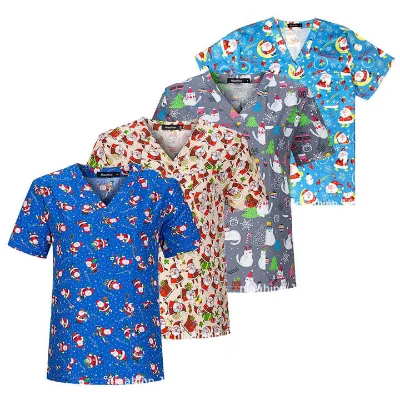

Colored Pure Cotton Medical Uniform Multiple Colors for Hospital Staff Uniform
$10.99 - $13.99
MOQ: 100 Pieces

Elastic Cotton Medical Protective Uniform with Multiple Pockets Design
$10.99 - $13.99
MOQ: 100 Pieces

High Standard Medical Protective Gown for Operating Room Sterile Hospital Uniform
$11.39 - $13.99
MOQ: 100 Pieces


Odor Resistant Medical Uniforms Fresh Keeping for Long Time Medical Work
$10.99 - $13.99
MOQ: 100 Pieces


Short Sleeves Waisted Pants Medical Doctor Scrub Suits Medical Uniform
$4.00 - $10.00
MOQ: 1000 Pieces


Comprehensive Sourcing Guide
Medical Uniform Sourcing Guide
Procuring medical uniforms requires a disciplined approach to balancing clinical functionality, durability, and commercial viability. Buyers must move beyond superficial aesthetic choices to evaluate the structural integrity of the garments intended for hospital environments. The primary focus should be on how the uniform supports the specific workflow of healthcare professionals, ensuring that the design facilitates movement and hygiene without compromising safety. This foundational assessment prevents costly reorders and ensures that the selected products meet the rigorous demands of daily clinical operations.
Understanding the market landscape is critical before engaging with suppliers. The observed data indicates a wide range of product configurations, from open-fronted tops to all-in-one structures, catering to various roles within a medical facility. Buyers should identify whether they require separate components or integrated suits, as this decision significantly impacts inventory management and fitting processes. By clearly defining the scope of needs, procurement teams can filter out irrelevant options and focus on suppliers who specialize in the specific garment types required for their organization's operational standards.
Product Scope and Observed Listing Signals
The available market offers diverse material compositions, primarily featuring cotton/polyester blends and rayon. These materials are selected for their balance of comfort, breathability, and ease of maintenance in high-traffic clinical settings. Buyers should verify the exact fiber content percentages, as the ratio of natural to synthetic fibers directly influences the garment's feel and performance. For instance, higher polyester content may enhance quick-dry properties, while cotton dominance improves softness. Understanding these material nuances helps in selecting uniforms that align with staff comfort preferences and institutional laundering capabilities.
Structural variations also play a significant role in product selection. Listings indicate options ranging from open-fronted designs to all-in-one structures, with accessories like labels and armlets available for customization. The presence of features such as anti-wrinkle, quick-dry, and anti-static properties suggests a focus on practicality for busy medical environments. Buyers should assess whether these functional attributes are essential for their specific use cases. For example, anti-static features may be crucial in areas with sensitive electronic equipment, while quick-dry properties benefit staff who face frequent exposure to fluids. Aligning structural choices with operational needs ensures optimal utility.
Technical Specifications to Verify
Technical specifications must be scrutinized to ensure the uniforms meet the physical demands of medical work. Key attributes include size availability, which ranges from S to XXXL, ensuring inclusivity for diverse staff body types. Buyers should confirm that the supplier provides accurate size charts and allows for custom sizing if necessary. Additionally, the structure of the garment, whether it is a top, bottom, or all-in-one, dictates how it fits and functions. Verifying these dimensions prevents fit-related issues that can lead to discomfort or restricted movement during long shifts.
Feature sets are another critical technical aspect to validate. Common features include anti-wrinkle, quick-dry, anti-static, and rip-stop capabilities. Each feature addresses specific challenges in a hospital setting, such as maintaining a professional appearance throughout the day or resisting damage from sharp objects. Buyers should request detailed explanations of how these features are achieved, whether through fabric treatment or weave structure. Furthermore, checking for flame retardant properties is essential for certain specialized medical areas. Ensuring that these technical claims are substantiated by testing data protects the organization from potential safety liabilities.
Compliance and Safety Documentation
Compliance with safety standards is non-negotiable in the medical sector. While specific certifications like Oeko-Tex are mentioned in background data, buyers must independently verify the current status of any claimed certifications. Documentation should include test reports that confirm the absence of harmful substances and the durability of functional treatments. Requesting recent audit reports from third-party testing laboratories provides an objective assessment of the product's safety profile. This due diligence ensures that the uniforms do not pose health risks to patients or staff, maintaining the integrity of the healthcare environment.
Beyond chemical safety, structural compliance is vital. Buyers should check for adherence to local and international standards regarding garment construction, such as seam strength and fastener security. These details prevent garment failure during use, which could lead to accidents or contamination. Additionally, verifying that the supplier follows ethical manufacturing practices is increasingly important for corporate social responsibility goals. Documentation of fair labor practices and environmental management systems adds a layer of assurance that the supply chain is sustainable and ethical. This comprehensive approach to compliance documentation mitigates legal and reputational risks.
Cost Drivers and Commercial Terms
Cost structures in Medical Uniform procurement are influenced by material quality, customization levels, and order volume. The observed price range of $0.16 to $28 per unit reflects the diversity in product complexity and material costs. Buyers should analyze the cost breakdown to understand which factors drive the price, such as premium fabrics or intricate designs. Negotiating based on long-term volume commitments can often reduce unit costs, but buyers must balance this with the risk of overstocking. Understanding these cost drivers enables more accurate budgeting and prevents unexpected financial strain.
Commercial terms, including minimum order quantities (MOQ) and payment conditions, significantly impact procurement flexibility. The observed MOQ range of 50 to 20,000 pieces offers options for both small-scale trials and large-scale deployments. Buyers should negotiate terms that align with their inventory turnover rates and cash flow constraints. For instance, a lower MOQ allows for testing new designs before committing to bulk orders, while a higher MOQ may offer better pricing for established needs. Clear communication of these terms ensures that both parties have aligned expectations, reducing the likelihood of disputes and ensuring a smooth transaction process.
Supplier Qualification and Quality Control
Selecting a qualified supplier involves evaluating their production capabilities and quality control systems. Buyers should request samples to assess the actual quality of the garments, paying close attention to stitching, fabric consistency, and feature functionality. A reputable supplier will provide transparent information about their manufacturing processes and quality assurance protocols. Conducting factory audits, either in person or through third-party services, verifies that the supplier maintains consistent standards across all production batches. This proactive approach to supplier qualification ensures that the delivered products meet the specified requirements.
Quality control extends beyond the final product to include raw material sourcing and in-process inspections. Buyers should inquire about the supplier's procedures for inspecting incoming materials and monitoring production lines. Implementing a robust quality control plan, such as AQL (Acceptable Quality Limit) sampling, helps identify defects before shipment. Additionally, establishing clear communication channels for addressing quality issues ensures that any problems are resolved promptly. By partnering with suppliers who prioritize quality, buyers can reduce return rates and enhance customer satisfaction, ultimately protecting the organization's reputation.
Long-Term Procurement Checks
Long-term procurement strategies require ongoing monitoring of supplier performance and market trends. Buyers should establish key performance indicators (KPIs) to track delivery times, quality consistency, and responsiveness to changes. Regular reviews of these metrics help identify areas for improvement and foster a collaborative relationship with the supplier. Additionally, staying informed about advancements in fabric technology and regulatory changes ensures that the organization remains compliant and competitive. This continuous evaluation process supports sustainable procurement practices and adapts to evolving healthcare needs.
Building a resilient supply chain involves diversifying suppliers and maintaining strategic reserves. Relying on a single source increases vulnerability to disruptions, such as supply chain interruptions or quality issues. By qualifying multiple suppliers, buyers can mitigate risks and ensure continuity of supply. Furthermore, negotiating long-term contracts with flexible terms allows for adjustments in volume and specifications as needs change. This strategic approach to long-term procurement ensures that the organization can respond effectively to market dynamics while maintaining cost efficiency and product quality.
FAQs
What customization options are available for medical uniforms?
Customization is available for these medical uniforms with highly welcomed services. Buyers can request specific designs, labels, and colors like pure or deep shades. The products support OEM and ODM services to meet unique hospital requirements effectively.
Which materials are used to make these medical uniforms?
These uniforms are constructed from Cotton/Polyester blends or Rayon materials. This combination ensures durability and comfort for medical staff. The fabric features anti-wrinkle, quick dry, and anti-static properties suitable for hospital environments.
Can I order samples with a short lead time?
Yes, sample orders are supported with a seven-day lead time. This allows buyers to verify quality before placing larger bulk orders. The minimum order quantity for samples is flexible, starting from fifty pieces depending on the specific model.
What features do these hospital uniforms offer for safety?
The uniforms include features like rip-stop, flame retardant, and anti-static properties. Some models are disposable while others are designed for repeated use. These attributes ensure safety and hygiene standards are met in various medical settings.
Where are these medical uniforms manufactured and shipped from?
These products originate from Guangzhou, Guangdong, China. The manufacturing location ensures competitive pricing and efficient craftsmanship. Shipping is typically handled via carton packing to protect the garments during transit to international destinations.
What is the minimum order quantity for these uniforms?
The minimum order quantity ranges from fifty to twenty thousand pieces depending on the specific product model. Some items have a standard MOQ of three hundred pieces. Buyers should check the specific model details for exact quantity requirements.
Which product models are available for hospital staff?
Available models include HG-0490, SCR033, SCR003, and various HS series codes like HS107. These models cover doctor, nurse, and patient gown styles. The collection offers unisex options in sizes ranging from small to triple extra large.