Source ISO 11785 Pet Microchip for Dogs Cats Livestock
Compare 30 listings for ISO 11785 Pet Microchip options tailored for dogs, cats, and livestock. Buyers can evaluate frequencies, sizes, and certifications like ISO and RoHS to find suitable animal identification solutions.
Key considerations
Products List


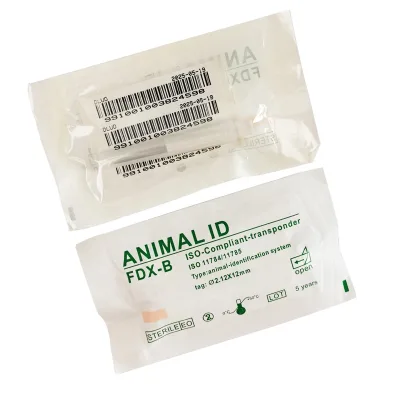


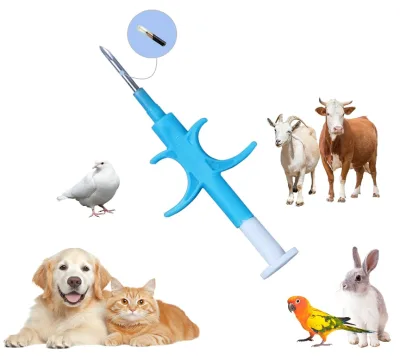
Wholesale Fdx B ISO11784 11785 1.4*8mm Animal Pet Microchip with Syringe
$0.38 - $0.49
MOQ: 100 Pieces

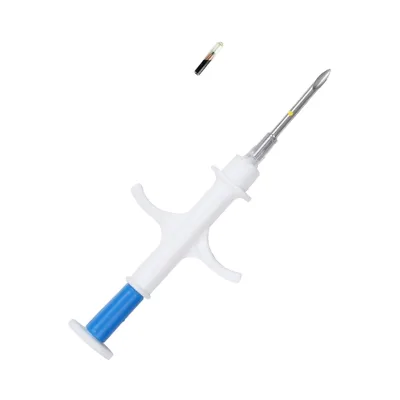
Mini Size ISO117845/11785 Microchip Pets Tag Transponder 1.25*7mm for Fish/Cat
$0.59 - $0.72
MOQ: 1000 Pieces




Comprehensive Sourcing Guide
Strategic Sourcing Guide for ISO 11785 Compliant Pet Microchips
The global demand for animal identification solutions has driven the necessity for precise procurement strategies, particularly regarding microchips that adhere to international standards. For buyers seeking ISO 11785 Pet Microchip solutions, the procurement process requires a rigorous understanding of technical specifications, regulatory compliance, and supply chain logistics. This guide synthesizes available product data and industry knowledge to provide a structured approach for sourcing these critical identification devices. The focus remains on ensuring that purchased units meet the stringent requirements of the ISO 11784/11785 standards while balancing cost, quality, and operational needs.
Technical Specifications and Frequency Standards
The foundation of any successful procurement for pet microchips lies in verifying the technical specifications that ensure interoperability with existing readers. The core standard, ISO 11785, dictates the physical and electrical characteristics of the chip, while ISO 11784 defines the data structure. Based on observed product attributes, the operating frequency for compliant microchips is consistently listed as 134.2kHz or 134kHz. This specific frequency band is non-negotiable for international travel and veterinary use, as it is the global standard for animal identification. Buyers must verify that the supplier's product data explicitly states this frequency, as lower frequencies or alternative bands like 125kHz are not compatible with ISO 11785 readers.
Furthermore, the chip type is a critical differentiator. The observed data indicates the use of Read/Write chip types, specifically referencing models such as EM4305. This capability allows for the storage of unique identification codes and potentially additional data, which is essential for comprehensive animal management systems. The reading distance is another vital specification; observed ranges indicate a functional distance of 1-20cm, dependent on the specific condition of the reader and the chip. Procurement teams should not assume a fixed distance but rather request test data for the specific reader-chip combination they intend to use.
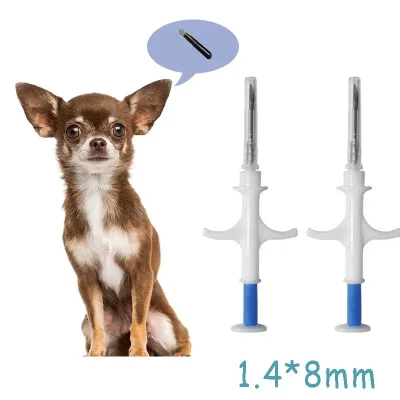
The physical dimensions of the microchip are equally important for injection and biocompatibility. The market offers several standard sizes, including 1.25*7mm, 1.4*8mm, and 2.12*12mm. The 2.12x12mm size is frequently highlighted as a standard for dog and pet ID microchips, while smaller dimensions may be preferred for livestock or smaller animals. The shape of the chip also varies, with observations noting Rectangle, Irregular Shape, and Circular options. While the standard often implies a specific form factor for ease of injection, the procurement strategy must align the physical shape with the intended application field, whether it be Fish, Pets, Dog, Cat, or Livestock.
Compliance and Certification Verification
Navigating the certification landscape is perhaps the most critical step in ensuring that the microchips are legally compliant and safe for use. The primary standard referenced in the product data is ISO 11784/11785. This standard ensures that the microchip can be read by any ISO-compliant scanner worldwide. However, compliance extends beyond the standard itself to include various safety and manufacturing certifications.
The observed product attributes list multiple certifications, including ISO, RoHS, CE, SGS, and CCC. The presence of ISO certification suggests adherence to quality management systems, while RoHS indicates compliance with restrictions on hazardous substances, which is crucial for biocompatibility. CE marking is essential for products entering the European market, and SGS often implies third-party testing verification. Additionally, some listings mention Icar certification, which may be relevant for specific regional or industry-specific requirements.
Buyers must exercise caution when interpreting these certifications. The data indicates that different products may hold different combinations of these certifications. For instance, one product listing might feature ISO, Icar, while another lists CE, ISO, RoHS, CCC. It is the buyer's responsibility to request valid certification documents for the specific batch of microchips being ordered. Relying on a general claim without verifying the scope of the certificate can lead to regulatory non-compliance. The standard ISO 11784 is frequently mentioned in the background, but the explicit ISO 11784/11785 combination is the definitive requirement for pet microchips.
Cost Drivers and Pricing Dynamics
Understanding the cost structure of microchip procurement is essential for budgeting and supplier negotiation. The observed price range for these products spans from 0 to 189 USD, a wide variance that likely reflects differences in volume, packaging, and specific technical configurations. The Minimum Order Quantity (MOQ) also plays a significant role in the unit cost. The data shows an MOQ range from 1 to 1000 units, with specific listings citing 20PCS or 1000PCS as standard thresholds.
Several factors drive the final price. First, the Chip Type and Frequency technology used can impact costs; advanced Read/Write chips may command a premium over basic Read-Only chips. Second, the Material composition, such as PP (Polypropylene), affects biocompatibility and manufacturing costs. Third, the Packing method influences the price; options range from 1PC/Bag to 20PCS/Pack or 1,000PCS/Cartoon. Bulk packaging often reduces the per-unit cost but requires higher upfront capital.
Buyers should also consider the Sample availability. The data indicates that samples are often Free of Charge, which is a valuable resource for testing before committing to a large order. However, the cost of shipping for these samples must be factored into the total procurement budget. Additionally, the Customization availability is listed as "Available," which can introduce additional costs for branding, specific packaging, or unique chip configurations. When evaluating suppliers, buyers should request a detailed breakdown of costs to understand how volume discounts are applied and whether customization fees are included in the quoted price.
Typical Applications and Usage Scenarios
The versatility of ISO 11785 microchips allows them to be deployed across a wide array of applications. The observed usage categories include Electronic Products, Livestock, Bag, Shoe, Garment, Book, Luggage, and Jewelry. However, the primary application for these specific microchips is Animal Identification/Management. This includes Fish, Pets, Dog, and Cat identification.
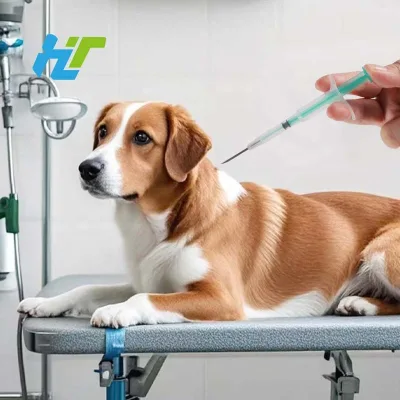
For Livestock management, the robustness of the chip and its reading distance are paramount. The 1-20cm reading distance must be sufficient for field conditions where animals may be moving or partially obscured. In contrast, for Pets like dogs and cats, the focus is on biocompatibility and the ease of injection. The Microchip Package options, such as Blister Pack or Soft Pack, are designed to facilitate sterile handling and injection.
The Application Field data suggests that these chips are suitable for various species, but buyers must ensure the chip size and shape are appropriate for the target animal. For example, the 2.12x12mm size is specifically noted for Dog Pet ID, while smaller dimensions might be required for smaller pets or livestock. The Working Temperature range of -40ºC to +85ºC ensures that the chips remain functional in diverse environmental conditions, from freezing winters to hot summers, which is critical for outdoor livestock and travel scenarios.
Supplier Evaluation and Origin Analysis
Selecting the right supplier is a decisive factor in the success of a procurement project. The observed product data indicates that the origin of these microchips is predominantly Shenzhen, Guangdong or Shenzhen, China. Shenzhen is a major hub for electronics manufacturing, offering access to a robust supply chain and advanced production capabilities. However, the concentration of suppliers in this region requires careful vetting to ensure quality consistency.
When evaluating suppliers, buyers should look for evidence of Customization capabilities and Standard adherence. The ability to provide Customizable sizes and packaging is a strong indicator of a flexible and capable manufacturer. Additionally, the MOQ flexibility is a key metric; suppliers offering lower MOQs like 20PCS may be better suited for startups or small-scale projects, while those requiring 1000PCS are geared toward large-scale distributors.
Buyers must also assess the supplier's commitment to quality control. The presence of certifications like SGS and CE suggests a commitment to international standards, but direct communication regarding quality assurance processes is necessary. Questions should be asked about the Chip Available options, specifically regarding Lf (Low Frequency) chips, and how the supplier ensures the integrity of the Read/Write functionality. The Sample policy is also a good indicator of supplier confidence; a willingness to provide free samples suggests a transparent and customer-focused approach.
Quality Control and Long-Term Procurement
Ensuring the long-term reliability of microchips requires a robust quality control strategy. The Standard protocols listed, such as ISO 14443A, ISO15693, and ISO 18000-6c, indicate a high level of technical sophistication, though the primary focus for pet microchips remains ISO 11784/11785. Buyers should verify that the supplier conducts rigorous testing for Reading Distance and Frequency stability. The Working Temperature range is a critical quality metric; chips must withstand extreme temperatures without degradation.
For long-term procurement, the Packing standard is essential to prevent damage during transit and storage. The observed Standard packing options, such as 1PC/Bag or 20PCS/Pack, should be evaluated for their ability to protect the chips from physical stress and moisture. Additionally, the Function of the chip, which includes Identification and Information storage, must be verified to ensure data integrity over time.
Buyers should also consider the Lead Time and Location factors when planning long-term supply chains. While specific lead times are not provided in the data, the Shenzhen origin suggests a well-established logistics network. However, buyers should confirm delivery schedules to avoid stockouts, especially for critical applications like Livestock management or Pet identification programs. Establishing a relationship with a supplier who offers Customization and maintains high Certification standards will ensure a steady supply of reliable microchips.
Comparative Analysis of Product Attributes
To facilitate informed decision-making, the following table summarizes the key attributes observed in the market for ISO 11785 pet microchips. This comparison highlights the variability in specifications and helps buyers identify the features that align with their specific needs.
| Attribute Category | Observed Options | Critical Verification Point |
|---|---|---|
| Frequency | 134.2kHz, 134kHz | Must match ISO 11785 standard for global compatibility. |
| Chip Type | Read/Write (e.g., EM4305) | Verify data storage capabilities and write endurance. |
| Size | 1.257mm, 1.48mm, 2.12*12mm | Select based on target animal size and injection site. |
| Shape | Rectangle, Irregular, Circular | Ensure compatibility with injection needles and animal anatomy. |
| Certifications | ISO, RoHS, CE, SGS, CCC, Icar | Request valid certificates for the specific batch ordered. |
| MOQ | 20PCS, 1000PCS | Align with budget and projected usage volume. |
| Material | PP (Polypropylene) | Confirm biocompatibility and durability standards. |
| Reading Distance | 1-20cm (Condition dependent) | Test with intended reader to verify actual performance. |
| Origin | Shenzhen, Guangdong, China | Assess logistics and potential lead times from this region. |
This table serves as a reference for buyers to cross-check supplier claims against observed market data. It emphasizes that while certain attributes are common, the specific combination required for a successful procurement depends on the unique requirements of the buyer's application. By systematically evaluating these factors, buyers can secure high-quality, compliant microchips that meet the rigorous demands of the ISO 11785 standard.
FAQs
What frequency standards do iso 11785 pet microchips use?
These microchips operate at 134.2kHz or 134kHz to ensure global compatibility. This specific frequency band is mandatory for international travel and veterinary use under ISO 11784/11785 standards.
Which certifications are required for compliant animal identification chips?
Products typically hold ISO, RoHS, CE, and SGS certifications to ensure safety and quality. Some listings also mention Icar or CCC certifications depending on the specific regional requirements and batch.
How large are the standard sizes for these microchips?
Standard dimensions include 1.25x7mm, 1.4x8mm, and 2.12x12mm sizes. The 2.12x12mm size is frequently highlighted as the standard for dog and pet ID applications.
Can buyers obtain free samples before placing a large order?
Yes, samples are often available free of charge to allow for testing before commitment. However, buyers must account for shipping costs associated with these free samples when budgeting.
What is the typical minimum order quantity for these chips?
Minimum order quantities vary significantly, ranging from 20 pieces to 1000 pieces per order. Specific listings cite 20PCS or 1000PCS as standard thresholds depending on the supplier and packaging.
Where are these microchips primarily manufactured?
The majority of these products originate from Shenzhen, Guangdong, China. This region is a major hub for electronics manufacturing, offering access to a robust supply chain and advanced production capabilities.
What reading distance can be expected from these chips?
The functional reading distance typically ranges from 1 to 20 centimeters depending on conditions. Buyers should verify test data for their specific reader-chip combination rather than assuming a fixed distance.