Source ISO9001 Block Making Machine for bricks, blocks, and pavers
Find 30 ISO9001 Block Making Machine options for hollow blocks, solid bricks, and interlocking pavers. Compare models like QTJ4-40B and BLK 2-45A with varying production capacities and vibration modes to suit your concrete manufacturing needs; compare the available evidence and request quotations based on your requirements.
Updated
Key considerations
Products List


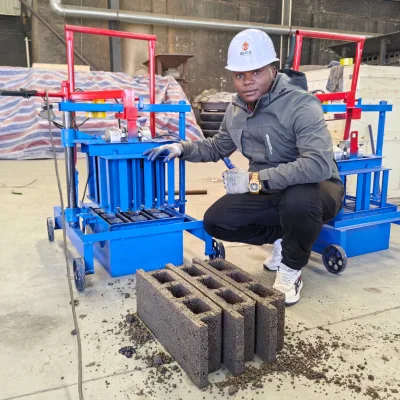
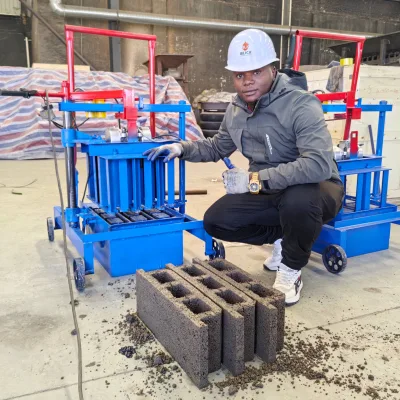
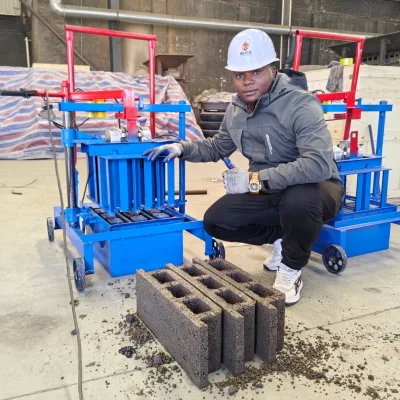
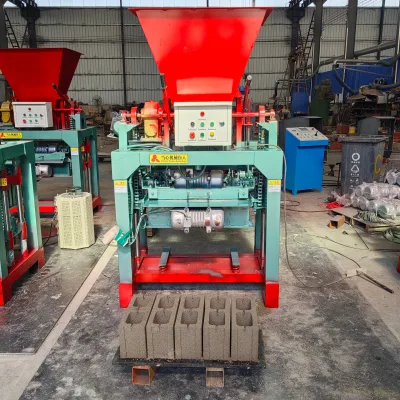
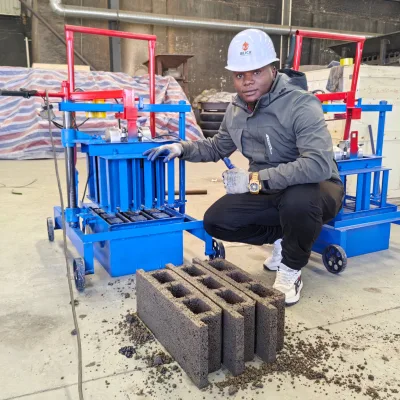
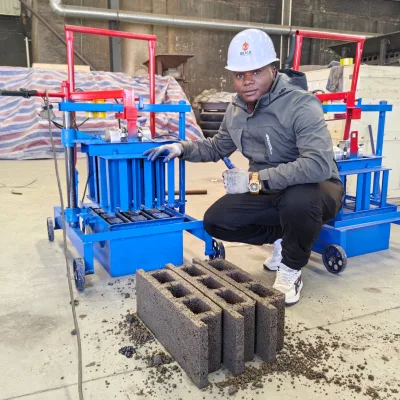


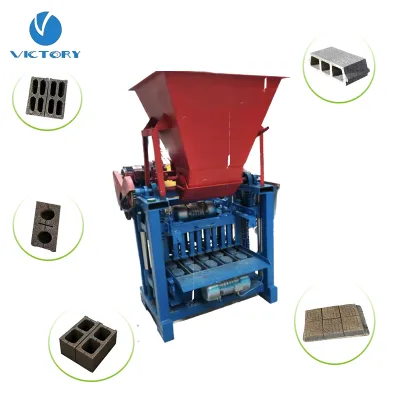

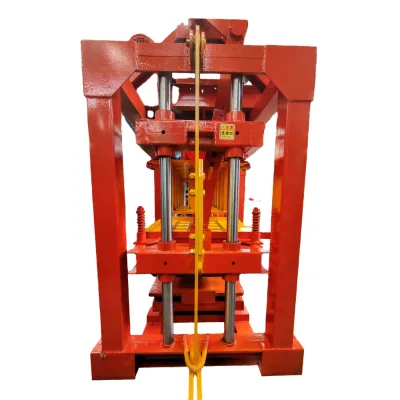
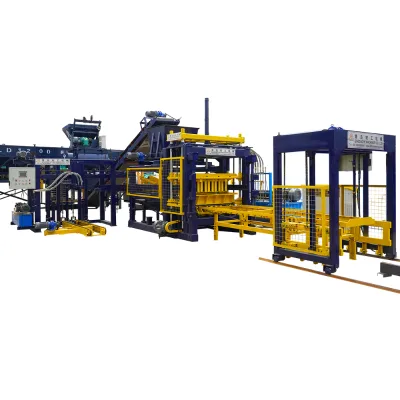
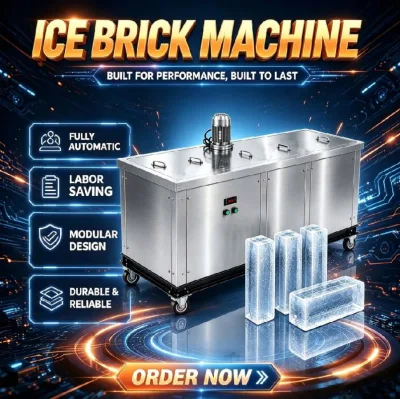

Block Making Machinery Automatic Block Making Machine Concrete Block Making Machine
$2700.00 - $3000.00
MOQ: 1 Pieces

Comprehensive Sourcing Guide
ISO9001 Block Making Machine Sourcing Guide
Procuring an ISO9001 Block Making Machine requires a disciplined approach to verifying both manufacturing quality systems and machine performance capabilities. Buyers must understand that while ISO9001 certification indicates a supplier’s adherence to standardized quality management processes, it does not automatically guarantee the mechanical reliability or output consistency of the specific equipment being purchased. Therefore, the sourcing strategy must combine document verification with rigorous technical due diligence to ensure the machinery meets operational demands.
This guide outlines the critical steps for evaluating block making machines, focusing on observed market signals, technical specifications, and compliance documentation. By aligning procurement decisions with verified data points such as production capacity, power requirements, and material compatibility, buyers can mitigate risks associated with equipment failure or underperformance. The following sections provide a structured framework for assessing suppliers and selecting machinery that supports long-term production goals.
Product Scope and Observed Listing Signals
The current market for block making machines features a diverse range of models, including the QTJ4-40B, QT4-26, QT4-30, and QT4-20, each designed for specific production volumes and block types. Observed listings indicate a price range from $379 to $2,000,000, reflecting significant variations in automation levels, hydraulic systems, and overall build quality. Buyers should note that minimum order quantities are typically set at one unit, allowing for flexible procurement strategies tailored to small-scale operations or large industrial plants.
Product attributes vary widely, with options for customization, various molding cycles ranging from 15 to 30 seconds, and different block types such as hollow, solid, interlocking, and paving bricks. Raw materials compatible with these machines include concrete, cement, fly ash, sand, and crushed stone, offering versatility in production. The observed production capacities span from 800 to 12,000 pieces per eight hours, depending on the model and block dimensions, enabling buyers to match equipment to their specific throughput requirements.
Technical Specifications to Verify
Verifying technical specifications is essential to ensure the machine meets operational needs, particularly regarding power consumption and physical dimensions. For instance, models like the BLK 2-45A and BLK 4-35C have power ratings of 1.1 kW and 7.5 kW respectively, which directly impact energy costs and electrical infrastructure requirements. Buyers must also check overall dimensions, such as 13009502070mm or 395021002300mm, to ensure the equipment fits within available factory space and allows for adequate maintenance access.
Molding technology is another critical factor, with options including vibration molding, hydraulic shock, and hydroforming methods. The vibration mode, such as stereoscopic mould vibration, affects the density and quality of the final product. Additionally, the weight of the machine, ranging from 1.6 tons to 3 tons, influences installation complexity and foundation requirements. Buyers should confirm the motor type, ensuring it uses 100% copper wire for durability and efficiency, and verify the pallet size compatibility, such as 85055030mm, to ensure seamless integration with existing production lines.
Compliance and Safety Documentation
Compliance with international standards is a key consideration, with CE certification being a common requirement for machinery sold in many markets. This certification ensures that the equipment meets essential health, safety, and environmental protection standards, reducing liability risks for the buyer. Buyers should request valid CE certificates and verify their authenticity through the issuing body, ensuring that the specific model number matches the documentation provided by the supplier.
ISO9001 certification, when present, indicates that the manufacturer follows a quality management system focused on consistent product quality and continuous improvement. However, buyers should also inquire about other relevant certifications or standards that may apply to their local regulations. Documentation should include detailed user manuals, maintenance schedules, and safety guidelines, providing clear instructions for operation and troubleshooting. Ensuring that all safety features are properly documented and compliant helps prevent accidents and ensures smooth daily operations.
Cost Drivers and Commercial Terms
Several factors influence the total cost of ownership, including the machine’s power rating, production capacity, and included accessories. Higher capacity models, such as those producing 12,000 pieces per eight hours, typically command higher prices but offer greater economies of scale. Buyers should also consider the cost of spare parts, maintenance, and potential downtime, which can significantly impact long-term profitability. Understanding these cost drivers allows for more accurate budgeting and financial planning.
Commercial terms such as payment methods, shipping arrangements, and warranty coverage are crucial components of the procurement process. Most suppliers offer wooden package or container packing, which affects shipping costs and handling requirements. Warranty services often include video technical support, providing remote assistance for troubleshooting and maintenance. Buyers should negotiate clear terms regarding delivery times, installation support, and after-sales service to ensure a smooth transition from purchase to full operational capability.
Supplier Qualification and Quality Control
Evaluating supplier qualifications is vital to ensure reliability and long-term partnership potential. Buyers should verify the supplier’s manufacturing capabilities, including their production facilities, quality control processes, and experience in the block making machine industry. A supplier with a strong track record and positive customer references is more likely to deliver high-quality equipment and provide reliable support. Additionally, checking for any history of disputes or complaints can help identify potential risks.
Quality control measures should be implemented throughout the procurement process, from initial inquiry to final delivery. Buyers should request detailed specifications, performance test results, and factory audit reports to assess the machine’s quality. Establishing clear quality acceptance criteria and inspection protocols ensures that the delivered equipment meets agreed-upon standards. Regular communication with the supplier during the manufacturing and shipping phases helps address any issues promptly and ensures timely delivery.
Long-Term Procurement Checks
Long-term success depends on ongoing supplier performance and equipment reliability. Buyers should establish regular review cycles to assess machine performance, maintenance needs, and supplier responsiveness. Monitoring key performance indicators such as production output, defect rates, and downtime helps identify areas for improvement and ensures that the equipment continues to meet operational requirements. Proactive maintenance and timely repairs are essential to maximizing the lifespan and efficiency of the block making machine.
Building a strong relationship with the supplier can facilitate access to upgrades, spare parts, and technical support. Buyers should maintain open lines of communication and provide feedback on machine performance and service quality. This collaborative approach helps ensure that the supplier remains committed to meeting the buyer’s needs and adapting to changing market conditions. By focusing on long-term partnership and continuous improvement, buyers can achieve sustained operational excellence and competitive advantage in the block manufacturing industry.
FAQs
What certifications do these block making machines have?
These machines hold CE and ISO certifications, ensuring compliance with international safety and quality standards. The ISO certification indicates adherence to rigorous management systems, while the CE mark confirms conformity with European health and safety requirements for machinery used in industrial construction environments.
Can the machines be customized for specific production needs?
Yes, customization is available to meet specific operational requirements. Buyers can select designated colors and adjust parameters to suit their workflow. This flexibility allows for tailored solutions that align with particular factory layouts or branding preferences without compromising core mechanical functionality.
What raw materials can these hydraulic machines process?
These hydraulic shock and vibration molding machines process concrete, cement, fly ash, sand, and crushed stone. The versatile material handling capability allows manufacturers to produce various brick types, including hollow blocks, solid bricks, and paving stones, using locally available aggregates and binders.
How fast is the molding cycle for these machines?
The molding cycle ranges from 15 to 30 seconds depending on the specific model. Faster cycles, such as 20 seconds, are typical for certain hydraulic models, while others may operate at 30 seconds. This variability allows buyers to select machines that match their desired production throughput.
What is the typical weight and power consumption of these units?
Machine weights vary, with some models weighing 3 tons and others around 1600 kg. Power ratings differ significantly, ranging from 1.1 kW to 7.5 kW. These specifications help buyers assess installation requirements and energy costs associated with long-term industrial operation.
What after-sales support is provided for these block makers?
Video technical support is provided after the warranty period expires. This service ensures that operators can receive remote assistance for troubleshooting or maintenance queries. It offers a cost-effective solution for resolving technical issues without requiring immediate on-site engineer dispatches.