men breathable non-slip hiking shoes Suppliers and Manufacturers
Find 25 verified suppliers offering men breathable non-slip hiking shoes with varying lead times, response speeds, and price ranges. Compare locations in Zhejiang, Anhui, and Fujian, then request samples to verify quality and specifications before placing orders; review the available evidence before requesting comparable quotations from suitable candidates.
Updated
Suppliers List
Yiwu Maining Trading Co., Ltd.
- Trading Company
- Zhejiang, China
- Lead time0 days
- Avg. response≤ 5h
Main productsClothes,Dress,Pants,shoes
Main marketsEastern Europe(40.00%), Africa(30.00%), North America(20.00%), South America(10.00%)
Hefei Yuexianglai Commodity Co., Ltd.
- Trading Company
- Anhui, China
- Lead time15 days
- Avg. response≤ 2h
Main productsraincoats,comfortable insoles,small appliances,roller skate shoes and accessories,PU wheels
Main marketsSouth Asia(10.00%), Central America(10.00%), Southeast Asia(10.00%), Mid East(10.00%), South America(10.00%), North America(10.00%), Domestic Market(5.00%), Oceania(5.00%), Southern Europe(5.00%), Northern Europe(5.00%), Africa(5.00%), Western Europe(5.00%), Eastern Asia(5.00%), Eastern Europe(5.00%)
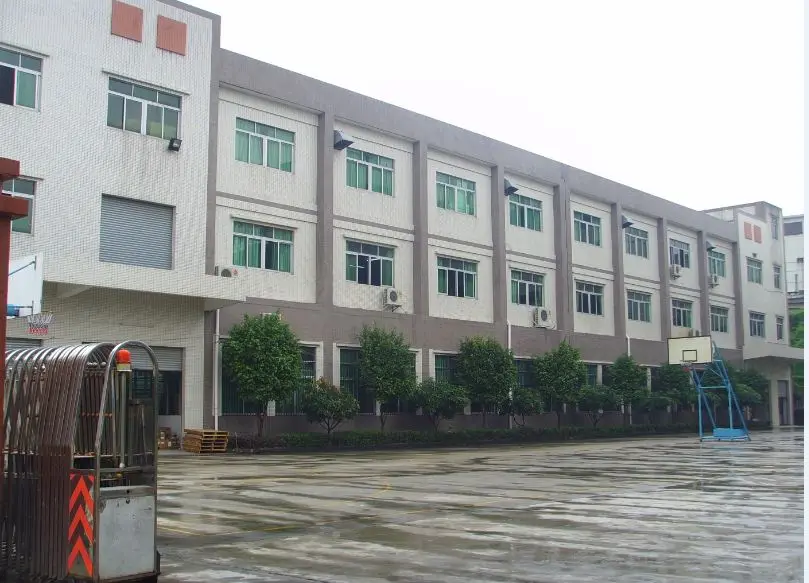
Xiamen Jieruixin Trading Co., Ltd.
- Trading Company
- Fujian, China
- Lead time60 days
- Avg. response≤ 8h
Main productsSports Shoes,Outdoor Shoes,Casual Shoes
Main marketsNorth America(30.00%), Northern Europe(23.00%), Western Europe(22.00%), South America(10.00%), Southeast Asia(5.00%), Eastern Europe(5.00%), Eastern Asia(4.00%), Domestic Market(1.00%)

Xiamen Mango Fashion Shoes Trade Co., Ltd
- Verified by BV
- Trading Company
- China Fujian
- Lead time45 days
- Avg. response≤ 21h
Main productsSneaker, Women Sneakers, Sport Shoes, Skateboards, Casual Shoes, Vulcanized, Boots, Sandals, Slippers
Main marketsSouth America,Southeast Asia/ Mideast,North America


Men Shock Absorbing Shoes Hiking Shoes Trekking Shoes Mountaineering Shoes
$13.00 - $15.00
MOQ: 500 Pairs


Men Mountaineering Shoes Trekking Shoes Outdoor Hiking Shoes Waterproof Hiking Shoes
$10.00 - $13.50
MOQ: 500 Pairs

Hiking Shoes for Men Trekking Shoes Climbing Shoes Safety Shoes Anti Slippery Outdoor Shoes
$9.00 - $13.00
MOQ: 500 Pairs

Factory OEM Man Lightweight Hiking Shoes Anti-Slippery Trekking Shoes Outdoors Sport Shoes
$10.00 - $12.00
MOQ: 500 Pairs
Quanzhou Jia Xin Shoes And Clothing Co., Ltd.
- Verified by Intertek
- Manufacturer, Trading Company
- Lead time15 days
- Avg. response≤ 2h
Main productsSneakers, Walking Style Shoes, Skateboarding Shoes, Outdoor Shoes, Insoles
Main marketsDomestic Market(40%), Eastern Europe(35%), North America(15%)

- Verified by SGS
- Trading Company
- China Zhejiang
- Lead time23 days
- Avg. response≤ 4h
Main productsShoes
Main marketsSouth America,Africa,Southeast Asia/ Mideast,Europe,North America


High-Quality Outdoor Work Hike Shoes for Men - Waterproof Hiking Sneakers
$13.00 - $15.00
MOQ: 1 Pairs


- Verified by BV
- Trading Company
- China Fujian
- Lead time23 days
- Avg. response≤ 3h
Main productsMouth Care and Soap, Field Kitchen Trailer, Camping Tents, Boots and Shoes, Camo Uniform and Clothes, Outdoor Backpacks and Bags, Camouflage Net and Ghillie Suit, Blankets and Sleeping Bags, Canteens and Mess Tins, Tactical Helmet
Main marketsSouth America,Africa,Southeast Asia/ Mideast,East Asia(Japan/ South Korea),Europe,Australia,North America
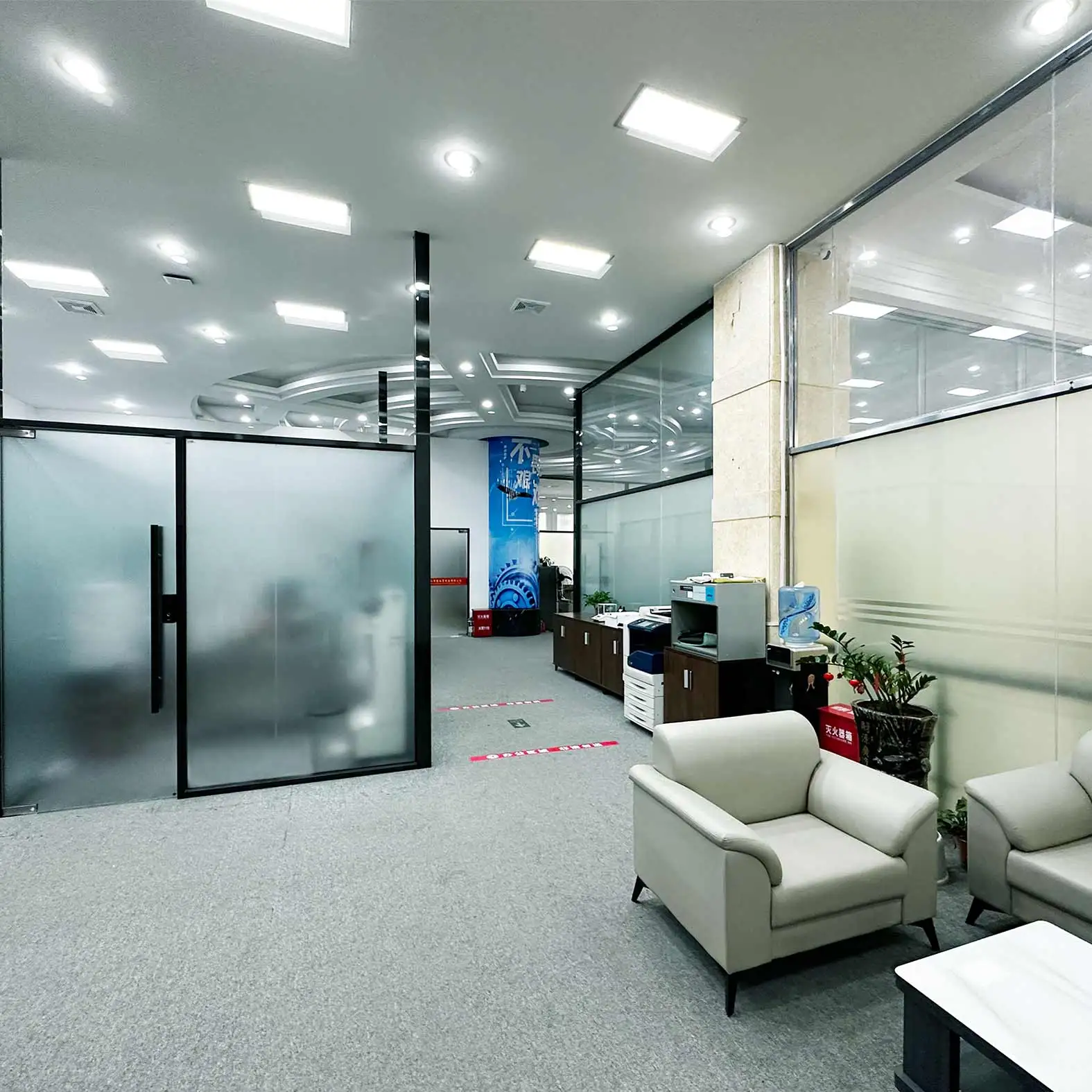
Fujian Jinjiang Shenlong Sports Products Co., Ltd.
- Trading Company
- Fujian, China
- Lead time0 days
- Avg. response≤ 4h
Main productsshoes
Main marketsWestern Europe(50.00%), Eastern Asia(20.00%), Eastern Europe(20.00%), North America(10.00%)
Shijiazhuang Jinchen Technology Co., Ltd.
- Manufacturer, Trading Company
- Hebei, China
- Lead time15 days
- Avg. response≤ 2h
Main productsBarefoot Shoes,Barefoot Boots,Grounding Shoes,Barefoot Sneakers,Wide Toe Box Shoes
Main marketsNorth America(40.00%), Southern Europe(20.00%), Northern Europe(20.00%), Western Europe(20.00%)
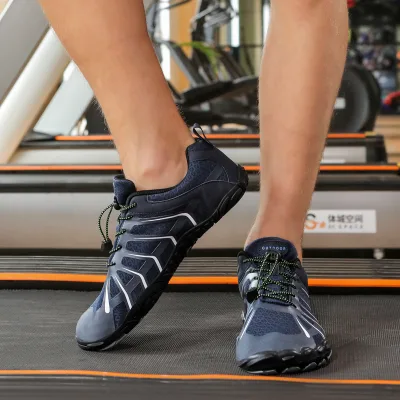
$10.849 - $11.5716
MOQ: 2 pairs
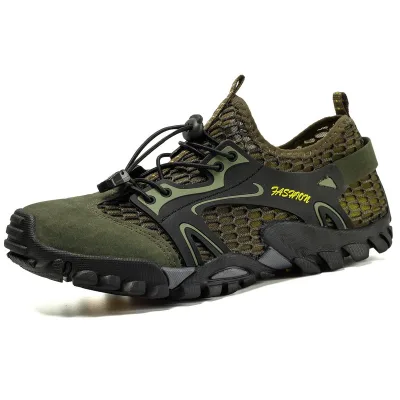
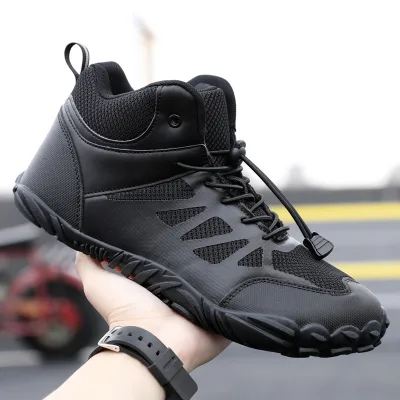
Men Hiking Shoes Comfy Lightweight Non-Slip All Day Walking Work Climbing Sneakers
$8.5048
MOQ: 1 Minimum
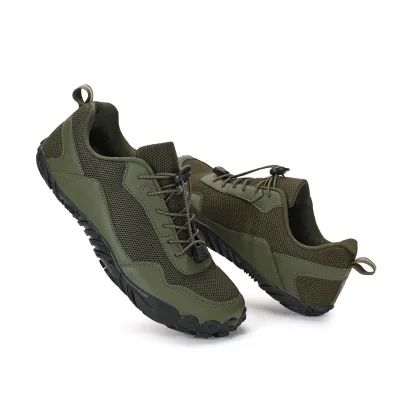
$12.3988 - $14.3466
MOQ: 1 pieces
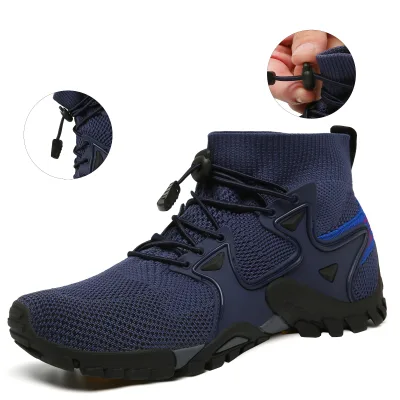
$10.8625 - $11.579
MOQ: 1 pieces
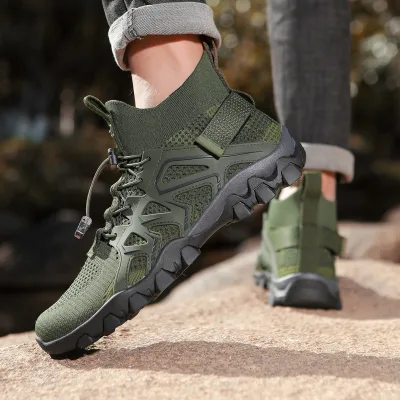

- Verified by SGS
- Trading Company
- China Fujian
- Lead time30 days
- Avg. response≤ 2h
Main productsBoots, Sneakers, Sandals, Corkshoes, Kids Shoes, Customized Shoes, Footwear, Slipper, Winter Boots, Snow Boots
Main marketsEast Asia(Japan/ South Korea)


Shock-Absorbing Running Shoes and Breathable Sneaker for Hiking and Travel
$10.80 - $18.50
MOQ: 500 Pieces

Men Outdoor Hiking Shoes Breathable Lightweight Trail Footwear Quick-Dry
$5.00 - $15.00
MOQ: 500 Pieces


Lightweight Durable Hiking Shoes for Outdoor Trail Running and Trekking
$5.00 - $15.00
MOQ: 500 Pieces

Quanzhou Taihui Shoes Co., Ltd
- Verified by SGS
- Combined
- China Fujian
- Lead time30 days
- Avg. response≤ 10h
Main productsSneaker
Main marketsEurope,North America


Outdoor Men Custom Hiking Shoes Anti-Slip Hiking Shoes Sports Couple Travel Shoes
$8.60 - $15.90
MOQ: 200 pairs

New Outdoor Lightweight Men's Hiking Shoes Breathable Shoes Men's Waterproof Hiking Shoes
$7.50 - $12.90
MOQ: 200 pairs

$9.90 - $19.90
MOQ: 200 pairs

Custom Mens Athletic Shoes Outdoor Men's Sports Shoes Waterproof Men Hiking Boots
$30.60 - $38.90
MOQ: 200 pairs


Quanzhou Gushi Technology Co., Ltd.
- Verified by CTI
- Trading Company
- China Fujian
- Lead time15 days
- Avg. response≤ 25h
Main productsShoes, Clothing, Dried Flower, Dolls, Shoes Charms, Bags, Shoes Accessories, Home Craft Decorations
Main marketsEurope


Outdoor High Quality Men Hiking Shoes Comfortable Anti-Skid Walking Shoes
$18.58 - $20.00
MOQ: 50 Pairs
Jihua 3514 Leather And Shoes Co., Ltd.
- Manufacturer, Trading Company
- Hebei, China
- Lead time0 days
- Avg. response≤ 5h
Main productsLeather boots,Dress shoes,Safety shoes,Desert boot,Tactical boots
Main marketsAfrica(40.00%), Mid East(20.00%), Domestic Market(10.00%), South America(10.00%), North America(10.00%), Southeast Asia(10.00%)

Jinjiang Maituo Import and Export Trading Co., Ltd.
- Verified by CTI
- Combined
- China Fujian
- Lead time60 days
- Avg. response≤ 7h
Main productsShoe, Shoe Accessories, Sporting Shoes, Shoe Machine, Shoe Sole, Microfiber PU, Space Leather, TPU, Basketball Cover, Textile Fabrics
Main marketsEurope


Breathable Waterproof Mountaineering Hiking Shoes for Outdoor Adventures
$19.19 - $19.69
MOQ: 600 Pairs


Breathable Waterproof Climbing Shoes for Comfortable Outdoor Adventures
$19.19 - $19.69
MOQ: 600 Pairs


Jinjiang Chidian Xuqi Trading Firm (Individual Business)
- Trading Company
- China Fujian
- Lead time0 days
- Avg. response≤ 6h
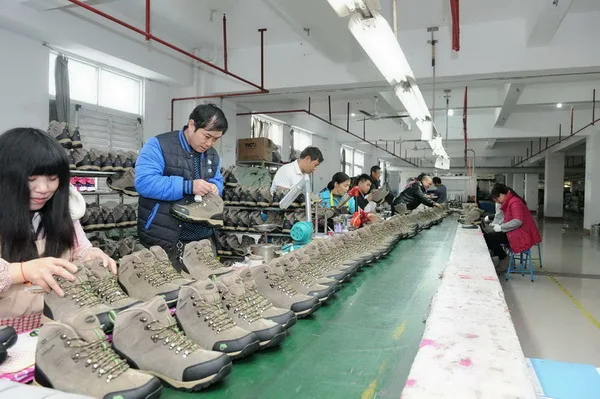
- Trading Company
- Fujian, China
- Lead time40 days
- Avg. response≤ 6h
Main productsSport Shoes,Casual Shoes,Motorcycle riding SHOES,Tennis shoes,Boxing shoe
Main marketsNorth America(40.00%), Western Europe(20.00%), Africa(20.00%), South America(20.00%)
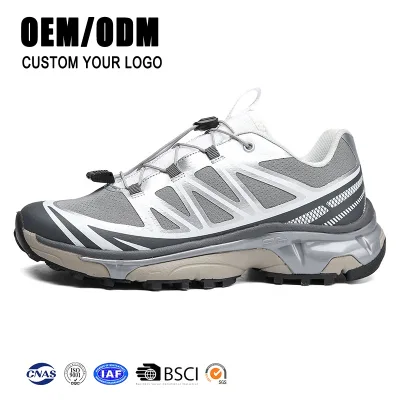
$14.3048 - $18.4053
MOQ: 500 pairs
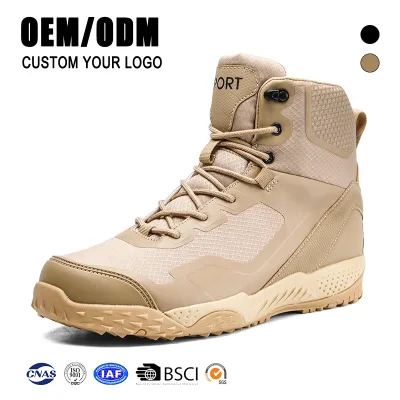
$19.2266 - $22.8155
MOQ: 1800 pairs
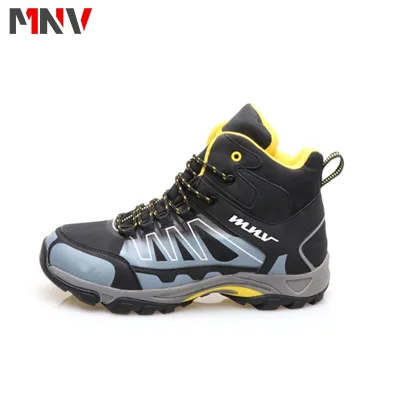
New Fashion Waterproof Hiking Nylon Cloth+Pu Men Shoes Climbing Mountain Shoes
$16.6624 - $17.9954
MOQ: 600
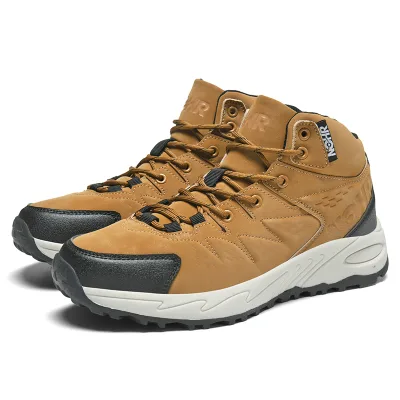
$15.3714 - $17.4209
MOQ: 59 pairs
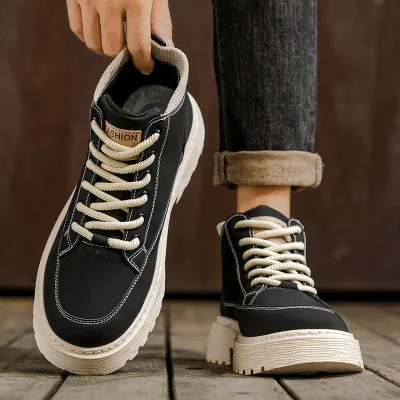
Men's Comfortable Black Hiking Shoes for All Sports Climbing Autumn/Winter & Summer Use-All Day Wear
$10.3433 - $12.4138
MOQ: 59 pairs
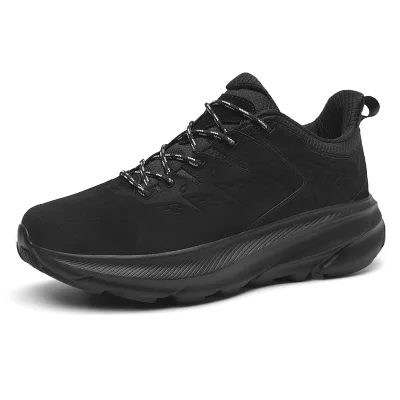
$11.4638 - $15.5659
MOQ: 259 pairs

- Verified by CTI
- Trading Company
- China Jiangsu
- Lead time23 days
- Avg. response≤ 5h
Main productsDesert Boots, Hunting Boots, Safety Boots&Shoes, Hiking Shoes, Casual Shoes, Snow Boots, Slippers, Clothing
Main marketsSoutheast Asia/ Mideast,Europe


Spring and Summer Mesh Breathable Men's Large Climbing Shoes Hiking Shoes
$10.00 - $18.00
MOQ: 500 Pairs


Quan Zhou Weizhili Trading Co., Ltd.
- Trading Company
- Fujian, China
- Lead time90 days
- Avg. response≤ 6h
Main productsoutdoor shoes,casual shoes,sport shoes,sandals,snow boots
Main marketsSouthern Europe(20.00%), Eastern Europe(20.00%), Northern Europe(20.00%), North America(20.00%), Mid East(10.00%), South America(10.00%)
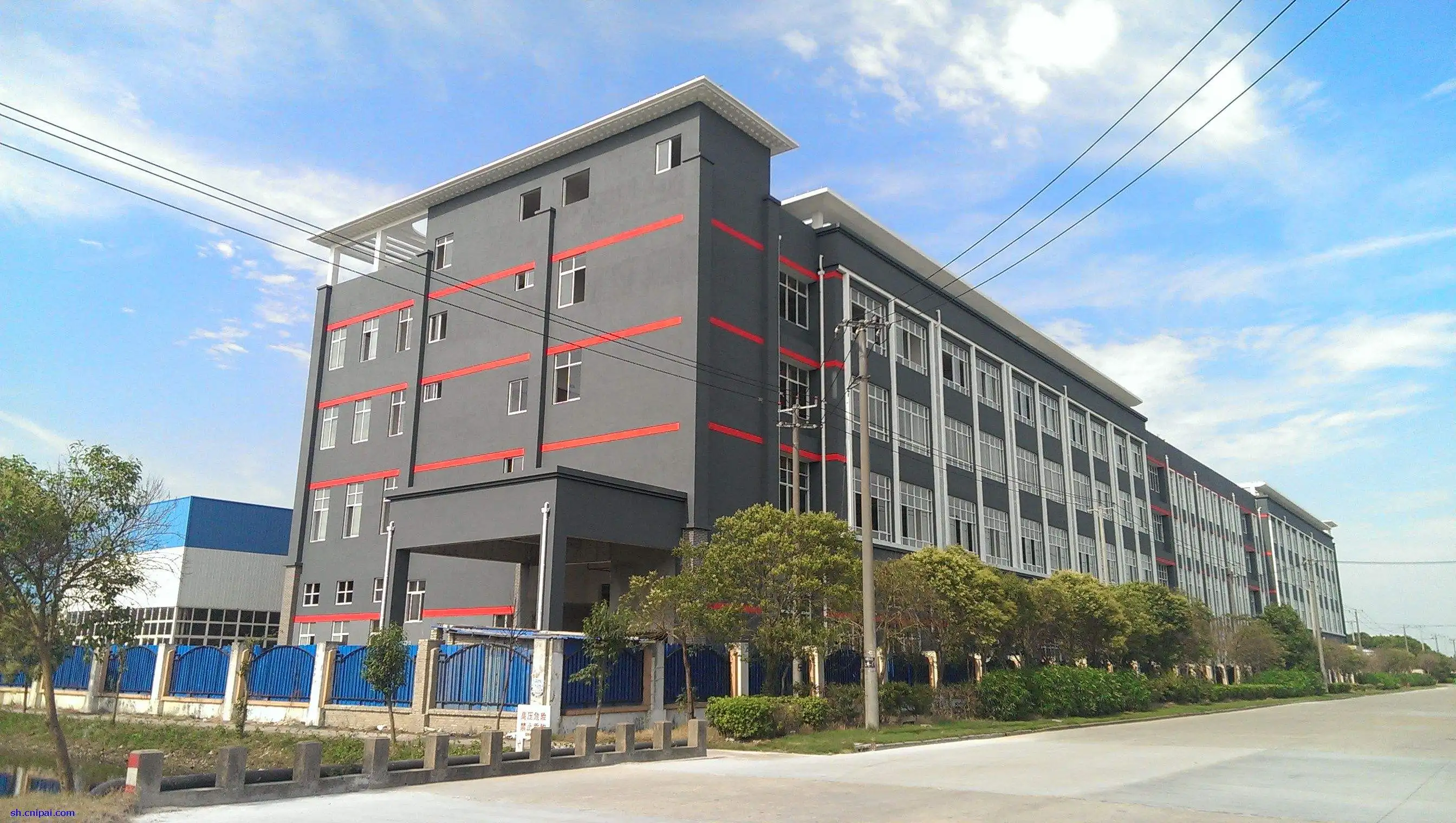
Guangzhou Yihe Trading Co., Ltd.
- Manufacturer, Trading Company, Distributor/Wholesaler
- Guangdong, China
- Lead time0 days
- Avg. response≤ 1h
Main productsTactical Backpack,Hiking Backpack,Outdoor Sports Backpack,Tactical boots,Tactical Vest
Main marketsNorth America(30.00%), Southeast Asia(15.00%), Mid East(10.00%), South America(10.00%), Eastern Europe(10.00%), South Asia(5.00%), Southern Europe(5.00%), Western Europe(5.00%), Eastern Asia(5.00%), Africa(5.00%)

Xiamen Newtop Footwear Co., Ltd.
- Verified by SGS
- Trading Company
- China Fujian
- Lead time60 days
- Avg. response≤ 3h
Main marketsSoutheast Asia/ Mideast,Europe,North America

Men's Outdoor Hiking Shoes Breathable Mesh Upper Durable Anti-Slip Trail Trekking Footwear
$9.50 - $9.90
MOQ: 1 Pairs

Men's Anti Slip Hiking Shoes Breathable Mesh Upper Shock Absorbing Outdoor Footwear
$9.50 - $9.90
MOQ: 1 Pairs

Breathable Mesh Upper Men Hiking Shoes Outdoor Lightweight Durable Trail Walking Footwear
$13.30 - $13.70
MOQ: 1 Pairs

Men Hiking Shoes Outdoor Breathable Mesh Upper Lightweight Comfort Trail Walking Footwear
$13.30 - $13.70
MOQ: 1 Pairs


Men's Outdoor Hiking Shoes Breathable Mesh Upper Lightweight Waterproof Trail Running Footwear
$9.50 - $9.90
MOQ: 1 Pairs
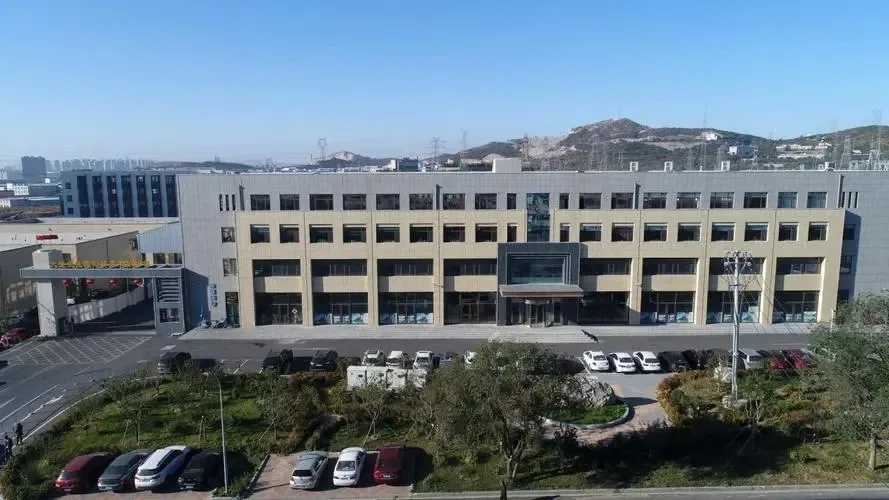
Jinan Yicheng Trading Co., Ltd.
- Trading Company
- Shandong, China
- Lead time0 days
- Avg. response≤ 1h
Main productsOutdoor Products,Sports Goods,Outdoor equipment
Main marketsNorth America(20.00%), South America(18.00%), Western Europe(15.00%), Oceania(10.00%), Southeast Asia(10.00%), Mid East(8.00%), Southern Europe(5.00%), Domestic Market(2.00%), South Asia(2.00%), Africa(2.00%), Northern Europe(2.00%), Central America(2.00%), Eastern Europe(2.00%), Eastern Asia(2.00%)

- Verified by CTI
- Trading Company
- China Fujian
- Lead time30 days
- Avg. response≤ 1h
Main productsSafety Shoes, Safety Boots, Safety Footwear, Work Shoes
Main marketsEast Asia(Japan/ South Korea)

Breathable Outdoor Safety Shoes for Men: Cross Country Running & Hiking
$9.82 - $24.64
MOQ: 1000 Pairs

New Men's Breathable Outdoor Hiking Shoes Safety Footwear Outdoor Work Shoes
$18.92 - $20.67
MOQ: 1000 Pairs


Outdoor Hiking Shoes Customize Low Prices Camping Walking Shoes for Men
$21.92 - $24.46
MOQ: 1000 Pairs
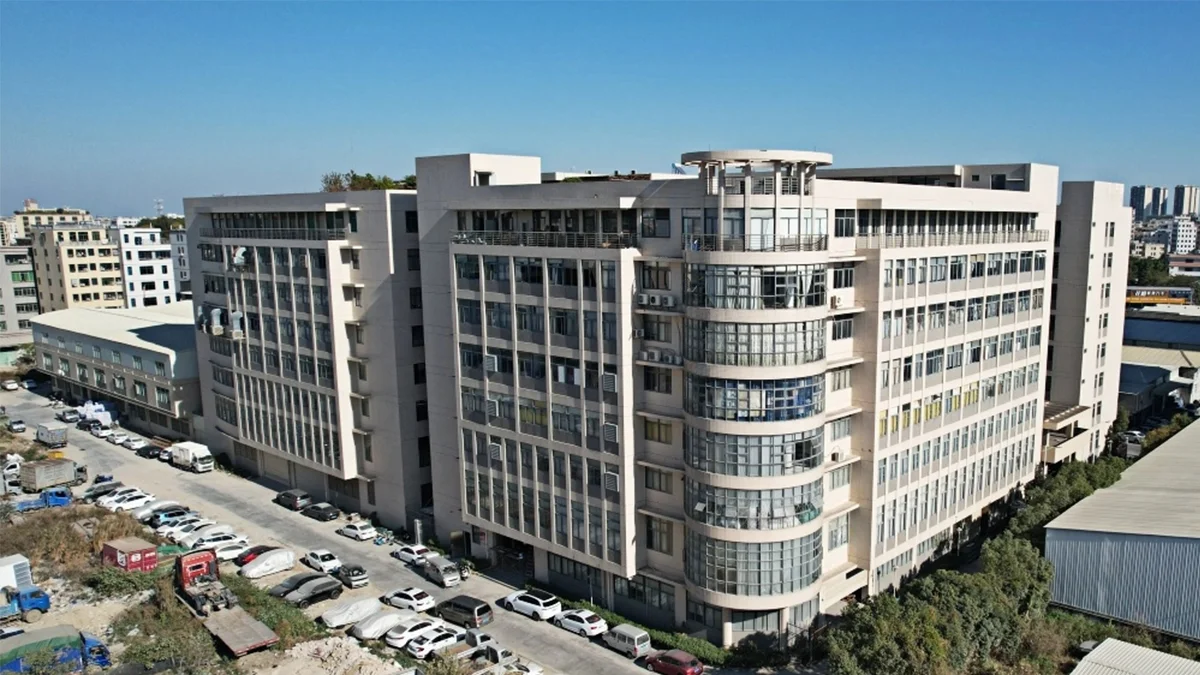
Quanzhou Haiweiser Trading Co., Ltd.
- Trading Company
- Fujian, China
- Lead time20 days
- Avg. response≤ 4h
Main productsRunning Shoes,Casual Sneakers,Soccer Shoes,Basketball Shoes,Kids Roller Skates
Main marketsMid East(35.00%), South America(25.00%), Africa(20.00%), Southeast Asia(10.00%), Eastern Europe(10.00%)
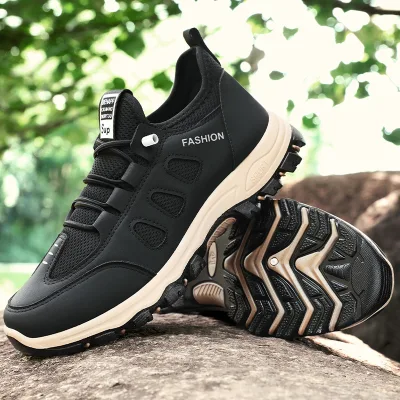
$5.2495 - $6.5615
MOQ: 1 pieces
$10.4974 - $13.1214
MOQ: 1 pieces

- Trading Company
- Fujian, China
- Lead time45 days
- Avg. response≤ 3h
Main productsSandal,Slipper,Sneakers,Sports Shoes,Outdoor Shoes
Main marketsAfrica(40.00%), Western Europe(20.00%), Southeast Asia(20.00%), Eastern Asia(10.00%), South America(10.00%)
Jinjiang Haizhibo Supply Chain Co., Ltd.
- Trading Company
- Fujian, China
- Lead time0 days
- Avg. response≤ 5h
Main productssport shoes,outdoor shoes,beach shoes,wading shoes,casual shoes
Main marketsSouthern Europe(20.00%), Northern Europe(20.00%), Western Europe(20.00%), Eastern Europe(20.00%), North America(20.00%)
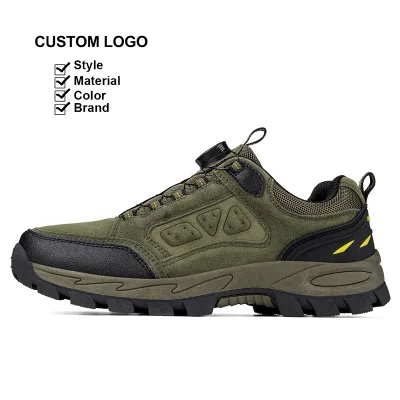
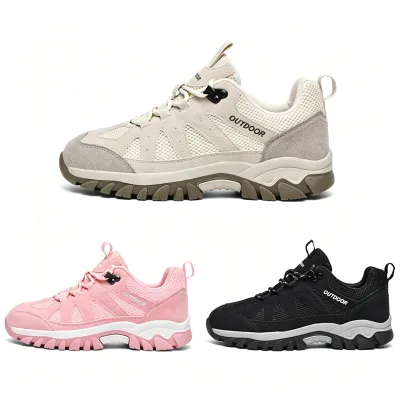
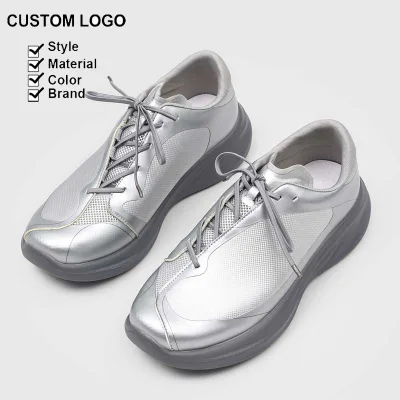


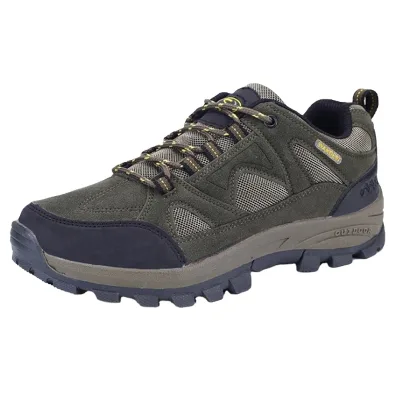


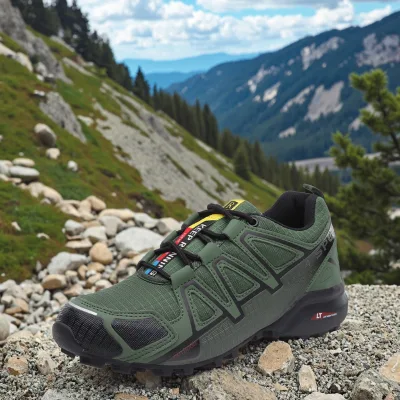
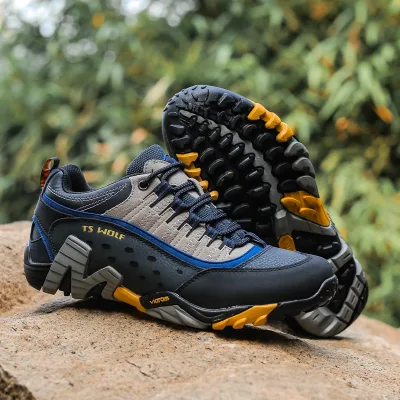
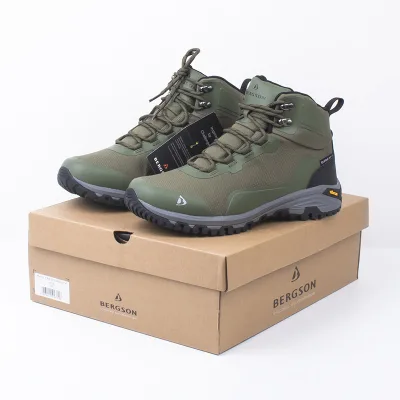
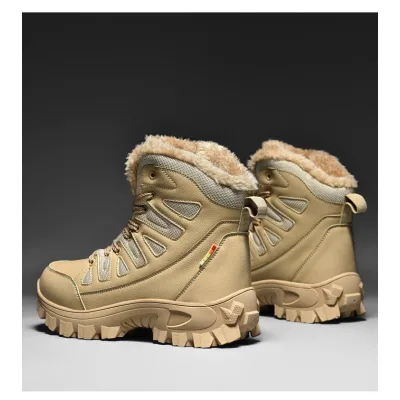
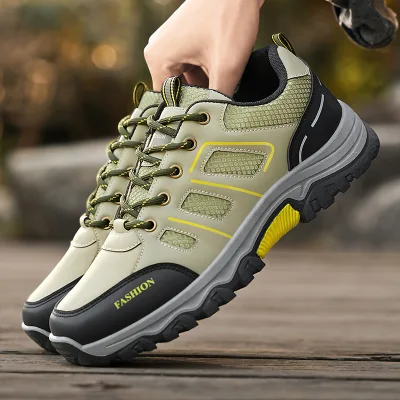
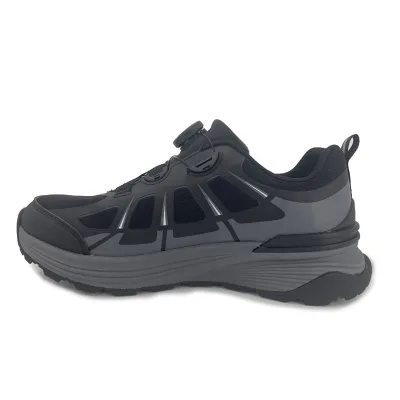
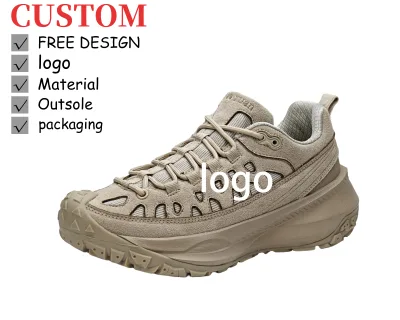
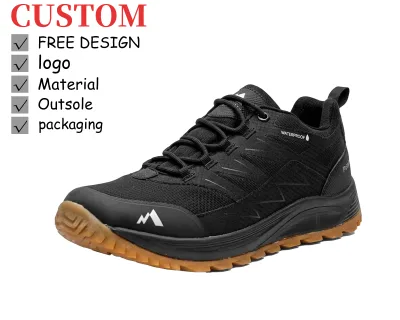
Comprehensive Sourcing Guide
Men Breathable Non-Slip Hiking Shoes Supplier Concentration and Factory Types
The current supplier landscape for men breathable non-slip hiking shoes reveals a distinct geographic concentration within China, specifically highlighting manufacturing hubs in Zhejiang, Anhui, and Fujian provinces. These regions serve as primary centers for footwear production, offering buyers access to established industrial clusters that specialize in various aspects of shoe manufacturing, from material sourcing to final assembly. Zhejiang-based suppliers often operate as trading companies, which can provide a broader range of product categories including clothes, dresses, pants, and shoes, potentially simplifying the sourcing process for buyers looking for diversified inventory. In contrast, suppliers located in Anhui and Fujian may focus more narrowly on specific product lines such as raincoats, insoles, small appliances, or dedicated sports and outdoor footwear. Understanding this geographic distribution is crucial for buyers, as it influences not only the available product variety but also the logistical efficiency and potential cost structures associated with importing these goods. The presence of multiple locations suggests a competitive market where buyers can compare options based on regional strengths, such as Zhejiang’s trading capabilities or Fujian’s specialized outdoor gear production.
Supplier types vary significantly across these regions, with trading companies playing a prominent role in facilitating international trade. These entities often act as intermediaries, connecting buyers with factories and managing the complexities of export documentation, quality control, and shipping logistics. For instance, some suppliers in Zhejiang are explicitly identified as trading companies, which may offer flexibility in order sizes and product customization but might have different lead times compared to direct manufacturers. Meanwhile, suppliers in Anhui and Fujian may offer more direct access to production capabilities, particularly for specialized items like non-slip mountaineering shoes or breathable hiking sneakers. The distinction between trading companies and factories is important because it affects communication efficiency, pricing transparency, and the ability to request custom modifications. Buyers should carefully evaluate whether they prefer the convenience and breadth of a trading company or the direct manufacturing control and potential cost savings of a factory-based supplier. This choice will impact the overall sourcing strategy and the level of involvement required in the production process.
How to Verify Men Breathable Non-Slip Hiking Shoes Suppliers
Verifying the credibility and capability of suppliers requires a systematic approach that goes beyond surface-level product listings. Buyers should prioritize suppliers who provide detailed product attributes, such as specific materials, sizing options, and functional features, as these details indicate a higher level of transparency and professionalism. For example, suppliers listing attributes like mesh upper materials, fabric linings, and specific outsole materials such as PVC or rubber demonstrate a clear understanding of product specifications. Additionally, checking for consistent response times is a critical indicator of supplier reliability; suppliers with faster response times, such as those within two to five hours, are often more engaged and responsive to buyer inquiries. This responsiveness can be a valuable asset during the negotiation and order placement phases, ensuring that any questions or concerns are addressed promptly. Buyers should also look for suppliers who provide comprehensive product keywords and category classifications, which can help in assessing the supplier’s focus and expertise in the men’s hiking shoe niche.
Another essential verification step involves examining the supplier’s main products and company type to ensure alignment with buyer needs. Suppliers listing main products like sports shoes, outdoor shoes, and casual shoes are likely to have more specialized knowledge and inventory relevant to hiking footwear compared to those with broader, unrelated product lines. Furthermore, buyers should verify the supplier’s location and ensure it matches the claimed place of origin for the products, as discrepancies can raise red flags about authenticity. It is also advisable to check for any available certifications or standards, although these may not always be explicitly listed in the initial search results. In the absence of such information, buyers should directly request documentation to verify quality control processes and compliance with international standards. By combining these verification methods, buyers can build a more accurate profile of each supplier, reducing the risk of partnering with unreliable or unqualified vendors. This due diligence is particularly important in the footwear industry, where quality and consistency are paramount to customer satisfaction.
What to Compare Across Men Breathable Non-Slip Hiking Shoes Suppliers
When evaluating multiple suppliers, buyers must compare key operational metrics to determine the best fit for their specific requirements. One of the most critical factors is the minimum order quantity (MOQ), which can vary significantly across suppliers. For instance, some suppliers may offer low MOQs as low as two pairs, making them suitable for small-scale testing or niche markets, while others may require larger orders, which could be more cost-effective for bulk purchases. Understanding these MOQ differences is essential for budget planning and inventory management. Additionally, lead times are a crucial consideration, as they impact the overall supply chain efficiency. Suppliers with shorter lead times, such as those offering fifteen-day production cycles, can help buyers respond more quickly to market demands, whereas longer lead times of sixty days or more may require more advanced planning and larger safety stocks. Buyers should carefully weigh these factors against their own operational capabilities and market needs to select suppliers that align with their strategic goals.
Price ranges and product attributes also play a significant role in supplier comparison. Buyers should analyze the price per unit across different suppliers, noting that prices can vary based on materials, design complexity, and order volume. For example, some suppliers may offer competitive pricing for basic models, while others may charge premium prices for specialized features like waterproofing or advanced non-slip technology. Comparing these prices alongside product attributes such as color options, size ranges, and material compositions can help buyers identify the best value proposition. Furthermore, response times can indicate the supplier’s level of customer service and willingness to engage in detailed negotiations. Suppliers with faster response times may be more flexible in accommodating custom requests or resolving issues quickly. By systematically comparing these metrics, buyers can create a comprehensive evaluation matrix that highlights the strengths and weaknesses of each supplier, facilitating more informed decision-making and ultimately leading to more successful sourcing outcomes.
Common Men Breathable Non-Slip Hiking Shoes Sourcing Risks
Sourcing men’s hiking shoes from international suppliers involves several inherent risks that buyers must proactively manage to ensure a smooth procurement process. One significant risk is the potential for quality inconsistencies, particularly when dealing with suppliers who offer a wide range of products or operate as trading companies. Without direct oversight of the manufacturing process, buyers may receive products that do not meet their specified standards for durability, comfort, or performance. This risk is exacerbated by the lack of standardized quality control measures across different suppliers, making it essential for buyers to establish clear quality expectations and verification protocols before placing orders. Additionally, the variability in product attributes, such as differences in upper materials, lining fabrics, and outsole compositions, can lead to unexpected variations in product performance. Buyers must carefully review these attributes and request samples to verify that the products meet their specific requirements for breathability, non-slip functionality, and overall durability.
Another common risk is the potential for logistical delays and communication barriers. Suppliers with longer lead times or slower response times may struggle to meet tight delivery schedules, leading to stockouts or missed market opportunities. Furthermore, language barriers and cultural differences can complicate communication, making it difficult to convey specific requirements or resolve issues promptly. Buyers should mitigate these risks by establishing clear communication channels and setting realistic expectations regarding lead times and response protocols. It is also advisable to work with suppliers who have a proven track record of reliable performance and positive feedback from other buyers. By identifying and addressing these risks early in the sourcing process, buyers can minimize disruptions and ensure a more stable and predictable supply chain. This proactive approach is crucial for maintaining product quality and meeting customer expectations in the competitive men’s hiking shoe market.
Men Breathable Non-Slip Hiking Shoes Regional Sourcing and Logistics
The geographic location of suppliers significantly influences logistics strategies and cost structures for sourcing men’s hiking shoes. Suppliers located in Zhejiang, Anhui, and Fujian provinces offer distinct logistical advantages based on their proximity to major ports and transportation networks. Zhejiang, being a major manufacturing hub, often provides efficient access to international shipping routes, which can reduce transit times and costs for buyers. Similarly, suppliers in Anhui and Fujian benefit from their strategic locations, which facilitate easier access to both domestic and international markets. Buyers should consider these logistical factors when selecting suppliers, as they can impact the overall cost of goods and the speed of delivery. Additionally, the type of supplier, whether a trading company or a factory, can affect logistics management. Trading companies may offer more flexible shipping options and consolidated shipments, while factories may provide more direct control over production and packaging, potentially reducing handling costs.
Logistics planning also involves considering the packaging and labeling requirements of the products. Suppliers often provide specific packaging dimensions and weights, which are crucial for calculating shipping costs and optimizing container space. For example, some suppliers list single package sizes and gross weights, which can help buyers estimate the volume and weight of their orders. Buyers should work closely with suppliers to ensure that packaging meets their requirements for protection and compliance with international shipping regulations. Furthermore, understanding the lead times associated with different regions can help buyers plan their inventory more effectively. Suppliers with shorter lead times may allow for more frequent and smaller shipments, reducing the need for large safety stocks. By carefully considering these logistical factors, buyers can optimize their supply chain, reduce costs, and improve overall efficiency in sourcing men’s hiking shoes from Chinese suppliers.
Men Breathable Non-Slip Hiking Shoes Commercial Terms and Order Planning
Commercial terms and order planning are critical components of successful sourcing for men’s hiking shoes. Buyers must carefully negotiate payment terms, such as the use of escrow services, to ensure financial security and protect against potential fraud. Escrow services provide a secure transaction mechanism where funds are held until the buyer confirms receipt and satisfaction with the products. This is particularly important when dealing with new suppliers or large orders, as it mitigates the risk of non-delivery or substandard products. Additionally, buyers should clarify the supplier’s return and refund policies, as well as any warranties or guarantees provided for product quality. Understanding these commercial terms helps buyers manage their financial risks and ensures a fair and transparent transaction process. It is also advisable to establish clear communication regarding any additional costs, such as shipping, insurance, or customs duties, to avoid unexpected expenses.
Order planning involves determining the optimal order quantities and timing based on market demand and supplier capabilities. Buyers should consider the supplier’s MOQ and lead times when planning their orders, ensuring that they align with their sales forecasts and inventory management strategies. For instance, suppliers with low MOQs and short lead times may be suitable for testing new products or responding to sudden market trends, while suppliers with higher MOQs and longer lead times may be better for bulk purchases and long-term supply agreements. Buyers should also plan for potential variations in product availability and quality by maintaining a diversified supplier base. This strategy reduces dependency on a single supplier and provides flexibility in case of disruptions. By carefully managing commercial terms and order planning, buyers can optimize their sourcing operations, reduce costs, and ensure a steady supply of high-quality men’s hiking shoes to meet customer demand.
FAQs
What is the price range for men's breathable non-slip hiking shoes?
Prices for these shoes typically range from $1.50 to $25.57 per pair. The lowest cost options are around $1.50, while premium models with features like waterproofing and rubber outsoles can reach up to $25.57. Buyers should check specific product listings for exact pricing based on quantity and customization.
What is the minimum order quantity for these hiking shoes?
The minimum order quantity varies by supplier, with some accepting orders as low as 2 pairs. Other suppliers may require higher volumes, such as 6 pairs or more for combo sets. Buyers should verify the specific MOQ with each supplier before placing an order to ensure it meets their needs.
How long does it take to receive an order of hiking shoes?
Lead times for these shoes range from 0 to 60 days depending on the supplier. Some suppliers offer immediate availability, while others may require up to 60 days for production and shipping. Buyers should confirm the exact lead time with the supplier to plan their inventory and delivery schedules effectively.
Where are these hiking shoes manufactured?
These shoes are primarily manufactured in China, with suppliers located in Zhejiang, Anhui, and Fujian provinces. Each region may offer different product features and pricing. Buyers can choose suppliers based on their preferred location and specific product requirements, such as material quality or design preferences.
What materials are used in the construction of these shoes?
Common materials include mesh, microfiber, and PU leather for the upper, with PVC or rubber outsoles. Lining materials often consist of fabric or cotton fabric. These materials provide breathability, durability, and comfort, making the shoes suitable for various outdoor activities and seasons.