Source Unisex Safety Shoes for Construction, Warehousing, and Manufacturing
Compare 30 Unisex Safety Shoes featuring steel toes, puncture resistance, and anti-static properties. Buyers can evaluate materials like genuine leather and PU outsoles, along with certifications such as CE EN ISO 20345, to find suitable options for industrial environments; compare the available evidence and request quotations based on your requirements.
Updated
Key considerations
Products List


$9.35 - $10.50
MOQ: 500 Pairs


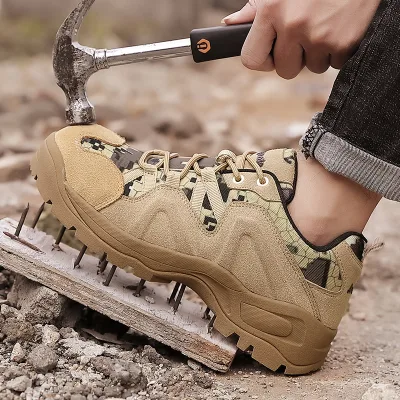


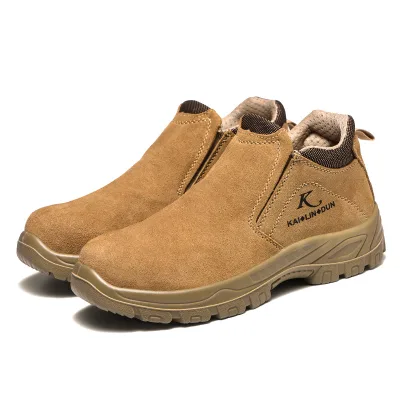
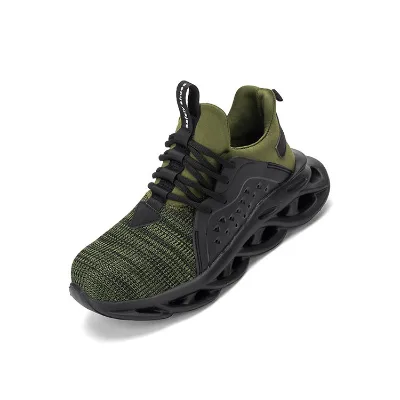
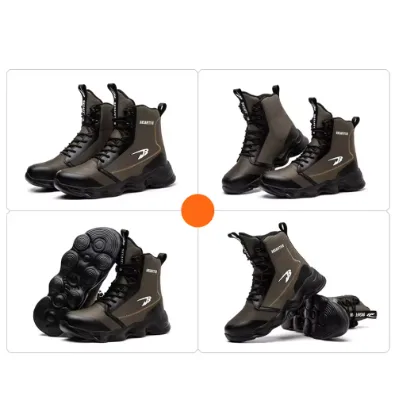
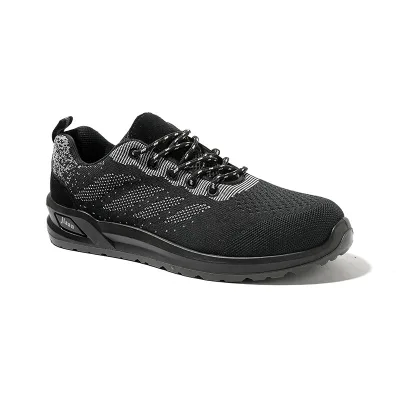
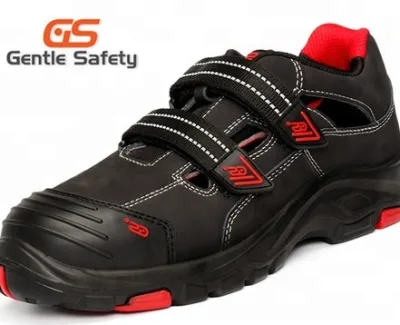

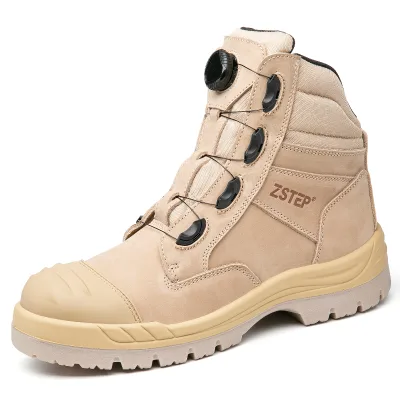
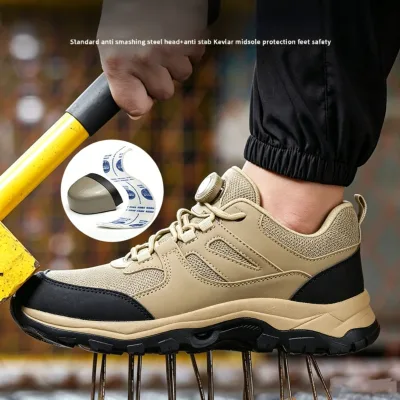
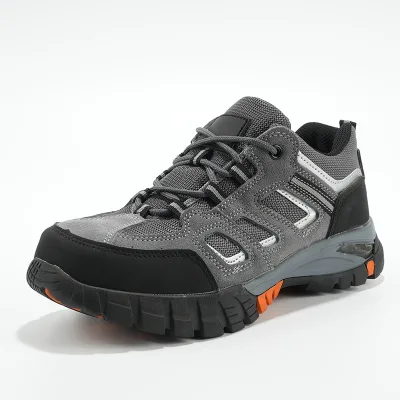
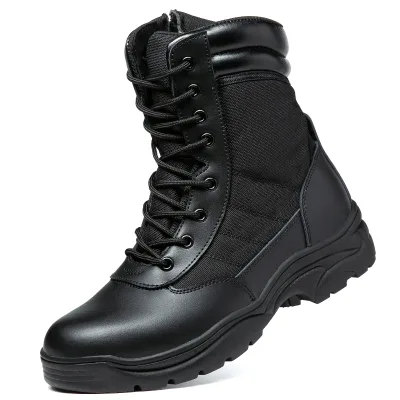
Comprehensive Sourcing Guide
Unisex Safety Shoes Sourcing Guide
Sourcing unisex safety footwear requires a strategic approach that balances universal fit requirements with specific industrial hazards. Buyers must first define the operational environment to select appropriate protective features, such as steel toes or anti-static properties. The market offers diverse options, including genuine leather uppers and mesh linings, which influence breathability and durability. Understanding these material distinctions is critical for ensuring worker comfort and compliance with site-specific safety protocols.
Procurement teams should also evaluate customization capabilities and manufacturing methods to align with brand identity and performance needs. Many suppliers offer OEM services and hand-made or injection-molded options, allowing for tailored solutions. However, verifying the actual construction quality and material composition remains essential. Buyers must confirm whether products are truly waterproof or merely water-resistant, as this distinction significantly impacts suitability for wet or outdoor work environments.
Product Scope and Observed Listing Signals
The current market for Unisex Safety Shoes presents a wide price range, typically observed between $6 and $34.73 USD, reflecting variations in material quality and construction complexity. Minimum order quantities (MOQs) vary significantly, starting from as low as one pair for sampling up to 1000 pairs for bulk production. This flexibility allows buyers to test market response before committing to large-scale orders, though higher volumes often unlock better pricing tiers and dedicated production lines.
Product listings frequently highlight key features such as puncture resistance, slip resistance, and anti-static capabilities, which are essential for many industrial settings. Some models specify dual-density PU outsoles or genuine leather uppers, indicating a focus on durability and comfort. Buyers should carefully review packing specifications, which may range from simple export cartons to individual color boxes, as this affects logistics costs and retail presentation. Understanding these signals helps in estimating total landed costs accurately.
Technical Specifications to Verify
Verifying technical specifications is crucial for ensuring the footwear meets operational demands. Key attributes to confirm include the upper material, such as genuine leather or breathable mesh, and the outsole composition, often polyurethane (PU) or dual-density PU. The presence of a steel toe cap is a common requirement for impact protection, while insoles may be made of steel or EVA for comfort and shock absorption. Buyers must also check if the shoes are hand-made or produced via cementing or injection processes, as this affects longevity and repairability.
Size ranges for unisex models typically span from Euro 35 to 48, accommodating a broad spectrum of foot sizes. However, consistency in sizing across batches is a common challenge. Buyers should request detailed size charts and verify if the manufacturer maintains strict tolerances. Additionally, features like insulation and anti-static properties must be validated through product datasheets. Ensuring that the lining material, such as mesh or BK mesh, provides adequate breathability is vital for worker comfort during extended shifts.
Compliance and Safety Documentation
Compliance with international safety standards is non-negotiable for industrial footwear. Buyers must verify that products meet relevant certifications, such as CE EN ISO 20345:2011, which covers safety requirements for protective footwear. Specific classifications like S1, S1P, S2, or SBP indicate different levels of protection, including energy absorption, slip resistance, and penetration resistance. Documentation should clearly state the standard met, and buyers should cross-reference this with local regulatory requirements in their target markets.
Certificates of Conformity (CoC) and test reports from accredited laboratories are essential for validating claims. Buyers should request these documents before placing large orders to ensure that the products have undergone rigorous testing for impact, compression, and puncture resistance. It is also important to verify if the manufacturer holds valid ISO certifications for their production processes, which can indicate a higher level of quality control and consistency in manufacturing standards.
Cost Drivers and Commercial Terms
Several factors influence the final cost of Unisex Safety Shoes, including material selection, labor intensity, and order volume. Genuine leather uppers and specialized outsoles like dual-density PU generally command higher prices than synthetic alternatives. Hand-made construction adds labor costs but may offer superior durability and fit. Buyers should negotiate based on total volume, as MOQs can range from 500 to 1000 pairs, with larger orders potentially reducing per-unit costs significantly.
Commercial terms such as packaging and shipping logistics also impact the overall budget. Packing configurations, whether in export cartons or individual color boxes, affect palletization efficiency and shipping volume. Buyers should clarify Incoterms and lead times, as production schedules can vary based on customization requirements. Additionally, understanding the supplier’s capacity to handle large orders, such as filling a 20-foot or 40-foot container, is crucial for planning supply chain continuity and avoiding delays.
Supplier Qualification and Quality Control
Qualifying suppliers involves assessing their manufacturing capabilities, quality assurance processes, and track record. Buyers should visit factories or request virtual tours to verify production lines and quality control checkpoints. Suppliers with OEM experience often have more robust systems for handling custom designs and specifications. It is also important to check if the supplier has a history of meeting delivery deadlines and maintaining consistent product quality across different batches.
Quality control measures should include pre-production samples, in-line inspections, and final random inspections (FRI). Buyers should define clear acceptance criteria for defects, such as stitching errors, material inconsistencies, or sizing deviations. Establishing a clear communication channel for addressing quality issues is essential. Additionally, verifying the supplier’s ability to provide replacement goods for defective items can mitigate risks associated with large orders and ensure business continuity.
Long-Term Procurement Checks
Long-term procurement success depends on continuous monitoring of supplier performance and market trends. Buyers should regularly review supplier metrics, including on-time delivery rates, defect rates, and responsiveness to issues. Building a strong relationship with suppliers can lead to better pricing, priority production, and access to new technologies. It is also advisable to diversify the supplier base to reduce dependency on a single source and mitigate supply chain disruptions.
Staying updated on changes in safety standards and regulatory requirements is crucial for maintaining compliance. Buyers should proactively engage with suppliers to discuss potential upgrades or modifications to existing products to meet evolving market demands. Regular feedback loops with end-users can provide valuable insights into product performance and comfort, guiding future procurement decisions. By maintaining a strategic approach, buyers can ensure a reliable supply of high-quality Unisex Safety Shoes that protect workers and support operational efficiency.
FAQs
What certifications do Unisex Safety Shoes meet?
These Unisex Safety Shoes meet the CE EN ISO 20345:2011 standard, ensuring compliance with European safety regulations. Models are available with S1, S1P, SB, or SBP ratings. This certification guarantees essential protection features like steel toe caps and puncture resistance for industrial environments.
Can Unisex Safety Shoes be customized for branding?
Yes, customization is available for Unisex Safety Shoes to meet specific branding needs. Manufacturers offer OEM services, allowing for tailored designs and logos. This flexibility ensures that corporate identity is maintained while providing workers with compliant and comfortable protective footwear for daily use.
What materials are used in unisex safety shoe uppers?
Unisex Safety Shoes typically feature genuine leather uppers for durability and breathability. Some models utilize mesh linings for enhanced ventilation. The combination of leather and mesh ensures comfort during long shifts while maintaining the structural integrity required for industrial safety standards and workplace hazards.
What is the minimum order quantity for Unisex Safety Shoes?
The minimum order quantity varies by supplier, ranging from 1 to 1000 pairs. Some manufacturers require 500 or 1000 pairs for standard orders, while others may accept smaller quantities. Buyers should verify specific MOQ requirements with suppliers to align with their procurement volume needs.
Are Unisex Safety Shoes waterproof or water-resistant?
Product attributes indicate both waterproof and non-waterproof options are available. Some models feature waterproof construction with anti-static and slip-resistant soles. Others are designed with breathable leather uppers that are not waterproof. Buyers should select the specific feature set that matches their environmental exposure requirements.
What packaging options are available for Unisex Safety Shoes?
Packaging typically includes export cartons containing ten pairs per carton. Some suppliers offer color box packaging with one pair per box. Bulk shipping capacity is also noted, with specific pair counts for 20-foot and 40-foot containers, ensuring efficient logistics for large-scale industrial orders.