Source Juice Packaging Plastic Beverage Bottle for water, tea, and cola
Find 30 listings for Juice Packaging Plastic Beverage Bottle options suitable for water, tea, and cola applications. Buyers can compare capacities ranging from 250ml to 1800ml, sealing types, and customization availability from manufacturers in Zhejiang.
Key considerations
Products List


350ml Plastic Pet Juice Bottle - Lightweight and Durable for Beverage Packaging
$0.10 - $0.11
MOQ: 5000 Pieces


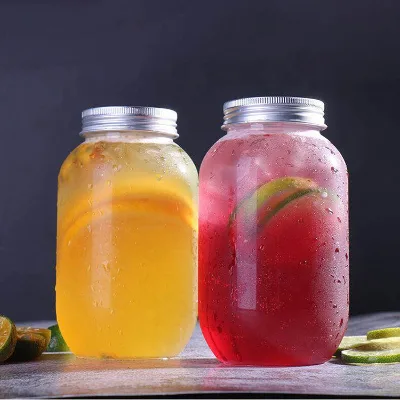


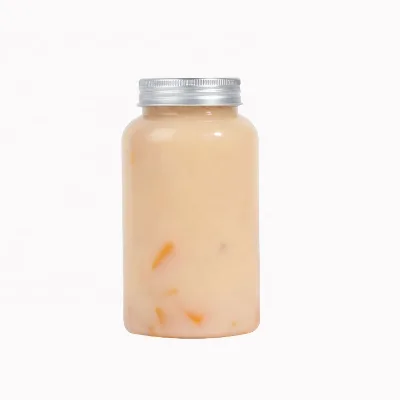


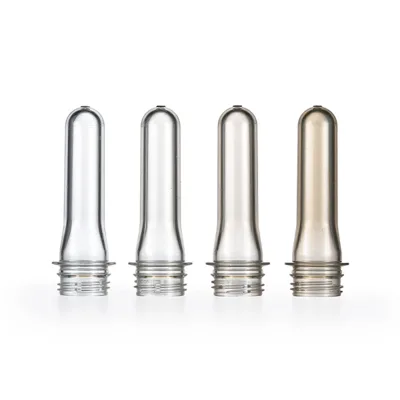
Comprehensive Sourcing Guide
Strategic Sourcing Guide for Juice Packaging Plastic Beverage Bottles
Understanding Material Composition and Physical Attributes
When sourcing plastic beverage bottles specifically for juice applications, the primary technical consideration is the polymer type and its interaction with acidic or sugary contents. Based on available product data, the dominant material specification for this category is Polyethylene Terephthalate (PET). This material is frequently cited as the body material for bottles designed to hold water, juice, and various beverages. PET offers a favorable balance of clarity, strength, and barrier properties, which are essential for maintaining the freshness of fruit-based drinks. The observed product attributes indicate that these bottles are generally classified as disposable, a critical factor for single-use juice packaging where hygiene and convenience are paramount.
The physical form of the bottle varies significantly depending on the intended brand positioning and shelf presence. Market observations reveal a divergence in shape, with products available in both round and square configurations. Round bottles are traditional and often preferred for their ergonomic handling and efficient stacking, while square bottles may be selected for maximizing shelf space or achieving a specific aesthetic identity. The sealing mechanism is another critical technical variable. The data indicates the prevalence of screw caps as the standard sealing type, though some listings reference sealed caps, suggesting variations in tamper-evident features or child-safety mechanisms. Buyers must verify that the selected closure system provides a hermetic seal to prevent leakage and oxidation, which can degrade juice quality.
Dimensional specifications are equally vital for logistics and filling line compatibility. The observed product standards cover a wide spectrum of capacities, ranging from small 250ml units to larger 1000ml containers. Specific model numbers such as BX-M372, BX-0008B, and D30014 correspond to distinct size profiles, with some listings explicitly noting dimensions like 575775mm or D55*H168mm. Additionally, the market offers a broad range of ounce-based sizes, including 8oz, 10oz, 12oz, 16oz, 20oz, and 24oz options. This variety allows buyers to tailor their packaging to different serving sizes, from individual servings to family packs. The capacity range observed spans from 0.7oz up to 24oz, providing flexibility for diverse product lines.
Compliance, Certification, and Safety Standards
In the food and beverage sector, particularly for juice products, regulatory compliance is non-negotiable. The safety of the packaging material in direct contact with consumables is the primary concern. The supplied data highlights FDA certification as a specific attribute for certain products in this category. This indicates that the manufacturer has met the United States Food and Drug Administration's requirements for food-contact materials. However, buyers should not assume that every listed product possesses this certification unless explicitly stated in the specific product listing. Verification of FDA compliance should be a mandatory step in the supplier evaluation process to ensure the plastic does not leach harmful substances into acidic juice.
Beyond specific certifications, the chemical safety of the plastic is a key performance indicator. Product attributes frequently mention "BPA Free" as a feature. Bisphenol A (BPA) is a chemical often associated with polycarbonate plastics, and its exclusion is a significant selling point for health-conscious consumers and juice brands. While the data confirms that BPA-free status is an observed attribute, buyers must request current test reports or certificates of analysis (CoA) to validate this claim for the specific batch being ordered. Relying solely on marketing labels without third-party verification can introduce supply chain risks.
The manufacturing background of the supplier also plays a role in compliance assurance. Some suppliers in this sector boast over 25 years of manufacturing experience, which often correlates with a mature quality management system. While background information mentions ISO 9001 and ISO 22000 as potential standards, these should be treated as background context rather than confirmed facts for any specific vendor unless the supplier provides valid, current certificates. Buyers should explicitly request proof of these certifications if they are required for their specific market entry, such as exporting to regions with strict food safety regulations. The origin of the products, often cited as Zhejiang or China, suggests a concentration of manufacturing capabilities in this region, but the specific factory's compliance record must be independently verified.
Cost Drivers and Minimum Order Quantity Dynamics
The pricing structure for plastic beverage bottles is influenced by several variables, including material costs, order volume, and customization requirements. The observed price range in the market spans from $0 to $34.8 USD, a wide variance that reflects differences in bottle size, complexity, and order quantity. For instance, specific listings indicate a price point of $0.12 USD, likely corresponding to high-volume orders of standard sizes. However, this figure should not be generalized as a baseline for all transactions. The final cost is heavily dependent on the Minimum Order Quantity (MOQ).
MOQs in this sector exhibit extreme variability, ranging from as low as 1 unit to as high as 300,000 units. This disparity allows for different procurement strategies. Small businesses or those testing new product lines may find suppliers with low MOQs, such as 100 or 500 pieces, which facilitate market entry without significant capital commitment. Conversely, large-scale juice producers often negotiate with suppliers who require volumes of 5,000 pieces or more to achieve economies of scale. The data specifically notes a 5,000-piece MOQ for certain models and a 5,000-piece threshold for logo printing. This suggests that customization, such as screen printing or logo application, incurs a higher production threshold compared to ordering plain, unbranded bottles.
Customization is a significant cost driver. The availability of customization options, including logo printing and specific shape modifications, adds complexity to the manufacturing process. Suppliers offering "Customized" or "Customization Available" services will typically have higher unit costs than those providing standard off-the-shelf inventory. Additionally, the packaging details, such as export carton packing or palletization, affect the total landed cost. Buyers must factor in the cost of secondary packaging, which is essential for protecting the bottles during transit. The lead time, observed to range from 2 to 15 days, also impacts cost planning. Shorter lead times may command a premium, while longer lead times allow for more efficient production scheduling but require earlier inventory planning.
Typical Applications and Functional Requirements
The functional requirements of juice packaging extend beyond simple containment. The primary application is for holding juice, beverages, and related drinks such as tea and cola. The data explicitly lists usage scenarios including "Juice," "Beverage," "Water," "Drinking Cup," "Tea Cup," and "Cola Cup." This versatility indicates that the same bottle design can often be adapted for various liquid types, provided the material compatibility is confirmed. The "Leak Proof" feature is a critical attribute for these applications, ensuring that the product remains intact during shipping and handling, which is particularly important for liquid contents that can damage other goods in a shipment.
The design of the bottle must also accommodate the specific nature of the juice. Acidic juices can interact with certain plastics over time, making the choice of PET and the verification of BPA-free status essential. The sealing type, primarily screw caps, must provide a reliable barrier against air and contaminants. Some products are designed with lids, and the option for "with Straw or Without Straw" suggests that the packaging may be intended for ready-to-drink formats or on-the-go consumption. The "Wide Mouth Lid" attribute found in some listings indicates designs that facilitate easy pouring or the addition of ice, catering to specific consumer preferences.
The target demographic for these products is generally adults, as indicated by the "Age: Adult" attribute. This suggests that the bottles are designed for general consumer use rather than specialized pediatric or infant applications. The style is often described as "Simple," which aligns with the trend towards minimalist packaging that emphasizes the product contents over elaborate branding. However, the availability of customization allows brands to deviate from this simplicity to create unique shelf presence. The disposable nature of the bottles supports a single-use culture, which is prevalent in the juice and beverage industry, though buyers should consider the environmental implications and potential regulatory shifts regarding single-use plastics in their target markets.
Supplier Evaluation and Quality Control Protocols
Evaluating a supplier for plastic beverage bottles requires a multi-faceted approach that goes beyond price comparison. The manufacturing experience of the supplier is a strong indicator of reliability. Suppliers with over 25 years of experience are likely to have refined their production processes and quality control measures. However, experience alone is not a guarantee of quality. Buyers should verify the supplier's capacity to meet specific production standards and their ability to handle the required order volumes without compromising on quality.
Quality control should be a central component of the procurement strategy. Buyers must establish clear acceptance criteria for the bottles, focusing on dimensions, sealing integrity, and material safety. The "Screen Print" surface handling mentioned in the data indicates that printing quality is a potential point of failure. Buyers should request samples to verify print clarity, adhesion, and color accuracy before placing a large order. Furthermore, the "Sample: Free for You" attribute suggests that suppliers are willing to provide pre-production samples, which is a crucial step in validating the product before mass production.
Inspection protocols should include checks for physical defects such as cracks, uneven walls, or misaligned caps. The "Leak Proof" claim must be tested under realistic conditions to ensure the bottles can withstand the pressures of transportation. Additionally, buyers should verify the packaging details to ensure that the export carton packing is robust enough to prevent damage during shipping. The consistency of the product standard, such as the specific capacity (e.g., 300ml, 500ml), must be maintained across the entire order. Any deviation from the agreed-upon specifications can lead to production line stoppages or customer complaints.
Long-Term Procurement and Supply Chain Considerations
Sourcing plastic beverage bottles is not a one-time transaction but a long-term relationship that requires strategic planning. The variability in MOQs and lead times necessitates a flexible supply chain strategy. Buyers should consider maintaining relationships with multiple suppliers to mitigate risks associated with production delays or capacity constraints. The observed lead time of 2 to 15 days is relatively short, which allows for responsive inventory management, but buyers must account for potential fluctuations during peak seasons or supply chain disruptions.
Sustainability is an increasingly important factor in long-term procurement. While the current data emphasizes the disposable nature of the bottles, buyers should anticipate future regulatory pressures regarding plastic waste. Evaluating suppliers who are exploring recycled PET (rPET) or other sustainable alternatives can provide a competitive advantage and future-proof the supply chain. The "Customization" attribute also offers an opportunity to differentiate the product through eco-friendly branding or design innovations that reduce material usage.
Finally, the total cost of ownership should be considered, not just the unit price. This includes the cost of logistics, storage, and potential waste from rejected batches. The "Carton or Pallet" packing options offer flexibility in how the goods are shipped, and buyers should optimize this based on their distribution network. By focusing on technical specifications, compliance, and supplier reliability, buyers can build a robust sourcing strategy that ensures a steady supply of high-quality juice packaging bottles while managing costs and risks effectively. The diversity of models, sizes, and features available in the market provides ample opportunity to find a solution that aligns with specific brand and operational needs.
FAQs
What materials are used for juice packaging plastic beverage bottles?
The primary material used is Polyethylene Terephthalate (PET), which offers clarity and strength for acidic contents. Some listings specify PET as the body material, ensuring the bottles are suitable for holding juice and other beverages safely.
Can these bottles be customized with logos or specific shapes?
Yes, customization is available for logos and shapes, including round and square configurations. However, logo printing typically requires a minimum order quantity of 5000 pieces, while standard unbranded orders may have lower thresholds.
Which certifications ensure the safety of these plastic bottles for juice?
FDA certification is a specific attribute observed for certain products, indicating compliance with food-contact safety standards. Buyers should verify this explicitly as not every listed product is guaranteed to have this certification without direct confirmation.
How do minimum order quantities vary for these beverage bottles?
Minimum order quantities range widely from 1 unit up to 300,000 units depending on the supplier and product model. Specific models often require 5000 pieces for standard orders or logo printing, while others may accept smaller trial batches.
What sealing types are available for juice and beverage bottles?
Screw caps are the prevalent sealing type, though some listings reference sealed caps for added tamper evidence. These closures are designed to be leak-proof, ensuring the integrity of the liquid contents during transport and storage.
What is the typical lead time for manufacturing these plastic bottles?
The delivery time typically ranges from 2 to 15 days after order confirmation. This lead time allows for efficient production scheduling, though shorter turnaround times may be available depending on the specific supplier's capacity and current workload.