Source Kitchen Cleaning Scouring Pad for Dishwashing, Sink Care, and Cookware
Explore 30 options for Kitchen Cleaning Scouring Pad products, including sponge and microfiber varieties. Compare materials, sizes, and customization features to find the right solution for your sourcing needs; compare the available evidence and request quotations based on your requirements.
Key considerations
Products List


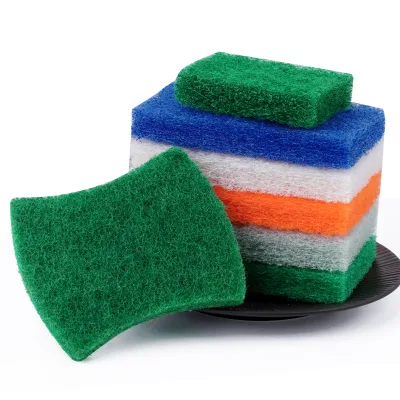


Heavy Duty Green Scouring Pad Scouring Pad Rolls Kitchen Cleaning Scrub
$0.04 - $0.07
MOQ: 50000 Pieces


Replaceable Scouring Pad Long Handle Cleaning Brush
$2.50 - $2.60
MOQ: 1000 Pieces
Jiangsu Miaohong Environmental Protection New Material Co., Ltd.

Comprehensive Sourcing Guide
Kitchen Cleaning Scouring Pad Sourcing Guide
Buyers must first distinguish between sponge-based scouring pads and microfiber kitchen towels, as the supplied data reveals distinct material profiles for these categories. The observed listings include products explicitly labeled as "Sponge" with dimensions like 10x7x3cm, alongside "Microfiber" items described as "Kitchen Towel" with weaving techniques. This distinction is critical because sponge variants typically offer abrasive cleaning power for stuck-on food, while microfiber options focus on liquid absorption and surface polishing without scratching.
Procurement teams should verify the intended usage environment before selecting a supplier, as the data indicates specific applications ranging from general kitchen tasks to indoor use. Some listings specify "Kitchen" usage with customizable shapes, while others note "Indoor" suitability with specific color combinations like black and white or green and yellow. Understanding whether the end-user requires a heavy-duty scrubbing tool or a gentle drying cloth will determine the appropriate material selection and prevent mismatched expectations regarding performance and durability.
Product Scope and Observed Listing Signals
The market for kitchen cleaning tools presents a wide variance in physical dimensions, with observed standard sizes including 10x7x3cm, 6x9x3cm, and larger formats like 100x70x30mm. Buyers should note that some products are defined by specific model numbers such as 8003 or T2007, which often correlate with distinct size standards and packing configurations. The presence of "Different" or "Various Shapes" attributes suggests that suppliers may offer custom molding or cutting services, allowing for unique ergonomic designs that fit specific hand sizes or cleaning tasks.
Packaging and quantity signals provide immediate insight into the supplier's operational scale and target market segment. Listings show diverse packing methods ranging from single-piece cards to bulk bags containing 10 or 3 pieces, with some items shipped in cartons for wholesale distribution. The "10PCS/Bag" and "10PCS/Card" configurations indicate that suppliers are prepared to handle both retail-ready units and bulk industrial orders. Buyers must align their order volume with these packaging standards to avoid unnecessary repacking costs or logistical inefficiencies during the shipping phase.
Technical Specifications to Verify
Material composition is the primary technical variable, with the data confirming the existence of both sponge and microfiber constructions. Buyers must explicitly confirm whether the product is "Waterproof" or absorbent, as the listings indicate some items are "Not Waterproof," which is a critical factor for hygiene and drying time. Additionally, the "Weaving by Machine" attribute for microfiber items suggests a specific manufacturing process that affects the fabric's density and cleaning efficiency, requiring verification of thread count or weave tightness to ensure consistent performance.
Dimensional accuracy and shape consistency are essential for quality control, especially given the "Any" size and "Different" shape attributes found in the listings. While some models adhere to strict standards like 10x15x0.6cm, others allow for custom requirements, necessitating a clear definition of tolerances in the purchase agreement. The presence of specific color codes like "Grey+White" or "Red, Green, Blue" implies that colorfastness and dye consistency are potential quality risks that must be validated through sample testing before full-scale production begins.
Compliance and Safety Documentation
Food contact safety is a non-negotiable requirement for kitchen cleaning tools, yet the supplied data does not explicitly list specific food-grade certifications for the sponge or microfiber materials. Buyers should request documentation proving that the raw materials, particularly the sponge foam and synthetic fibers, are free from harmful chemicals and safe for incidental contact with food preparation surfaces. While FSC and CE certifications are mentioned in background notes, they should not be assumed to apply to these specific cleaning products without direct verification from the supplier.
Hygiene and durability standards must be validated through independent testing reports, as the "Not Waterproof" attribute for some items raises questions about bacterial growth and mold resistance. Procurement teams should demand test results regarding the material's ability to withstand repeated washing cycles without degrading or shedding fibers into the cleaning environment. Ensuring that the product meets relevant national or international safety standards for household cleaning tools is essential to mitigate liability risks and maintain brand reputation in the consumer market.
Cost Drivers and Commercial Terms
The observed price range of 0.02 to 3000 USD reflects a massive disparity in product value, driven by material costs, customization levels, and order volume. Low-cost items likely correspond to basic sponge pads with standard packaging, while higher-priced entries may involve complex microfiber weaving, custom shapes, or specialized branding. Buyers must analyze the unit price relative to the MOQ, which ranges from 1 to 50,000 units, to determine the most cost-effective strategy for their specific inventory needs.
Customization availability is a significant cost driver, as the data confirms that "Customization" and "Customized" options are available for shape, color, and size. Implementing custom molds for unique shapes or specific color blends like "Black+Red" will incur additional tooling fees and potentially higher per-unit costs compared to standard stock items. Suppliers may also charge premiums for specialized packaging requirements, such as individual cards versus bulk polybags, so buyers should clarify all value-added services to avoid unexpected price escalations during the negotiation phase.
Supplier Qualification and Quality Control
Geographic concentration of suppliers in China, specifically Shanghai, suggests a mature supply chain with established logistics networks for exporting kitchen cleaning goods. Buyers should verify the supplier's production capacity and facility location to ensure they can meet demand fluctuations without compromising quality. The presence of multiple model numbers and diverse product attributes indicates that suppliers often operate as general manufacturers capable of handling various product lines, which requires rigorous vetting to ensure they maintain consistent quality control across different SKUs.
Quality control protocols must be strictly enforced, particularly given the "Any" color and "Different" shape attributes that introduce variability into the production process. Buyers should implement a sampling plan that tests for color consistency, dimensional accuracy, and material integrity before approving bulk shipments. Since some products are packed in "Card, Polybag, CTN" combinations, the packaging process itself must be audited to ensure that items are protected from damage during transit and that the final presentation meets retail standards.
Long-Term Procurement Checks
Sustainability and material longevity are critical factors for maintaining a stable supply chain over time, especially as consumer preferences shift toward eco-friendly cleaning solutions. Buyers should regularly audit suppliers to ensure that the sponge and microfiber materials remain consistent in quality and that any changes in raw material sourcing do not negatively impact product performance. Establishing a long-term relationship with a supplier who can consistently deliver on the "Customized" requirements will help mitigate the risks associated with frequent product changes or supply disruptions.
Continuous monitoring of market trends and competitor offerings is necessary to ensure the procurement strategy remains competitive. The wide range of observed attributes, from "S Shapes" to "All Over The World" styles, indicates a dynamic market where consumer tastes evolve rapidly. Buyers should maintain open communication channels with suppliers to stay informed about new material innovations or manufacturing techniques that could offer cost savings or performance improvements, ensuring the product portfolio remains relevant and high-quality in the long term.
FAQs
What materials are used for kitchen cleaning scouring pads?
The available materials include sponge and microfiber for kitchen cleaning scouring pads. These options provide different textures and absorbency levels suitable for various cleaning tasks in the kitchen environment.
Can I customize the size and shape of the scouring pads?
Yes, customization is available for the size and shape of the scouring pads. Buyers can request specific dimensions like 10x7x3cm or 6x9x3cm, and shapes can vary from rectangles to S shapes according to requirements.
What are the standard packing options for these kitchen products?
Standard packing options include 10 pieces per bag, 3 pieces per bag, or 1 piece per card. Bulk orders are typically packed in cartons, ensuring safe transport and organized storage for the kitchen cleaning supplies.
Which colors are available for the kitchen cleaning scouring pads?
Various colors are available including black, red, green, blue, brown, and grey. Some specific models offer colorful combinations like green plus yellow or black plus white to suit different aesthetic preferences for kitchen use.
How is the production technique applied to these kitchen towels?
The production technique involves weaving by machine to ensure durability and consistency. This method creates a sturdy fabric structure suitable for repeated use in kitchen cleaning tasks while maintaining the desired shape and texture.
What is the origin location for these kitchen cleaning products?
The products originate from China, with specific manufacturing locations including Shanghai. This origin ensures access to established supply chains and manufacturing capabilities for producing high-quality kitchen cleaning scouring pads and related items.
Are these kitchen cleaning pads waterproof or absorbent?
The kitchen cleaning pads are not waterproof but are designed for absorbency. They function effectively as kitchen towels or sponges to handle spills and cleaning tasks without repelling water, making them ideal for wet environments.