Source Kitchen Countdown Egg Timer for Home, Restaurant, and Picnic
Source a Kitchen Countdown Egg Timer from 30 verified options. Compare mechanical dial and digital models made from stainless steel or ABS. Evaluate features like eco-friendly design, reusable construction, and clear markings for reliable time management in various settings; compare the available evidence and request quotations based on your requirements.
Key considerations
Products List






Comprehensive Sourcing Guide
Kitchen Countdown Egg Timer Sourcing Guide
Sourcing mechanical and digital kitchen timers requires careful evaluation of material durability, timing accuracy, and user interface clarity. Buyers must distinguish between simple dial-based countdown devices and more complex reversible counters that offer additional functionality like subtraction or addition modes. The market offers a variety of form factors, from traditional egg-shaped designs to compact rectangular units, each serving different aesthetic and functional needs in home kitchens, professional restaurants, and outdoor settings.
Procurement decisions should be guided by observed listing signals such as material composition, packaging type, and minimum order quantities. Stainless steel and ABS plastic with rubberized coatings are common materials, each offering distinct advantages in terms of longevity and grip. Understanding these physical attributes helps buyers align product selection with their target market’s preferences for eco-friendly, reusable, or disposable solutions, ensuring that the final product meets both quality expectations and commercial viability.
Product Scope and Observed Listing Signals
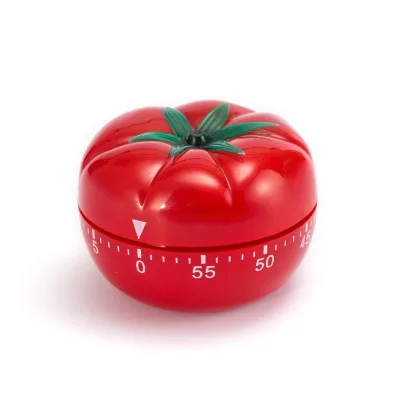
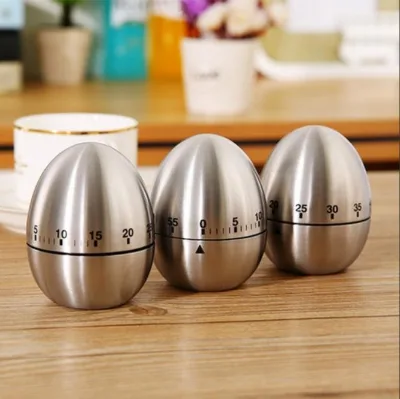
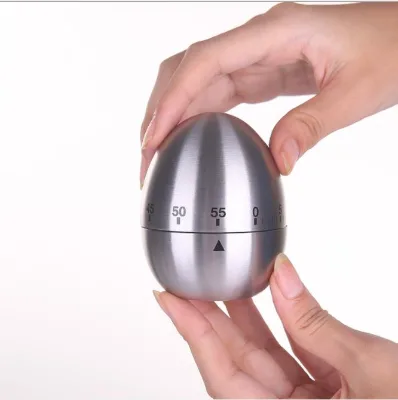
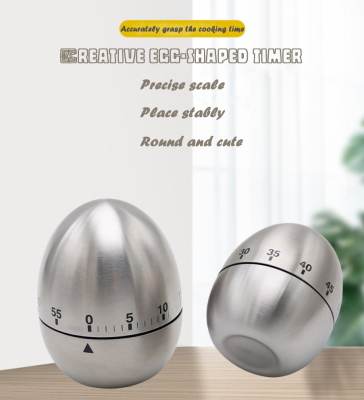
The observed product range includes mechanical kitchen timers with dial mechanisms, often featuring egg-shaped designs that are compact, lightweight, and suitable for non-stick pans, baking trays, and woks. These devices typically operate on a mechanical theory, providing a simple and reliable countdown function without the need for batteries. The presence of clear markings and eco-friendly styling indicates a focus on user experience and sustainability, appealing to buyers who prioritize long-lasting, reusable tools over single-use alternatives.
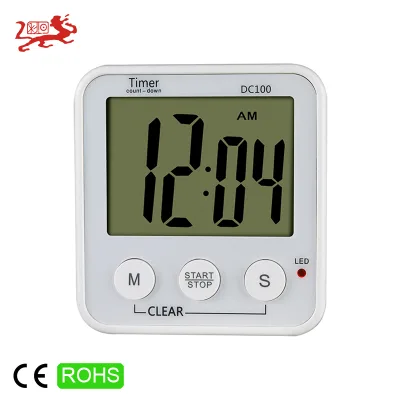
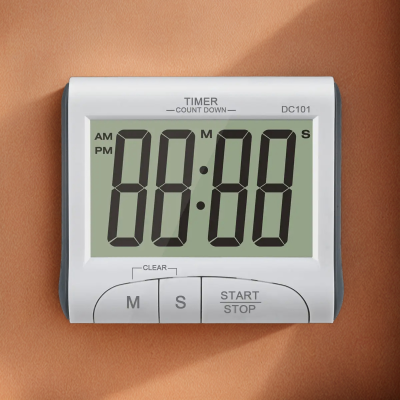
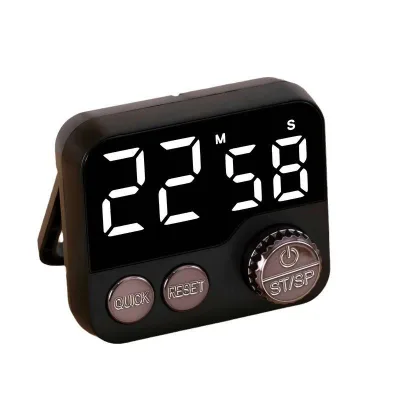
In addition to mechanical options, the scope extends to digital and synchronous counter devices with features like reversible counting and asynchronous modes. These advanced timers may include PLC-type components and module-based architectures, catering to more specialized or industrial kitchen environments. Packaging varies from simple OPP bags to custom retail boxes, allowing buyers to choose between cost-effective bulk shipping and premium presentation. Observing these signals helps in identifying products that match specific operational requirements and branding strategies.
Technical Specifications to Verify
Buyers should verify key technical specifications such as timer range, material composition, and physical dimensions to ensure compatibility with their intended use. For instance, some models offer a 60-minute countdown range, which is standard for most cooking tasks, while others may support more complex counting functions. Material choices like stainless steel or ABS with rubberized coating impact durability and handling, so confirming these details is essential for assessing product longevity and user comfort in high-traffic kitchen environments.
Additionally, it is crucial to check the product model numbers and standard dimensions, such as 142g weight or 668CM packaging size, to facilitate accurate logistics planning and inventory management. The presence of features like synchronous or asynchronous counter modes, along with specific theories of operation, should be validated against the supplier’s technical documentation. Ensuring that these specifications align with your operational needs prevents mismatches and ensures that the procured timers perform reliably under expected usage conditions.
Compliance and Safety Documentation
Compliance with food safety standards is paramount when sourcing kitchen timers, especially those that come into direct contact with food or cooking surfaces. Buyers should request documentation confirming that materials meet relevant regulatory requirements, such as LFGB certification, which is observed in some listings and indicates suitability for food contact. This certification ensures that the product does not leach harmful substances, providing assurance of safety for both consumers and kitchen staff.
Beyond material safety, buyers should verify that the product adheres to general electrical and mechanical safety standards if the timer includes electronic components. While specific certifications like CE or ISO 27001 are mentioned in background data, their applicability should be confirmed with the supplier. Ensuring that all compliance documentation is up-to-date and verifiable helps mitigate legal risks and enhances the product’s marketability, particularly in regions with strict regulatory environments for kitchenware and food-related accessories.
Cost Drivers and Commercial Terms
Cost drivers for kitchen countdown egg timers include material selection, manufacturing complexity, and packaging requirements. Stainless steel models may command higher prices due to material costs and processing, while ABS plastic options offer a more budget-friendly alternative. Packaging choices, such as custom retail boxes versus simple OPP bags, also significantly impact the final unit cost, so buyers should evaluate these factors in the context of their target market’s price sensitivity and branding needs.
Commercial terms, including minimum order quantities (MOQ) and lead times, are critical for planning procurement cycles. Observed MOQs range from 1 to 2000 pieces, with some listings specifying 1000 pieces as a standard threshold. Buyers should negotiate these terms based on their sales volume and storage capacity, ensuring that they can meet demand without overstocking. Understanding these commercial dynamics helps in building a sustainable supply chain that balances cost efficiency with operational flexibility.
Supplier Qualification and Quality Control
Supplier qualification involves assessing their production capabilities, quality control processes, and track record in manufacturing kitchen timers. Buyers should request samples to evaluate build quality, timer accuracy, and user interface clarity before committing to larger orders. Verifying the supplier’s ability to customize products, such as offering private labeling or specific packaging options, is also important for brands seeking to differentiate their offerings in a competitive market.
Quality control measures should include regular inspections of raw materials, in-process checks during manufacturing, and final product testing for functionality and durability. Buyers should inquire about the supplier’s defect rate and return policy to ensure that any issues are promptly addressed. Establishing a clear communication channel for quality feedback helps maintain consistent product standards and fosters a collaborative relationship with the supplier, ultimately leading to higher customer satisfaction and repeat business.
Long-Term Procurement Checks
Long-term procurement success depends on continuous monitoring of supplier performance, market trends, and product feedback. Buyers should regularly review supplier metrics such as on-time delivery rates, quality consistency, and responsiveness to issues. Establishing key performance indicators (KPIs) and conducting periodic audits helps identify potential problems early and ensures that the supplier remains aligned with your quality and service expectations.
Additionally, staying informed about emerging technologies and design trends in kitchen timers allows buyers to adapt their product offerings to changing consumer preferences. Regularly soliciting feedback from end-users can provide valuable insights into product usability and durability, guiding future procurement decisions. By maintaining a proactive approach to supplier management and market analysis, buyers can build a resilient supply chain that supports sustained growth and competitiveness in the kitchenware sector.
FAQs
What materials are used for kitchen countdown egg timers?
Kitchen countdown egg timers are typically constructed from stainless steel or ABS plastic with rubberized coating. Stainless steel models offer durability and an eco-friendly aesthetic, while plastic variants provide lightweight portability. Both materials ensure the timer remains non-disposable and suitable for repeated use in home kitchens, restaurants, or outdoor BBQ settings without compromising structural integrity.
Can these timers be customized for specific branding needs?
Yes, customization is available for kitchen countdown egg timers to meet specific branding requirements. Buyers can select from various packaging options, including color boxes, OPP bags, or custom retail boxes. This flexibility allows businesses to tailor the product appearance and presentation to align with their market positioning, ensuring the final product reflects their unique brand identity effectively.
What is the minimum order quantity for these timers?
The minimum order quantity for these timers is generally 1000 pieces, though some listings indicate a range from 1 to 2000 units depending on the supplier. This MOQ structure supports both small-scale testing and larger bulk procurement. Buyers should verify the specific MOQ with the manufacturer to ensure it aligns with their inventory planning and budget constraints.
Which certifications do these timers typically hold?
These timers typically hold LFGB certification, ensuring they meet strict food safety standards for materials in contact with food. Some listings may also reference CE certification, indicating compliance with European health, safety, and environmental protection standards. These certifications provide assurance that the product is safe for use in kitchens and suitable for commercial food preparation environments.
How long is the countdown time on these timers?
The countdown time on these timers is typically up to 60 minutes, suitable for various cooking tasks. The dial mechanism allows for precise time setting, making them ideal for boiling eggs, baking, or monitoring other time-sensitive kitchen activities. This duration covers most standard cooking requirements while remaining compact and easy to use for both home and professional chefs.
Where are these timers manufactured?
These timers are manufactured in China, with specific production originating from regions like Zhejiang. This location offers established supply chains for stainless steel and plastic components, ensuring consistent quality and competitive pricing. Buyers can expect reliable production capabilities and efficient logistics from these manufacturing hubs, supporting timely delivery for international orders.