Source Kitchen Shower Knob Drawer Pull for Cabinet, Drawer, Wardrobe
Source Kitchen Shower Knob Drawer Pull from 30 verified listings. Compare prices, materials like aluminum and stainless steel, and customization options for cabinet, drawer, and wardrobe applications. Explore modern and antique styles with ergonomic grips and easy installation features available from suppliers in China.
Key considerations
Products List


Furniture Accessories Decorative Dresser Knobs Kitchen Drawer Pull Knobs
$0.48 - $0.80
MOQ: 500 Pieces


Kitchen Cabinet Door Knob Furniture Drawer Pull Hardware Pulls Hidden Handle
$0.80 - $3.00
MOQ: 500 Pieces


Comprehensive Sourcing Guide
Kitchen Shower Knob Drawer Pull Sourcing Guide
Sourcing hardware for cabinetry and bathroom fixtures requires a nuanced understanding of material durability, aesthetic consistency, and functional ergonomics. Buyers must navigate a market where terms like "knob," "pull," and "handle" are often used interchangeably, yet they denote distinct mechanical advantages and installation requirements. The core keyword cluster highlights a convergence of kitchen, shower, and drawer applications, suggesting a need for versatile hardware that can withstand varying environmental conditions, from high-humidity shower areas to high-traffic kitchen drawers.
This guide focuses on evidence-based procurement strategies for these specific hardware categories. By analyzing observed listing signals, technical specifications, and commercial terms, buyers can mitigate risks associated with inconsistent quality or non-compliant materials. The following sections provide a structured approach to evaluating suppliers, verifying product attributes, and establishing long-term supply chain reliability for furniture handles and knobs.
Product Scope and Observed Listing Signals
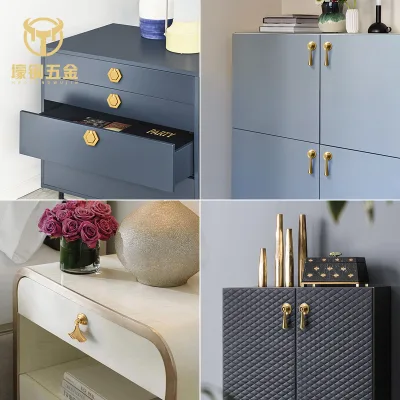
The observed product landscape reveals a diverse range of furniture handles and knobs, primarily categorized by material and style. Key materials identified include aluminum alloy, stainless steel, and brass, each offering distinct advantages in terms of weight, corrosion resistance, and aesthetic finish. For instance, aluminum alloy handles are noted for their modern aesthetics and lightweight properties, while stainless steel options provide robust durability for high-use areas. The presence of tubular and square designs indicates a market demand for both ergonomic grip and sleek, minimalist looks.
Listing signals also highlight specific model numbers such as YXD-CB10, YXD-CB05, and JM-313B, which serve as unique identifiers for verification. Customization is frequently available, allowing buyers to tailor hole distances, finishes, and packaging to their specific project needs. The observed price range of $0.05 to $8.20 USD reflects significant variation based on material quality and design complexity, while minimum order quantities (MOQs) typically range from 100 to 5000 units, influencing initial procurement costs and inventory management strategies.
Technical Specifications to Verify
Verifying technical specifications is critical to ensuring hardware compatibility and performance. Buyers should confirm the hole distance, with 96mm being a common standard observed in listings, to ensure seamless integration with existing cabinet or drawer fronts. The installation type, whether embedded or surface-mounted, must align with the furniture design, particularly for shower doors or heavy-duty kitchen drawers. Additionally, the shape of the handle, such as tubular or square, impacts both the visual appeal and the ergonomic ease of use, requiring careful selection based on user preference and functional requirements.
Material composition and finish are equally important technical factors. Listings indicate options for various finishes, including those that resist corrosion and maintain appearance over time. For brass and stainless steel components, buyers should verify the thickness and density to prevent bending or breakage under frequent use. The inclusion of accessories, such as screws, simplifies installation but requires verification of screw material and length to ensure secure attachment without damaging the furniture substrate.
Compliance and Safety Documentation
Compliance with international standards is essential for hardware used in residential and commercial settings. Certifications such as ISO are frequently mentioned, indicating adherence to quality management systems that ensure consistent product quality. Buyers should request documentation to verify that suppliers maintain these certifications, as they provide a baseline for manufacturing reliability. Additionally, specific product standards, such as those for aluminum furniture handles, should be confirmed to ensure the hardware meets regional safety and performance regulations.
Safety considerations extend to the physical design of the hardware. Handles should be free of sharp edges and designed to prevent pinching or injury, particularly in households with children. For shower applications, materials must be resistant to water damage and mold growth, ensuring long-term hygiene and durability. Buyers should also verify that any coatings or finishes used are non-toxic and comply with environmental regulations, especially for products intended for indoor use where air quality is a concern.
Cost Drivers and Commercial Terms
Several factors influence the cost of furniture handles and knobs, including material type, customization level, and packaging requirements. Aluminum alloy and stainless steel handles generally command higher prices due to their durability and aesthetic appeal, while brass options may vary based on the finish and thickness. Customization, such as specific hole distances or unique designs, can increase production costs and lead times, affecting the overall price per unit. Buyers should also consider the cost of packaging, which can range from conventional methods to more protective carton or box packaging, especially for export.
Minimum order quantities (MOQs) play a significant role in commercial terms, with ranges typically between 100 and 5000 units. Higher MOQs often result in lower per-unit costs but require greater inventory investment and storage capacity. Buyers should negotiate flexible terms that allow for smaller initial orders to test quality before committing to larger volumes. Additionally, payment terms and shipping costs should be clearly defined to avoid unexpected expenses, particularly when sourcing from international suppliers in regions like Guangdong, China.
Supplier Qualification and Quality Control
Qualifying suppliers involves assessing their manufacturing capabilities, quality control processes, and track record. Buyers should verify that suppliers have established quality assurance protocols, including inspections for material defects, finish consistency, and dimensional accuracy. Suppliers with ISO certifications are often more reliable, as they adhere to standardized processes that minimize variability in production. It is also important to check for any past issues with product recalls or customer complaints, which can indicate underlying quality problems.
Quality control should extend to the packaging and shipping process to prevent damage during transit. Buyers should request samples to evaluate the physical quality of the handles, including the smoothness of the finish, the strength of the attachment points, and the ease of installation. Establishing clear quality benchmarks and conducting regular audits can help maintain consistency in supply. Additionally, suppliers should be willing to provide detailed product specifications and documentation to support quality verification efforts.
Long-Term Procurement Checks
Long-term procurement success depends on continuous monitoring of supplier performance and market trends. Buyers should establish key performance indicators (KPIs) to track metrics such as on-time delivery, defect rates, and responsiveness to issues. Regular communication with suppliers can help address potential problems early and foster a collaborative relationship. Additionally, staying informed about industry trends, such as new materials or design innovations, can help buyers remain competitive and meet evolving customer demands.
Sustainability and ethical sourcing are increasingly important considerations in long-term procurement. Buyers should evaluate suppliers' environmental practices, including their use of recyclable materials and energy-efficient manufacturing processes. Ensuring that suppliers comply with labor standards and ethical practices can also mitigate reputational risks. By prioritizing these factors, buyers can build a resilient and responsible supply chain that supports both business growth and social responsibility goals.
FAQs
What materials are these kitchen shower knob drawer pulls made from?
Listed pulls are made from aluminium alloy, stainless steel, or brass, depending on the model. Aluminium alloy suits lightweight cabinet and drawer applications, stainless steel offers corrosion resistance for kitchen and shower environments, and brass supports decorative finishes. Confirm the material per model such as YXD-CB05 or JM-313B before ordering, since material availability can vary by listing.
Can the drawer pulls be customized for different finishes or hole distances?
Yes, customization is available on listed models. Finish options include any finish on brass models, and hole distance specifications such as 96mm are stated for certain handles. Customized standards are supported under the listed customization option. Provide your required finish, hole spacing, and application when requesting quotes so suppliers can confirm feasibility and any additional tooling or sample costs.
What applications do these furniture handles and knobs suit?
They suit cabinet, drawer, dresser, wardrobe, and door applications, with some models designed for embedded installation without a lock. Tubular stainless steel shapes work well for doors, while square or modern-style designs fit cabinets and drawers. Check each model's stated usage attribute, since a handle designed for a drawer may not suit a shower or door environment without verification.
How are the drawer pulls installed and packed for shipping?
Installation is designed to be easy and hassle-free, and certain models include two screws as accessories. Packing is conventional or carton-based, with options for white box or color box plus carton packing, and one model ships at 250 pieces per carton. Confirm packing format and screw inclusion with the supplier at quotation, since packing details can differ between models and export orders.
What is the typical MOQ and price range for these handles?
Listed minimum order quantities range from 100 to 5,000 pieces, and listed prices range from about 0.05 to 8.2 US dollars per piece. Actual terms depend on material, size, finish, and customization level. Brass and stainless steel models generally sit higher in the range than basic aluminium alloy knobs, so request itemized quotes for the specific model you need.
Do these products carry any certification and where are they made?
Listed products reference ISO certification, and models originate from China, including Guangdong and Jiangmen in Guangdong province. Certification references appear on individual listings, so verify the current certificate scope with each supplier before contracting. Products are marked new condition and follow standards such as aluminum furniture handle specifications or customized standards agreed during ordering.