Source Kitchen Spoon and Shovel Set for Home, Restaurant, Catering
Compare 30 Kitchen Spoon and Shovel Set options from verified suppliers. Explore variations in material, certification, and customization to find the right utensils for home, restaurant, or catering needs; compare the available evidence and request quotations based on your requirements.
Updated
Key considerations
Products List
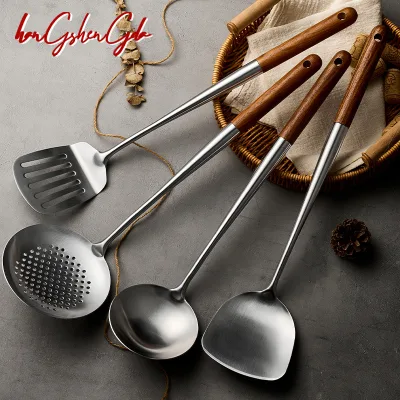



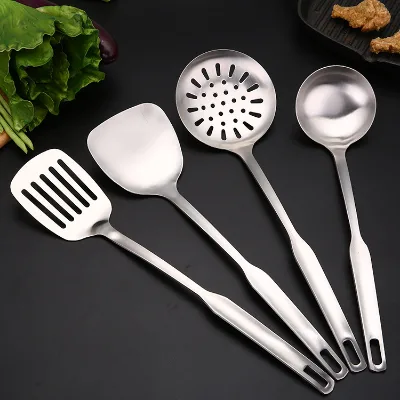
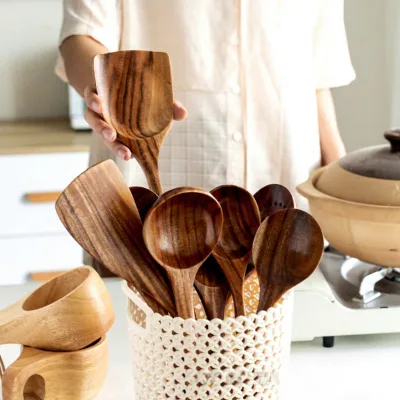
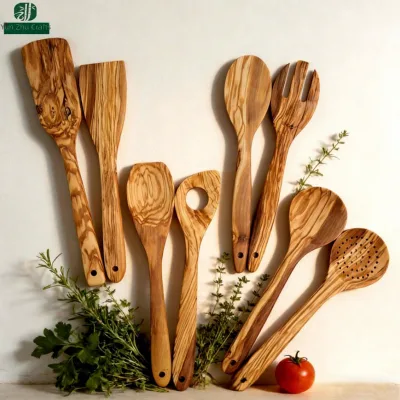



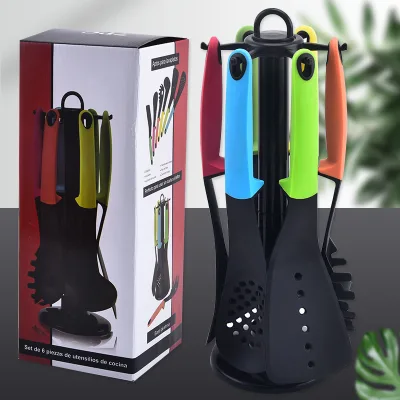
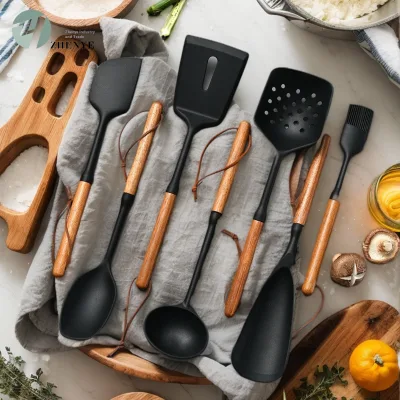
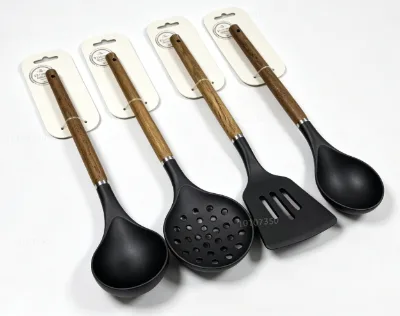
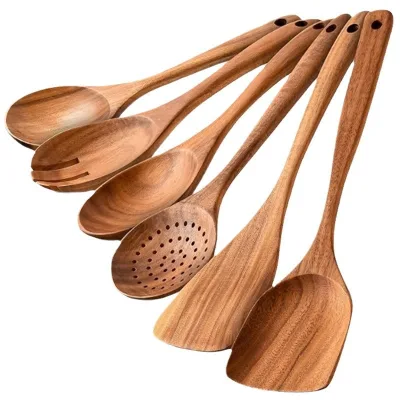

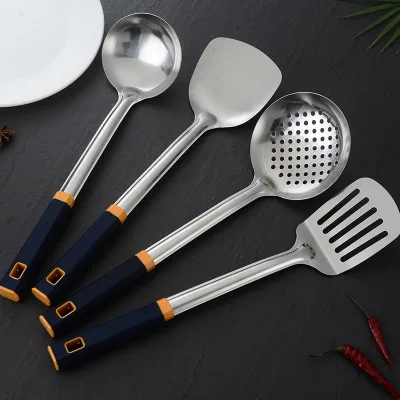
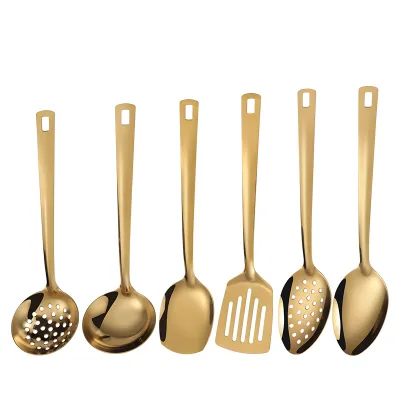

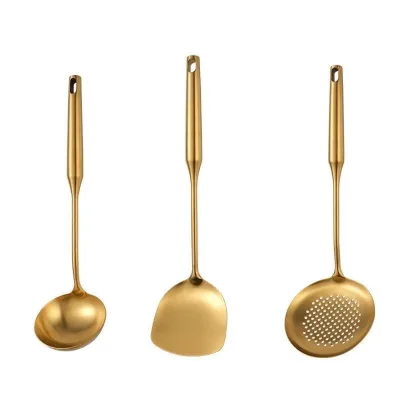

Comprehensive Sourcing Guide
Kitchen Spoon and Shovel Set Sourcing Guide
Buyers evaluating kitchen spoon and shovel sets must first distinguish between single-item listings and complete cooking sets, as the market offers both configurations. The observed data indicates products ranging from single spoons to multi-piece sets, with specific model numbers like GG083 and XY-238 representing distinct inventory types. Procurement teams should verify whether the listing describes a single utensil or a standardized set, such as the 7-piece or 5-piece configurations noted in the supply data, to ensure the order matches operational needs.
Material composition is a critical differentiator that directly impacts durability and food safety compliance. The available inventory highlights 316 stainless steel as a premium option, alongside 304 and 201 grades, which require careful selection based on the intended culinary environment. Sourcing agents must confirm the specific steel grade for each component, as the presence of wood hand grips and non-stick coatings introduces additional variables regarding heat resistance and long-term wear that differ significantly from all-metal alternatives.
Product Scope and Observed Listing Signals
The product scope for these kitchen utensils spans various functional categories, including spatulas, frying spoons, and colanders, often marketed under broad terms like "kitchen set" or "cooking sets." Buyers should note that specific listings may feature mixed materials, such as stainless steel heads paired with wooden handles, which necessitates a clear definition of the "Type" attribute to avoid receiving mismatched components. The observed color variations, ranging from silver to customized finishes, suggest that visual consistency across a large order requires explicit confirmation of the specific SKU or model number.
Listing signals regarding care instructions and safety features provide immediate insight into the product's intended usage environment. The data confirms that while some items are dishwasher safe, others require handwashing, and a specific subset is explicitly marked as not microwave safe. Procurement professionals must align these care requirements with their facility's cleaning protocols, ensuring that the selected utensils do not compromise food safety standards or operational efficiency due to incompatible maintenance procedures.
Technical Specifications to Verify
Technical verification begins with the physical dimensions and packaging metrics, which influence logistics planning and storage capacity. The observed single package sizes, such as 50x15x10 cm, and gross weights around 0.25 kg per item, provide a baseline for calculating shipping volumes and pallet configurations. Buyers must request the exact dimensions for the specific model number they intend to purchase, as variations in set sizes, such as the 37x11.5x8 cm standard, can significantly alter the total volume of a shipment.
Material specifications and structural features require rigorous validation to ensure the utensils meet performance expectations. The presence of long handles and specific hand grip materials like wood indicates a focus on ergonomics and heat protection, yet the non-stick style attribute requires confirmation that the coating is applied correctly to the stainless steel surface. Sourcing teams should verify the model numbers, such as Kw7 or CB-KT0067, against the physical samples to confirm that the advertised features, including the sustainable nature of the product, are accurately represented in the final goods.
Compliance and Safety Documentation
Compliance documentation is essential for verifying that kitchen utensils meet international food safety standards, particularly for markets in the European Union and North America. The supply data lists certifications such as LFGB, CE/EU, and FDA, which are critical indicators of material safety and chemical migration limits. Buyers must request valid test reports for these specific certifications for the exact model being ordered, as the presence of a certification on a general listing does not guarantee that every batch or specific SKU has undergone the required testing.
Safety attributes regarding temperature resistance and chemical stability must be explicitly confirmed through supplier documentation. The observation that certain items are not microwave safe and require handwashing highlights the need for clear labeling and user instructions to prevent misuse. Procurement teams should ensure that the supplier provides evidence of the product's environmental protection status, such as its reusable nature, and that the materials used, including the wood and steel components, do not leach harmful substances under normal cooking conditions.
Cost Drivers and Commercial Terms
Cost drivers for kitchen spoon and shovel sets are heavily influenced by material grade, customization options, and packaging requirements. The use of 316 stainless steel and the inclusion of wooden handles typically command a higher price point compared to standard 201 steel or all-plastic alternatives. Additionally, the availability of customization for logos and colors adds a layer of complexity to the pricing structure, requiring buyers to understand the minimum order quantities and setup fees associated with these bespoke features.
Commercial terms regarding minimum order quantities and lead times vary significantly across different product models and supplier capabilities. The observed MOQ range spans from 2 to 1000 units, with specific listings indicating a 100-set minimum for certain flatware sets. Buyers must negotiate clear terms for sample times, which are noted as 7 days in some contexts, and establish realistic lead times for production, ensuring that the supply chain can accommodate the specific packaging requirements, such as bubble bags or color boxes, without incurring unexpected delays.
Supplier Qualification and Quality Control
Supplier qualification should focus on verifying the origin of goods and the consistency of manufacturing processes across different production batches. The data indicates origins in Fujian and Guangdong, regions known for metalware production, but buyers must confirm the specific factory location for their order to ensure traceability. Establishing a direct relationship with the manufacturer allows for better oversight of the production line, particularly when dealing with complex assemblies like stainless steel heads bonded to wooden handles.
Quality control protocols must address the specific attributes of the utensils, including the integrity of the non-stick coating and the durability of the wooden grips. Buyers should implement a pre-shipment inspection plan that verifies the physical dimensions, weight, and finish of the products against the agreed-upon specifications. It is crucial to test the utensils for the advertised features, such as being dishwasher safe or freezer safe, to ensure that the final product performs as expected in real-world kitchen environments.
Long-Term Procurement Checks
Long-term procurement success depends on maintaining consistent quality and supply reliability over multiple order cycles. Buyers should establish a system for tracking the performance of specific model numbers, such as GG083 or QY-XY241, to identify any recurring issues with material degradation or coating failure. Regular audits of the supplier's production capacity and quality control records will help mitigate the risk of receiving substandard goods that could damage the buyer's brand reputation.
Sustainability and environmental impact are becoming increasingly important factors in long-term supplier relationships. The observation that these products are reusable and environmentally friendly suggests a market trend toward durable, non-disposable kitchenware. Procurement teams should verify that the supplier continues to adhere to these environmental standards and that the packaging materials, such as OPP bags or paper boxes, align with the buyer's corporate sustainability goals and regulatory requirements for waste reduction.
FAQs
How many pieces are included in the Kitchen Spoon and Shovel Set?
The set is offered in 5-piece and 7-piece configurations, with the 7pcs/set listed under the XY-238 model and the 5pcs/set under the QY-XY241 model. Piece counts vary by model, so buyers should confirm the exact contents before ordering. Both configurations cover the main cooking utensils needed for home kitchen use and are sold as reusable, non-disposable cooking sets.
What material is used for the set's utensils and handles?
The utensils are made of stainless steel, with specification options listed as 316, 304, and 201 grades, and one listed model uses 316 stainless steel. The hand grip material is wood, providing a long handle feature. This combination suits everyday cooking, and buyers should confirm which steel grade applies to the specific model they intend to order.
Which certifications apply to the Kitchen Spoon and Shovel Set?
Listed certifications include LFGB and CE/EU for one product, and FDA plus LFGB for another. This means food-contact compliance can be supported, but the applicable certification depends on the specific model chosen. Buyers should request the relevant certificate copies for the exact model and confirm that certification matches their destination market's import requirements before placing an order.
Can the set be customized with my own logo and packaging?
Yes, customization is supported. Listed options include OEM logos, customized colors, and support for custom logos, with packaging available in OPP bags, color boxes, or bubble bags with paper boxes. Sample time is listed at 7 days, and one listing shows an MOQ of 100 sets. Confirm logo artwork, packaging format, and minimum order requirements with the supplier before production.
How should the utensils be cleaned and cared for?
Care instructions differ by listing: one product notes the set is dishwasher safe and freezer safe but not microwave safe, while another lists handwash as the care instruction. Because requirements vary by model, check the care instructions for your chosen set. Handwashing is generally safer for wood handles, and avoiding microwave use applies to the stainless steel items.
What are the sizes and packing details available for the set?
Sizes are listed as S/M/L for one flatware-style set, and one kitchen set is packed to dimensions of 37x11.5x8 cm, while a single-item spoon and spatula package measures 50x15x10 cm with a gross weight of 0.25 kg. Packing options include OPP bags and color boxes. Confirm the size breakdown and per-set packing format when requesting a quotation.
Which origins are listed for these kitchen utensil sets?
Listed places of origin include Fujian and Guangdong, both in China. Origin matters for logistics planning, factory visits, and consolidation with other goods from the same region. When comparing offers, ask each supplier to confirm the actual production location, since different listings show different provinces, and factor shipping routes from the relevant origin into your sourcing timeline.
Can I get a sample before placing a bulk order?
Yes, sampling is supported, with one listing stating a sample time of 7 days. Samples let you verify the steel grade, wood handle quality, finish, and packaging before committing to volume. Confirm whether sample fees and shipping costs are charged separately, and request the sample in your chosen model, color, and packaging format so it reflects the final production run.