Source Kitchen Sink Strainer for Kitchen, Bathroom, and RV
Find 30 Kitchen Sink Strainer options from Chinese manufacturers. Compare stainless steel models with push-down or lift mechanisms, available in SUS304 and SUS201 grades. These odor-proof accessories suit basins in homes, hotels, and outdoor RVs; compare the available evidence and request quotations based on your requirements.
Key considerations
Products List


Top Grade Kitchen 160 mm Sink Drainage Strainer Stainless Steel Sink Drainer
$11.00 - $13.00
MOQ: 20 Pieces


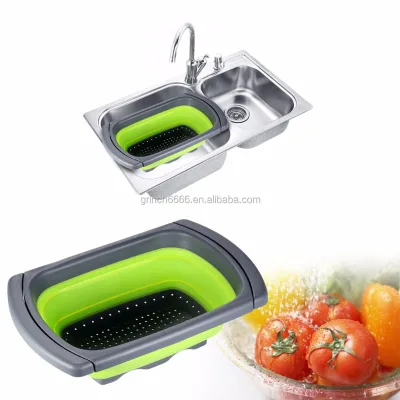


Brushed Stainless Steel Kitchen Sink Filter Drain Sink Bracket Strainer
$2.69 - $2.83
MOQ: 1000 Pieces


304 Stainless Steel Kitchen Sink Drain Stopper/Sink Strainer with Basket
$2.95 - $3.95
MOQ: 500 Pieces


Stainless Steel Round Kitchen Sink Waste Drain with Strainer and Stopper
$2.89 - $3.99
MOQ: 1000 Pieces


Drain Kitchen Sink Strainer Waste for Kitchen Sink Kit Parts Kitchen Sink Waste
$8.00 - $9.50
MOQ: 500 Pieces

Kitchen Sink Strainer with Drain Hose Drainage Waste Pipe for Double Sink
$2.20 - $2.48
MOQ: 200 Pieces

Universal Sink Stopper Stainless Steel Waste Plug Basin Strainer Kitchen Drain
$1.80 - $3.00
MOQ: 200 Pieces


Comprehensive Sourcing Guide
Kitchen Sink Strainer Sourcing Guide
Sourcing kitchen sink strainers requires a clear understanding of the diverse mechanical designs and material grades available in the global market. Buyers must distinguish between push-down pop-up mechanisms and simple lift-style strainers, as these determine the installation complexity and user experience. The observed product range indicates a strong preference for stainless steel construction, with specific grades like SUS304 and SUS316 offering superior corrosion resistance compared to lower-grade alternatives. This material choice is critical for longevity in high-moisture environments, ensuring the strainer maintains its structural integrity and aesthetic appeal over time.
Procurement decisions are further influenced by the intended application, whether for residential basins, commercial kitchens, or outdoor RV setups. The flexibility in customization and OEM/ODM services allows buyers to tailor products to specific brand identities or functional requirements. However, this customization often intersects with minimum order quantity (MOQ) constraints, which can range from small trial batches to substantial volumes of two hundred pieces or more. Understanding these commercial thresholds is essential for aligning procurement strategies with inventory management goals and budgetary constraints.
Product Scope and Observed Listing Signals
The current market landscape for kitchen sink strainers reveals a wide spectrum of product attributes, from basic domestic wastewater filters to specialized units designed for rainwater or heavy-duty kitchen use. Listings frequently highlight features such as odor-proof designs and polished surface treatments, which enhance both hygiene and visual appeal. The presence of collapsible designs and modern styling options suggests a growing demand for space-saving and aesthetically pleasing accessories that integrate seamlessly into contemporary kitchen and bathroom environments. These signals indicate that buyers should prioritize functional versatility alongside design coherence.
Observed listing data also points to significant variability in packaging and shipping logistics, with options ranging from standard carton boxes to more protective inner-box configurations. This variability impacts handling costs and product safety during transit, particularly for fragile or polished components. Furthermore, the global export nature of these products, supported by various shipping methods like DHL and FedEx, underscores the importance of verifying packaging standards to prevent damage. Buyers must assess whether the provided packaging meets their specific logistical requirements and destination market regulations.
Technical Specifications to Verify
Verifying technical specifications is paramount to ensuring the strainer fits the sink basin and operates correctly. Key attributes to confirm include the strainer kind, such as push-down pop-up or lift mechanisms, and the precise dimensions that match the sink drain opening. The material composition, whether SUS201, SUS304, or SUS316 stainless steel, directly affects durability and resistance to rust and staining. Buyers should request detailed dimensional drawings and material certificates to validate these specifications, as discrepancies can lead to installation failures or premature product degradation in wet environments.
Additional technical considerations involve the surface treatment and design style, which influence both the tactile experience and visual integration with existing fixtures. Polished finishes are common, but buyers should verify the consistency of the treatment to avoid uneven appearances or premature wear. The inclusion of accessories, such as paper holders in some listings, suggests a broader category of bathroom and kitchen accessories that may require coordinated sourcing. Ensuring that all technical details align with the intended application, whether for a hotel, apartment, or outdoor RV, is crucial for customer satisfaction and product performance.
Compliance and Safety Documentation
Compliance with international standards is a critical component of the procurement process, particularly for products that come into contact with drinking water or food preparation areas. Certifications such as SGS and ISO9001 indicate adherence to quality management systems and product safety standards, providing buyers with confidence in the manufacturer’s capabilities. Additionally, certifications like Lfgb may be relevant for products intended for food-related applications, ensuring that materials do not leach harmful substances. Buyers should request valid certification documents and verify their authenticity with the issuing bodies to mitigate compliance risks.
Beyond product-specific certifications, buyers must also consider the broader regulatory environment of their target markets. This includes understanding any local standards for plumbing fixtures or kitchen accessories that may impose additional requirements. The presence of trade marks and brand names in listings highlights the importance of intellectual property rights and brand protection. Ensuring that the supplier respects these rights and provides necessary documentation can prevent legal issues and protect the buyer’s brand reputation in the global marketplace.
Cost Drivers and Commercial Terms
Cost drivers for kitchen sink strainers include material grade, manufacturing complexity, and customization requirements. Higher-grade stainless steels like SUS316 command premium prices due to their enhanced corrosion resistance, while complex mechanisms such as push-down pop-up systems may incur higher manufacturing costs. Customization options, including OEM branding and specific packaging, can also influence the final unit price. Buyers should analyze these factors to understand the cost structure and negotiate effectively, ensuring that they receive value for money without compromising on quality or essential features.
Commercial terms such as FOB, CIF, and EXW define the responsibilities and costs associated with shipping and logistics. These terms impact the total landed cost and should be carefully evaluated based on the buyer’s logistical capabilities and risk tolerance. Minimum order quantities (MOQs) vary significantly, with some suppliers accepting small quantities for trial orders while others require larger volumes. Understanding these terms and constraints allows buyers to plan their procurement cycles efficiently, balancing inventory costs with supply chain flexibility and ensuring a smooth transaction process.
Supplier Qualification and Quality Control
Supplier qualification involves assessing the manufacturer’s production capabilities, quality control processes, and track record. Buyers should verify the supplier’s location, such as Shenzhen or Zhejiang in China, and evaluate their supply ability, which may be indicated by monthly production capacities. A robust quality control system, often supported by ISO9001 certification, ensures consistent product quality and reduces the risk of defects. Buyers should request samples to evaluate the product’s build quality, finish, and functionality before committing to larger orders, ensuring that the supplier meets their standards.
Quality control extends to the inspection of packaging and labeling, which must comply with the buyer’s requirements and destination market regulations. Suppliers offering standard packaging solutions should be evaluated for their ability to protect products during transit and maintain brand integrity. Additionally, buyers should assess the supplier’s responsiveness and communication skills, as these factors influence the efficiency of the procurement process. Establishing a clear quality assurance protocol, including pre-shipment inspections and defect resolution procedures, is essential for maintaining high standards and customer satisfaction.
Long-Term Procurement Checks
Long-term procurement success depends on establishing a sustainable relationship with suppliers who can consistently meet quality and delivery expectations. Buyers should conduct regular performance reviews, assessing factors such as on-time delivery, product quality, and responsiveness to issues. This ongoing evaluation helps identify potential risks and opportunities for improvement, allowing buyers to adjust their sourcing strategies as needed. Building a diversified supplier base can also mitigate risks associated with single-source dependencies, ensuring continuity of supply even in the face of market fluctuations or disruptions.
Continuous monitoring of market trends and technological advancements is crucial for staying competitive in the Kitchen Sink Strainer market. Buyers should stay informed about new materials, designs, and compliance requirements that may impact their procurement decisions. Engaging with suppliers to explore innovation and customization opportunities can lead to product enhancements and cost savings. By maintaining a proactive approach to supplier management and market analysis, buyers can ensure that their procurement strategies remain aligned with business goals and customer expectations, fostering long-term growth and success.
FAQs
What materials are used for kitchen sink strainers?
Kitchen sink strainers are primarily made from stainless steel, specifically SUS201, SUS304, and SUS316 grades. These materials ensure durability and resistance to corrosion in both kitchen and bathroom environments. The surface is often polished to maintain a sleek silver appearance suitable for modern designs.
Can I customize the sink strainer design?
Yes, customization is available for these kitchen sink strainers to meet specific buyer requirements. OEM and ODM services are welcome, allowing for tailored designs and branding. Buyers can request specific models like A4 or V160 while maintaining the core functionality of an odor-proof strainer.
Which certifications do the products hold?
The products hold recognized certifications including SGS, ISO9001, and LFGB standards. These ensure the strainers meet international safety and quality requirements for food contact and general usage. The manufacturing process in Shenzhen follows strict quality control protocols to maintain these high standards consistently.
How is the product packed for shipping?
Products are packed in standard package cartons or brown carton boxes with inner boxes for protection. This packaging ensures the strainers arrive safely during international transit via DHL, FedEx, or UPS. The packing dimensions are designed to optimize space while preventing damage to the polished stainless steel finish.
What is the minimum order quantity for buyers?
The minimum order quantity varies, with some options accepting small quantities while others require 200 pieces. Buyers should check specific model requirements as the supply ability reaches 20,000 units per month. This flexibility allows both small retailers and large distributors to source effectively from the Guangdong region.
Where are these strainers manufactured?
These kitchen sink strainers are manufactured in Shenzhen and Guangdong, China, with some origins noted in Zhejiang. The production facilities are equipped to handle global export demands efficiently. Buyers can expect reliable lead times and consistent quality from these established manufacturing hubs in the region.