Source Kitchen Play Set for daycare, home, and retail
Source a Kitchen Play Set from 30 verified listings. Compare materials like plastic and wood, age ranges from toddlers to older children, and customization options including OEM packaging. Evaluate specifications such as size, weight, and safety standards to find the right fit for your needs.
Key considerations
Products List


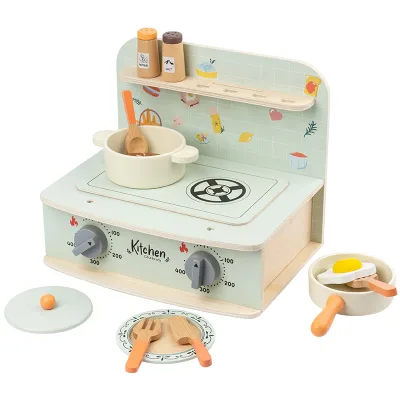
Wooden Cream Style Kitchen Toy Simulation Kitchen Cooking Play Home Cooking Set
$18.17 - $19.43
MOQ: 2 pieces




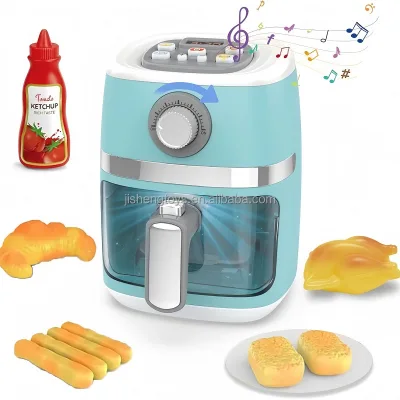
$3.08 - $4.68
MOQ: 120 Pieces




Comprehensive Sourcing Guide
Kitchen Play Set Sourcing Guide
Sourcing kitchen play sets requires a careful balance between aesthetic appeal, material safety, and functional durability. These toys are designed to simulate real-world cooking environments, allowing children to engage in role-play activities that foster social skills, creativity, and fine motor development. Buyers must navigate a diverse market where products range from simple plastic boards to complex wooden stations with electronic features. The primary objective is to identify suppliers who can deliver consistent quality while adhering to strict international safety standards, particularly when targeting markets in North America and Europe.
The procurement process involves evaluating multiple variables, including material composition, age appropriateness, and packaging efficiency. Observed listings indicate a wide variance in product specifications, from basic brown box packaging to customized OEM solutions. Buyers should prioritize suppliers who offer transparent customization options and clear communication regarding production timelines. Understanding the specific needs of the target demographic, whether toddlers or older children, is crucial for selecting the right product mix that aligns with brand positioning and customer expectations.
Product Scope and Observed Listing Signals
The current market for kitchen play sets exhibits significant diversity in design, material, and target age groups. Listings reveal products tailored for various developmental stages, including items for children aged 0-3 months, 2-4 years, and 3-7 years, as well as options suitable for all ages. Materials vary widely, with plastic and wood being the most commonly observed options. Plastic sets often feature colorful, customizable designs and may include electronic components or pretend cooking boards, while wooden sets tend to emphasize realistic, modern aesthetics and multifunctional capabilities.
Packaging and branding strategies also differ substantially among suppliers. Some products are shipped in standard brown boxes or brownbox packaging, which is cost-effective for bulk shipments, while others utilize color boxes or OEM boxes to enhance shelf appeal. Customization is frequently available, allowing buyers to tailor product colors, packaging, and even specific features to match their brand identity. The presence of OEM/ODM services indicates that many manufacturers are equipped to handle bespoke orders, providing flexibility for buyers looking to create unique product offerings in a competitive market.
Technical Specifications to Verify
Verifying technical specifications is critical to ensuring that the kitchen play sets meet functional and dimensional requirements. Buyers should closely examine product dimensions, which can vary significantly depending on the model and intended use. For instance, some sets measure approximately 735232.5 cm, offering a substantial play area, while others are more compact, such as those measuring 30.224.511 cm per piece. Single package sizes and weights, such as 32.2X26.5X13 cm and 1.65kg, are essential for calculating shipping costs and storage requirements.
Model numbers and standard sizes provide additional clarity on product variations. Models like RH380, mu68y, and BCTJ267 represent distinct designs with specific attributes, such as playing characters or scenes, including kitchen-themed environments. Buyers must confirm whether the product is unisex or targeted toward specific genders, as this influences marketing strategies. Additionally, verifying the number of units per carton, such as 12 sets per carton, is vital for logistics planning and inventory management.
Compliance and Safety Documentation
Safety compliance is non-negotiable when sourcing kitchen play sets, especially for products intended for young children. Buyers must ensure that suppliers provide documentation confirming adherence to recognized testing standards, such as En71-1,2,3 for European markets and ASTM-F963 for the United States. These standards cover mechanical and physical properties, flammability, and chemical migration, ensuring that the toys are safe for children to handle and play with.
In addition to testing standards, buyers should verify that the materials used are safe and environmentally friendly. Products labeled as "Safe / Environmental" suggest the use of non-toxic materials, which is crucial for maintaining consumer trust and regulatory compliance. It is also important to confirm that the product origin, such as China or specific regions like Ningbo and Zhejiang, aligns with the buyer’s sourcing preferences and any trade restrictions. Clear documentation of these compliance measures helps mitigate risks and ensures that the products can be legally sold in target markets.
Cost Drivers and Commercial Terms
Several factors influence the cost of kitchen play sets, including material choice, customization level, and order quantity. Plastic sets may be more cost-effective for high-volume orders due to lower material and production costs, while wooden sets often command higher prices due to their premium feel and durability. Customization options, such as OEM branding or specific color schemes, can also impact pricing, as they require additional setup and production adjustments.
Minimum Order Quantities (MOQs) vary widely, ranging from small batches of 12 sets to larger orders of 500 or more units. Buyers should negotiate terms that align with their inventory needs and cash flow constraints. Understanding the cost breakdown, including packaging, shipping, and any additional fees for customization, is essential for accurate budgeting. Clear commercial terms, including payment methods and delivery schedules, help prevent misunderstandings and ensure a smooth procurement process.
Supplier Qualification and Quality Control
Selecting a reliable supplier involves thorough qualification and quality control measures. Buyers should assess suppliers based on their production capabilities, quality assurance processes, and past performance. Suppliers offering OEM/ODM services should demonstrate flexibility and responsiveness to custom requests. It is also important to verify the supplier’s ability to maintain consistent quality across batches, which can be achieved through rigorous internal testing and inspection protocols.
Quality control should extend to the final product, including checks for packaging integrity, component durability, and overall aesthetic appeal. Buyers may request samples before placing large orders to evaluate the product’s quality firsthand. Establishing clear communication channels with the supplier ensures that any issues can be addressed promptly. Additionally, understanding the supplier’s lead times and production capacity helps in planning inventory levels and meeting customer demand effectively.
Long-Term Procurement Checks
Long-term success in sourcing kitchen play sets requires ongoing monitoring and relationship management. Buyers should regularly review supplier performance, including delivery times, product quality, and responsiveness to issues. Building a strong partnership with suppliers can lead to better pricing, priority production, and access to new product innovations. Continuous feedback loops help identify areas for improvement and ensure that the products remain aligned with market trends and customer preferences.
Staying informed about regulatory changes and safety standards is crucial for maintaining compliance over time. Buyers should periodically re-verify that their suppliers adhere to the latest testing standards and material regulations. Additionally, exploring opportunities for product diversification, such as introducing new models or features, can help keep the product line fresh and competitive. By maintaining a proactive approach to procurement, buyers can sustain a reliable supply chain and deliver high-quality kitchen play sets to their customers.
FAQs
What age ranges are suitable for these kitchen play sets?
These kitchen play sets are designed for various age groups ranging from infants to older children. Specific models cater to ages 2 to 4 years, 3 to 7 years, and even all ages, ensuring safe play for toddlers and young kids alike.
Which materials are commonly used to manufacture these toys?
Manufacturers primarily use durable plastic and wood to construct these kitchen play sets. The choice of material ensures safety and longevity, with some products explicitly labeled as safe and environmental for children's use.
Can buyers request custom packaging for bulk orders?
Yes, customization is available for packaging and branding needs. Buyers can choose from options like brown boxes, color boxes, or OEM boxes depending on their specific requirements and order volume with the supplier.
What safety standards do these kitchen play sets meet?
Many products comply with international safety standards such as EN71-1, 2, 3 and ASTM-F963. These certifications ensure the toys are safe for children by meeting rigorous testing requirements for mechanical and chemical safety.
How does the minimum order quantity vary for these items?
Minimum order quantities vary significantly based on the specific product model and supplier. Some items have an MOQ as low as 12 sets, while others may require orders starting from 500 units or up to 3000 units.
Where are these kitchen play sets typically manufactured?
These products are primarily manufactured in China, with specific origins noted in cities like Ningbo and Zhejiang. This location allows for efficient production and shipping logistics for international buyers seeking these toys.
What features make these kitchen play sets suitable for role play?
These sets are designed for role play and pretend cooking activities, often featuring realistic modern kitchen designs. They include various components that allow children to engage in imaginative play scenarios with friends or family.