Source Korean Style Stretchable Toner Pad for Face Care
Find 30 OEM gel toner pads featuring stretchable modified lycell and camellia fibers. Compare moisturizing, whitening, and glowing skin benefits across customizable shapes and eco-friendly materials for salon and home use; compare the available evidence and request quotations based on your requirements.
Key considerations
Products List
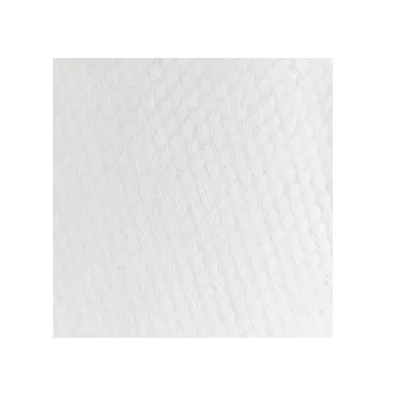
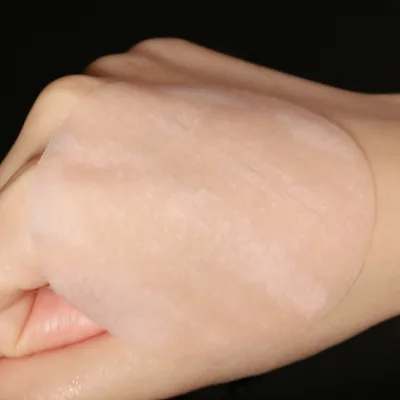
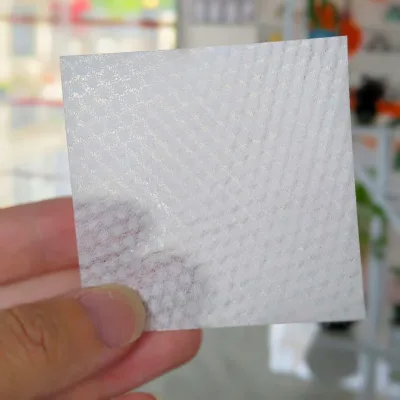
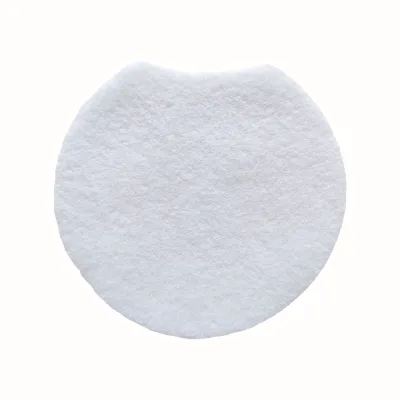
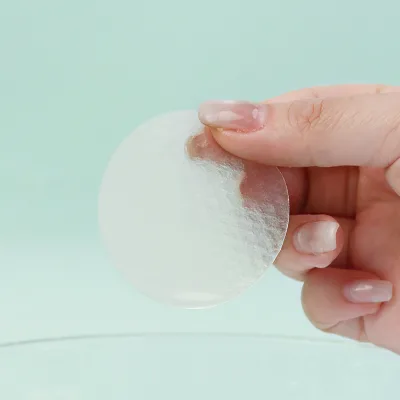
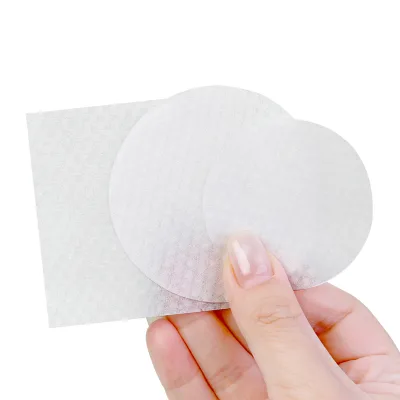
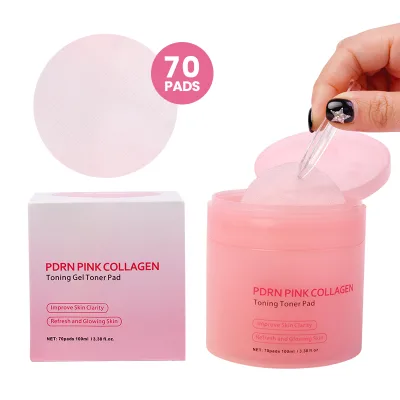
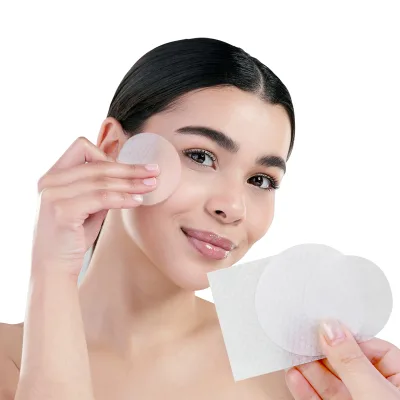
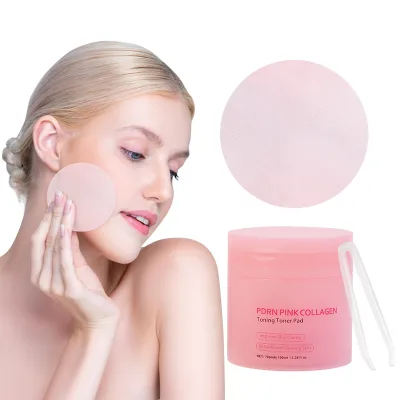
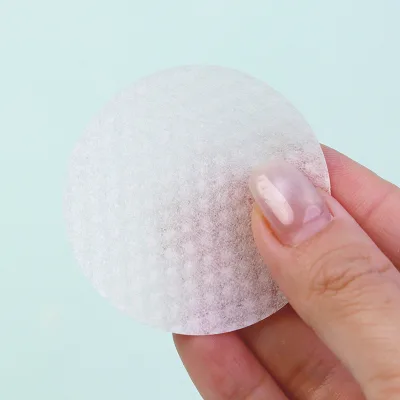


Round Cotton Pad for Face Makeup Remover Soft and Thin Pads for Toner and Skincare
$0.03 - $0.05
MOQ: 100000 piece


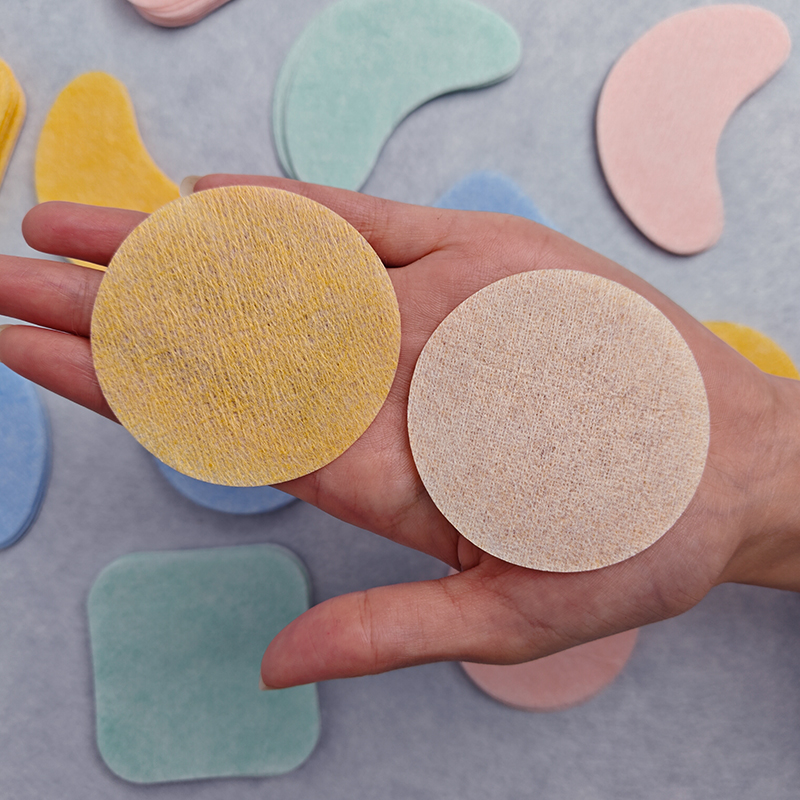


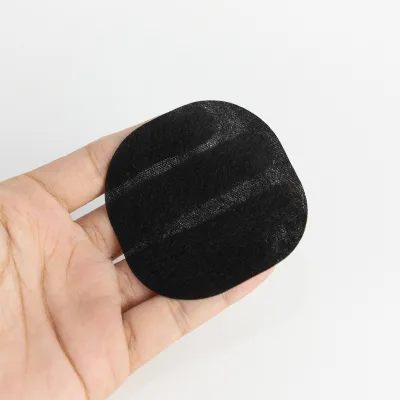
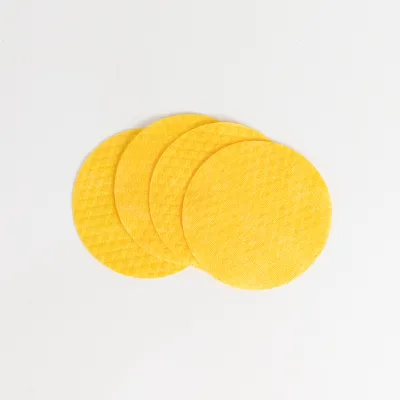


Kin Care Moisturizing Water-Type Essence Face Care Collagen Gel Toner Pads
$0.90 - $1.00
MOQ: 30000 Sets
Comprehensive Sourcing Guide
Korean Style Stretchable Toner Pad Sourcing Guide
The Korean Style Stretchable Toner Pad represents a specialized category of cosmetic tools designed to enhance skin hydration and product absorption through advanced fiber engineering. These pads typically utilize modified natural fibers like Lycell or Camellia to achieve a unique texture that conforms to facial contours without tearing. Buyers should prioritize suppliers who explicitly list stretchability as a key advantage, as this feature distinguishes premium pads from standard non-woven alternatives that may lack the necessary elasticity for effective application.
Procurement strategies must account for the diverse material compositions observed in the market, ranging from fruit fibers to specialized non-woven blends. While some listings highlight eco-friendly attributes and specific GSM weights like 50GSM or 70GSM, the core requirement remains the pad's ability to hold gel toner while maintaining structural integrity during use. Sourcing teams should verify that the selected product supports both home and salon applications, ensuring the material can withstand the mechanical stress of stretching without compromising its ability to deliver active ingredients to the skin.
Product Scope and Observed Listing Signals
Current market listings reveal a wide spectrum of toner pad variations, including round, square, and customizable shapes with distinct color options like white or pink. The product scope extends beyond simple cotton pads to include specialized gel-infused variants that feature an oozing gel capability, catering to brands seeking unique selling points in the beauty care sector. Buyers must carefully distinguish between dry-type pads and those designed for wet use as facial masks, as the intended application dictates the necessary material properties and packaging requirements.
Observations indicate that suppliers often offer OEM and ODM services with varying minimum order quantities, ranging from single items to substantial bulk orders of 300,000 units. The packaging formats vary significantly, with options including OPP bags, plastic bags, and box packs, which directly impact logistics costs and retail presentation. Procurement decisions should be guided by the specific branding needs of the buyer, ensuring that the chosen supplier can accommodate custom logos and specific shape requirements while maintaining the high-quality finish expected in the Korean beauty market.
Technical Specifications to Verify
Technical verification begins with confirming the precise material composition, as listings cite Modified Lycell Fiber, Camellia Fiber, and Fruit Fiber as primary components. Buyers must ensure the selected pad meets the required GSM specifications, with observed values including 50GSM and 70GSM, to guarantee the correct balance between absorbency and durability. The layer count is another critical parameter, with most observed products featuring a single layer, though the structural integrity must be sufficient to prevent disintegration when saturated with toner.
Shape and pattern consistency are equally vital, with options ranging from standard round and square cuts to intricate pearl patterns and fully customizable designs. The physical dimensions, such as the observed 7*7cm size, must align with the brand's application guidelines to ensure optimal coverage on the face. Additionally, the stretchability feature, explicitly mentioned in some supplier advantages, requires validation through physical testing to confirm that the fiber blend can expand and contract without losing its shape or tearing during the application process.
Compliance and Safety Documentation
While specific certification documents are not explicitly detailed in the provided listings, buyers must demand evidence of compliance with international safety standards for cosmetic tools. The presence of eco-friendly claims necessitates verification of sustainable sourcing practices and biodegradability certifications, particularly for products made from natural fibers like Camellia or fruit-based materials. Procurement teams should request material safety data sheets to ensure that the fibers and any associated chemical treatments used in the manufacturing process do not pose risks to consumer health.
Documentation regarding the manufacturing origin, such as Guangdong or Anhui in China, should be cross-referenced with the supplier's quality management systems to ensure consistent production standards. Buyers should verify that the supplier adheres to relevant hygiene protocols, especially since these products are intended for direct contact with the skin in both home and salon environments. Ensuring that the packaging materials, such as OPP or plastic bags, are also compliant with safety regulations is essential to maintain the overall integrity of the product from factory to end-user.
Cost Drivers and Commercial Terms
Cost structures for stretchable toner pads are heavily influenced by the complexity of the material blend and the customization level required. Premium materials like Modified Lycell or specialized Camellia fibers typically command higher prices compared to standard non-woven options, while custom shapes and patterns add further manufacturing costs. Buyers should analyze the trade-off between unit price and order volume, noting that minimum order quantities can range widely from 1 unit to 300,000 units, significantly affecting the per-unit cost and cash flow requirements.
Commercial terms often include flexible payment options such as T/T or Alipay, which provide security for both parties during the transaction. The availability of free samples allows buyers to assess product quality before committing to large orders, though this may impact the overall timeline of the procurement process. It is crucial to negotiate clear terms regarding lead times and shipping, as the specific application requirements, such as home use versus salon use, may dictate different production schedules and packaging logistics that influence the final landed cost.
Supplier Qualification and Quality Control
Supplier qualification should focus on verifying their capacity for OEM and ODM services, as many listings indicate a willingness to accept custom branding and design requests. Buyers must assess the supplier's track record in producing stretchable pads, ensuring they have the technical expertise to maintain consistency in fiber elasticity and gel retention across large production runs. The ability to provide free samples is a positive indicator of confidence in product quality, but it should be complemented by a rigorous review of their quality control processes and defect rates.
Quality control protocols must include regular testing of the pad's physical properties, such as tensile strength and absorption rates, to ensure they meet the specified GSM and shape requirements. Suppliers should demonstrate a commitment to maintaining the eco-friendly attributes of their products, particularly if the marketing strategy relies on sustainable fiber sources like fruit or Camellia. Establishing a clear communication channel for addressing any deviations in color, pattern, or material composition is essential to prevent costly errors and ensure the final product aligns with the buyer's brand standards.
Long-Term Procurement Checks
Long-term procurement success depends on establishing a reliable supply chain that can adapt to fluctuating market demands and evolving consumer preferences. Buyers should regularly audit their suppliers to ensure continued compliance with safety standards and material specifications, particularly as the Korean beauty market introduces new trends in pad shapes and functionalities. Maintaining a relationship with suppliers who offer flexible production capabilities allows for rapid adjustments to order volumes and design changes without disrupting the supply chain.
Continuous monitoring of product performance in the market is essential to validate the initial selection of materials and designs. Buyers should gather feedback from end-users regarding the pad's stretchability, texture, and ability to deliver toner effectively, using this data to refine future procurement specifications. By staying informed about advancements in fiber technology and manufacturing processes, buyers can ensure their product offerings remain competitive and aligned with the high standards expected in the global cosmetic tools sector.
FAQs
What materials are used for korean style stretchable toner pads?
These pads utilize diverse materials including modified lycell fiber, camellia fiber, fruit fiber, and non-woven fabrics. The choice depends on the specific model and desired texture. Each material offers unique absorption and stretch properties suitable for different skincare routines and gel toner applications.
Can I customize the logo on these toner pads?
Yes, logo customization is available for bulk orders. Minimum order quantities typically start at 5,000 pieces for some models, while others require 100,000 pieces. This service supports OEM and ODM branding needs, allowing businesses to create unique packaging and product identities for their skincare lines.
What shapes are available for these gel toner pads?
Manufacturers offer round, square, and customizable shapes. The standard sizes often measure around 7x7 cm. Buyers can select specific geometries to match their brand aesthetics or functional requirements, ensuring the pads fit comfortably in hand and effectively deliver toner to the face during use.
Are these toner pads suitable for wet use as facial masks?
Yes, many models are designed for wet use as facial masks. They feature oozing gel capabilities and high absorption rates. The stretchable nature ensures they adhere well to facial contours, making them ideal for home use, salon treatments, and travel, providing effective moisturizing and nourishing benefits.
What is the typical packaging for these toner pads?
Common packaging includes OPP bags and box packs. The products are often sold as single items or in bulk sets. Eco-friendly features are highlighted in some listings. Buyers should verify specific packaging details with suppliers to ensure compliance with their retail requirements and sustainability goals for the final product.