Source Korean Style Polyester Casual Shirt for Daily Wear, Events, and Work
Find a wide selection of Korean Style Polyester Casual Shirt options from verified suppliers. Compare 30 listings featuring various sizes, colors, and customization services for men and women.
Key considerations
Products List


Casual Long Sleeve Men's Shirts Custom Logo Plain Polyester Shirts for Women
$3.60 - $7.90
MOQ: 200 Pieces


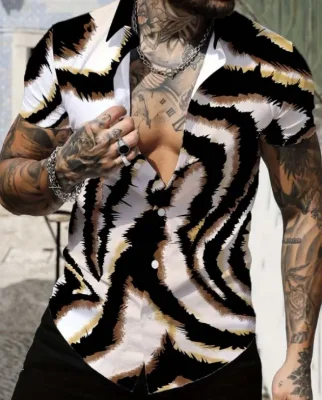

Men's Shirt Cotton Plaid Shirt Long-Sleeved Korean Shirt Grinding Breathable Casi
$15.66 - $16.69
MOQ: 500 pieces
Comprehensive Sourcing Guide
Strategic Sourcing Guide for Korean Style Polyester Casual Shirts
Understanding the Product Category and Material Composition
The search for "Korean Style Polyester Casual Shirt" in the B2B marketplace requires a nuanced understanding of how modern manufacturing blends aesthetic trends with functional material science. In the context of current supply data, the term "polyester" appears as a primary material specification for specific product lines, distinct from cotton-based alternatives. When evaluating a Korean style casual shirt, the material choice is critical because it dictates the drape, breathability, and durability of the final garment. The observed product data indicates that polyester is often paired with specific fabric constructions such as Jersey or blended with Spandex to enhance elasticity and comfort. This combination is particularly relevant for the "Leisure" and "Casual" product types identified in the market, where the garment must maintain a structured silhouette while allowing for movement.
The "Korean style" designation typically implies a specific cut and aesthetic, often characterized by relaxed fits, clean lines, and versatile layering capabilities. In the provided dataset, this aligns with specifications such as "Loose" model types and "Regular" clothing lengths. Buyers must recognize that while the core keyword emphasizes polyester, the market offers a diverse range of material compositions. Some listings explicitly feature "Cotton" with "Plain Dyed" or "Yarn Dyed" techniques, while others utilize "Polyester" with "Printed" or "Patterned" designs. The presence of "Cotton/Spandex" as a standard in some entries suggests that a pure polyester shirt may not be the only option, and buyers should verify the exact fiber content ratio to ensure it meets their specific performance requirements. The distinction between "Plain Dyed" and "Yarn Dyed" is also significant; yarn-dyed fabrics often offer superior color fastness and a more textured appearance, which can be a key differentiator in the competitive Korean fashion market.
Technical Specifications and Design Attributes
When sourcing these garments, technical specifications serve as the primary filter for quality and style alignment. The observed data reveals a wide array of design attributes that define the "Korean style" aesthetic. Key specifications include collar styles such as "Button Up Collar" and "Lapel," which offer different levels of formality and visual interest. Sleeve styles are equally important, with "Button Cuffs" and "Long Sleeve" being prominent features in the current inventory. These details contribute to the sophisticated yet relaxed look associated with Korean streetwear and casual fashion.
Size specifications in this sector vary significantly, ranging from standard sizing (S, M, L) to "Free Size" and fully "Customized" options. The "Free Size" attribute is particularly notable for the "Loose" model types, catering to a trend where a single size accommodates a broad range of body types. However, for buyers targeting specific demographics, the availability of S, M, and L sizes in both "Men" and "Women" categories ensures better inventory management. The "Pattern" attribute further diversifies the product line, with options including "Pure Colour," "Patterned," and "Customizable" designs. The "Customizable" color attribute is a critical feature for brands seeking unique identity, allowing for the creation of exclusive colorways that align with seasonal trends.
The construction techniques, such as "Plain Dyed," "Yarn Dyed," and "Printed," directly impact the visual texture and color vibrancy of the shirt. "Printing" and "Embroidery" are the primary methods for adding logos or patterns, with flexible placement options including the "Back Neck," "Chest," "Cuff," "Shoulder," "Yoke," and "Hem." This flexibility allows for strategic branding that enhances the garment's appeal without compromising its casual aesthetic. The "Knitted" style mentioned in the data suggests a specific manufacturing process that may offer superior stretch and comfort compared to woven alternatives, which is a vital consideration for casual wear intended for extended wear.
Compliance, Certification, and Quality Standards
In the B2B procurement of apparel, compliance and quality standards are non-negotiable, yet the specific certification status of suppliers must be verified on a case-by-case basis. The supplied product data does not list specific international certifications (such as OEKO-TEX, GRS, or ISO) for the polyester casual shirts. Therefore, buyers must treat the absence of listed certifications as a signal to request documentation rather than assuming compliance. The "prod_standard" field in the data provides physical dimensions, such as "35255 CM / Piece (with plastic inside collar)," which indicates a focus on packaging integrity and product protection during transit. This standard suggests that the supplier prioritizes maintaining the garment's shape, particularly around the collar, which is essential for preserving the "Korean style" silhouette.
When evaluating quality, buyers should look for evidence of adherence to industry norms regarding fabric strength, color fastness, and seam integrity. The "Cotton/Spandex" and "Polyester" standards listed imply that the material composition is a key quality metric. For polyester garments, it is crucial to verify that the fabric does not pill excessively or lose its shape after washing, which can be a common issue with lower-quality synthetic blends. The "Sample: Customized" attribute indicates that the supplier is capable of producing prototypes, which is an excellent opportunity for buyers to physically test the fabric and construction before committing to a bulk order.
Buyers should also consider the "Supply Type: OEM & ODM" capability. This implies that the supplier can handle both Original Equipment Manufacturing (making products to the buyer's design) and Original Design Manufacturing (providing designs for the buyer to select). This flexibility is often accompanied by specific quality control protocols that the buyer must define. Without explicit certification data in the source material, the procurement strategy must include a rigorous pre-shipment inspection process to ensure that the final products meet the buyer's internal quality benchmarks.
Cost Drivers and Pricing Dynamics
The pricing structure for Korean style polyester casual shirts is influenced by several dynamic factors, including material costs, customization levels, and order volume. The observed price range in the market spans from $0.5 to $28 USD, a wide spectrum that reflects the diversity of product complexity and quality tiers. The lower end of this range likely corresponds to basic "Pure Colour" items with standard packaging and minimal customization, while the higher end may encompass complex "Patterned" designs, premium fabric blends, or extensive branding services.
Material composition is a primary cost driver. Polyester is generally more cost-effective than cotton, but the inclusion of Spandex or specific weaving techniques like "Yarn Dyed" can increase the unit cost. The "Customization" attribute is another significant factor; orders requiring specific "Logo Position" placements, custom colors, or unique "prod_model" designs will command higher prices due to the additional setup and labor involved. The "MOQ" (Minimum Order Quantity) range of 2 to 1000 units further influences the per-unit cost. Smaller orders, such as those with an MOQ of 2, often carry a higher price per unit due to the fixed costs of production setup and sampling. Conversely, larger orders can leverage economies of scale to reduce the unit price.
Packaging standards also play a role in cost. The data mentions "OPP Package," "Carton," and "1 PC Into 1 Polybag" as standard options. Custom packaging requirements, such as branded boxes or specific folding techniques, will add to the overall cost. Additionally, the "Lead Time" for sample orders, noted as "7 Days," suggests a relatively agile production process, which can be a cost-saving factor for buyers needing to test the market quickly. However, rush orders or complex customizations may extend lead times and incur expedited shipping fees.
Supplier Evaluation and Operational Capabilities
Selecting the right supplier for Korean style polyester casual shirts requires a thorough evaluation of their operational capabilities and geographic location. The data indicates that suppliers are located in key manufacturing hubs such as "Yiwu, Zhejiang, China" and "Nanchang City, Jiangxi Province, China." These regions are known for their robust textile industries and efficient supply chains. Yiwu, in particular, is renowned for its vast market of small commodities and textiles, offering a wide variety of options for casual wear. Nanchang, on the other hand, is a significant center for textile production in Jiangxi Province, often specializing in knitwear and blended fabrics.
When evaluating suppliers, buyers should prioritize those that explicitly offer "OEM & ODM" services, as this indicates a higher level of flexibility and technical expertise. The ability to support "7 Days Sample Order Lead Time" is a strong indicator of a responsive and efficient production line. Buyers should also verify the supplier's capacity to handle "Customized" sizes and colors, as this is a core requirement for many Korean style brands. The "prod_model" variations, such as "03," "KM-2025-3-25-10," and "BMTH06-3," suggest that suppliers maintain a diverse catalog of designs, which can be beneficial for buyers looking to expand their product lines.
It is essential to assess the supplier's communication and transparency. While the data does not provide specific supplier names, the presence of detailed specifications and standards implies a level of professionalism. Buyers should request detailed product samples to verify the "Style: Knitted" or "Fabric: Jersey" claims and ensure that the "Collar Style" and "Sleeve Style" match the intended design. The "prod_packing" options, ranging from simple polybags to cartons, should be discussed to ensure they align with the buyer's logistics and retail requirements.
Quality Control and Long-Term Procurement Strategy
Implementing a robust quality control (QC) strategy is vital for maintaining the integrity of Korean style polyester casual shirts. Given the wide range of materials and techniques, from "Plain Dyed" to "Printed," QC protocols must be tailored to each specific product type. For printed garments, color consistency and print durability are critical. For knitted or jersey fabrics, checking for pilling, stretching, and seam strength is essential. The "Standard" dimensions provided, such as "35255 CM," should be used as a baseline for packaging inspection to ensure that the product arrives in pristine condition.
Long-term procurement considerations involve building a sustainable relationship with suppliers who can consistently deliver high-quality products. The "Customization" and "OEM & ODM" capabilities of the suppliers suggest that they are well-positioned to grow with the buyer's brand. Buyers should aim to establish clear communication channels regarding design changes, material updates, and production schedules. The "Sample: Customized" option should be utilized regularly to test new designs and ensure that the supplier can meet evolving market demands.
Furthermore, buyers should monitor the "Season" attributes of the products. The data lists "Summer," "Spring / Autumn," and potentially other seasons, indicating that the supplier can produce garments suitable for different climatic conditions. This versatility is valuable for brands looking to maintain a year-round product offering. By focusing on suppliers with a proven track record in "Leisure" and "Casual" categories, buyers can ensure that their inventory remains relevant and competitive in the dynamic Korean fashion market.
Comparative Analysis of Product Variants
To facilitate decision-making, the following table summarizes key differences between observed product variants based on the supplied data. This comparison highlights the diversity in materials, styles, and specifications available in the market.
| Feature | Variant A (Cotton Focus) | Variant B (Polyester Focus) | Variant C (Custom/Knitted) |
|---|---|---|---|
| Primary Material | Cotton | Polyester | Cotton/Spandex |
| Technics | Plain Dyed | Printed | Knitted / Jersey |
| Style | Loose / Regular | Patterned / Pure Colour | Knitted / Casual |
| Collar Style | Button Up Collar | Lapel | Variable |
| Sleeve Length | Long Sleeve | Long Sleeve | Variable |
| Size Options | Free Size | L, M, Customized | S, M, L, Customized |
| Origin | Yiwu, Zhejiang | Nanchang, Jiangxi | Nanchang City |
| Packing | OPP Package | Carton | 1 PC Into 1 Polybag |
| Supply Type | OEM & ODM | OEM & ODM | OEM & ODM |
This table illustrates that while the core keyword focuses on polyester, the market offers significant variation. Buyers must carefully select the variant that best aligns with their brand identity and customer expectations. The "Variant B" specifically addresses the polyester requirement with "Printed" techniques and "Patterned" designs, while "Variant C" offers a blended fabric option for enhanced comfort. Understanding these distinctions is crucial for effective sourcing and inventory planning.
FAQs
Can I customize the color and logo placement for these shirts?
Yes, customization is available for both color and logo placement. Buyers can select customizable colors and choose from multiple logo positions including the back neck, chest, cuff, shoulder, yoke, or hem using printing or embroidery techniques.
What are the typical lead times for sample orders?
The supplier supports a 7-day sample order lead time for quick prototyping. This agile production capability allows buyers to test fabric quality and design details before committing to larger bulk orders in the supply chain.
Which materials are used for these casual shirts?
The shirts are primarily made from cotton, polyester, or cotton-spandex blends. Specific listings indicate materials like jersey fabric or plain dyed cotton, offering options for different comfort levels and durability requirements in casual wear.
What size options are available for these garments?
Size options range from standard S, M, and L to Free Size and fully customized measurements. The inventory includes loose model types that often utilize Free Size to accommodate a broad range of body types effectively.
How are these shirts typically packaged for shipment?
Packaging varies by supplier but often includes OPP bags, cartons, or individual polybags. Some standards specify dimensions like 35x25x5 cm per piece with plastic inside the collar to maintain the garment's shape during transit.
Can suppliers handle OEM and ODM orders?
Yes, the supply type explicitly supports both OEM and ODM services. This allows buyers to either manufacture products based on their own designs or select from the supplier's existing designs for private labeling and branding.