Source Kosher Halal Vegan Mousse Cake for Parties and Events
Compare 25 verified suppliers offering Kosher Halal Vegan Mousse Cake options with varying flavors, shapes, and certifications. Buyers can evaluate shelf life, packaging, and customization services to find the best fit for their business needs; compare the available evidence and request quotations based on your requirements.
Key considerations
Products List

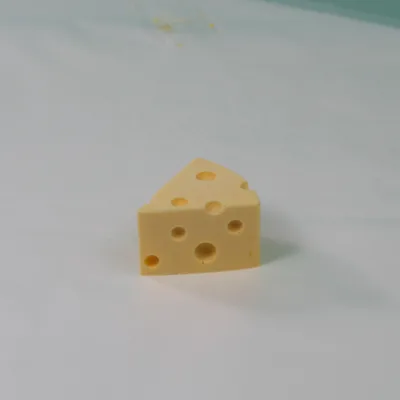
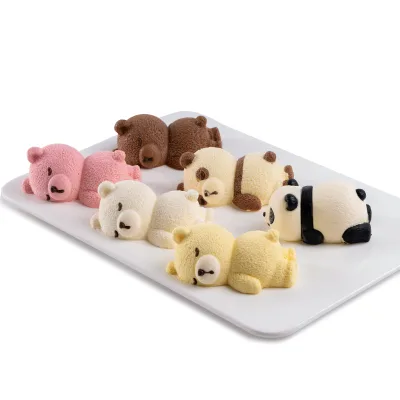
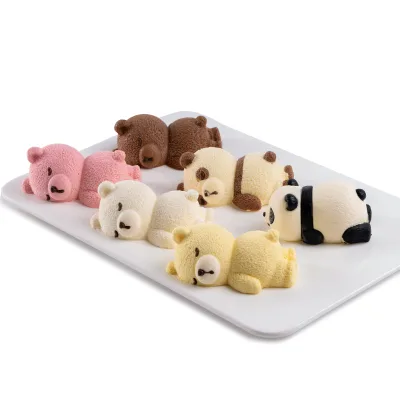
Rose Shape Vegan Mousse Cake Annimal Shape Mousse Cake with Halal Factory Directly
$0.90 - $1.10
MOQ: 10000 Pieces

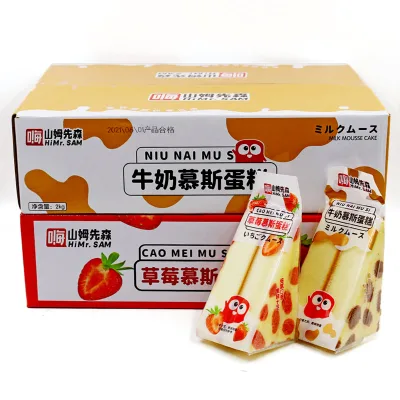
Vegan Animal Shape Mousse Cake Mango Mousse Cake with Halal Factory Directly
$0.90 - $1.10
MOQ: 10000 Pieces

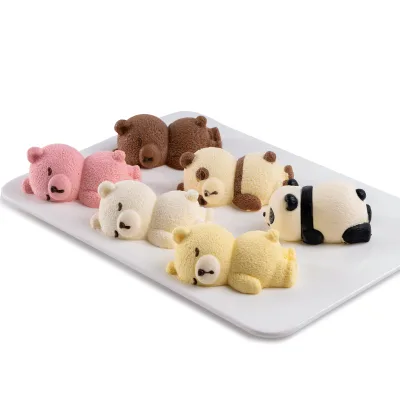
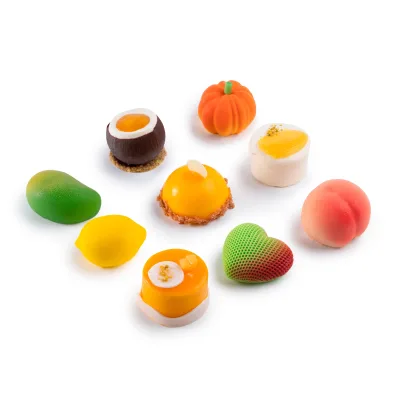
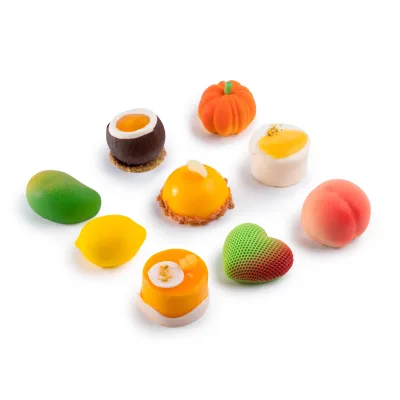
Fruit Shape Mousse Cake Vegan Mango Mousse Cakes with Halal Factory Directly
$0.90 - $1.10
MOQ: 10000 Pieces


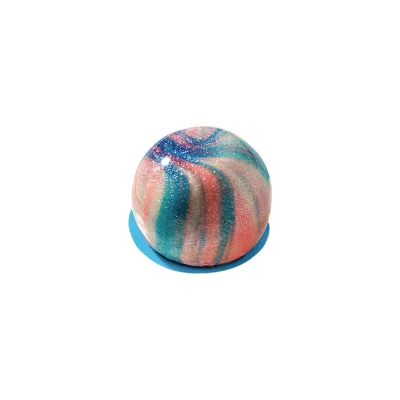
Vegan Mousse Cake Milk Mousse Cake Rose Shape Factory Diredtly with Halal
$0.90 - $1.10
MOQ: 10000 Pieces





Comprehensive Sourcing Guide
Kosher Halal Vegan Mousse Cake Sourcing Guide
Kosher Halal Vegan Mousse Cake is a frozen, ready-to-eat dessert category that demands unusually layered verification from B2B buyers. Unlike conventional mousse products, it must simultaneously satisfy religious dietary requirements—kosher and halal supervision—while excluding animal-derived ingredients such as gelatin, dairy, and eggs that define traditional mousse formulation. Buyers sourcing this category from Chinese manufacturers typically encounter frozen, precooked products packaged in boxes or cartons, positioned for occasions such as afternoon tea, breakfast service, parties, and other foodservice or retail settings.
The sourcing challenge centers on reconciling certification claims with formulation reality. A mousse cake marketed as vegan cannot rely on gelatin-based stabilizers or cream-based fillings, yet many mousse products in the category list "Cream" as the flavor and mousse cake as the ingredient. Buyers must therefore determine whether a given listing genuinely meets plant-based requirements or whether the vegan claim applies only to selected variants within a supplier's broader portfolio. Treat every certification and dietary claim as a starting point for documented verification, not as an assumed product attribute.
Product Scope and Observed Listing Signals
The observed listings span a broad dessert range, including cheese mousse cakes and fruit-shaped mousse products with neutral or sweet taste profiles and fruity or cream flavor directions. Typical attributes include single-item selling units, weights around 36 grams per piece, triangle or fruit shapes, frozen storage type, and packing in cartons with plastic and papercard materials. Shelf life claims in the category range from 12 months to beyond 12 months, with some listings citing 120 days, so buyers should confirm which shelf life applies to the specific product and formulation.
Listing quality varies considerably. Some products carry grade "A" quality labels and high-quality descriptions, while brand names range from named labels such as "Onion" to generic "OEM brand/other" designations, and manufacturers may be identified by names like Jingcre. Origins concentrate in Henan and Fujian, China. Minimum order quantities range from as low as 1 unit to 10 cartons or up to 10,000 units, reflecting a mix of retail and wholesale formats. Buyers should prioritize listings that disclose concrete specifications—package dimensions, carton set counts such as 36g formats packed 192 sets per carton—over vague descriptors.
Technical Specifications to Verify
Begin with formulation and weight specifications. Observed listings reference piece weights of 90g and 100g per piece as category standards, alongside lighter 36g formats, so confirm which weight applies to your order and whether unit weights are consistent within a production batch. Verify the complete ingredient declaration, especially the filling and decoration components, since listings describe these only generically as "mousse cake" or "food additives." For a vegan claim, require full disclosure of gelling agents, emulsifiers, and fat sources, because additives frequently hide gelatin, dairy derivatives, or egg-based stabilizers.
Confirm storage and logistics requirements next. All frozen mousse products in this category require cool or frozen storage, and listings specify "frozen" as the storage type, which obligates the buyer to confirm cold-chain capability from factory to destination port. Verify single package dimensions—examples include 36X27X10 cm and 66.5X44X28 cm—to plan container loading and retail shelf fit. Finally, confirm that the stated shelf life is validated under the storage conditions the supplier prescribes, and request documentation linking the claimed duration to the tested storage temperature.
Compliance and Safety Documentation
Religious certification is the central compliance concern for this keyword. Observed listings claim HACCP, BRC, ISO, Kosher, Halal, GAP, and Sedex certificates, but buyers must obtain the actual certificates, confirm they are current, and verify that the certifying body is recognized by their target market's consumers and regulators. Critically, confirm that the kosher and halal certificates cover the specific mousse cake SKU and its production line, not merely the factory generally, and that the certifying scope includes all ingredients used in the vegan formulation.
Food safety documentation should follow the same discipline. Request the HACCP plan summary and any BRC or ISO audit reports applicable to the frozen dessert line, and confirm how Sedex or GAP audits address labor and agricultural sourcing where relevant. Because vegan mousse formulations depend heavily on functional additives, require ingredient specifications and allergen statements for each input. Buyers exporting to regulated markets should independently confirm which standards their destination requires, since the listed certificates do not automatically constitute compliance with any particular importing country's regulations.
Cost Drivers and Commercial Terms
Observed listing prices range dramatically, from under one dollar to very high figures, which signals that the category mixes single-piece retail samples with bulk carton and industrial-format orders. The meaningful comparison unit is price per piece or per carton at a stated quantity, not the headline listing price. Confirm the specification basis—such as 36g formats packed 192 sets per carton or 90g–100g per piece standards—because unit weight and set density materially change effective cost. MOQs spanning 1 to 10,000 units mean buyers should negotiate terms matched to their actual volume tier.
Commercial terms are relatively consistent across listings: price terms quoted include CIF, CNF, D/P, and L/C, with delivery times of 2–3 weeks and payment and customization openness stated as available. Frozen goods add cost drivers beyond the unit price: refrigerated container charges, insulation packaging, and cold-chain handling all affect landed cost. Confirm whether the quoted price term includes frozen freight and who bears the risk during transit. For OEM or ODM work, clarify whether custom molds, packaging design, or reformulation carry tooling or development fees.
Supplier Qualification and Quality Control
Qualify suppliers against the specific demands of frozen, certified dessert manufacturing rather than general food export experience. Start by confirming the physical address and manufacturing identity—listings point to Henan and Fujian addresses with named manufacturers—then verify production capability for frozen mousse products specifically, since mousse texture depends on freezing process control. Suppliers stating OEM and ODM acceptance should demonstrate documented processes for custom formulation, private-label packaging, and specification control, which is essential when buyers require vegan-compliant reformulation of standard mousse products.
Quality control should be verified at three points: incoming ingredients, in-process freezing and assembly, and finished-goods testing. Ask each prospective supplier to describe their inspection regime for dietary-compliant ingredients, since a single non-vegan input invalidates the product claim. Request pre-shipment inspection options and third-party testing of finished samples for composition and safety parameters. Conduct trial orders before committing to volume, and evaluate whether delivered product maintains shape, texture, and taste after the frozen transport cycle your distribution requires, not just under ideal factory conditions.
Long-Term Procurement Checks
Sustained supply in this category depends on certificate continuity. Kosher and halal supervision typically requires periodic re-certification, and a lapse can instantly strand inventory in markets where the certification is a purchase prerequisite. Build renewal-date tracking into supplier management, require advance notice of any change in certifying body or supervising agency, and contractually obligate the supplier to notify you before changing ingredients, filling suppliers, or production lines, because any of these changes can void existing dietary certification.
Operational resilience matters equally. Confirm capacity headroom for seasonal peaks tied to party and afternoon-tea demand cycles, and verify that the supplier's cold storage capacity can support your reorder cadence without product aging beyond the stated shelf life window. Re-audit packaging integrity and carton condition periodically, since frozen dessert damage often appears only after multiple shipping cycles. Finally, maintain a documented specification sheet—weight, shape, flavor, packaging format, and storage conditions—agreed in writing, so that every subsequent order is checked against the same baseline and reformulations cannot be introduced silently.
FAQs
What certifications are available for these mousse cakes?
The products hold HACCP, BRC, ISO, Kosher, Halal, Gap, and Sedex certifications. These credentials ensure compliance with international food safety and ethical standards, making them suitable for global distribution and retail markets requiring verified quality assurance.
Can I customize the packaging for bulk orders?
Yes, customization is available for bulk orders. The standard packaging includes plastic, paper card, and carton layers, but OEM and ODM services are accepted. Buyers can request specific branding or structural adjustments to meet their retail or distribution requirements.
What is the typical shelf life of the product?
The shelf life is generally 12 months or longer, depending on the specific variant. Some products may have a shorter duration of 120 days. Proper storage in cool or frozen conditions is essential to maintain freshness and quality throughout the stated period.
What are the minimum order quantity requirements?
The minimum order quantity ranges from 1 to 10,000 units, with some listings specifying 10 cartons as a baseline. Buyers should verify the exact MOQ with the supplier, as it varies by product specification, packaging type, and customization needs.
How long does delivery take after ordering?
The typical delivery time is 2-3 weeks. This timeline applies to standard production runs and may vary based on order volume and customization complexity. Buyers should confirm lead times with the supplier to align with their inventory planning and distribution schedules.
What flavors and shapes are offered for these cakes?
Options include fruity, cream, and neutral flavors, with shapes like fruits, cheese, and triangles. The products are ready-to-eat or precooked, catering to various occasions such as afternoon tea or breakfast. Specific ingredients and decorations vary by manufacturer and product line.