Source L Eye Charm Necklace Pendant for Fashion, Gifts, and Decor
Compare 30 L Eye Charm Necklace Pendant options featuring materials like stainless steel, titanium, and cubic zirconia. Buyers can evaluate gold and silver plating, round or square shapes, and customization services from Guangzhou and Dongguan manufacturers.
Key considerations
Products List


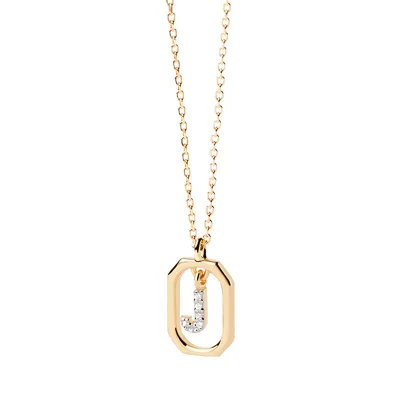
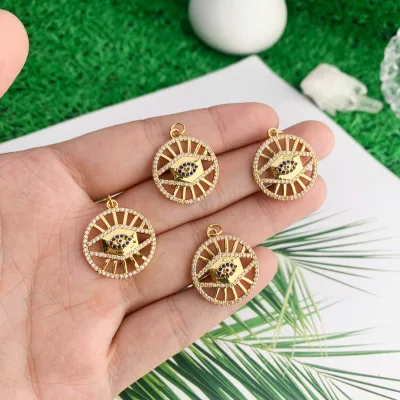
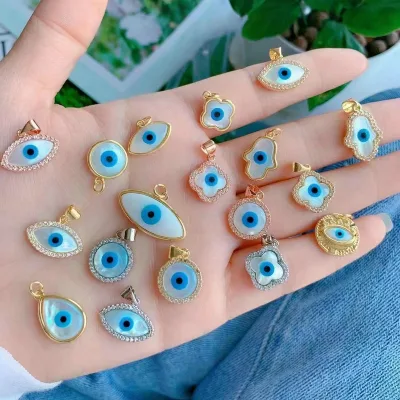
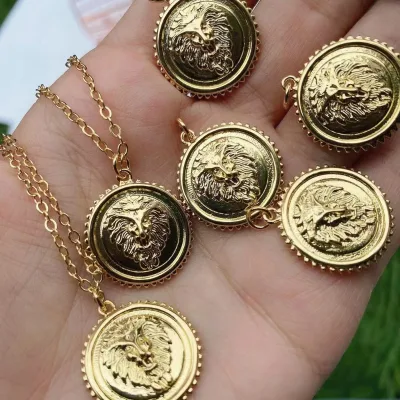
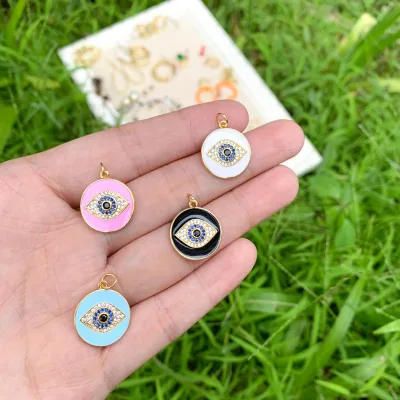


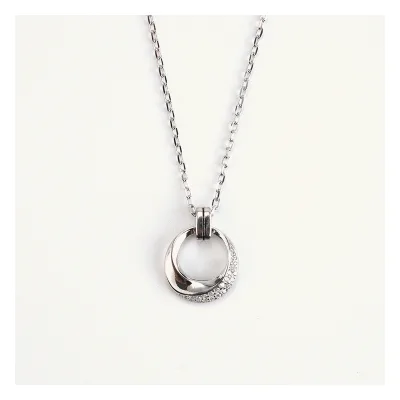
925 Silver Fine Pendant Necklace for Women Elegant and Stylish Accessory
$21.48 - $22.90
MOQ: 50 pieces
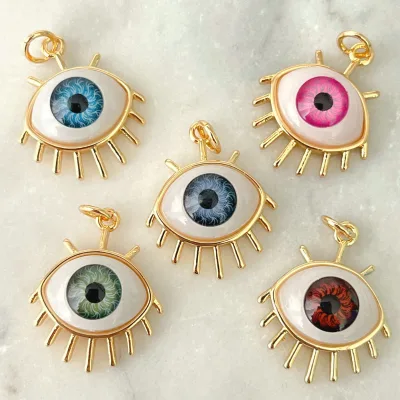
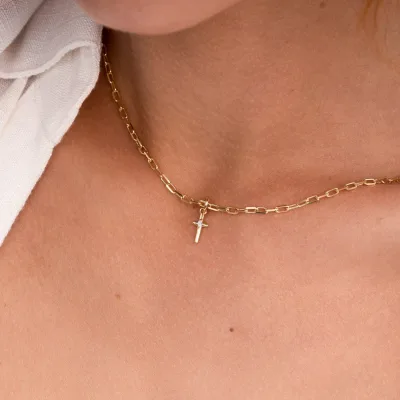

Comprehensive Sourcing Guide
Strategic Sourcing Guide for L Eye Charm Necklace Pendants
The global market for fashion jewelry continues to expand, with the L Eye Charm Necklace Pendant emerging as a distinct niche driven by symbolic design and versatile styling. For B2B procurement professionals, sourcing these items requires a disciplined approach that balances aesthetic appeal with rigorous supply chain verification. The following guide outlines the critical technical, compliance, and operational factors necessary for securing a reliable supply of l eye charm necklaces while adhering to strict evidence-based sourcing protocols.
Technical Specifications and Material Composition
When evaluating potential suppliers for l eye charm necklaces, the primary focus must be on the material composition and structural integrity of the pendant. Based on available product data, the market offers a diverse range of materials, including Stainless Steel, Titanium, and Cubic Zirconia. The choice of material directly influences the durability, weight, and plating longevity of the final product. Stainless Steel is frequently cited as a base material, offering high resistance to corrosion and tarnish, which is essential for items intended for daily wear. Titanium presents an alternative for buyers seeking hypoallergenic properties, particularly for clients with sensitive skin.
The plating process is another critical technical specification. Observations indicate that Gold and Silver plating are the dominant finishes, often applied via PVD (Physical Vapor Deposition) or IP (Ion Plating) technologies. These methods provide a harder, more durable surface compared to traditional electroplating, ensuring the color remains vibrant over time. The "High Mirror Polished" finish is a common attribute, suggesting a high level of surface refinement that enhances the visual appeal of the l eye design. Buyers should verify that the specific plating thickness meets their quality standards, as this is not always explicitly stated in initial listings.
The physical dimensions and shape of the pendant are equally important. While the core keyword specifies an "l eye" design, the observed market data includes variations such as Star, Square, Circle, and Charm shapes. The length of the necklace chain is a significant specification, with observed ranges including 45cm, often accompanied by an extension chain of 5cm to allow for adjustable sizing. The pendant itself may be categorized under specific shapes like "Charm" or "Circle," requiring buyers to confirm that the visual representation matches the "l eye" aesthetic they intend to source.
Compliance, Certification, and Regulatory Standards
Navigating the regulatory landscape is a non-negotiable aspect of sourcing jewelry for international markets. The supply chain for l eye charm necklaces must adhere to strict safety and environmental standards. The provided data highlights specific certifications such as SGS and Reach, which are critical for verifying that the materials used do not contain harmful levels of heavy metals like lead, cadmium, or nickel. SGS certification often covers a broad range of safety tests, ensuring the product meets international safety requirements. Reach compliance is particularly vital for European markets, as it restricts the use of specific chemicals in consumer goods.
Buyers must also consider the origin of the products. The data indicates that many items originate from Guangzhou, Guangdong, or Dongguan in China. While these regions are hubs for jewelry manufacturing, they require rigorous supplier vetting to ensure consistent compliance. The "Customized" standard noted in some listings suggests that suppliers may offer tailored compliance documentation, but buyers should not assume this applies to all stock items. It is essential to request current test reports for every batch, specifically looking for heavy metal migration tests and material safety data sheets (MSDS).
Furthermore, the "High Quality" feature mentioned in product attributes should be backed by tangible evidence rather than marketing claims. This includes verifying the grade of stones used, such as Aaaaa Grade Cubic Zirconia or Crystal, which are often paired with the metal components. The sourcing strategy must include a requirement for suppliers to provide third-party laboratory results that confirm the authenticity and safety of these materials before mass production begins.
Cost Drivers and Pricing Dynamics
Understanding the cost structure of l eye charm necklaces is vital for maintaining healthy profit margins. The observed price range in the market spans from $0.57 to $318.24 USD, a wide variance that reflects differences in material quality, craftsmanship, and brand positioning. The lower end of this spectrum typically corresponds to items with basic plating and standard materials, while the higher end often involves premium materials like solid Titanium or intricate designs with high-grade gemstones.
The Minimum Order Quantity (MOQ) is a significant cost driver, with observed ranges from 5 to 1000 units. Suppliers with lower MOQs, such as 40 or 50 pieces, may charge a higher unit price due to the overhead of handling smaller batches. Conversely, larger orders often benefit from economies of scale, reducing the per-unit cost. The "Selling Units" being listed as "Single Item" suggests flexibility in packaging, but buyers should negotiate bulk pricing tiers to optimize costs.
Additional cost factors include customization services. The availability of OEM (Original Equipment Manufacturer) and ODM (Original Design Manufacturer) services allows for brand-specific designs, such as custom logos or unique l eye motifs. However, these services often incur setup fees and longer lead times. The "Sample Time" of within 15 working days and "Production Time" of 15-30 working days after deposit also impact the overall cost of capital and inventory holding. Buyers must factor in the "Delivery Time" of 30-35 days after deposit when calculating total landed costs and cash flow requirements.
Typical Applications and Market Segmentation
The L Eye Charm Necklace Pendant serves multiple applications across different market segments. The primary attribute "Suitable for Female" indicates a strong focus on the women's fashion market, where these items are used as everyday accessories or statement pieces. The "Fashion" and "Simple" style attributes suggest versatility, allowing the jewelry to be paired with casual or formal attire. Additionally, the observation that some products are "Suitable for Female, Elderly" points to a secondary market segment focused on classic, timeless designs that appeal to older demographics.
The "Usage" category is listed as "Decoration," highlighting the primary function of the item as an aesthetic enhancement. The "Necklace Type" is often described as "Charm Necklace/Pendant Necklace," indicating that these items are designed to be worn individually or as part of a layered look. The "Charm" shape and "Star" or "Circle" variations suggest that these necklaces are often part of a broader collection where multiple pendants can be mixed and matched.
For B2B buyers, understanding these applications helps in targeting the right distribution channels. Fashion retailers may prioritize the "Fashion" and "Simple" styles, while gift shops might focus on the "Elderly" suitable items. The "Customized Logo" feature makes these products particularly attractive for corporate gifting or promotional campaigns, where branding is a key consideration.
Supplier Evaluation and Operational Capabilities
Selecting the right supplier is critical for the success of any sourcing initiative. The data indicates that many suppliers position themselves as "Manufacturer" advantages, which can offer benefits such as better price control and direct communication. However, buyers must verify this claim through site audits or third-party verification. The "Service" attribute welcoming OEM & ODM suggests a high level of flexibility, but it is essential to assess the supplier's capacity to handle these requests without compromising quality.
Key operational metrics to evaluate include the "Sample Time" and "Production Time." A sample time of within 15 working days is standard, but delays can occur if the design is complex. The production time of 15-30 working days after deposit is a critical timeline to manage. Buyers should also consider the "Delivery Time" of 30-35 days after deposit, which includes shipping and logistics. These timelines must be aligned with the buyer's inventory planning and sales cycles.
The "Place of Origin" is listed as Guangzhou, Guangdong, or Dongguan, which are established manufacturing hubs. While these locations offer access to a robust supply chain, buyers should ensure that the specific factory has the necessary infrastructure to handle the required volume and quality standards. The "Packing" method, described as "OPP Bags+Cartons" or "Carton," should be evaluated for its ability to protect the product during transit, especially for delicate items with high mirror polish finishes.
Quality Control and Long-Term Procurement Strategy
Implementing a robust quality control (QC) strategy is essential to mitigate risks associated with sourcing l eye charm necklaces. Given the wide price range and varying material compositions, a standardized QC protocol is necessary. This should include visual inspections for plating defects, dimensional checks to ensure the 45cm+5cm length is accurate, and material verification to confirm the use of Stainless Steel, Titanium, or Cubic Zirconia as specified.
For long-term procurement, building a relationship with suppliers who offer "Customized" standards and "Support" for customization is beneficial. This allows for continuous product improvement and adaptation to market trends. The "Feature: High Quality" attribute should be a baseline requirement, with regular audits to ensure consistency. Buyers should also establish clear communication channels for addressing any issues related to the "Certificate: SGS/Reach" compliance, ensuring that any non-conformities are resolved promptly.
In conclusion, sourcing l eye charm necklace pendants requires a comprehensive understanding of the technical specifications, compliance requirements, and operational dynamics of the supply chain. By focusing on verified data and maintaining strict quality standards, B2B buyers can secure a reliable supply of high-quality jewelry that meets the diverse needs of their customers. The ability to navigate the complexities of material selection, certification, and supplier evaluation will ultimately determine the success of the procurement strategy.
| Attribute Category | Observed Data Points | Verification Requirement |
|---|---|---|
| Material | Stainless Steel, Titanium, Cubic Zirconia | Request material test reports for heavy metals. |
| Plating | Gold, Silver, PVD, IP Plated | Verify plating thickness and adhesion tests. |
| Dimensions | Length: 45cm+5cm, Shape: L Eye/Charm | Confirm physical measurements via sample inspection. |
| Certification | SGS, Reach | Demand current third-party lab certificates. |
| MOQ | 5-1000 units | Negotiate tiered pricing based on volume. |
| Lead Time | Sample: 15 days, Production: 15-30 days | Align with inventory planning and sales cycles. |
| Origin | Guangzhou, Guangdong, Dongguan, China | Conduct supplier audits for manufacturing capacity. |
FAQs
What materials are used for l eye charm necklace pendants?
Materials include Stainless Steel, Titanium, and Cubic Zirconia. Stainless Steel offers corrosion resistance, while Titanium provides hypoallergenic properties for sensitive skin. Buyers should verify material test reports to ensure safety and durability.
Which plating finishes are available for these necklaces?
Gold and Silver plating are the dominant finishes, often applied via PVD or IP technologies. These methods ensure a harder, more durable surface compared to traditional electroplating. A high mirror polished finish is common to enhance visual appeal.
What certifications do suppliers typically provide for these items?
Suppliers often provide SGS and Reach certifications to verify material safety. These certifications ensure the products do not contain harmful levels of heavy metals like lead or nickel. Buyers must request current third-party lab certificates for every batch.
How long is the production time for custom orders?
Production time is typically 15 to 30 working days after receiving the deposit. Sample time is usually within 15 working days. Delivery time adds another 30 to 35 days after the deposit is secured for shipping.
What is the minimum order quantity for these necklaces?
The minimum order quantity ranges from 5 to 1000 units depending on the supplier. Specific listings show MOQs of 40 or 50 pieces. Larger orders often benefit from economies of scale, reducing the per-unit cost significantly.
Can suppliers customize the logo and design of the pendant?
Yes, OEM and ODM services are available with customized logos and designs. Suppliers support customization for unique l eye motifs and branding. This service often incurs setup fees and requires adherence to specific lead times.
Where are these necklaces typically manufactured?
Products originate from manufacturing hubs in Guangzhou, Guangdong, and Dongguan, China. These locations offer access to a robust supply chain. Buyers should verify specific factory infrastructure to ensure consistent quality and compliance standards.