Source Anniversary Crystal Inlay Earrings for Engagement, Party, Wedding
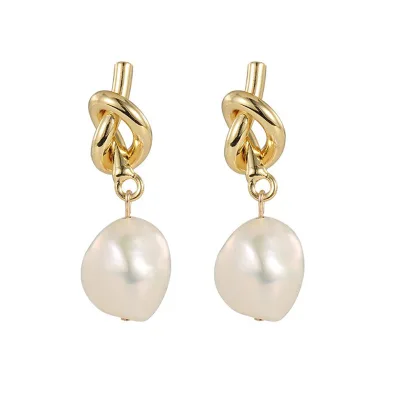
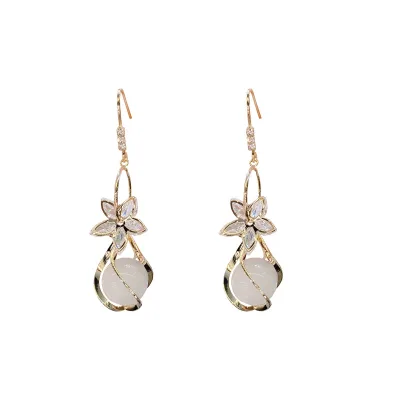
Find 30 options for Anniversary Crystal Inlay Earrings featuring styles like simple, star fashion, and flower shapes. Buyers can compare materials including alloy, resinous, crystal, and stainless steel, along with certifications and shipping methods from Zhejiang suppliers.
Key considerations
Products List


Crystal Geometric Stud Earrings for Women Bohemian Style Vintage Earrings
$2.99 - $3.19
MOQ: 12 Pieces

Fashion Simple Earrings for Women Silver Plate Pearl Crystal Stud Earrings
$0.39 - $0.59
MOQ: 12 Pieces

Simple Pearl Crystal Earrings Exquisite Heart Flower Ear Stud Clip Earrings
$0.78 - $0.98
MOQ: 12 Pieces




Comprehensive Sourcing Guide
Strategic Sourcing Guide for Anniversary Crystal Inlay Earrings
Understanding Product Specifications and Material Composition
When sourcing Anniversary Crystal Inlay Earrings, buyers must first establish a clear understanding of the technical specifications that define the product category. The market presents a diverse array of options, ranging from resinous compositions to durable alloys and stainless steel constructions. The core material selection is critical for both aesthetic appeal and long-term wearability. Observed product attributes indicate that suppliers often utilize alloy bases, which are frequently plated in gold tones to achieve a premium look suitable for special occasions. Alternatively, stainless steel variants are available, offering distinct advantages regarding corrosion resistance and hypoallergenic properties.
The inlay component itself is a defining feature. Specifications often highlight the use of crystal elements, with specific dimensions such as 6mm, 8mm, and 10mm being common configurations. These crystals are typically set into the metal structure to create the "inlay" effect, ensuring they are secure and flush with the surface. The weight of these items varies significantly depending on the design complexity and material density. Listings show observed weights ranging from 8 grams for lighter, simple designs to 45 grams for more substantial pieces. This variance suggests that buyers should not assume a uniform weight class but rather verify the gram weight for each specific model to ensure it aligns with the intended comfort level for the wearer.
Shape and style are equally important technical parameters. The product range includes geometric shapes such as squares and rounds, as well as organic forms like flowers. The style descriptors often include "Simple" or "Star Fashion," indicating a spectrum from minimalist elegance to bold, statement-making jewelry. For anniversary gifts, the "Simple" style often resonates well with recipients who prefer understated luxury, while "Star Fashion" or floral shapes may appeal to those seeking a more decorative aesthetic. The color palette is also a key specification, with gold and black being prominent options. Buyers must ensure that the color description matches the visual reality of the sample, as lighting conditions in online catalogs can sometimes alter the perception of metallic finishes.
Compliance, Certification, and Safety Standards
For B2B procurement, particularly in the jewelry sector, compliance and certification are non-negotiable elements that protect both the buyer and the end consumer. The supply chain for Anniversary Crystal Inlay Earrings must adhere to rigorous safety standards to ensure the products are safe for skin contact. High-confidence data indicates that reputable suppliers in this category often hold certifications from recognized international bodies such as SGS, BV, and Intertek. These third-party organizations provide essential verification that the manufacturing processes and final products meet specific quality and safety benchmarks.
A critical aspect of compliance is the chemical composition of the materials used. Jewelry intended for prolonged wear, especially for gifts like anniversaries, must be free from harmful substances. The observed product attributes explicitly mention that many items are Lead Free, Nickel Free, and Cadmium Free. These restrictions are vital because nickel and cadmium are common allergens that can cause skin irritation, while lead poses significant health risks. Buyers should verify that the supplier's quality control documentation confirms these "Free" claims for every batch produced. The presence of these certifications is not merely a marketing claim but a requirement for entering major markets, particularly in Europe and North America, where regulatory frameworks regarding heavy metals in jewelry are strict.
Furthermore, the quality standard referenced in the supply chain often aligns with the "US Standard" or specific regional requirements. While the exact numerical thresholds for these standards may vary by region, the general expectation is that the product must pass specific tensile strength, plating thickness, and chemical resistance tests. The BSCI (Business Social Compliance Initiative) certification is also noted in some listings, which addresses the social responsibility aspect of the supply chain. This certification ensures that the manufacturing facilities adhere to ethical labor practices, which is increasingly important for global brands looking to maintain a positive corporate image. Buyers should request copies of these certificates and verify their validity dates before finalizing any order, ensuring that the supplier's compliance status is current and applicable to the specific product models being sourced.
Cost Drivers and Pricing Dynamics
The pricing structure for Anniversary Crystal Inlay Earrings is influenced by a complex interplay of material costs, manufacturing complexity, and order volume. The observed price range in the market spans from $0.34 to $5.95 per unit, a wide spectrum that reflects the diversity in material quality and design intricacy. The primary cost driver is the base material; stainless steel and high-grade alloys generally command higher prices than resinous or lower-grade metal alternatives. Additionally, the inclusion of genuine or high-quality synthetic crystals adds to the unit cost, as does the precision required for the inlay process.
Order Volume is another significant factor in determining the final cost. The Minimum Order Quantity (MOQ) varies widely, ranging from as low as 1 piece to as high as 2000 pieces. For buyers testing the market or fulfilling small boutique orders, the lower MOQ options provide flexibility, though the unit price may be higher due to the lack of economies of scale. Conversely, large-scale procurement allows buyers to negotiate better rates, potentially pushing the cost toward the lower end of the observed range. However, buyers must balance the cost savings of bulk ordering against the risks of inventory holding and potential obsolescence of styles.
Customization is a major cost variable. The availability of OEM (Original Equipment Manufacturer) and ODM (Original Design Manufacturer) services allows buyers to tailor products to their specific brand identity. This customization can involve altering the shape, color, or crystal size, as well as modifying the packaging. While customization adds value and brand differentiation, it often incurs additional setup fees and may require higher MOQs to be economically viable. The packaging method also influences cost; options range from simple OPP bags to more elaborate PE polybags, paper cards, and gift boxes. For anniversary gifts, the presentation is as important as the jewelry itself, so the cost of premium packaging must be factored into the total landed cost. Buyers should request detailed cost breakdowns that separate the base product cost from customization and packaging fees to ensure transparency in their procurement strategy.
Typical Applications and Market Segmentation
Anniversary Crystal Inlay Earrings serve a versatile role in the global jewelry market, with applications extending beyond simple adornment. The primary usage category is "Decoration" and "Gift," which aligns perfectly with the product's positioning as an anniversary present. The "Anniversary" context implies a need for items that convey sentiment, durability, and timeless style. The observed suitability for events such as engagements, parties, weddings, and even Halloween suggests that these earrings are designed to be multi-purpose accessories. This versatility allows buyers to market the same product line across different seasonal campaigns and gift-giving occasions throughout the year.
The target demographic is primarily female, with specific mentions of "Youth" and "Girls" as age categories. This indicates that the designs often lean towards trends that appeal to younger consumers who may be celebrating early milestones or looking for affordable luxury. However, the "Simple" and "Star Fashion" styles also have broad appeal across age groups, making them suitable for a wider range of anniversary celebrations. The main markets for these products are Europe, North America, and Russia, regions where the demand for high-quality, affordable jewelry is robust. Buyers targeting these markets must ensure that their product specifications meet the local aesthetic preferences and regulatory requirements.
In terms of specific applications, the earrings are often used as part of a larger gift set or as a standalone statement piece. The "Health" usage mentioned in some product attributes suggests that certain designs may be marketed for their hypoallergenic properties, appealing to consumers with sensitive skin. This health-conscious angle can be a powerful differentiator in a crowded market. Additionally, the "Other" category for suitability implies that these earrings can be adapted for various niche uses, such as corporate gifts, promotional items, or event favors. Buyers should consider how the product fits into their broader inventory strategy and whether the specific attributes of the earrings align with the needs of their target customer segments.
Supplier Evaluation and Operational Capabilities
Evaluating suppliers for Anniversary Crystal Inlay Earrings requires a comprehensive assessment of their operational capabilities, logistical infrastructure, and commitment to quality. The origin of the products is a key indicator of supply chain efficiency, with major manufacturing hubs identified in Zhejiang, China, and Yiwu, Zhejiang. These regions are renowned for their jewelry manufacturing clusters, offering access to a vast network of raw material suppliers and skilled labor. Buyers should verify the specific location of the factory to ensure it aligns with their logistical preferences and to assess the proximity to major shipping ports.
Logistics and shipping capabilities are critical for maintaining supply chain continuity. The observed shipment methods include major international carriers such as DHL, UPS, TNT, FedEx, and Ect. The availability of multiple shipping options allows buyers to choose the most cost-effective and time-efficient method based on their urgency and budget. However, buyers must also consider the lead times associated with these shipping methods and the supplier's ability to meet delivery deadlines. The ability to handle both small sample orders and large bulk shipments is a testament to a supplier's operational flexibility.
Quality control is another essential criterion for supplier evaluation. The presence of certifications like SGS, BV, and Intertek suggests that the supplier has established quality management systems. Buyers should inquire about the supplier's internal quality control processes, including how they handle defects, manage inventory, and ensure consistency across batches. The "Advantage" attributes listed, such as "No Discoloration," "No Irritation," and "No Deformation," highlight the performance expectations. Buyers should request test reports or samples that demonstrate these advantages in practice, rather than relying solely on marketing claims. Additionally, the supplier's willingness to accept OEM and ODM requests indicates a level of customization capability that can be crucial for brand differentiation.
Quality Control and Long-Term Procurement Strategy
Implementing a robust quality control (QC) strategy is essential for ensuring the long-term success of sourcing Anniversary Crystal Inlay Earrings. The QC process should begin at the raw material stage, verifying that the alloys, crystals, and plating materials meet the specified standards. For the inlay process, visual inspection is critical to ensure that the crystals are securely set and that the alignment is precise. The observed weight variations (8g to 45g) necessitate a strict weight tolerance policy to prevent discrepancies between the ordered and delivered quantities.
Long-term procurement considerations involve building a sustainable relationship with suppliers who can consistently deliver high-quality products. This includes establishing clear communication channels for feedback and issue resolution. Buyers should develop a protocol for handling returns or replacements in the event of quality issues, such as discoloration or deformation. The "No Discoloration" and "No Deformation" advantages are particularly important for long-term wear, and suppliers should provide guarantees or warranties regarding these attributes.
Sustainability and ethical sourcing are also becoming increasingly important in the jewelry industry. The BSCI certification mentioned in the supply chain data indicates a focus on social compliance. Buyers should continue to monitor the supplier's adherence to these standards, ensuring that labor practices remain ethical and that environmental regulations are respected. The packaging materials, ranging from OPP bags to gift boxes, should also be evaluated for their environmental impact. Opting for recyclable or biodegradable packaging can enhance the brand's reputation and align with growing consumer demand for sustainable products.
Finally, buyers should maintain a dynamic approach to their product portfolio. The market trends for anniversary jewelry are subject to change, and suppliers who offer flexible design options and rapid prototyping will be better positioned to meet evolving consumer preferences. By combining rigorous quality control with a strategic approach to supplier relationships, buyers can ensure a steady supply of high-quality Anniversary Crystal Inlay Earrings that meet the demands of their customers and maintain their competitive edge in the global market.
FAQs
What materials are used for Anniversary Crystal Inlay Earrings?
These earrings are constructed from resinous, alloy, crystal, or stainless steel materials. Buyers should verify the specific material for each model, as options range from lightweight alloy to durable stainless steel with gold or black finishes.
Which certifications ensure safety for these jewelry products?
High-confidence facts list SGS, BV, Intertek, and BSCI certifications for these items. These documents verify that products are lead-free, nickel-free, and cadmium-free, meeting safety standards for sensitive skin and international markets.
Can buyers customize the design and packaging of these earrings?
Yes, OEM and ODM services are accepted for customization of shape, color, and crystal size. Packaging options vary from simple OPP bags to PE polybags with paper cards or gift boxes depending on the specific order requirements.
What is the typical price range and minimum order quantity?
The observed price range spans from 0.34 to 5.95 USD per unit. Minimum order quantities vary significantly from 1 piece to 2000 pieces, allowing flexibility for both small sample orders and large bulk procurement strategies.
Which shipping methods are available for these products?
Suppliers utilize major carriers including DHL, UPS, TNT, FedEx, and Ect for shipment. Buyers can select the most suitable logistics partner based on urgency and budget while ensuring delivery to main markets like Europe and North America.
What are the available shapes and styles for these earrings?
Available shapes include square, round, and flower designs with styles ranging from simple to star fashion. The weight varies from 8 grams to 45 grams, offering options for different comfort levels and aesthetic preferences.